

 Предпросмотр
 Поделиться
 Поделиться
 Детали произведения

 Скачать
 Похожие работы
 Рентгенография
 Слайд-шоу
 Статистика
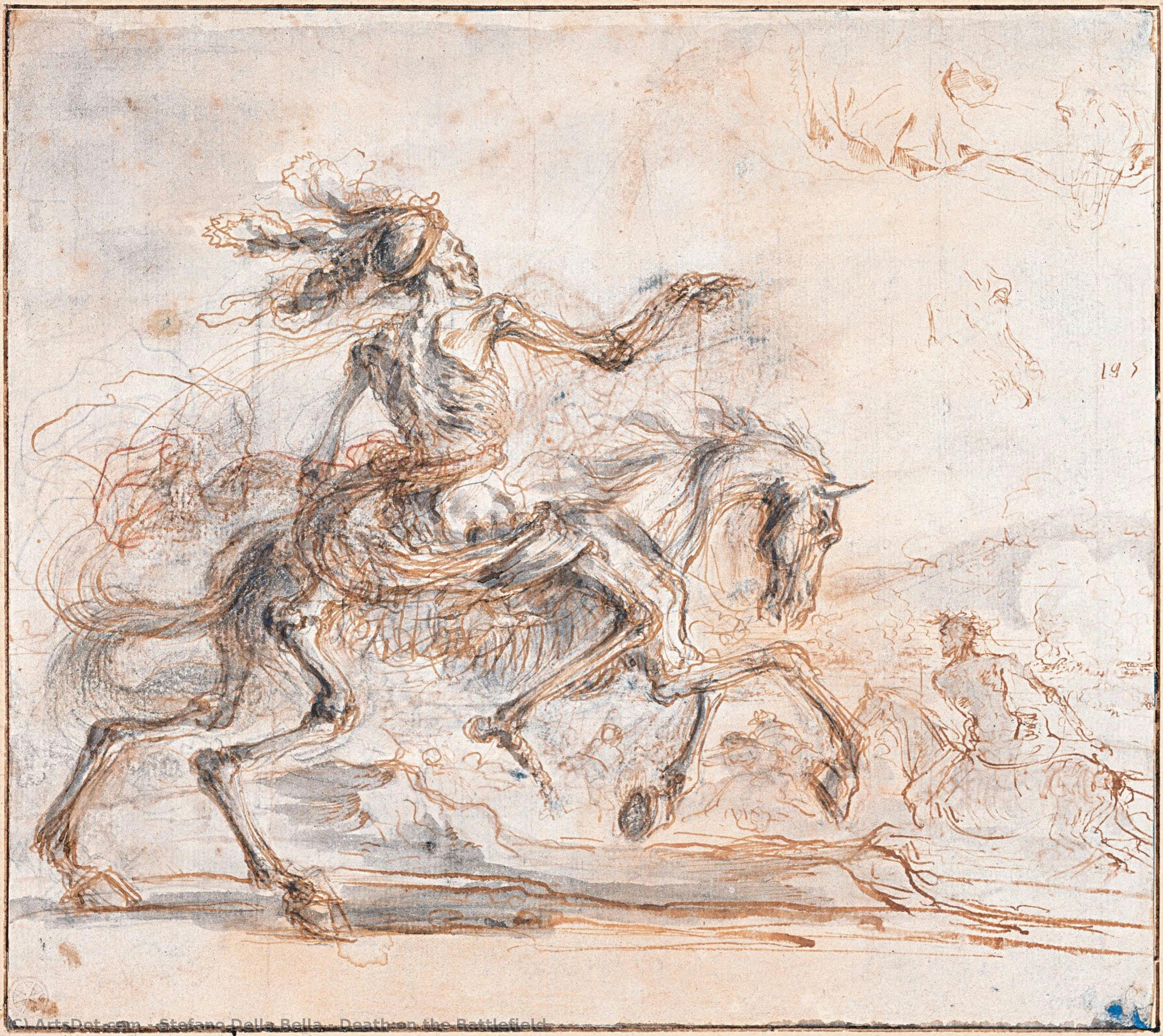
Death on the Battlefield


 Читать далее
Масляная репродукция ручной работы
Картина маслом на холсте в выбранном вами размере и раме, написанная на заказ нашими художниками. ( Перейти к печати Перейти к цифровым изображениям)




P118B $10

P118H $10

P118W $10

P438Z $10

P508JH $12

P508YH $12

P805H $10

P805Z $10

P919BZ $10

P919G $10

P919XJ $10

P959ZH $10

P968JZ $12

W106C $8

W218G $10

W218JH $8

W218Y $10

W307PJ $10

W316G $10

W316PJ $8

W316Y $10

W398PJ $8

W4111J $10

W500HY $15

W500JH $15

W692G $12

W849H $8

W940BG $15

W953PJ $8




Выберите один из наших стандартных размеров, соответствующих оригинальным пропорциям произведения искусства.

Вы можете указать собственные размеры, чтобы картина идеально вписалась в выбранную раму или пространство. Если выбранный вами размер не соответствует пропорциям оригинала, мы либо обрежем полотно, либо расширим его за счет дополнительных элементов, написанных вручную. Цифровой макет будет отправлен вам на утверждение перед началом производства.
Обратите внимание, что предварительный просмотр на экране не отражает фактическую обрезку или расширение. Только макет точно покажет окончательную композицию.
Хотя доступны индивидуальные размеры, мы рекомендуем выбирать вариант из предопределенного списка, чтобы сохранить исходные пропорции.
После оформления заказа команда ArtsDot.com свяжется с клиентом по электронной почте для уточнения деталей и предоставит предварительный макет
Доставка по всему миру () за 3–4 недели вместо стандартных 5 недель. (11 Сентябрь). Без компромиссов в качестве.

Бесплатная экспресс-доставка по всему миру

Высококачественный льняной холст

Полное страхование доставки

Гарантия возмещения таможенных пошлин

Гарантия точного соответствия цветов

100-дневная политика возврата (только при обнаружении дефектов)

Гарантия возврата 100% средств

Предложение оптовых скидок
 Вариант со стеклом доступен только для размеров менее 110 см

Death on the Battlefield
Техника репродукции
Размер репродукции
-


Итоговая стоимость
$ 263
A Macabre Vision of Mortality
In the hauntingly beautiful masterpiece Death on the Battlefield, the Florentine master Stefano della Bella invites us into a realm where the boundaries between life and decay dissolve. The composition is dominated by a striking, skeletal figure mounted upon a powerful horse, an image that immediately commands the viewer's attention with its raw, visceral energy. This is not merely a depiction of death, but a theatrical performance of mortality. As the skeleton raises an arm toward the heavens, clutching a scepter and wearing a crown, it assumes the role of a grim sovereign, presiding over the chaos of conflict. The dynamic movement of the horse, positioned with a sense of urgent momentum, creates a sweeping motion that guides the eye across the canvas, making the skeletal rider feel as though it is charging through the very fabric of time itself.
The artistry of della Bella, rooted in his profound training as an etcher and draughtsman, shines through in the intricate details of this work. Though he was a master of the fine line, the essence of his printmaking precision is felt in every contour of the bone and every muscle of the steed. The sky above, stretching from corner to corner, provides a vast, atmospheric backdrop that lends a sense of epic scale to the scene. Small, delicate details—such as the presence of birds drifting through the upper reaches of the frame—offer a poignant contrast to the central figure. These creatures of life, soaring amidst the symbols of death, serve to heighten the emotional tension, reminding us of the fragile coexistence between the living world and the inevitable end that awaits all things.
Symbolism and the Baroque Spirit
To understand Death on the Battlefield, one must look through the lens of the Baroque era, a period obsessed with the concept of memento mori—the reminder that death is an ever-present companion. The crown and scepter held by the skeletal figure are deeply symbolic; they suggest that even the highest earthly powers and most glorious conquests are ultimately subject to the leveling force of death. This piece serves as a powerful allegory for the futility of war and the transient nature of human ambition. For the collector or the interior designer, this artwork offers more than just visual splendor; it provides a profound philosophical depth, making it a conversation piece that challenges the viewer to contemplate the fleeting essence of existence.
The emotional impact of the work lies in its ability to be simultaneously terrifying and mesmerizing. There is a certain dark elegance in the way della Bella captures the skeletal form, transforming what could be a grotesque image into something of profound aesthetic grace. For those seeking to adorn a space with art that possesses both historical weight and dramatic flair, this reproduction offers an unparalleled opportunity. It brings into a room a sense of history, a touch of the sublime, and a masterful command of light and shadow that can transform a modern interior into a gallery of contemplative thought.
Похожие произведения
Биография художника
Stefano Della Bella: A Master of Line and Light in the Baroque Era
Stefano della Bella (1610-1664) stands as a pivotal figure within the Baroque artistic landscape, primarily recognized for his prolific output of prints—a medium he skillfully harnessed to capture the spirit of his time. While only one painting definitively attributed to him exists, over 1,400 etchings and countless drawings established him as an unparalleled draughtsman and printmaker, cementing his legacy as a true innovator. His life unfolded across multiple cities – Florence, Rome, Paris – each contributing to his artistic evolution and shaping the distinctive visual language of his oeuvre. Born into a family steeped in artistic tradition—his father was a sculptor—Stefano’s early training instilled within him an unwavering dedication to precision and observation, qualities that would permeate his entire career.Early Training and Influences: The Workshop Tradition
Stefano's formative years were spent under the tutelage of Orazio Vanni and Cesare Dandini in Florence, where he honed his skills in etching—a technique profoundly influenced by Jacques Callot, whose meticulous attention to detail and dramatic narrative approach served as a cornerstone for della Bella’s artistic vision. This initial exposure to Callot's style foreshadowed the stylistic choices that would characterize his subsequent prints: an emphasis on capturing fleeting moments of grandeur and conveying complex emotions through carefully crafted lines. Remigio Cantagallina, who himself had been instructed by Callot, further nurtured Stefano’s talent, imparting invaluable knowledge about tonal effects—a technique that would become increasingly prominent in della Bella's later works.Rome: Patronage and Classical Inspiration
From 1633 to 1639, Stefano resided within the Medici palace in Rome – a period marked by transformative artistic engagement. The patronage of Lorenzo de’ Medici fueled his intellectual curiosity and provided him with unparalleled access to the treasures of Roman antiquity. This immersion in classical art profoundly impacted his aesthetic sensibilities, informing his depictions of architectural settings and contributing to a broader understanding of humanist ideals. Stefano meticulously documented scenes from daily life—the bustling marketplaces of Rome, ceremonial processions honoring papal dignitaries—translating these observations into stunningly detailed prints that exemplify the Baroque fascination with realism and theatrical presentation.Parisian Engagement: Rembrandt’s Influence and Artistic Experimentation
Stefano's journey to Paris in 1639 coincided with a burgeoning artistic environment driven by figures like Rembrandt van Rijn, whose mastery of chiaroscuro—the dramatic interplay between light and shadow—inspired Stefano to explore innovative tonal gradations within his etchings. He collaborated closely with prominent publishers such as François Langlois and Pierre Mariette, producing prints that reflected the tastes of the French court and capturing the dynamism of Parisian society during a period marked by political upheaval. Notably, Stefano’s decorative ornament prints anticipated the Rococo aesthetic—a stylistic movement characterized by lightness, elegance, and playful asymmetry—demonstrating his unwavering commitment to artistic experimentation and pushing the boundaries of printmaking technique.Legacy: A Singular Voice in Printmaking
Stefano della Bella's enduring significance rests not merely on the sheer volume of his output but also on his singular ability to distill the complexities of the Baroque era into visual representations that resonate with profound emotional depth. His prints—ranging from monumental depictions of military campaigns to intimate portraits of Florentine life—remain invaluable documents of a period defined by artistic innovation, intellectual fervor, and dramatic historical events. Stefano della Bella’s legacy continues to inspire artists today, securing his place as one of the most influential printmakers of the seventeenth century—a testament to his unwavering dedication to craftmanship and his profound understanding of how visual art could convey both beauty and truth.
Стефано делла Белла
1610 - 1664 , Италия
Основные сведения
- Artistic Movement Or Style: Барокко
- Artists Or Movements Influenced By This Artist: ['Барокко']
- Artists Who Influenced This Artist:
- Жак Каллот
- Рембрандт ван Рейн
- Date Of Birth: 1610 г.
- Date Of Death: 1664 г.
- Full Name: Stefano Della Bella
- Nationality: Итальянский
- Notable Artworks:
- Вид Пон де Нев
- Вход посланника Польши в Рим
- Place Of Birth: Флоренция, Италия
Похожие статьи
The Equine Muse: A Historical & Artistic Exploration of Horses in Painting
Explore the captivating history of horses in painting! Discover Renaissance masterpieces, Baroque grandeur & expert insights for collecting equestrian art. Learn about symbolism, techniques & lasting value with ArtsDot.

10 Шедевров Барокко: Искусство, изменившее мир | ArtsDot.com
Погрузитесь в мир барокко! 10 шедевров Караваджо, Рембрандта и других великих художников. Узнайте историю создания культовых картин и найдите идеальную репродукцию для вашего интерьера на ArtsDot.com
The Noble Steed on Canvas: A Historical & Artistic Exploration of Horse Painting Across Cultures
Explore the rich history of horse painting! Discover masterpieces from Stubbs to Munnings & learn about symbolism, techniques & artists. Find museum-quality reproductions at ArtsDot.

Барочная драма: Искусство величия в современном интерьере
Погрузитесь в мир роскоши и величия барокко! Узнайте об истории стиля, ключевых элементах интерьера и архитектуре. Вдохновляйтесь с и создайте свой неповторимый дизайн.

The Dramatic Flourish: Exploring the Baroque Movement's Enduring Legacy in Art History
Explore the dramatic world of Baroque art! Discover iconic artists like Caravaggio & Rubens, defining techniques, and its lasting impact on art history. Expert insights for collectors & enthusiasts at ArtsDot.