

 Предпросмотр
 Поделиться
 Поделиться
 Детали произведения

 Скачать
 Похожие работы
 Рентгенография
 Слайд-шоу
 Статистика
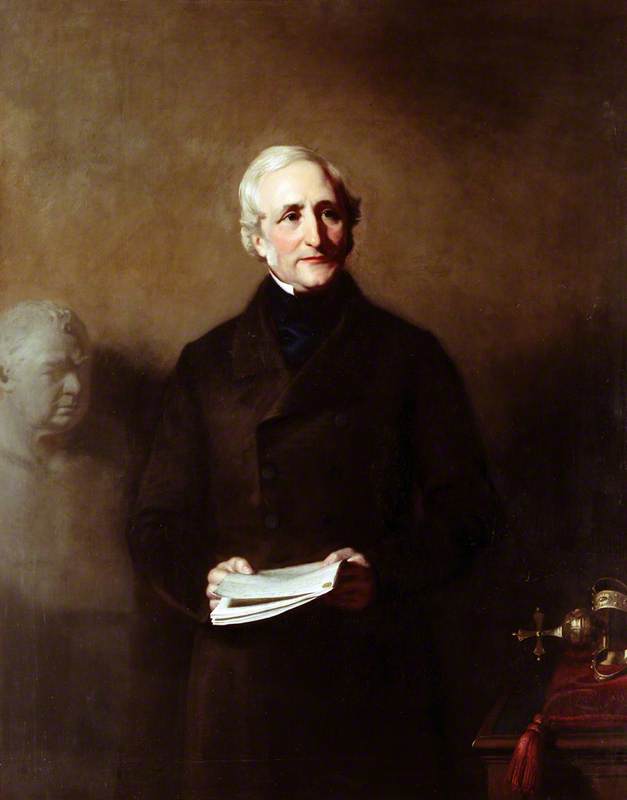
Edward Sabine (1788–1883)
 Acrylic On Canvas
- WallArt
- Victorian Portraiture
 1855
1855- 19th Century
 128.0 x 102.0 cm
 Королевское общество
 Читать далее
Приобретите цифровое изображение высокого разрешения в улучшенном качестве, которое значительно превосходит онлайн-превью.
Каждый файл тщательно подготавливается нашими специалистами с использованием передовых инструментов и экспертной ручной ретуши. Мы гарантируем исключительную четкость, точную цветопередачу и детальную проработку каждого изображения.
Финальный файл доставляется по электронной почте в течение 72 часов и оптимизирован для немедленного использования в профессиональной среде, при верстке и печати. Это тот же уровень качества, которому доверяют ведущие дизайнерские студии, издательства и галереи.
Цифровое изображение
Скачайте файл высокого разрешения для личного использования, печати и творческих проектов. ( Перейти к печати Купить картину ручной работы)
Включено в каждый заказ цифровых изображений
Гарантия экспертной цифровой доставки
Выбирая ArtsDot.com, вы получаете не просто изображение — вы приобретаете профессионально обработанное цифровое произведение искусства, созданное с безупречной точностью и под защитой гарантии качества. Вот всё, что автоматически входит в ваш заказ:

Мгновенная доставка по e-mail
Ваш цифровой файл в высоком разрешении будет отправлен вам по электронной почте в течение 72 часов после оформления заказа — и сразу станет доступен для использования.

Цифровой файл с ИИ-улучшением
Ваше произведение искусства проходит профессиональную оптимизацию с использованием передовых инструментов ИИ и ручной обработки, что гарантирует максимальную детализацию, четкость и точность цветопередачи.

Бессрочная бесплатная повторная доставка
Случайно удалили или потеряли файл? Не беспокойтесь — мы отправим его вам повторно в любое время и совершенно бесплатно.

Без импортных пошлин — навсегда
Наслаждайтесь вашим произведением искусства мгновенно без таможенных пошлин, сборов или затрат на доставку — цифровые загрузки всегда не облагаются налогом.

Гарантия точности цветопередачи
Мы гарантируем, что ваше цифровое изображение максимально точно передает оригинальные цвета благодаря использованию профессиональных инструментов и систем управления цветом.

Гарантия удовлетворенности 100 дней
Если вы не будете удовлетворены своим цифровым изображением, мы внесем правки или вернем 100% стоимости в течение 100 дней — без лишних вопросов.

100% Гарантия возврата средств
Не удовлетворены покупкой? Получите полный возврат средств в течение 100 дней после получения цифрового файла — без лишних вопросов.

Скидки на оптовые заказы
Купите 3 изображения, сэкономьте 10% — Купите 5, сэкономьте 15% — Купите 10+, сэкономьте 20%. Отличное решение для творческих проектов, галерей и агентств.
A Portrait of Victorian Dignity: Stephen Pearce’s Edward Sabine
Stephen Pearce's "Edward Sabine," painted in 1855, is more than just a likeness; it’s a carefully constructed tableau of Victorian society and the burgeoning spirit of scientific exploration. The painting depicts Sir Edward Sabine (1788–1883), a prominent Irish astronomer, scientist, ornithologist, and explorer, standing before an implied landscape – a subtle suggestion of the Arctic wilderness that defined much of his distinguished career. Pearce’s masterful handling of light and shadow, combined with a keen eye for detail, elevates this portrait beyond a simple representation, transforming it into a compelling narrative of intellect, observation, and the pursuit of knowledge.
Pearce, a Royal Academician known particularly for his equestrian portraits, demonstrates a remarkable versatility here. He eschews the overly formal poses typical of many Victorian sitters, instead presenting Sabine with an air of quiet contemplation. The subject’s gaze is direct yet not confrontational, inviting the viewer into his world of scientific inquiry. Notice the subtle turn of his head and the slight furrow in his brow – details that convey a sense of deep thought and intellectual engagement. The composition itself is carefully balanced, drawing our attention to Sabine's face while simultaneously hinting at the vastness of the Arctic regions he explored.
Technique and Style: A Masterclass in Victorian Portraiture
Painted during a period of significant scientific advancement – the era of Darwin’s “Origin of Species” was just around the corner – "Edward Sabine" reflects the prevailing intellectual climate. Pearce's technique is characterized by a meticulous attention to detail, particularly evident in the rendering of Sabine’s clothing and the subtle textures of his face. He employs a rich palette of browns, greys, and ochres, creating a sense of depth and atmosphere that anchors the portrait within its historical context. The use of sfumato – a technique borrowed from Renaissance masters – softens the edges and creates an ethereal quality, lending the painting a timeless elegance.
Pearce’s background at Sass's Academy and under Sir Martin Archer Shee clearly informed his approach to portraiture. He skillfully captures Sabine’s character—a man of intellect and experience—through subtle gestures and expressions. The lighting is particularly noteworthy; Pearce utilizes chiaroscuro – the dramatic contrast between light and dark – to sculpt Sabine’s features and create a sense of three-dimensionality, drawing the viewer's eye directly to his face.
Symbolism and Context: Arctic Exploration and Victorian Values
The painting is deeply rooted in the context of 19th-century exploration. Sir Edward Sabine played a crucial role in the search for Sir John Franklin’s lost expedition, meticulously analyzing meteorological data and contributing significantly to understanding the challenges faced by Arctic explorers. The subtle suggestion of an arctic landscape behind Sabine—a carefully rendered backdrop rather than a literal depiction—symbolizes his connection to this challenging environment and his dedication to unraveling its mysteries. The inclusion of elements like clocks and books further reinforces the theme of intellectual pursuit and scientific investigation, hallmarks of Victorian values.
Furthermore, Pearce’s decision to portray Sabine in a dignified yet approachable manner reflects the Victorian emphasis on respectability and social standing. The portrait serves as both a celebration of Sabine's accomplishments and a testament to the importance of intellectual pursuits within the framework of Victorian society. It is a window into a world where scientific discovery was intertwined with notions of honor, duty, and the advancement of knowledge.
A Timeless Reproduction: Bringing Pearce’s Vision to Life
Reproducing "Edward Sabine" today offers an opportunity to appreciate not only Pearce's artistic skill but also the historical context in which it was created. A high-quality hand-painted reproduction captures the painting’s rich textures, subtle nuances of light and shadow, and evocative atmosphere with remarkable fidelity. Whether displayed in a study, library, or art gallery, this artwork serves as a powerful reminder of the enduring legacy of scientific exploration and the captivating beauty of Victorian portraiture.
Похожие произведения
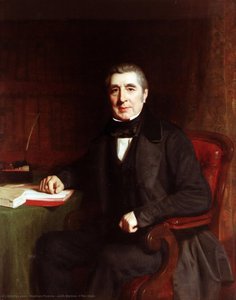
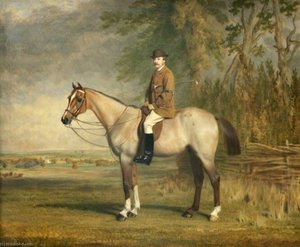
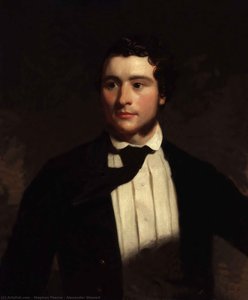
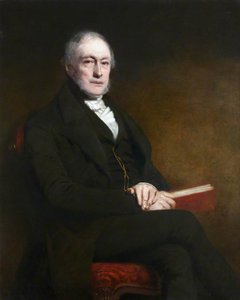
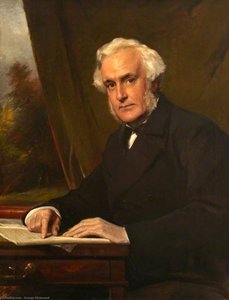
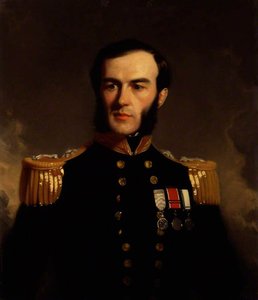
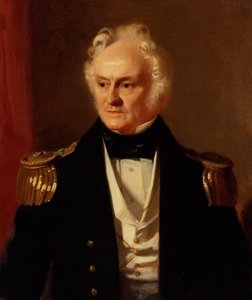
Биография художника
Stephen Pearce (1819–1904): A Victorian Portraitist and Equestrian Pioneer
Stephen Pearce, born November 16, 1819, in the quiet London suburb of Kings Meadow, was destined for a life inextricably linked to England’s aristocratic heritage. As the sole child of Stephen Pearce—a clerk within the Department of the Master of Horse—and Ann Whittington, his upbringing instilled not merely decorum but access to subjects that would define much of his artistic journey: the magnificent horses of the Royal Mews. This familial connection fostered a profound appreciation for tradition and craftsmanship – qualities that would permeate his oeuvre throughout his life. Formal training commenced at Sass’s Academy in Charlotte Street, a respected institution prioritizing artistic excellence, followed by rigorous study at the prestigious Royal Academy Schools beginning in 1840. A pivotal moment arrived in 1841 when he became a pupil of Sir Martin Archer Shee—a titan of Victorian portraiture whose influence shaped Pearce's approach to capturing likeness and conveying character with remarkable subtlety. These formative years established him as an artist deeply rooted in the academic tradition, preparing him for a career balancing meticulous technique with evolving artistic sensibilities.Early Life and Artistic Foundations
Pearce’s early life was marked by privilege and intellectual curiosity. His father's position within the Royal Household provided invaluable exposure to equestrian pursuits and aristocratic society—subjects that would become recurring motifs in his paintings. The Academy Schools instilled a disciplined aesthetic, emphasizing anatomical accuracy and tonal gradation – skills honed through tireless observation and diligent practice. Shee’s mentorship championed psychological realism, encouraging Pearce to delve beyond mere surface appearance and explore the inner life of his subjects. This dedication to craft foreshadowed his later success as an animalier—a painter specializing in depictions of animals—particularly horses—a genre that would become synonymous with his artistic identity.A Versatile Career: Portraiture, Equine Art, and Literary Circles
Pearce’s professional life unfolded across decades, demonstrating remarkable versatility. From 1842 to 1846, he served as an amanuensis—a secretary—to the celebrated novelist Charles Lever, immersing himself in literary circles and absorbing insights into narrative structure and character development – skills that subtly informed his portraiture’s psychological depth. His initial artistic triumphs centered on paintings of favored horses within the Royal Mews, exhibited at the Royal Academy in 1839 and again in 1841, establishing him as a skilled animalier recognized for capturing both physical form and expressive emotion. A transformative journey to Italy around 1849 refined his aesthetic sensibilities before he resumed regular contributions to Burlington House exhibitions upon his return to England—a period marked by stylistic evolution toward greater tonal richness and atmospheric depth. He wasn’t confined by genre, seamlessly blending equestrian art with portraiture, reflecting the broader cultural fascination with horses and horsemanship prevalent during Victorian Britain.The Arctic Explorer Portraits: A Defining Commission
Perhaps Pearce's most enduring legacy resides in his monumental depiction of the Arctic exploration movement—specifically “The Arctic Council discussing a plan of search for Sir John Franklin” (1851). Commissioned by Colonel John Barrow, this ambitious undertaking captured the fervor surrounding the quest to locate Franklin’s lost expedition—a daring endeavor that captivated the public imagination. Pearce skillfully rendered the prominent figures involved—Robert McClure, Leopold McClintock, and John Barrow Jr.—each imbued with individual character and contributing to a palpable sense of deliberation and strategic planning. The painting transcends mere historical record; it embodies Pearce's artistic vision as a dramatic narrative, meticulously crafted to convey both intellectual rigor and emotional resonance. This masterpiece cemented his reputation as an artist capable of translating complex ideas into compelling visual representations—a testament to his mastery of technique and storytelling.Legacy and Historical Significance
Stephen Pearce’s contribution to Victorian art is undeniable. His unwavering commitment to anatomical accuracy, combined with sensitivity to tonal gradation and atmospheric perspective, solidified his position within the academic tradition—the dominant aesthetic force of his era. The enduring popularity of equestrian subjects mirrored a broader cultural preoccupation with nobility and horsemanship—a fascination that extended throughout aristocratic society. Furthermore, Pearce’s Arctic paintings stand as poignant reminders of Victorian Britain's ambition to explore uncharted territories and confront formidable challenges—a reflection of the intellectual spirit and adventurous ethos characteristic of the period. His meticulous attention to detail—evident in his self-portraits and numerous equine portraits—provided invaluable insight into artistic practice during his time, securing his place as a significant figure within British art history. Pearce’s legacy continues to inspire admiration for his technical prowess and artistic vision—a testament to his enduring contribution to Victorian culture and artistic achievement.- National Portrait Gallery Collection: Forty-four portraits by Stephen Pearce remain in the National Portrait Gallery, London.
- Notable Works: “The Arctic Council,” “Coursing at Ashdown Park,” “Alexander Stewart,” “John Rae” are among his most celebrated paintings.
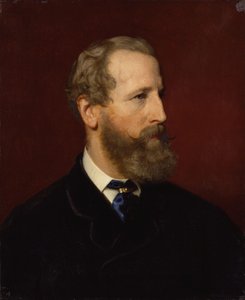
Стивен Пёрс
1819 - 1904 , Великобритания
Основные сведения
- Artistic Movement Or Style: Викторианская живопись портрета
- Artists Who Influenced This Artist:
- Саймон Арчер Ши
- Мартин Арчер Ши
- Date Of Birth: 1819-11-16
- Date Of Death: 1904-01-31
- Full Name: Stephen Pearce
- Nationality: Британский
- Notable Artworks:
- «Ко́рсуинг этт Эшдау́н Парк»
- Портрет Александра Стэвэрта
- Портреты Арктических исследователей
- Place Of Birth: Лондон, Великобритания