 Предпросмотр
 Поделиться
 Поделиться
 Детали произведения

 Скачать
 Похожие работы
 Рентгенография
 Слайд-шоу
 Статистика
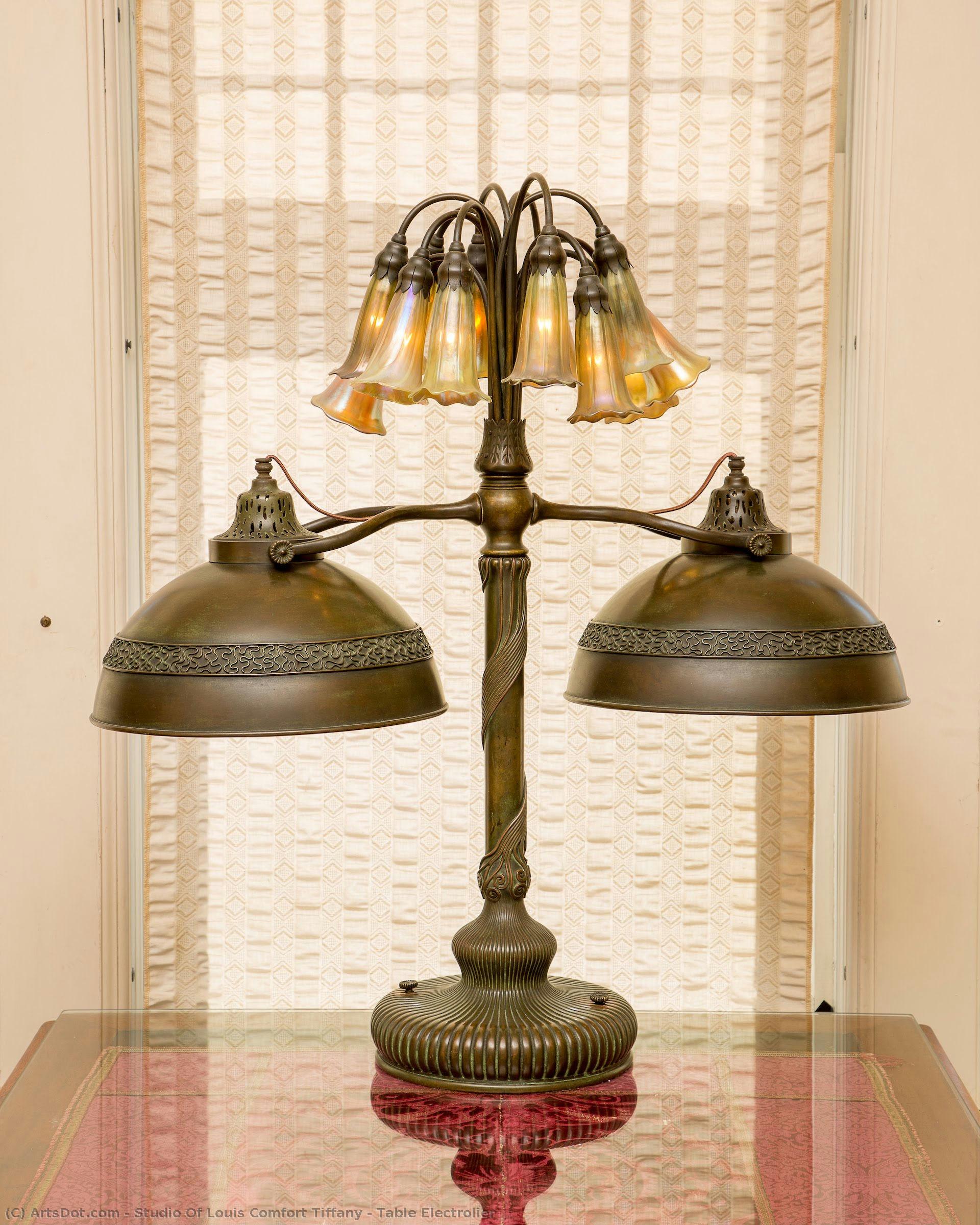
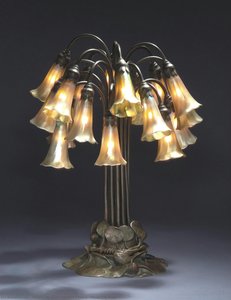
Table Electrolier


 Читать далее
Приобретите цифровое изображение высокого разрешения в улучшенном качестве, которое значительно превосходит онлайн-превью.
Каждый файл тщательно подготавливается нашими специалистами с использованием передовых инструментов и экспертной ручной ретуши. Мы гарантируем исключительную четкость, точную цветопередачу и детальную проработку каждого изображения.
Финальный файл доставляется по электронной почте в течение 72 часов и оптимизирован для немедленного использования в профессиональной среде, при верстке и печати. Это тот же уровень качества, которому доверяют ведущие дизайнерские студии, издательства и галереи.
Цифровое изображение
Скачайте файл высокого разрешения для личного использования, печати и творческих проектов. ( Перейти к печати Купить картину ручной работы)
Включено в каждый заказ цифровых изображений
Гарантия экспертной цифровой доставки
Выбирая ArtsDot.com, вы получаете не просто изображение — вы приобретаете профессионально обработанное цифровое произведение искусства, созданное с безупречной точностью и под защитой гарантии качества. Вот всё, что автоматически входит в ваш заказ:

Мгновенная доставка по e-mail
Ваш цифровой файл в высоком разрешении будет отправлен вам по электронной почте в течение 72 часов после оформления заказа — и сразу станет доступен для использования.

Цифровой файл с ИИ-улучшением
Ваше произведение искусства проходит профессиональную оптимизацию с использованием передовых инструментов ИИ и ручной обработки, что гарантирует максимальную детализацию, четкость и точность цветопередачи.

Бессрочная бесплатная повторная доставка
Случайно удалили или потеряли файл? Не беспокойтесь — мы отправим его вам повторно в любое время и совершенно бесплатно.

Без импортных пошлин — навсегда
Наслаждайтесь вашим произведением искусства мгновенно без таможенных пошлин, сборов или затрат на доставку — цифровые загрузки всегда не облагаются налогом.

Гарантия точности цветопередачи
Мы гарантируем, что ваше цифровое изображение максимально точно передает оригинальные цвета благодаря использованию профессиональных инструментов и систем управления цветом.

Гарантия удовлетворенности 100 дней
Если вы не будете удовлетворены своим цифровым изображением, мы внесем правки или вернем 100% стоимости в течение 100 дней — без лишних вопросов.

100% Гарантия возврата средств
Не удовлетворены покупкой? Получите полный возврат средств в течение 100 дней после получения цифрового файла — без лишних вопросов.

Скидки на оптовые заказы
Купите 3 изображения, сэкономьте 10% — Купите 5, сэкономьте 15% — Купите 10+, сэкономьте 20%. Отличное решение для творческих проектов, галерей и агентств.
Похожие произведения
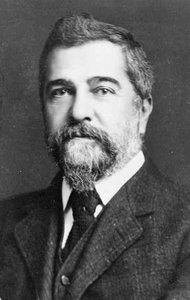
Биография художника
The Enigmatic World of Louis Comfort Tiffany
Louis Comfort Tiffany, a name synonymous with artistry in stained glass, was far more than just a craftsman; he was a visionary who redefined American art during the Gilded Age and beyond. Born in 1848 into a family steeped in wealth and culture – his father, Charles Lewis Tiffany, founded the renowned jewelry firm – young Louis initially pursued painting, studying under George Inness and briefly attending law school at Columbia University. However, it was a fascination with glassmaking, sparked by visits to English factories during his travels, that would ultimately ignite his lifelong passion and shape his artistic legacy. He wasn’t content merely replicating European styles; Tiffany sought to create a distinctly American aesthetic, one rooted in naturalism and imbued with an unparalleled luminosity. His early work involved decorative tiles and mosaics, but it was his pioneering techniques in iridescent glass – Favrile glass, patented in 1894 – that truly set him apart. This wasn’t simply colored glass; it possessed an internal glow, a shimmering depth achieved through layering molten glass with metallic oxides, creating surfaces that seemed to breathe with light.From Painting to Pioneering Glass Techniques
Tiffany's artistic journey was marked by a relentless pursuit of innovation. Dissatisfied with the uniformity and often artificial appearance of traditional stained glass production, he began experimenting with methods to control color and texture more precisely. He rejected the use of painted glass in favor of incorporating naturally colored sheets, meticulously selected and assembled to create complex compositions. The “opalescent” glass he developed, achieved through mixing different colors during the melting process, offered a softer, more subtle palette than the vibrant hues typically associated with Gothic cathedrals. But his most significant breakthrough was Favrile glass. Inspired by ancient Roman glass excavated at Pompeii, Tiffany sought to recreate the iridescent surfaces found in these archaeological treasures. He developed a unique process of swirling molten glass with metallic oxides – copper, silver, gold – creating an ethereal sheen that changed with the viewing angle and light conditions. This technique allowed him not only to control color but also to create textures ranging from smooth and polished to rough and organic. The Favrile process wasn’t just about aesthetics; it was a testament to Tiffany's scientific curiosity and his dedication to mastering every aspect of glassmaking, from the composition of the raw materials to the final firing techniques.The Rise of Tiffany Studios and Artistic Expression
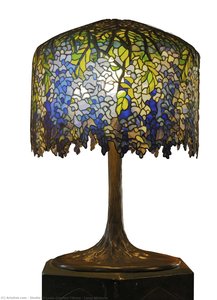
In 1885, Tiffany established Louis Comfort Tiffany & Associated Artists, later known as Tiffany Studios, which became a sprawling enterprise encompassing everything from stained glass windows and lamps to mosaics, ceramics, jewelry, and even furniture. The studios weren’t merely workshops; they were creative hubs where artists, designers, and craftsmen collaborated under Tiffany's direction. He fostered an environment of experimentation and innovation, encouraging his team to push the boundaries of their respective disciplines. While he oversaw all aspects of design, Tiffany also valued the contributions of individual artisans, recognizing that true artistry required both vision and skill. The stained glass windows produced by Tiffany Studios became renowned for their breathtaking beauty and intricate detail. They weren’t simply decorative elements; they were immersive experiences, designed to evoke specific moods and emotions through the interplay of light and color. His landscapes, floral motifs, and depictions of mythological scenes transformed churches, public buildings, and private residences into sanctuaries of art and tranquility. Beyond windows, Tiffany lamps – particularly those featuring dragonfly, wisteria, and peacock designs – became iconic symbols of the Art Nouveau movement. These weren’t just sources of illumination; they were sculptural masterpieces, showcasing the exquisite craftsmanship and artistic sensibility of Tiffany Studios.Influences and Legacy: A Lasting Impact on American Art
Tiffany's work was influenced by a diverse range of sources, from the natural world to Byzantine mosaics and medieval stained glass. He drew inspiration from the vibrant colors and patterns found in Oriental textiles and ceramics, as well as the Pre-Raphaelite paintings that celebrated beauty and symbolism. However, he wasn’t simply imitating these influences; he was synthesizing them into a uniquely American style characterized by its naturalism, luminosity, and emphasis on craftsmanship. His designs often featured flowing lines, organic forms, and depictions of flora and fauna, reflecting his deep appreciation for the beauty of nature. He also embraced symbolism, imbuing his work with hidden meanings and allegorical references. The impact of Tiffany's work extended far beyond the realm of decorative arts. He helped to elevate American art to a new level of recognition, challenging the prevailing European dominance and establishing a distinctly national aesthetic. His innovations in glassmaking techniques revolutionized the industry, paving the way for future generations of artists and designers. Although his popularity waned after his death in 1933, Tiffany's work has experienced a remarkable resurgence in recent decades. Today, his stained glass windows, lamps, and other creations are highly sought-after by collectors and museums around the world, serving as enduring testaments to his artistic vision and lasting legacy.Major Achievements & Historical Significance
- Favrile Glass Patent (1894): This marked a turning point in glassmaking history, allowing for unprecedented control over color and texture.
- Tiffany Studios’ Expansion: The growth of the studios into a comprehensive art enterprise demonstrated Tiffany's commitment to holistic design.
- Exhibition at the 1900 Paris Exposition: This showcased Tiffany's work on an international stage, earning him widespread acclaim and solidifying his reputation as a leading artist.
- Innovation in Stained Glass Techniques: Rejecting painted glass for naturally colored sheets revolutionized the medium and created more luminous compositions.
- Iconic Lamp Designs: The dragonfly, wisteria, and peacock lamps became symbols of the Art Nouveau movement and remain highly collectible today.