

 Предпросмотр
 Поделиться
 Поделиться
 Детали произведения

 Скачать
 Похожие работы
 Рентгенография
 Слайд-шоу
 Статистика
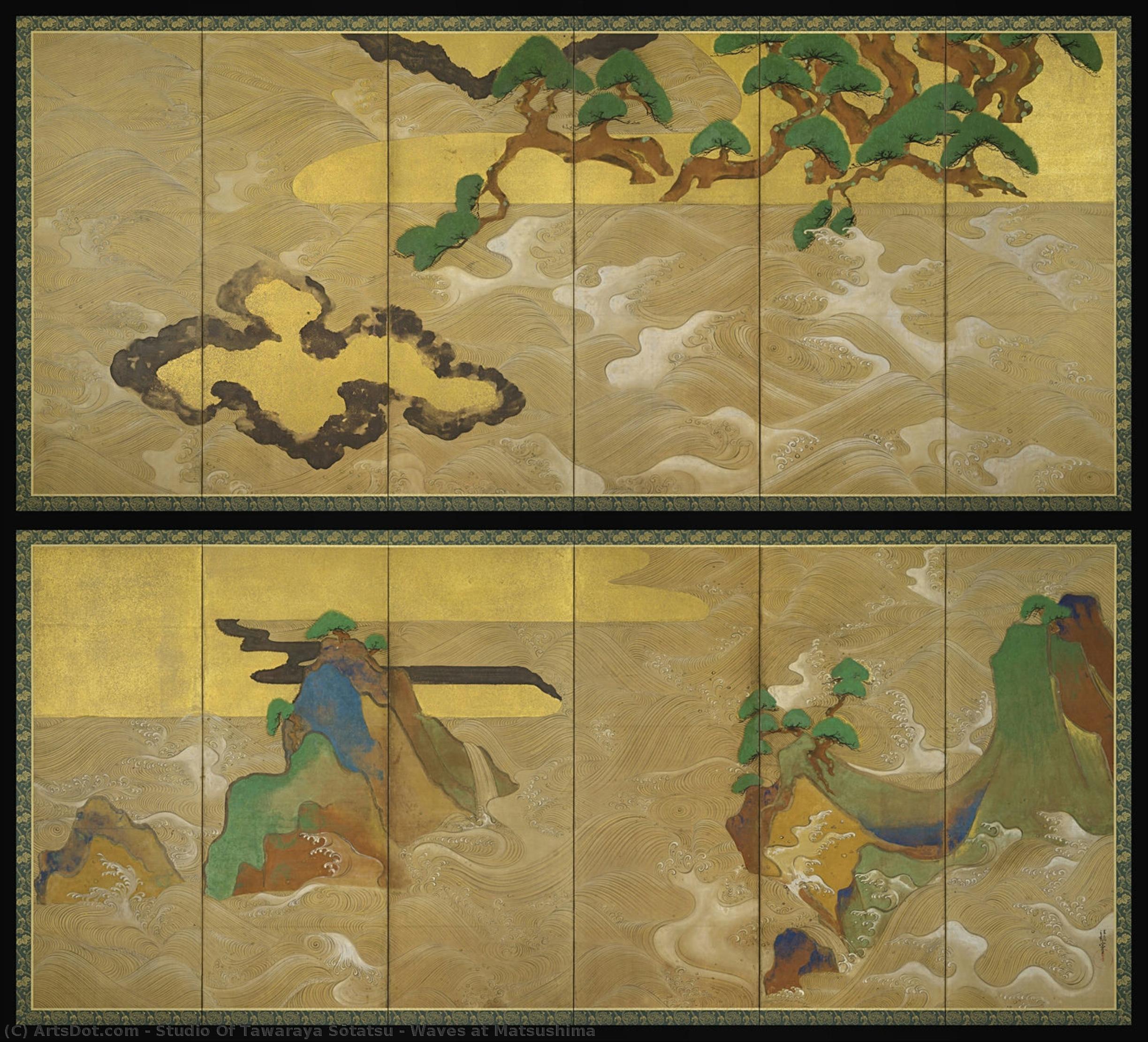
Waves at Matsushima
 Ink
Ink- WallArt
- Rinpa
 1628
1628- Early Modern
 3699.0 x 1660.0 cm
 Национальный музей азиатского искусства Смитсоновского института
 Читать далее
Приобретите цифровое изображение высокого разрешения в улучшенном качестве, которое значительно превосходит онлайн-превью.
Каждый файл тщательно подготавливается нашими специалистами с использованием передовых инструментов и экспертной ручной ретуши. Мы гарантируем исключительную четкость, точную цветопередачу и детальную проработку каждого изображения.
Финальный файл доставляется по электронной почте в течение 72 часов и оптимизирован для немедленного использования в профессиональной среде, при верстке и печати. Это тот же уровень качества, которому доверяют ведущие дизайнерские студии, издательства и галереи.
Цифровое изображение
Скачайте файл высокого разрешения для личного использования, печати и творческих проектов. ( Перейти к печати Купить картину ручной работы)
Включено в каждый заказ цифровых изображений
Гарантия экспертной цифровой доставки
Выбирая ArtsDot.com, вы получаете не просто изображение — вы приобретаете профессионально обработанное цифровое произведение искусства, созданное с безупречной точностью и под защитой гарантии качества. Вот всё, что автоматически входит в ваш заказ:

Мгновенная доставка по e-mail
Ваш цифровой файл в высоком разрешении будет отправлен вам по электронной почте в течение 72 часов после оформления заказа — и сразу станет доступен для использования.

Цифровой файл с ИИ-улучшением
Ваше произведение искусства проходит профессиональную оптимизацию с использованием передовых инструментов ИИ и ручной обработки, что гарантирует максимальную детализацию, четкость и точность цветопередачи.

Бессрочная бесплатная повторная доставка
Случайно удалили или потеряли файл? Не беспокойтесь — мы отправим его вам повторно в любое время и совершенно бесплатно.

Без импортных пошлин — навсегда
Наслаждайтесь вашим произведением искусства мгновенно без таможенных пошлин, сборов или затрат на доставку — цифровые загрузки всегда не облагаются налогом.

Гарантия точности цветопередачи
Мы гарантируем, что ваше цифровое изображение максимально точно передает оригинальные цвета благодаря использованию профессиональных инструментов и систем управления цветом.

Гарантия удовлетворенности 100 дней
Если вы не будете удовлетворены своим цифровым изображением, мы внесем правки или вернем 100% стоимости в течение 100 дней — без лишних вопросов.

100% Гарантия возврата средств
Не удовлетворены покупкой? Получите полный возврат средств в течение 100 дней после получения цифрового файла — без лишних вопросов.

Скидки на оптовые заказы
Купите 3 изображения, сэкономьте 10% — Купите 5, сэкономьте 15% — Купите 10+, сэкономьте 20%. Отличное решение для творческих проектов, галерей и агентств.
The Ethereal Dance of Tide and Timber
In the breathtaking masterpiece Waves at Matsushima, the viewer is transported to a realm where the boundaries between the terrestrial and the divine begin to blur. Created in 1628 by the legendary Studio of Tawaraya Sōtatsu, this work serves as a profound meditation on the rhythmic power of nature. The composition is masterfully divided into two distinct yet harmoniously connected vistas, offering a dual perspective on the sea's temperament. In the lower register, the ocean is a theater of motion; frothing waves crash against the shoreline with a palpable energy, while small, delicate figures are scattered across the landscape, appearing as mere witnesses to the immense scale of the tides. This section captures the visceral, tactile experience of the coast, where the spray of salt and the roar of the surf dominate the senses.
Moving upward, the painting transitions into a more contemplative state. The upper section unveils a serene, almost dreamlike view of the ocean, where the water settles into a tranquil expanse framed by the silhouettes of ancient trees. This shift in atmosphere creates a profound emotional arc, moving the observer from the excitement of the crashing surf to the quietude of a coastal sanctuary. For the discerning collector or interior designer, this duality offers a unique psychological depth; the piece can serve as both a dynamic focal point that breathes life into a room and a calming presence that invites introspection and peace.
The Legacy of Rinpa Elegance
To understand the technical brilliance of Waves at Matsushima, one must look to the roots of the Rinpa style. The Studio of Tawaraya Sōtatsu was not merely a workshop but a crucible of innovation, where the application of gold, silver, and bold, stylized natural motifs redefined Japanese aesthetics during the early Edo period. The technique employed here emphasizes the decorative yet powerful use of line and color to evoke movement without the need for hyper-realism. The way the waves are rendered—with sweeping, rhythmic curves—demonstrates a sophisticated understanding of graphic design that remains strikingly modern even centuries after its creation.
The historical context of this work is steeped in the opulence of Kyoto’s golden age. As a studio catering to powerful feudal lords and refined aristocrats, the creators of this piece utilized a visual language of prestige. The interplay between the ruggedness of the sea and the structured beauty of the background trees symbolizes the eternal balance between chaos and order. For those seeking to adorn a space with art that carries historical weight and aesthetic sophistication, this reproduction offers more than just a visual ornament; it provides a window into a lost era of unparalleled craftsmanship and poetic vision.
Похожие произведения





Биография художника
The Enigmatic World of Tawaraya Sōtatsu’s Studio
The name Tawaraya Sōtatsu conjures images of a golden age in Japanese painting, a period brimming with elegance, narrative power, and an almost otherworldly beauty. However, the figure of Sōtatsu himself remains remarkably elusive. Rather than a single artist working in isolation, “Studio of Tawaraya Sōtatsu” represents a collaborative workshop active primarily during the early Edo period (early 17th century), centered around what is believed to be the artistic vision of one master painter – though the precise extent of his individual hand versus that of his talented disciples remains a subject of ongoing scholarly debate. This ambiguity, rather than diminishing their legacy, adds to the mystique surrounding these breathtaking works. The studio flourished in Kyoto, serving a clientele that included powerful feudal lords and discerning art collectors, all eager to possess paintings imbued with refined taste and sophisticated storytelling.A Legacy Forged in Collaboration
The Tawaraya Sōtatsu studio didn’t emerge from a vacuum. It built upon the foundations laid by the Kanō school, particularly its emphasis on decorative patterns and dynamic compositions. However, Sōtatsu diverged significantly from the more formal and often austere style of the Kanō masters. He embraced a distinctly Yamato-e aesthetic – a traditional Japanese painting style characterized by vibrant colors, flowing lines, and a focus on literary themes and native subjects. His paintings are not merely representations; they are immersive worlds. The studio’s signature style is instantly recognizable: bold outlines define figures and objects, surfaces shimmer with layered pigments, often incorporating gold leaf to create an effect of luminous opulence. The subject matter frequently draws from classical literature – *The Tale of Genji*, the poetry anthologies like the *Hyakunin Isshu* – and scenes from nature, all rendered with a remarkable sense of grace and poetic sensibility. The studio’s success was predicated on its ability to consistently produce paintings of exceptional quality, catering to the evolving tastes of its patrons while maintaining a distinctive artistic voice.Themes and Techniques: A Synthesis of Tradition
The works attributed to the Studio of Tawaraya Sōtatsu are characterized by several recurring themes and masterful techniques. Narrative scenes dominate, often depicting pivotal moments from beloved literary works. These aren’t simply illustrations; they are carefully curated glimpses into a larger story, inviting viewers to contemplate the characters' emotions and motivations. The studio excelled in *kakemono* (hanging scrolls) and *byōbu* (folding screens), formats that lent themselves particularly well to expansive compositions and detailed storytelling. A hallmark of their technique is the use of *tarashikomi*, a method of blending pigments while still wet, creating subtle gradations of color and an almost translucent effect. Gold leaf isn’t merely applied as decoration; it's integrated into the composition, highlighting key elements and adding to the overall sense of luxury and refinement. The studio also demonstrated exceptional skill in depicting natural motifs – flowing water, blossoming branches, soaring birds – all rendered with a keen eye for detail and an appreciation for the beauty of the natural world.Influence and Historical Significance
The impact of the Tawaraya Sōtatsu studio on Japanese painting is profound. Their work helped to revitalize Yamato-e, infusing it with new energy and sophistication. They bridged the gap between the aristocratic art of the Heian period and the emerging tastes of the Edo era. The studio’s influence can be seen in the works of later artists who sought to emulate their elegant style and refined technique. While the precise details of Sōtatsu's life remain shrouded in mystery, his artistic legacy is undeniable. The paintings attributed to his studio are now highly prized as masterpieces of Japanese art, representing a pinnacle of aesthetic achievement and cultural refinement. They offer a glimpse into a world where beauty was celebrated, stories were cherished, and artistry was elevated to the highest level.- Revitalization of Yamato-e painting style.
- Influence on subsequent generations of Japanese artists.
- Masterful use of color, gold leaf, and narrative composition.
The Continuing Allure
Today, the works of the Studio of Tawaraya Sōtatsu continue to captivate audiences worldwide. Their paintings are not merely historical artifacts; they are timeless expressions of beauty, grace, and poetic sensibility. The studio’s legacy serves as a reminder of the power of collaboration, the enduring appeal of classical literature, and the importance of preserving cultural traditions. The enigmatic world created by Tawaraya Sōtatsu invites us to step back in time and experience the elegance and refinement of a golden age in Japanese art. The ongoing research into the studio’s practices and the attribution of individual works ensures that their story will continue to unfold, revealing new insights into this remarkable artistic legacy for generations to come.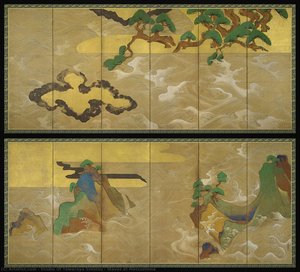
Основные сведения
- Artistic Movement Or Style: Yamato-e, Rinpa school
- Date Of Death: Living
- Full Name: Studio Of Tawaraya Sōtatsu
- Nationality: Japanese
- Notable Artworks:
- Deer and Maple Leaves
- Waves at Matsushima
- Irises