

 Предпросмотр
 Поделиться
 Поделиться
 Детали произведения

 Скачать
 Похожие работы
 Рентгенография
 Слайд-шоу
 Статистика
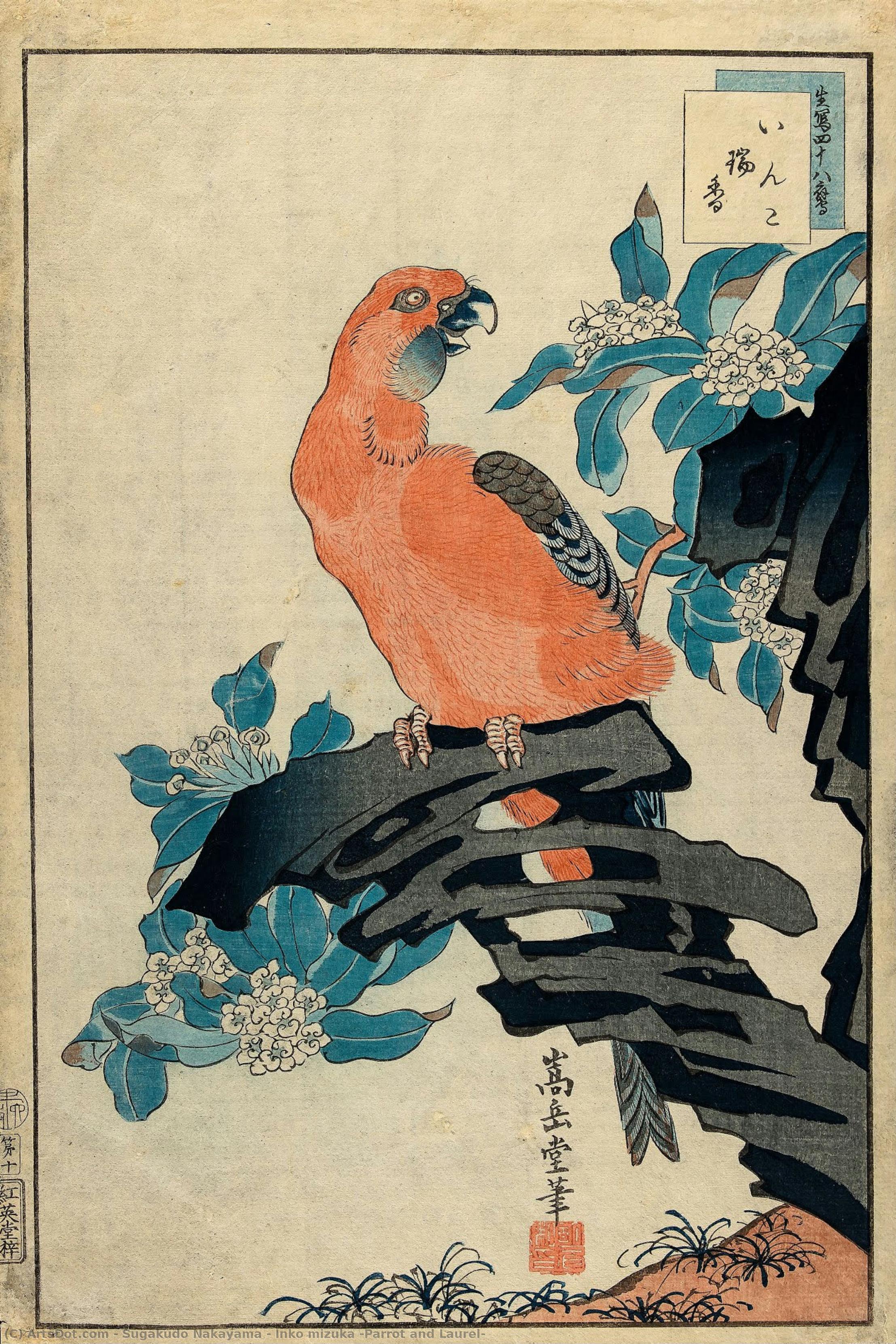
Inko mizuka (Parrot and Laurel)

 Читать далее
Приобретите цифровое изображение высокого разрешения в улучшенном качестве, которое значительно превосходит онлайн-превью.
Каждый файл тщательно подготавливается нашими специалистами с использованием передовых инструментов и экспертной ручной ретуши. Мы гарантируем исключительную четкость, точную цветопередачу и детальную проработку каждого изображения.
Финальный файл доставляется по электронной почте в течение 72 часов и оптимизирован для немедленного использования в профессиональной среде, при верстке и печати. Это тот же уровень качества, которому доверяют ведущие дизайнерские студии, издательства и галереи.
Цифровое изображение
Скачайте файл высокого разрешения для личного использования, печати и творческих проектов. ( Перейти к печати Купить картину ручной работы)
Включено в каждый заказ цифровых изображений
Гарантия экспертной цифровой доставки
Выбирая ArtsDot.com, вы получаете не просто изображение — вы приобретаете профессионально обработанное цифровое произведение искусства, созданное с безупречной точностью и под защитой гарантии качества. Вот всё, что автоматически входит в ваш заказ:

Мгновенная доставка по e-mail
Ваш цифровой файл в высоком разрешении будет отправлен вам по электронной почте в течение 72 часов после оформления заказа — и сразу станет доступен для использования.

Цифровой файл с ИИ-улучшением
Ваше произведение искусства проходит профессиональную оптимизацию с использованием передовых инструментов ИИ и ручной обработки, что гарантирует максимальную детализацию, четкость и точность цветопередачи.

Бессрочная бесплатная повторная доставка
Случайно удалили или потеряли файл? Не беспокойтесь — мы отправим его вам повторно в любое время и совершенно бесплатно.

Без импортных пошлин — навсегда
Наслаждайтесь вашим произведением искусства мгновенно без таможенных пошлин, сборов или затрат на доставку — цифровые загрузки всегда не облагаются налогом.

Гарантия точности цветопередачи
Мы гарантируем, что ваше цифровое изображение максимально точно передает оригинальные цвета благодаря использованию профессиональных инструментов и систем управления цветом.

Гарантия удовлетворенности 100 дней
Если вы не будете удовлетворены своим цифровым изображением, мы внесем правки или вернем 100% стоимости в течение 100 дней — без лишних вопросов.

100% Гарантия возврата средств
Не удовлетворены покупкой? Получите полный возврат средств в течение 100 дней после получения цифрового файла — без лишних вопросов.

Скидки на оптовые заказы
Купите 3 изображения, сэкономьте 10% — Купите 5, сэкономьте 15% — Купите 10+, сэкономьте 20%. Отличное решение для творческих проектов, галерей и агентств.
Похожие произведения









Биография художника
Sugakudo Nakayama: The Delicate Hand of Nature’s Echoes
Sugakudo Nakayama (c. 1850 – after 1860), a name perhaps less familiar than his master Hiroshige, stands as a quietly significant figure within the vibrant tapestry of Edo-period Japanese woodblock prints, specifically the celebrated genre of *kacho-e* – bird and flower art. Born into a world undergoing rapid transformation, Nakayama’s artistic journey was deeply intertwined with the currents of modernization sweeping through Japan, yet he steadfastly maintained a commitment to the traditional aesthetics and meticulous techniques that defined his era. His legacy resides primarily in his exquisite depictions of nature, imbued with a remarkable sensitivity to detail and a profound appreciation for the ephemeral beauty of the natural world.
Nakayama’s artistic lineage is firmly rooted in Hiroshige I (1797-1858), one of the most influential artists of the *Ukiyo-e* movement. He apprenticed under Hiroshige, absorbing not only the technical mastery required for woodblock printing but also a fundamental approach to capturing atmospheric perspective and conveying the essence of landscapes. However, while Hiroshige often focused on dramatic cityscapes and riverscapes, Nakayama’s work leaned heavily into the intimate portrayal of birds and flowers – a niche that would become his hallmark. This specialization suggests a deliberate choice, perhaps reflecting a personal inclination towards the delicate beauty he sought to render.
The Flowering of *Kacho-e*: A Masterclass in Detail
Nakayama’s most celebrated achievement is undoubtedly his series ‘Exact Reproductions of Forty-Eight Birds’ (1858) and ‘Birds and Flowers of the Four Seasons’ (1861). These works represent a pinnacle of *kacho-e* artistry, showcasing an unparalleled level of realism and technical skill. Each print is a testament to Nakayama's dedication to observation; he meticulously studied the plumage of birds, the textures of petals, and the subtle variations in light and shadow. The process itself was incredibly demanding – requiring not only artistic talent but also a deep understanding of woodblock printing techniques. The intricate embossing, achieved through careful carving of the blocks, adds a tactile dimension to the prints, further enhancing their visual impact.
What distinguishes Nakayama’s work from that of his contemporaries is perhaps his restraint in color. Unlike some of his peers who favored bold, saturated hues, Nakayama employed a more muted palette – primarily consisting of delicate greens, browns, and subtle pinks. This restrained approach allowed the details to shine through, creating an atmosphere of quiet contemplation and emphasizing the fragility of the natural subjects depicted. The use of Prussian blue, a relatively new pigment at the time, contributed significantly to the prints’ atmospheric depth and luminosity.
Symbolism and the Language of Flowers
As with many *kacho-e* artists of his era, Nakayama's work is rich in symbolic meaning. Each bird and flower was carefully chosen not merely for its aesthetic qualities but also for its association with specific virtues or emotions. For instance, the Japanese macchia (a type of flowering shrub) often symbolized longevity and good fortune, while certain birds represented themes of courage, loyalty, or beauty. Understanding these underlying symbolic layers adds another layer of appreciation to Nakayama’s prints, revealing a deeper engagement with Japanese cultural values and beliefs.
The ‘Birds and Flowers of the Four Seasons’ series is particularly noteworthy for its seasonal symbolism. Each print captures a specific moment in time – spring, summer, autumn, and winter – highlighting the cyclical nature of life and the beauty that can be found in every season. The careful selection of flora and fauna reflects the unique characteristics of each season, creating a rich tapestry of visual and symbolic meaning.
Legacy and Historical Context
Sugakudo Nakayama’s career coincided with a period of profound social and political upheaval in Japan – the Meiji Restoration (1868), which marked the end of the Tokugawa shogunate and the beginning of a new era of modernization. While many artists struggled to adapt to the changing times, Nakayama remained committed to his artistic principles, producing works that reflected both the traditions of the past and the realities of the present. His meticulous attention to detail and his unwavering dedication to capturing the beauty of nature served as a poignant reminder of Japan’s rich cultural heritage.
Although he did not achieve the same level of widespread fame as Hiroshige or Hokusai, Nakayama's work continues to be appreciated for its exquisite craftsmanship, delicate artistry, and profound connection to the natural world. His ‘Exact Reproductions of Forty-Eight Birds’ and ‘Birds and Flowers of the Four Seasons’ remain treasured examples of *kacho-e* art, offering a glimpse into the artistic sensibilities of a remarkable artist who quietly left an enduring mark on Japanese art history.
sugakudo nakayama
Japan
Основные сведения
- Artistic Movement Or Style: Ukiyo-e (Kacho-e)
- Artists Who Influenced This Artist: ['Hiroshige']
- Full Name: Sugakudo Nakayama
- Nationality: Japanese
- Notable Artworks:
- Suzume keshi
- Chicks, Bees and Tsuwabuki
- Inko mizuka
- Place Of Birth: Japan