

 Предпросмотр
 Поделиться
 Поделиться
 Детали произведения

 Скачать
 Похожие работы
 Рентгенография
 Слайд-шоу
 Статистика
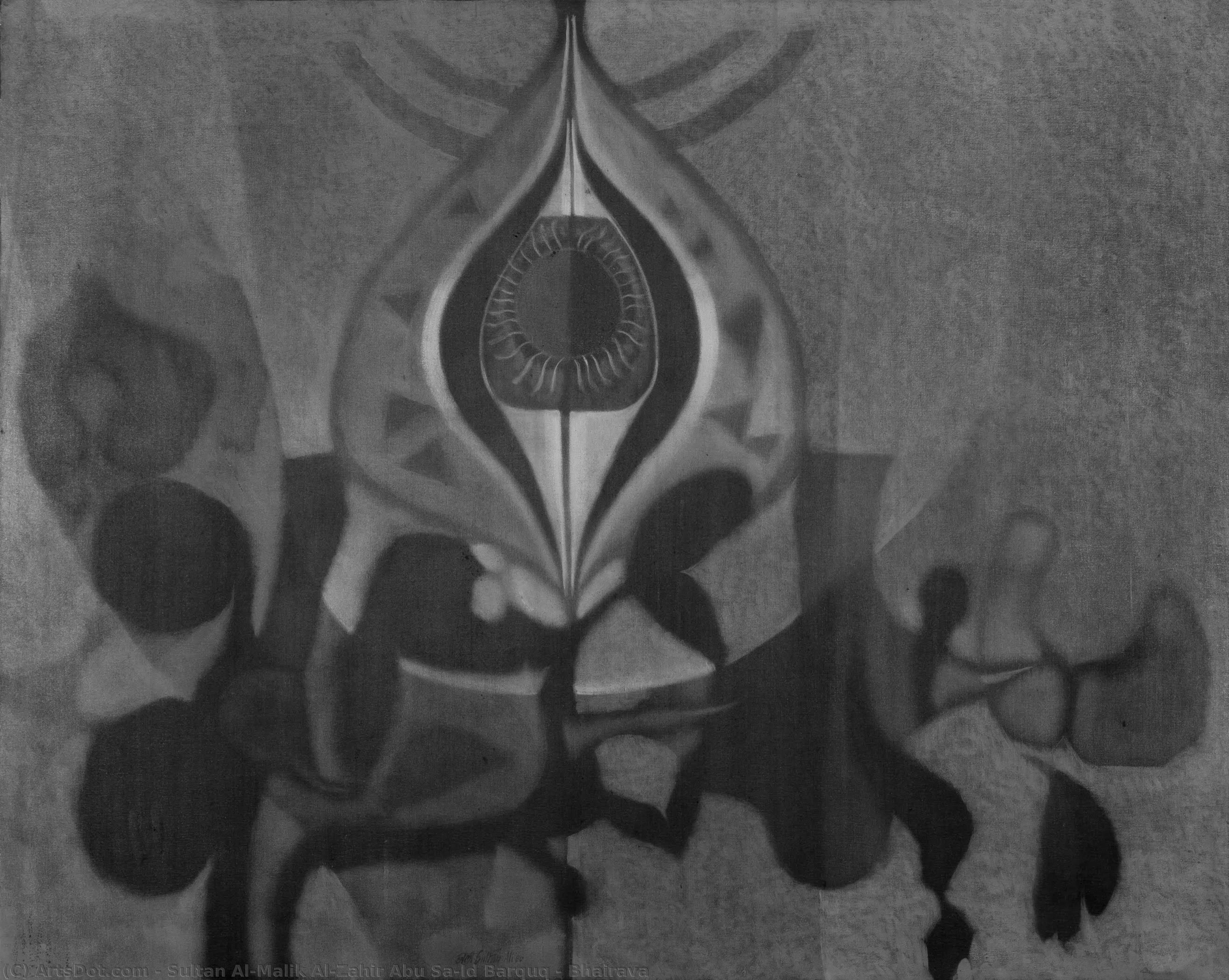
Bhairava
 1980
1980 101.0 x 126.0 cm
 Cholamandal Artists' Village
 Читать далее
Приобретите цифровое изображение высокого разрешения в улучшенном качестве, которое значительно превосходит онлайн-превью.
Каждый файл тщательно подготавливается нашими специалистами с использованием передовых инструментов и экспертной ручной ретуши. Мы гарантируем исключительную четкость, точную цветопередачу и детальную проработку каждого изображения.
Финальный файл доставляется по электронной почте в течение 72 часов и оптимизирован для немедленного использования в профессиональной среде, при верстке и печати. Это тот же уровень качества, которому доверяют ведущие дизайнерские студии, издательства и галереи.
Цифровое изображение
Скачайте файл высокого разрешения для личного использования, печати и творческих проектов. ( Перейти к печати Купить картину ручной работы)
Включено в каждый заказ цифровых изображений
Гарантия экспертной цифровой доставки
Выбирая ArtsDot.com, вы получаете не просто изображение — вы приобретаете профессионально обработанное цифровое произведение искусства, созданное с безупречной точностью и под защитой гарантии качества. Вот всё, что автоматически входит в ваш заказ:

Мгновенная доставка по e-mail
Ваш цифровой файл в высоком разрешении будет отправлен вам по электронной почте в течение 72 часов после оформления заказа — и сразу станет доступен для использования.

Цифровой файл с ИИ-улучшением
Ваше произведение искусства проходит профессиональную оптимизацию с использованием передовых инструментов ИИ и ручной обработки, что гарантирует максимальную детализацию, четкость и точность цветопередачи.

Бессрочная бесплатная повторная доставка
Случайно удалили или потеряли файл? Не беспокойтесь — мы отправим его вам повторно в любое время и совершенно бесплатно.

Без импортных пошлин — навсегда
Наслаждайтесь вашим произведением искусства мгновенно без таможенных пошлин, сборов или затрат на доставку — цифровые загрузки всегда не облагаются налогом.

Гарантия точности цветопередачи
Мы гарантируем, что ваше цифровое изображение максимально точно передает оригинальные цвета благодаря использованию профессиональных инструментов и систем управления цветом.

Гарантия удовлетворенности 100 дней
Если вы не будете удовлетворены своим цифровым изображением, мы внесем правки или вернем 100% стоимости в течение 100 дней — без лишних вопросов.

100% Гарантия возврата средств
Не удовлетворены покупкой? Получите полный возврат средств в течение 100 дней после получения цифрового файла — без лишних вопросов.

Скидки на оптовые заказы
Купите 3 изображения, сэкономьте 10% — Купите 5, сэкономьте 15% — Купите 10+, сэкономьте 20%. Отличное решение для творческих проектов, галерей и агентств.
Похожие произведения







Биография художника
The Reign and Legacy of Sultan Al-Malik Al-Zahir Abu Sa’id Barquq
Sultan Al-Malik Al-Zahir Abu Sa’id Barquq, a name resonating through the annals of Mamluk Egypt, stands as a pivotal figure in the 14th-century Islamic world. Born in Cairo in 1339, his ascent to power marked not merely a change in leadership but a transition into the Burji period—a new era defined by Circassian dominance within the Mamluk Sultanate. Barquq’s reign, spanning from 1382 to 1399, was characterized by both internal strife and ambitious endeavors aimed at restoring Egypt's prominence after periods of instability. He wasn’t simply a ruler; he was a patron of the arts, an architect of economic policy, and a symbol of a dynasty seeking to solidify its control amidst complex political currents.Early Life and Rise to Power
The early life of Barquq remains somewhat shrouded in historical detail, typical for figures within the Mamluk elite whose power was often built on military prowess and strategic alliances rather than documented lineage. What is known is that he originated from a Circassian background, a region increasingly supplying mamluks—slave soldiers—to Egypt’s armies. His rise through the ranks wasn't immediate; it involved navigating the intricate web of Mamluk politics, demonstrating loyalty, and accumulating influence within the military establishment. The overthrow of Sultan al-Mansur Yasbak in 1390 provided Barquq with the opportunity to seize power, initiating a period where his authority was frequently challenged but ultimately maintained through skillful maneuvering and decisive action. His initial ascension wasn’t without opposition; he faced multiple depositions and reinstatements, highlighting the volatile nature of Mamluk rule and the constant struggle for control among powerful factions.Architectural Patronage and Urban Development
Barquq's legacy is indelibly etched upon the cityscape of Cairo. He was a prolific builder, commissioning numerous mosques, madrasas (Islamic schools), caravanserais, and public works that not only served religious and practical purposes but also functioned as potent symbols of his authority and piety. The most iconic testament to his patronage is undoubtedly the Mosque of Barquq, located in the al-Nahhasin quarter of Cairo. This architectural masterpiece showcases a blend of Mamluk styles, incorporating intricate stonework, elaborate mosaics, and a towering minaret that dominated the skyline. Beyond its aesthetic beauty, the mosque served as a focal point for religious life and a center for disseminating knowledge. He also commissioned the construction of Khan al-Qadi, a caravanserai designed to facilitate trade and commerce within the city. These projects weren’t merely acts of philanthropy; they were strategic investments aimed at bolstering his image, attracting support from various segments of society, and revitalizing Cairo as a major center of Islamic culture. The Barquq Castle, also known as Khan Younis, stands as another example of his commitment to infrastructure development, serving as a fortified caravanserai along the vital trade route between Cairo and Damascus.Economic Policies and Financial Reforms
The 14th century was a period of economic hardship for Egypt, marked by plagues, famines, and declining revenues. Barquq recognized the urgent need for financial reforms to stabilize the state and restore its prosperity. He implemented several policies aimed at replenishing the treasury, most notably through monopolization of trade with Europe. By controlling key commodities and establishing a system of regulated commerce, he sought to maximize revenue generation and curb corruption. However, these measures weren’t without their drawbacks; they often led to resentment among merchants and contributed to social unrest. He also initiated tax expeditions into the countryside, aiming to collect unpaid dues and increase agricultural output. While these efforts yielded some positive results in the short term, they also placed a burden on the rural population and fueled tensions between the central government and local communities. His economic policies were a complex balancing act—attempting to address immediate financial needs while navigating the delicate social and political landscape of his empire.Historical Significance and Lasting Impact
Sultan Al-Malik Al-Zahir Abu Sa’id Barquq's reign represents a turning point in Mamluk history, ushering in the Burji period and shaping the trajectory of Egypt for decades to come. His patronage of the arts left an enduring mark on Cairo’s architectural landscape, with his mosques and madrasas continuing to inspire awe and admiration centuries later. His efforts to revitalize the economy, though imperfect, demonstrated a commitment to restoring Egypt's prosperity. More importantly, Barquq successfully navigated a period of intense political instability, consolidating the power of the Burji dynasty and establishing a foundation for future rulers. He is remembered not only as a powerful sultan but also as a shrewd administrator, a dedicated patron of culture, and a symbol of resilience in the face of adversity. His legacy extends beyond his architectural achievements; it lies in his ability to adapt to changing circumstances, maintain control amidst chaos, and leave an indelible imprint on the cultural and political fabric of Egypt. The city of Khan Yunis itself stands as a lasting testament to his influence, named after the fortress he commissioned—a reminder of his enduring presence in the historical landscape of the Middle East.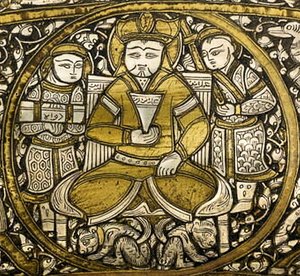
Sultan Al-Malik Al-Zahir Abu Sa’Id Barquq
1339 - 1399 , Egypt
Основные сведения
- Artistic Movement Or Style: Islamic Art
- Date Of Birth: 1339
- Date Of Death: 1399
- Full Name: Sultan Al-Malik Al-Zahir Abu Sa’Id Barquq
- Nationality: Egyptian
- Notable Artworks: ['Mosque of Barquq']
- Place Of Birth: Cairo, Egypt