

 Предпросмотр
 Поделиться
 Поделиться
 Детали произведения

 Скачать
 Похожие работы
 Рентгенография
 Слайд-шоу
 Статистика
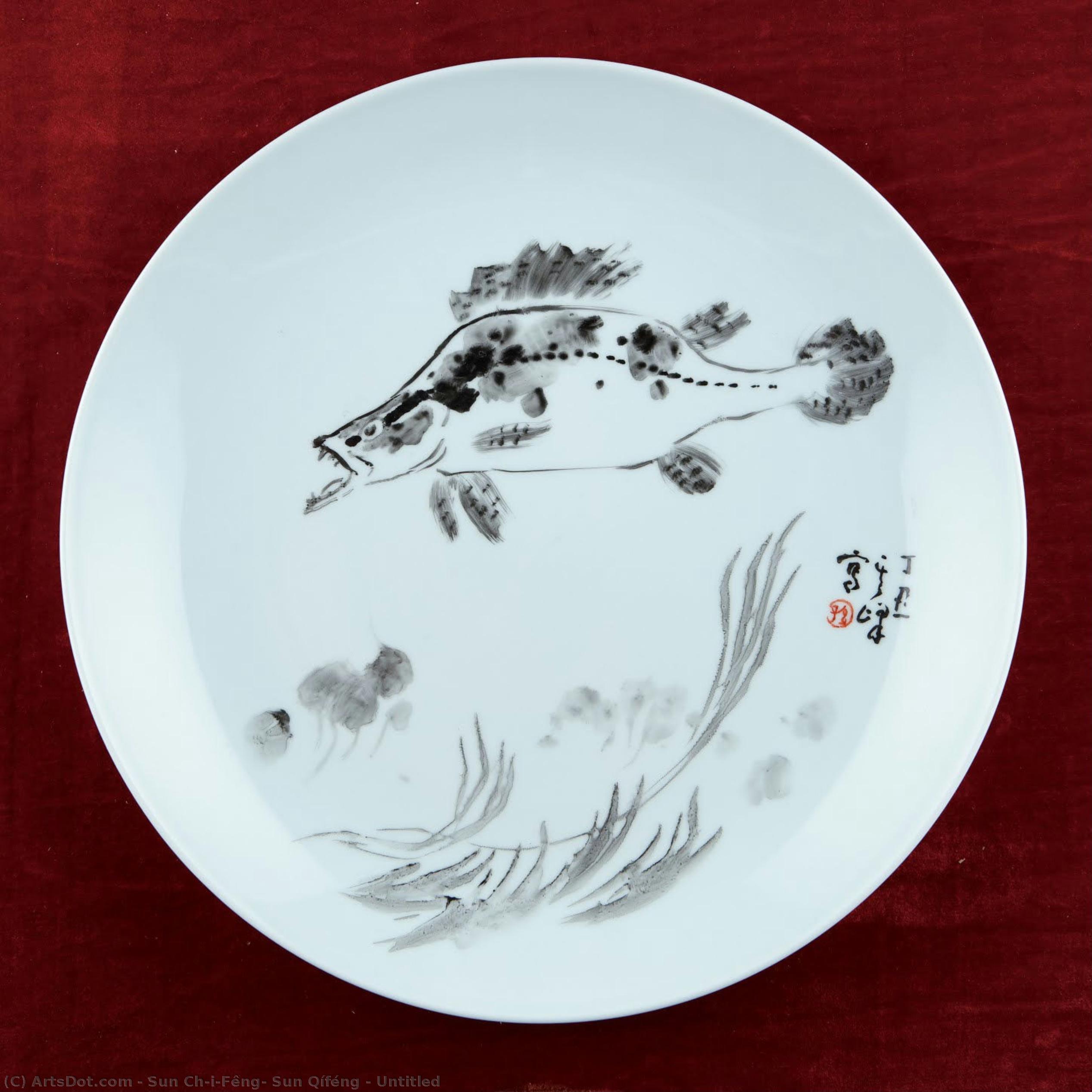
Untitled

 Читать далее
Жикле / Арт-принт
Печать (жикле) или холст музейного качества с быстрыми сроками изготовления и широким выбором вариантов отделки. ( Купить картину ручной работы Перейти к цифровым изображениям)




































Выберите один из наших стандартных размеров, соответствующих оригинальным пропорциям произведения искусства.

Вы можете указать свои собственные размеры, чтобы репродукция идеально подошла под конкретную раму или пространство. Если выбранный вами размер не будет соответствовать пропорциям оригинала, мы либо обрежем произведение, либо дополним изображение зеркальным отражением краев или однотонной заливкой. Перед началом производства вам будет отправлен цифровой макет для утверждения.
Пожалуйста, обратите внимание, что предварительный просмотр на экране не отображает фактическую обрезку или расширение изображения. Только макет точно покажет финальную композицию.
Несмотря на возможность заказа индивидуальных размеров, мы рекомендуем выбирать размер из предопределенного списка, чтобы сохранить оригинальные пропорции.
Доставка по всему миру () за 2 недели вместо стандартных 4/5 недель. (12 Сентябрь)

Бесплатная экспресс-доставка по всему миру

Высококачественный льняной холст

Полное страхование доставки

Гарантия возмещения таможенных пошлин

Гарантия точного соответствия цветов

100-дневная политика возврата (только при обнаружении дефектов)

Гарантия возврата 100% средств

Предложение оптовых скидок
 Вариант со стеклом доступен только для размеров менее 110 см

Untitled
Жикле / Арт-принт
Размер репродукции
-


Итоговая стоимость
$ 62
Похожие произведения







Биография художника
The Scholar’s Ink: The Life and Legacy of Sun Qifeng
Sun Qifeng (1583–1675) remains one of the most profound figures of the Ming Dynasty, a man whose life was a masterclass in the delicate balance between scholarly devotion and the turbulent currents of imperial politics. Born in Rongcheng County, Zhili Province, his early years were marked by an intellect so sharp it allowed him to pass the imperial examination for xiucai at the tender age of thirteen. By 1600, he had achieved the prestigious rank of juren, yet the glittering promise of a bureaucratic career was met with a deep-seated disillusionment. As the Ming court became increasingly clouded by the shadows of eunuch dominion and political corruption, Sun chose a path far rarer than that of the ambitious official: he chose the quiet dignity of retirement and the rigorous pursuit of intellectual independence. This retreat from the halls of power was not a withdrawal from the world, but rather a deeper immersion into the spiritual and ethical foundations of Chinese civilization. His life became a testament to the Confucian ideal of the junzi—the exemplary person who maintains integrity regardless of external chaos. While he famously declined repeated invitations to serve under both the Ming and Qing Emperors, his engagement with society remained vital. In 1636, demonstrating a courage that matched his scholarly discipline, he participated in the successful defense of Rongcheng against the forces of Li Zicheng, proving that his commitment to his homeland was as steadfast as his devotion to ancient texts.A Symphony of Brush and Virtue
The artistry of Sun Qifeng was inseparable from his philosophical convictions. For him, the medium of sumi-e (ink wash painting) was not merely a decorative pursuit but a conduit for ethical reflection and moral clarity. His technique was characterized by a meticulous approach to the brush, where every stroke served as an extension of his scholarly rigor. Unlike many contemporaries who sought to capture the mere surface beauty of landscapes, Sun’s work aimed to evoke the underlying essence of nature, mirroring the structural harmony he found in Confucian ethics. His artistic development was deeply influenced by the Four Books, and his mastery of ink allowed him to translate complex philosophical concepts into visual poetry. Through the subtle gradations of black and grey, he explored themes of resilience, simplicity, and the enduring strength of the natural order. This connection between the brush and the soul ensured that his paintings were never just images, but meditations on the very virtues he spent his life defending.Historical Significance and Enduring Influence
The historical weight of Sun Qifeng’s contributions extends far beyond the boundaries of the Ming Dynasty. As a master of Confucian ethics, his writings on the Four Books and his biographical accounts of eleven famous Confucians became foundational texts for future generations. His influence was so profound that in the 19th century, the prominent reformer Zhang Zhidong recommended his works to students as essential guides for moral development. His later years, spent teaching at a college near Suzhou, allowed him to cultivate a legacy of wisdom that bridged the transition between eras. Even long after his passing, his admission into the Confucian Temple in 1828 served as a formal recognition of his status as a pillar of Chinese intellectual life. Today, Sun Qifeng is remembered not only as an artist of exceptional skill but as a symbol of unwavering principle—a scholar whose ink left an indelible mark on the cultural and moral landscape of China.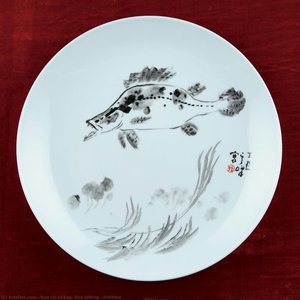
sun ch'i-fêng, sun qíféng
1583 - 1675 , China
Основные сведения
- Artistic Movement Or Style: Confucian Ethics
- Artists Or Movements Influenced By This Artist: ['Zhang Zhidong']
- Artists Who Influenced This Artist:
- Xu BeiHong
- Qin ZhongWen
- Date Of Birth: 1583
- Full Name: Sun Qifeng
- Nationality: Chinese
- Notable Artworks: ['Untitled']
- Place Of Birth: Rongcheng County, China