 Предпросмотр
 Поделиться
 Поделиться
 Детали произведения

 Скачать
 Похожие работы
 Рентгенография
 Слайд-шоу
 Статистика
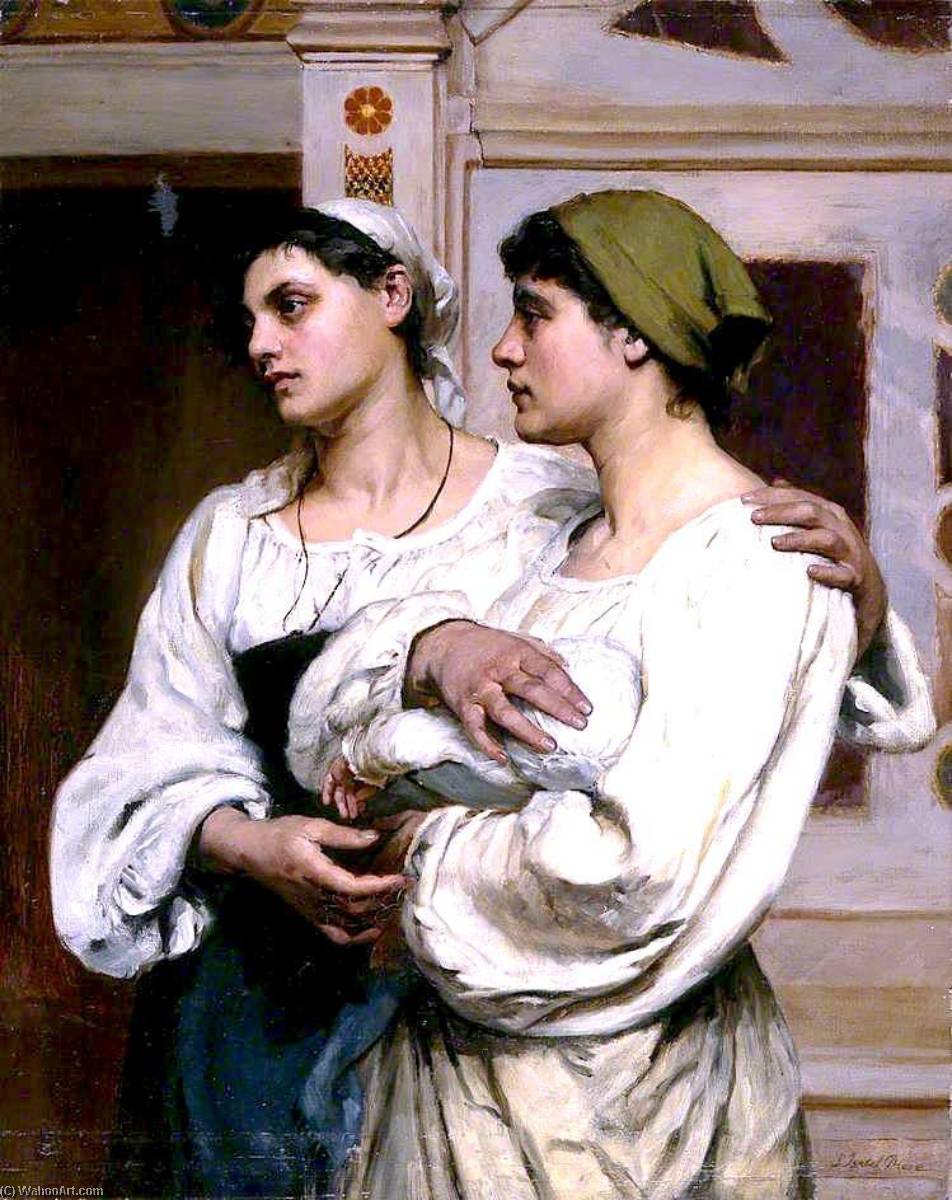
Italian Women in Church
 Oil On Canvas
- WallArt
- Academic Realism
 76.0 x 61.0 cm
 Manchester Art Gallery
 Читать далее
Масляная репродукция ручной работы
Картина маслом на холсте в выбранном вами размере и раме, написанная на заказ нашими художниками. ( Перейти к печати Перейти к цифровым изображениям)




P118B $10

P118H $10

P118W $10

P438Z $10

P508JH $12

P508YH $12

P805H $10

P805Z $10

P919BZ $10

P919G $10

P919XJ $10

P959ZH $10

P968JZ $12

W106C $8

W218G $10

W218JH $8

W218Y $10

W307PJ $10

W316G $10

W316PJ $8

W316Y $10

W398PJ $8

W4111J $10

W500HY $15

W500JH $15

W692G $12

W849H $8

W940BG $15

W953PJ $8




Выберите один из наших стандартных размеров, соответствующих оригинальным пропорциям произведения искусства.

Вы можете указать собственные размеры, чтобы картина идеально вписалась в выбранную раму или пространство. Если выбранный вами размер не соответствует пропорциям оригинала, мы либо обрежем полотно, либо расширим его за счет дополнительных элементов, написанных вручную. Цифровой макет будет отправлен вам на утверждение перед началом производства.
Обратите внимание, что предварительный просмотр на экране не отражает фактическую обрезку или расширение. Только макет точно покажет окончательную композицию.
Хотя доступны индивидуальные размеры, мы рекомендуем выбирать вариант из предопределенного списка, чтобы сохранить исходные пропорции.
После оформления заказа команда ArtsDot.com свяжется с клиентом по электронной почте для уточнения деталей и предоставит предварительный макет
Доставка по всему миру () за 3–4 недели вместо стандартных 5 недель. (12 Сентябрь). Без компромиссов в качестве.

Бесплатная экспресс-доставка по всему миру

Высококачественный льняной холст

Полное страхование доставки

Гарантия возмещения таможенных пошлин

Гарантия точного соответствия цветов

100-дневная политика возврата (только при обнаружении дефектов)

Гарантия возврата 100% средств

Предложение оптовых скидок
 Вариант со стеклом доступен только для размеров менее 110 см

Italian Women in Church
Техника репродукции
Размер репродукции
-


Итоговая стоимость
$ 288
A Moment of Quiet Contemplation: Unveiling Susan Isabel Dacre’s “Italian Women in Church”
Susan Isabel Dacre's "Italian Women in Church," a captivating oil painting from the late 19th century, isn’t merely a depiction of two women within a church interior; it’s a carefully constructed tableau brimming with subtle symbolism and reflecting the evolving social landscape of Victorian Britain. Painted by a remarkably resilient artist navigating both artistic circles and personal challenges, Dacre masterfully captures an atmosphere of quiet contemplation and understated grace. The work immediately draws the viewer in with its muted palette – predominantly creams, beiges, and soft blues and greens – creating a sense of serene stillness that belies the complexities of the scene.
Dacre’s academic realism is evident in her meticulous attention to detail. The figures are rendered with an almost sculptural quality, their forms defined by smooth lines and carefully observed drapery. The architectural background, hinting at a classical or Renaissance setting – perhaps inspired by Dacre's travels in Italy – adds depth and reinforces the painting’s sense of timelessness. Notice particularly the delicate floral motif adorning the panels, a common decorative element during that period, suggesting an appreciation for beauty and refinement.
The Artist: Susan Isabel Dacre - A Pioneer of Victorian Art
Born in Leamington Spa, England, in 1844, Susan Isabel Dacre’s life was one marked by both artistic dedication and personal fortitude. Her early years were shaped by convent schooling and governess positions, experiences that instilled within her a keen awareness of the world beyond her immediate surroundings. Notably, she witnessed the tumultuous events of the Franco-Prussian War during a period spent in Paris – an experience undoubtedly shaping her perspective on social upheaval and human resilience. Dacre’s artistic journey was not without its challenges; she faced societal constraints imposed upon women artists at the time, yet persevered through sheer determination and talent.
Dacre's membership in the Manchester Society of Women Artists, founded in 1876, represents a significant step forward for female artists seeking recognition. Her involvement with this organization highlights her commitment to challenging traditional artistic boundaries and advocating for greater opportunities within the art world. Furthermore, her association with Annie Swynnerton, another pioneering artist, underscores the importance of female collaboration and mutual support in navigating the complexities of Victorian society.
Symbolism and Context: Echoes of Sisterhood and Victorian Values
The painting’s subject matter – two young women standing side-by-side within a church – carries layers of symbolic meaning. In Victorian England, the church represented not just religious devotion but also social order and moral values. The scene subtly suggests themes of sisterhood, domesticity, and perhaps even a touch of melancholy or introspection. The women’s posture—one gazing slightly downward, the other with a more contemplative expression—hints at private thoughts and shared experiences.
Considering Dacre's own life and the broader historical context, "Italian Women in Church" can be interpreted as a reflection on the evolving role of women within society. The painting subtly challenges traditional gender roles while simultaneously embracing Victorian ideals of piety and domesticity. The choice of an Italian setting—a place often associated with beauty, art, and cultural refinement—further enhances the work’s evocative power.
A Legacy in Reproduction: Bringing Dacre's Vision to Life
ArtsDot.com is proud to offer meticulously crafted hand-painted reproductions of Susan Isabel Dacre’s “Italian Women in Church.” Each reproduction captures the essence of the original painting – its delicate color palette, meticulous detail, and profound sense of atmosphere – ensuring that this remarkable work of art continues to inspire and captivate for generations to come. Whether adorning a private residence or gracing a corporate space, Dacre’s masterpiece offers a timeless reminder of beauty, contemplation, and the enduring power of human connection.
Похожие произведения
Биография художника
A Life Painted in Resilience: The Story of Susan Isabel Dacre
Susan Isabel Dacre, born in 1844 amidst the vibrant and rapidly changing landscape of Victorian Britain, was an artist whose life transcended the limitations imposed upon women of her era. More than simply a painter, she embodied a quiet revolution – a testament to resilience, artistic dedication, and a profound commitment to social justice. Her journey, spanning nearly nine decades into the early 20th century, mirrored the shifting currents of artistic expression while simultaneously challenging the restrictive societal expectations placed upon women artists. Born in Leamington Spa, a town renowned for its elegant Regency architecture and thriving cultural scene, Dacre’s formative years were marked by both privilege and hardship, experiences that would profoundly shape her artistic vision.Early Years and Artistic Beginnings
Dacre's early life was characterized by a blend of formal education and practical experience. She received instruction at a convent school in Salford, an institution common for girls of the time, but it wasn’t until she moved to Manchester with her widowed mother that her artistic path truly began to unfold. Her mother, a shrewd businesswoman who ran the Stamford Arms hotel – a bustling hub of social activity and a vital stop on the coaching routes connecting London and the North – provided a more stable and stimulating environment. This exposure to a diverse clientele, including prominent figures from across England, ignited Dacre’s curiosity about the world beyond her immediate surroundings. Crucially, it was during this period that she began to experiment with drawing, initially as a pastime but quickly revealing a remarkable talent. A pivotal moment occurred when she attempted to replicate a painting by Jean-Baptiste de la Croix, known as De Heem – a master of Dutch still life. Her remarkably accurate copy caught the attention of her mother’s friend, Anthony Trollope, the celebrated novelist, who encouraged her to pursue art seriously. This early recognition served as a catalyst, solidifying Dacre's determination to dedicate herself to painting.Artistic Development and Influences
Upon returning to England in 1871, Dacre enrolled at the Manchester School of Art, where she quickly established herself as a gifted student. She won the prestigious Queen’s Prize in 1875 – a significant achievement for a woman artist at that time – which propelled her career forward. Her style evolved from meticulous realism, reminiscent of much Victorian art, towards a more nuanced and emotionally resonant approach. While pinpointing specific artistic influences is challenging due to limited documentation, there's evidence suggesting an openness to the burgeoning Impressionistic movement. The influence of Lord Leighton, a prominent Pre-Raphaelite painter known for his atmospheric landscapes and elegant portraits, is also noteworthy. During a visit to Capri, he provided valuable observations on painting techniques and composition, demonstrating a willingness from established male artists to mentor emerging female talent. Dacre’s portraits, however, remained central to her practice; she possessed a remarkable ability to capture the character and individuality of her subjects with sensitivity and insight. Her landscapes, too, were imbued with a quiet beauty, reflecting an appreciation for the natural world.Themes and Notable Works
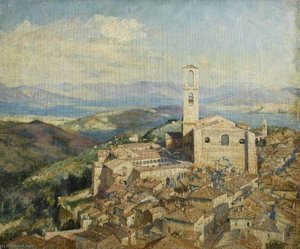
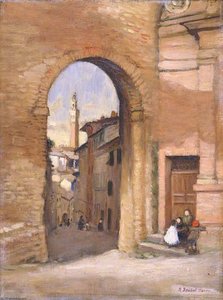
Dacre's oeuvre is remarkably diverse, encompassing evocative landscapes, intimate genre scenes, and compelling portraits. Italian Women in Church, painted during her time in Italy, exemplifies her ability to capture emotional resonance through subtle gestures and atmospheric composition – a testament to the experiences she gained during her formative years abroad. Her fascination with Italy continued throughout her career, as evidenced by works like Assisi from Perugia and Assisi from the City Walls, where she masterfully conveys the beauty and tranquility of the Italian countryside using soft brushstrokes and muted tones. These landscapes aren’t merely depictions of scenery; they are imbued with a sense of peace and contemplation. Perhaps one of her most tender pieces, The Artist’s Mother, showcases her skill in portraying familial bonds with remarkable sensitivity and grace – a reflection of the close relationship she shared with her own mother. Recurring themes throughout her work include a celebration of female strength and individuality – often evident in her portraits – alongside an enduring appreciation for the beauty of nature and glimpses into everyday Victorian life. These weren’t merely aesthetic choices; they were reflections of her own values and beliefs, subtly challenging conventional representations of women and society.A Champion of Women Artists and Suffrage
Beyond her artistic achievements, Susan Isabel Dacre was a passionate advocate for women's rights and opportunities within the art world. In 1876, alongside Annie Louise Swynnerton, she co-founded the Manchester Society of Women Artists – a crucial step towards creating a supportive community for female artists who faced significant barriers to recognition and professional advancement. This society provided a platform for women to exhibit their work, network with peers, and challenge the prevailing patriarchal structures within the art establishment. Dacre served as president of this vital organization for many years, demonstrating her leadership and unwavering commitment to fostering inclusivity. Furthermore, she was an active member of the Manchester National Society for Women's Suffrage, tirelessly campaigning for women’s right to vote – a cause that resonated deeply with her belief in social justice and equality. Her dedication extended beyond mere advocacy; she actively participated in suffrage meetings and demonstrations, embodying the spirit of rebellion against societal constraints.Legacy and Historical Significance
Susan Isabel Dacre passed away in 1933, leaving behind a rich legacy as both an artist and an activist. Her paintings – characterized by their emotional depth, technical skill, and subtle social commentary – continue to be admired for their beauty and historical significance. More importantly, she served as an inspiration to future generations of women artists, demonstrating that it was possible to pursue a creative career while simultaneously challenging societal norms and advocating for social change. Dacre’s life stands as a powerful reminder of the importance of perseverance, artistic vision, and the courage to fight for what one believes in. She wasn't simply a painter; she was a pioneer who helped shape a more inclusive and equitable future for women artists – ensuring that their voices would be heard and their talents celebrated long after her passing.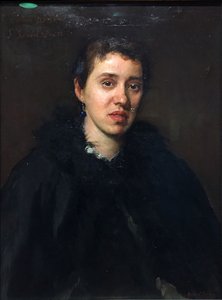
Сузанна Изабель Дакер
1844 - 1933 , Великобритания
Основные сведения
- Artistic Movement Or Style: Реализм, романтизм
- Date Of Birth: 1844
- Full Name: Susan Isabel Dacre
- Nationality: Британка
- Notable Artworks:
- Итальянские женщины в церкви
- Вид из Ассизи
- Мать художника
- Place Of Birth: Леамтинген Спей, Великобритания
Похожие статьи
Timeless Elegance: The Ultimate Buyer's Guide to Choosing Classical Portraits for Sophisticated Interiors
Discover how to select the perfect classical portrait for your home. Our expert guide explores matching art styles to interiors, choosing between hand-painted oils and Giclée prints, and transforming personal photos into timeless masterpieces with professional artistry.
10 Шедевров Неоклассицизма: Искусство, Определившее Эпоху | ArtsDot
Погрузитесь в мир неоклассицизма! 10 шедевров от Давида, Канновы и других великих художников. Узнайте историю создания культовых картин и вдохновитесь для интерьера. Репродукции музейного качества на ArtsDot.com
The Subdued Resonance: Exploring Emotional Depth & Artistic Nuance within Muted Color Palettes
Explore the captivating world of muted colors in art & design! Discover historical context, psychological effects, techniques, and inspiration for creating serene spaces. Elevate your aesthetic with ArtsDot.

The Enduring Legacy of Oil on Canvas: Technique, History & Aesthetic Impact
Explore the rich history & techniques of oil painting – from Renaissance masters to Impressionism. Discover pigments, layering methods, and why this timeless medium endures. Expert insights for artists & art enthusiasts.

Oil on Canvas: A Historical & Technical Exploration of a Timeless Artistic Medium
Explore the rich history & enduring techniques of oil painting on canvas. Discover the science behind its longevity, conservation practices, and contemporary relevance. Expert insights for art enthusiasts.