

 Предпросмотр
 Поделиться
 Поделиться
 Детали произведения

 Скачать
 Похожие работы
 Рентгенография
 Слайд-шоу
 Статистика
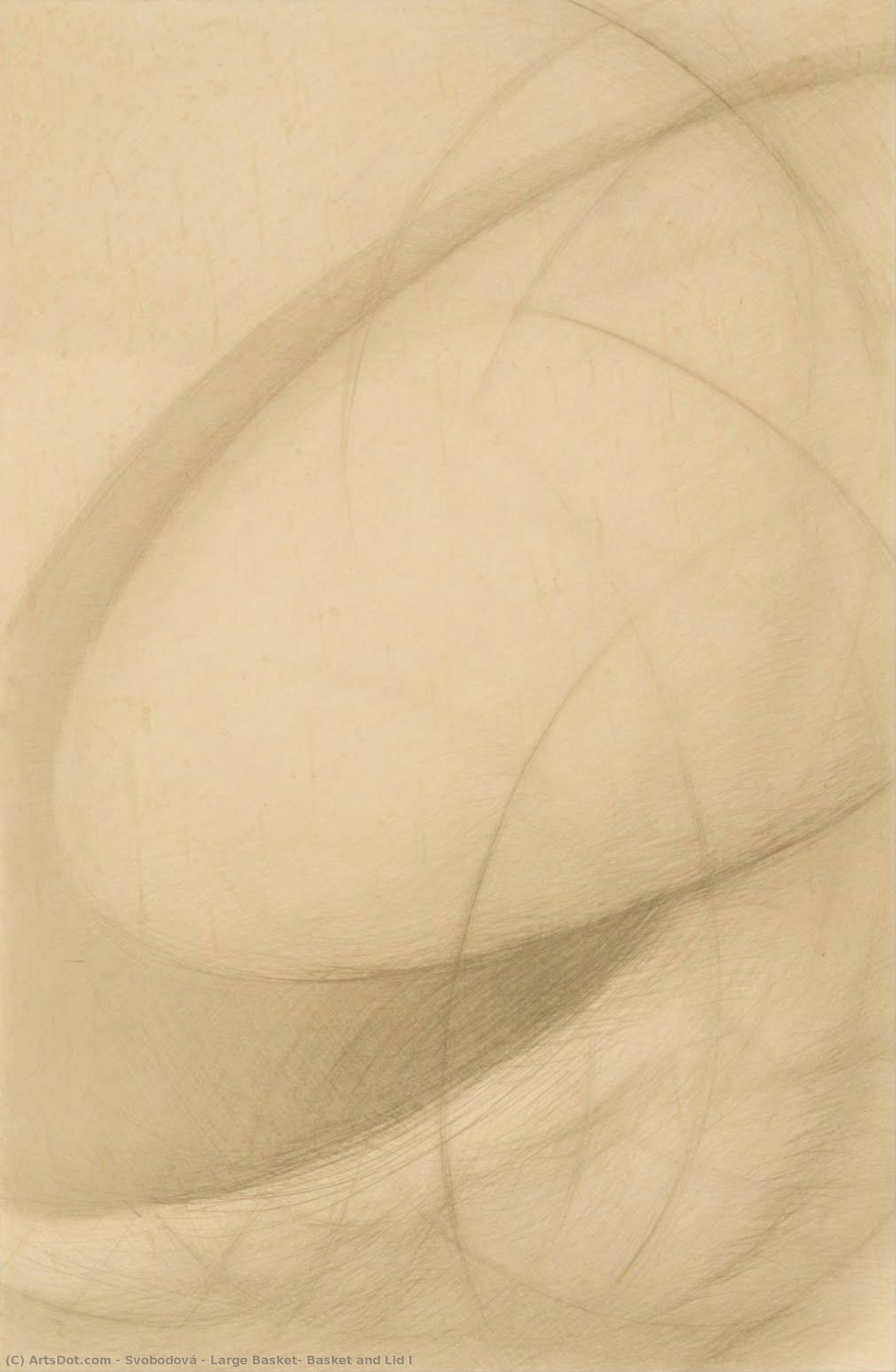
Large Basket, Basket and Lid I
 Drawing
- WallArt
- Abstract Art
 1994
1994- Contemporary
 122.0 x 184.0 cm
 Museum Kampa
 Читать далее
Приобретите цифровое изображение высокого разрешения в улучшенном качестве, которое значительно превосходит онлайн-превью.
Каждый файл тщательно подготавливается нашими специалистами с использованием передовых инструментов и экспертной ручной ретуши. Мы гарантируем исключительную четкость, точную цветопередачу и детальную проработку каждого изображения.
Финальный файл доставляется по электронной почте в течение 72 часов и оптимизирован для немедленного использования в профессиональной среде, при верстке и печати. Это тот же уровень качества, которому доверяют ведущие дизайнерские студии, издательства и галереи.
Цифровое изображение
Скачайте файл высокого разрешения для личного использования, печати и творческих проектов. ( Перейти к печати Купить картину ручной работы)
Включено в каждый заказ цифровых изображений
Гарантия экспертной цифровой доставки
Выбирая ArtsDot.com, вы получаете не просто изображение — вы приобретаете профессионально обработанное цифровое произведение искусства, созданное с безупречной точностью и под защитой гарантии качества. Вот всё, что автоматически входит в ваш заказ:

Мгновенная доставка по e-mail
Ваш цифровой файл в высоком разрешении будет отправлен вам по электронной почте в течение 72 часов после оформления заказа — и сразу станет доступен для использования.

Цифровой файл с ИИ-улучшением
Ваше произведение искусства проходит профессиональную оптимизацию с использованием передовых инструментов ИИ и ручной обработки, что гарантирует максимальную детализацию, четкость и точность цветопередачи.

Бессрочная бесплатная повторная доставка
Случайно удалили или потеряли файл? Не беспокойтесь — мы отправим его вам повторно в любое время и совершенно бесплатно.

Без импортных пошлин — навсегда
Наслаждайтесь вашим произведением искусства мгновенно без таможенных пошлин, сборов или затрат на доставку — цифровые загрузки всегда не облагаются налогом.

Гарантия точности цветопередачи
Мы гарантируем, что ваше цифровое изображение максимально точно передает оригинальные цвета благодаря использованию профессиональных инструментов и систем управления цветом.

Гарантия удовлетворенности 100 дней
Если вы не будете удовлетворены своим цифровым изображением, мы внесем правки или вернем 100% стоимости в течение 100 дней — без лишних вопросов.

100% Гарантия возврата средств
Не удовлетворены покупкой? Получите полный возврат средств в течение 100 дней после получения цифрового файла — без лишних вопросов.

Скидки на оптовые заказы
Купите 3 изображения, сэкономьте 10% — Купите 5, сэкономьте 15% — Купите 10+, сэкономьте 20%. Отличное решение для творческих проектов, галерей и агентств.
An Abstract Encounter with Form and Shadow
In the quiet, contemplative halls of the Museum Kampa in Prague, there exists a piece that challenges the viewer to look beyond the surface of the mundane. Large Basket, Basket and Lid I, a striking work by the artist Svobodová, invites us into a world where the boundaries between object and abstraction begin to dissolve. Created in 1994, this drawing serves as a profound meditation on structure and presence. At first glance, the eye is drawn to the central motif—a large, metallic basket topped with a lid—yet the piece refuses to remain a mere study of still life. Instead, it transforms the familiar into something enigmatic, using a monochromatic palette to explore the interplay of light, shadow, and geometric intrigue.
The composition is a masterclass in balance and tension. While the basket acts as the anchor of the work, its metallic texture and heavy presence are juxtaposed against an abstract landscape of lines and shapes that drift through the periphery. There is a rhythmic quality to the way the artist handles the space, suggesting a hidden order within what might initially appear as a collection of disparate elements. For the collector or the interior designer, this piece offers a sophisticated focal point; it possesses the rare ability to command a room without overwhelming it, providing a sense of intellectual depth and structural elegance that complements both modern minimalist settings and more eclectic, classical environments.
Technically, the work is an exploration of the power of the line. Through her meticulous approach, Svobodová utilizes the starkness of black and white to create a sense of volume and weight. The metallic sheen suggested in the drawing provides a tactile quality, making the viewer almost feel the coolness of the surface and the solidity of the object. This technique strips away the distraction of color, forcing an intimate confrontation with form itself. It is this very austerity that lends the piece its emotional resonance—a feeling of stillness, perhaps even a touch of melancholy, that lingers long after one has turned away from the canvas.
To possess a reproduction of Large Basket, Basket and Lid I is to bring a fragment of Prague’s rich contemporary art history into one's own space. It is more than a decorative element; it is an invitation to pause and reflect on the beauty found in the structural essence of our world. Whether placed in a sunlit studio or a moody, dimly lit study, this artwork serves as a testament to the enduring allure of abstraction and the profound impact of a single, well-placed shadow.
Похожие произведения
Биография художника
Robert Delaunay: A Pioneer of Color and Rhythm
Robert Delaunay, born Robert-Victor-Felix Delaunay in Paris on April 12th, 1885, was a pivotal figure in the early 20th century’s artistic landscape. His life, marked by both intellectual rigor and passionate experimentation, profoundly shaped the development of Orphism and significantly influenced subsequent movements like Cubism and Abstract Art. Delaunay's journey began not with formal training but through an apprenticeship in theatrical design – a formative experience that instilled within him a deep appreciation for composition, color, and visual harmony. This early exposure would later inform his revolutionary approach to painting, moving beyond representational forms towards a purely expressive language of color and geometric abstraction. His untimely death in October 1941, during the tumultuous years of World War II, tragically cut short a career brimming with innovation and influence.Early Influences and the Rise of Divisionism
Delaunay’s artistic development was deeply rooted in the principles of Neo-Impressionism, a movement he initially embraced in the early 1900s. He studied the work of figures like Paul Gauguin and Vincent van Gogh, absorbing their use of color to convey emotion and atmosphere. However, Delaunay quickly recognized the limitations of this approach, seeking a more radical departure from traditional representation. He began experimenting with “Divisionism,” also known as Pointillism’s successor, meticulously applying small dots of pure color onto the canvas, allowing the viewer's eye to blend them optically. This technique, championed by figures like Georges Seurat and Paul Signac, provided a foundation for his later explorations into abstraction. Crucially, Delaunay moved beyond simply replicating optical mixtures; he began to treat color as an independent entity, imbued with its own inherent power and significance – a concept that would become central to his Orphic philosophy.The Birth of Orphism: Color as the Primary Language
Around 1912, Delaunay, alongside his wife Sonia Delaunay (then Sonia Terk), began to develop what became known as Orphism – a movement characterized by its intense use of vibrant colors and geometric forms. Influenced by Apollinaire’s poetic theories about color and the concept of “Orphic rays” (representing the emanations of light), they sought to create paintings that were not merely depictions of objects but rather expressions of pure visual sensation. This involved breaking down shapes into their fundamental components – circles, squares, triangles – and arranging them in dynamic compositions that evoked a sense of rhythm and movement. Their studio became a laboratory for color experimentation, with Sonia contributing significantly through her own explorations of textile design and the creation of “orbicular” fabrics—patterns mirroring Delaunay’s paintings. The couple's work was exhibited at the Salon des Indépendants in 1912, garnering considerable attention and establishing Orphism as a distinct artistic current.Abstraction and the Influence of Color Theory
Following World War I, Delaunay continued to refine his abstract style, moving further away from any semblance of representational imagery. He became increasingly interested in color theory, drawing upon scientific research into the nature of light and perception. He believed that colors possessed inherent qualities – warmth, coolness, vibrancy, dullness – and that these qualities could be manipulated to create specific emotional effects. His later works, such as the monumental “Endless Rhythm” series (1930-1941), exemplify this approach, utilizing bold color combinations and dynamic geometric arrangements to evoke a sense of energy and movement. His writings on color were highly influential, shaping the thinking of numerous artists including Stanton Macdonald-Wright, Morgan Russell, and Paul Klee, who embraced his theories about the independent existence of color.Legacy and Historical Significance
Robert Delaunay’s contribution to modern art is undeniable. He was a key figure in bridging the gap between representational painting and pure abstraction, pioneering new ways of using color and form to express visual ideas. His work profoundly influenced the development of Cubism, Orphism, and Abstract Art, demonstrating the power of color as an independent artistic language. His legacy extends beyond his own paintings; his theories about color continue to resonate with artists today. The Watermill Center, founded by Robert Wilson (a student of Delaunay’s), stands as a testament to the artist's enduring influence, providing a space for contemporary artists to explore innovative approaches to art and design. Delaunay’s life and work serve as a vibrant reminder of the transformative potential of artistic experimentation and the profound impact of color on our perception of the world.
svobodová
1941 - 2023 , Czech Republic
Основные сведения
- Artistic Movement Or Style:
- Divisionism
- Cubism
- Orphism
- Abstract art
- Artists Or Movements Influenced By This Artist:
- Stanton Macdonald-Wright
- Morgan Russell
- Patrick Henry Bruce
- Der Blaue Reiter
- August Macke
- Franz Marc
- Paul Klee
- Thomas Benton
- Lyonel Feininger
- Artists Who Influenced This Artist:
- Neoimpressionism
- Cézanne
- Date Of Birth: April 12, 1885
- Date Of Death: October 25, 1941
- Full Name: Robert Delaunay
- Nationality: French
- Notable Artworks:
- Endless Rhythm
- Cubism
- Orphic Cubism
- Simultanism
- Place Of Birth: Paris, France