

 Предпросмотр
 Поделиться
 Поделиться
 Детали произведения

 Скачать
 Похожие работы
 Рентгенография
 Слайд-шоу
 Статистика
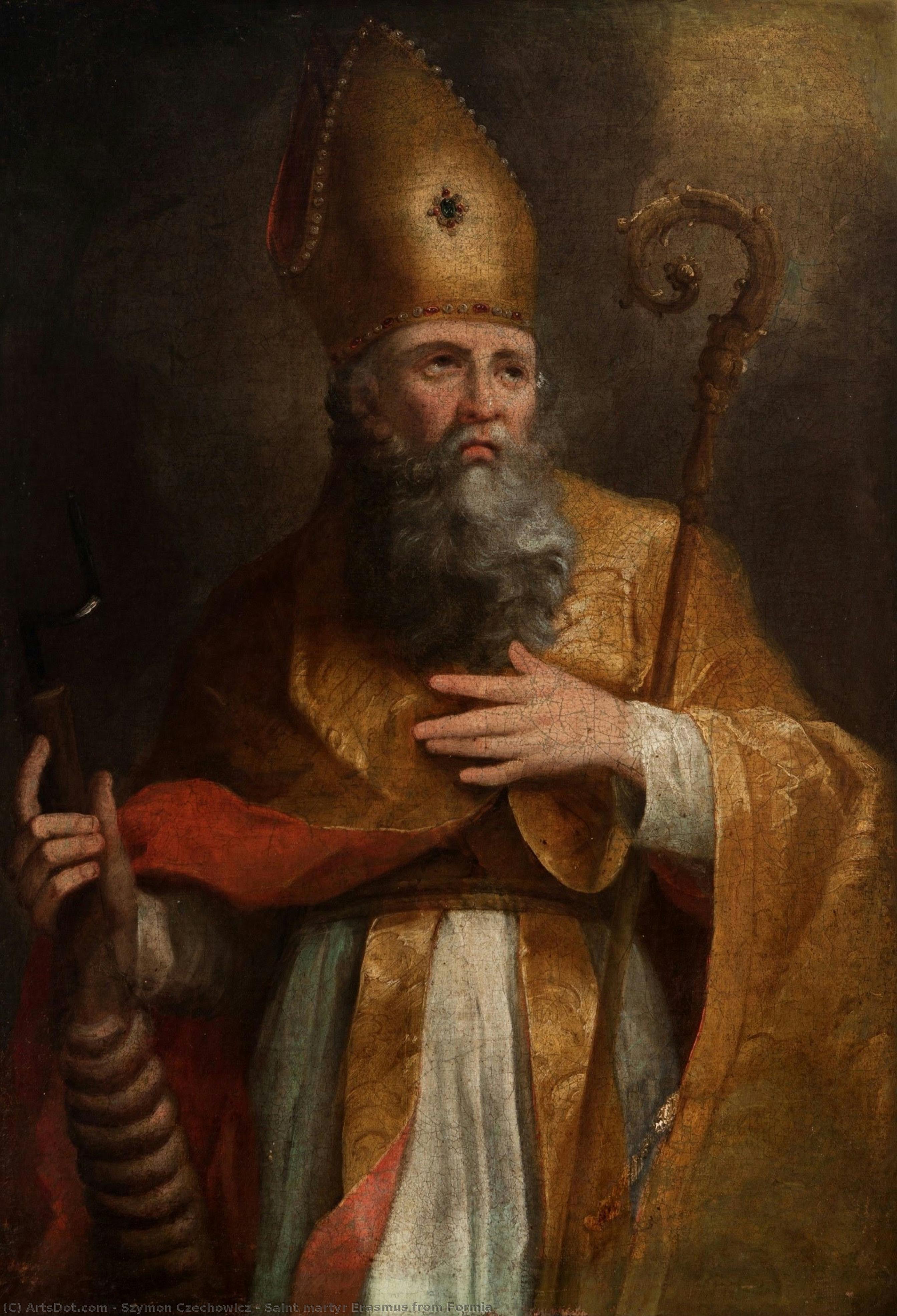
Saint martyr Erasmus from Formia
 Baroque
 1700
1700 79.0 x 55.0 cm
 Lithuanian Art Fund
 Читать далее
Приобретите цифровое изображение высокого разрешения в улучшенном качестве, которое значительно превосходит онлайн-превью.
Каждый файл тщательно подготавливается нашими специалистами с использованием передовых инструментов и экспертной ручной ретуши. Мы гарантируем исключительную четкость, точную цветопередачу и детальную проработку каждого изображения.
Финальный файл доставляется по электронной почте в течение 72 часов и оптимизирован для немедленного использования в профессиональной среде, при верстке и печати. Это тот же уровень качества, которому доверяют ведущие дизайнерские студии, издательства и галереи.
Цифровое изображение
Скачайте файл высокого разрешения для личного использования, печати и творческих проектов. ( Перейти к печати Купить картину ручной работы)
Включено в каждый заказ цифровых изображений
Гарантия экспертной цифровой доставки
Выбирая ArtsDot.com, вы получаете не просто изображение — вы приобретаете профессионально обработанное цифровое произведение искусства, созданное с безупречной точностью и под защитой гарантии качества. Вот всё, что автоматически входит в ваш заказ:

Мгновенная доставка по e-mail
Ваш цифровой файл в высоком разрешении будет отправлен вам по электронной почте в течение 72 часов после оформления заказа — и сразу станет доступен для использования.

Цифровой файл с ИИ-улучшением
Ваше произведение искусства проходит профессиональную оптимизацию с использованием передовых инструментов ИИ и ручной обработки, что гарантирует максимальную детализацию, четкость и точность цветопередачи.

Бессрочная бесплатная повторная доставка
Случайно удалили или потеряли файл? Не беспокойтесь — мы отправим его вам повторно в любое время и совершенно бесплатно.

Без импортных пошлин — навсегда
Наслаждайтесь вашим произведением искусства мгновенно без таможенных пошлин, сборов или затрат на доставку — цифровые загрузки всегда не облагаются налогом.

Гарантия точности цветопередачи
Мы гарантируем, что ваше цифровое изображение максимально точно передает оригинальные цвета благодаря использованию профессиональных инструментов и систем управления цветом.

Гарантия удовлетворенности 100 дней
Если вы не будете удовлетворены своим цифровым изображением, мы внесем правки или вернем 100% стоимости в течение 100 дней — без лишних вопросов.

100% Гарантия возврата средств
Не удовлетворены покупкой? Получите полный возврат средств в течение 100 дней после получения цифрового файла — без лишних вопросов.

Скидки на оптовые заказы
Купите 3 изображения, сэкономьте 10% — Купите 5, сэкономьте 15% — Купите 10+, сэкономьте 20%. Отличное решение для творческих проектов, галерей и агентств.
Похожие произведения
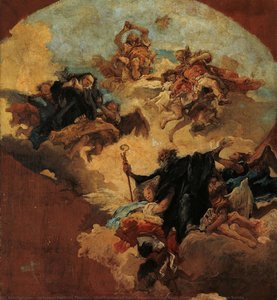
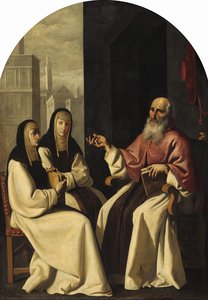
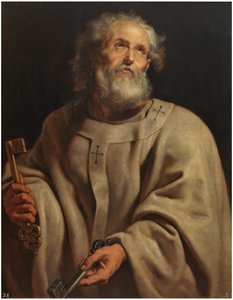
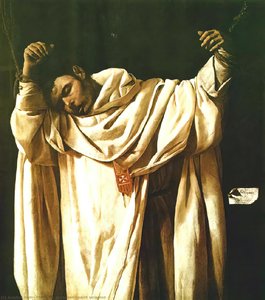
Биография художника
Szymon Czechowicz: A Master of Polish Baroque
Szymon Czechowicz (July 1689 – July 21, 1775) stands as a towering figure in the history of Polish art, particularly revered for his contributions to sacral painting during the late Baroque and early Rococo periods. Born in Kraków, Poland, into a family of goldsmiths, Czechowicz’s artistic journey began with foundational training, quickly revealing an exceptional talent that would ultimately establish him as one of the most accomplished painters of his era, leaving an indelible mark on Polish art and influencing generations of artists. His work is characterized by a profound understanding of color, meticulous detail, and a masterful command of light and shadow—elements deeply rooted in the traditions of Italian and Flemish masters, yet uniquely adapted to the sensibilities of 18th-century Poland.Early Life and Artistic Training – A Roman Apprenticeship
Czechowicz’s early life laid the groundwork for his future success. He received his initial artistic training at a young age, demonstrating an innate aptitude for painting that prompted his family to seek out the best possible instruction. Recognizing his potential, he embarked on a transformative journey to Rome around 1710, a pivotal moment in his development. There, he enrolled in the prestigious Accademia di San Luca, where he was fortunate enough to be tutored by Benedetto Luti, a renowned Roman painter known for his mastery of color and composition. This period proved crucial; it wasn’t merely about learning techniques but absorbing the very spirit of Baroque painting—the dramatic use of chiaroscuro, the rich textures, and the idealized figures that defined the style. Crucially, Czechowicz also engaged in copying works by celebrated masters like Raphael and Peter Paul Rubens, honing his skills through meticulous study and imitation. These early experiences instilled in him a deep appreciation for classical principles while simultaneously shaping his own distinctive artistic voice.Artistic Style and Influences – A Synthesis of Traditions
Czechowicz’s artistic style is a fascinating synthesis of influences—a careful balance between the traditions he studied in Rome and the specific demands of the Polish market. He was deeply indebted to Italian masters, particularly Carlo Maratta and Sebastiano Conca, whose use of color, composition, and dramatic lighting profoundly impacted his work. However, he wasn’t simply a copyist; Czechowicz skillfully adapted these influences to create a distinctly Polish style. His paintings often feature a sense of solemnity and grace, reflecting the religious sensibilities of his time while simultaneously exhibiting a subtle elegance that resonated with the tastes of the nobility. The influence of Flemish masters is also evident in his meticulous attention to detail and his use of atmospheric perspective. He was particularly adept at capturing the nuances of human emotion, imbuing his figures with a sense of psychological depth rarely seen in contemporary Polish art.Notable Works and Patronage – A Legacy of Religious Art
Czechowicz’s prolific output encompassed a wide range of subjects, but he is most celebrated for his religious paintings—altarpieces, devotional panels, and individual portraits of saints. Some of his most notable works include “Saint martyr Erasmus from Formia” (1700), a poignant depiction of the saint's martyrdom characterized by its dramatic lighting and emotional intensity; "St Margaret" (circa 1720), showcasing his ability to capture both the beauty and vulnerability of the subject; and numerous commissions for churches throughout Poland, including the magnificent “Assumption of the Virgin Mary” in the Cathedral of Kielce. He was a favored artist among the Polish nobility, receiving commissions from powerful figures such as Franciszek Maksymilian Ossoliński, Jan Aleksander Lipski, and Jan Fryderyk Sapieha. His portraits were particularly admired for their psychological insight and elegant portrayal of his subjects’ status and character. The patronage he received not only provided him with financial security but also allowed him to explore a wide range of artistic themes and techniques.Establishment of a School and Historical Significance – A Lasting Impact
Beyond his individual achievements, Szymon Czechowicz played a crucial role in the development of Polish painting by establishing his own school of art. He generously shared his knowledge and skills with aspiring artists, fostering a new generation of painters who carried on his legacy. His students included Franciszek Smuglewicz, Tadeusz Konicz, and Jan Ścisło, all of whom went on to become respected artists in their own right. Czechowicz’s influence extended far beyond his immediate circle; he helped to elevate the status of painting as a profession and contributed significantly to the development of Polish artistic standards. His work continues to be studied and admired for its technical brilliance, emotional depth, and enduring beauty. Today, his paintings are housed in museums across Poland and Europe, serving as a testament to his extraordinary talent and lasting contribution to the world of art. His legacy is not just one of beautiful paintings but also of an artist who shaped the course of Polish artistic history.Further Resources
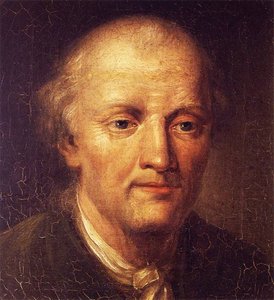
szymon czechowicz
1689 - 1775 , Poland
Основные сведения
- Artistic Movement Or Style: Baroque painting
- Artists Or Movements Influenced By This Artist:
- Italian masters
- Flemish masters
- Artists Who Influenced This Artist:
- Benedetto Luti
- Martin theophil Polak
- Date Of Birth: July 1689
- Date Of Death: 21 July 1775
- Full Name: Szymon Czechowicz
- Nationality: Polish
- Notable Artworks:
- Saint martyr Erasmus
- St Hedwig of Silesia
- Place Of Birth: Kraków, Poland