

 Предпросмотр
 Поделиться
 Поделиться
 Детали произведения

 Скачать
 Похожие работы
 Рентгенография
 Слайд-шоу
 Статистика
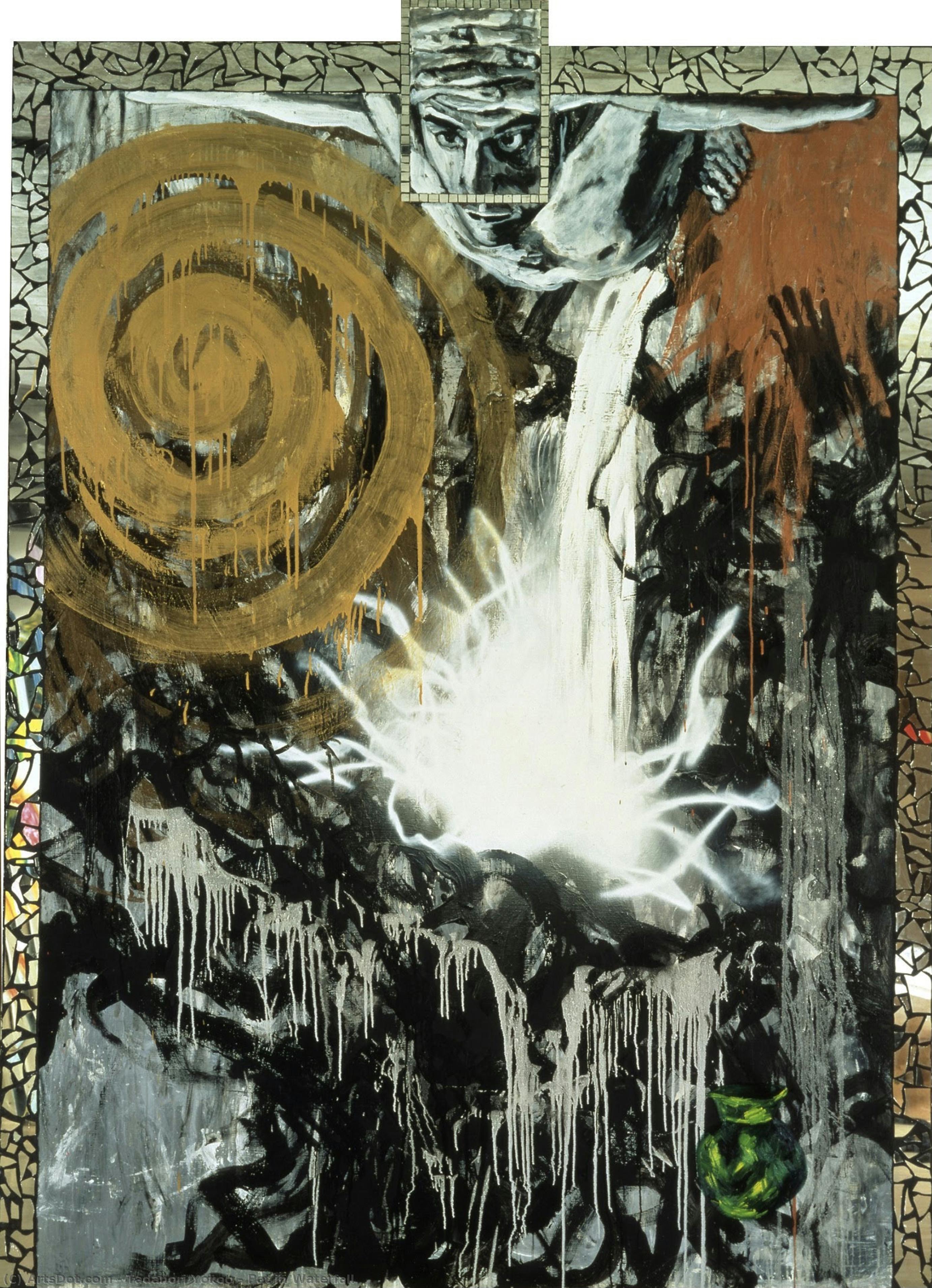
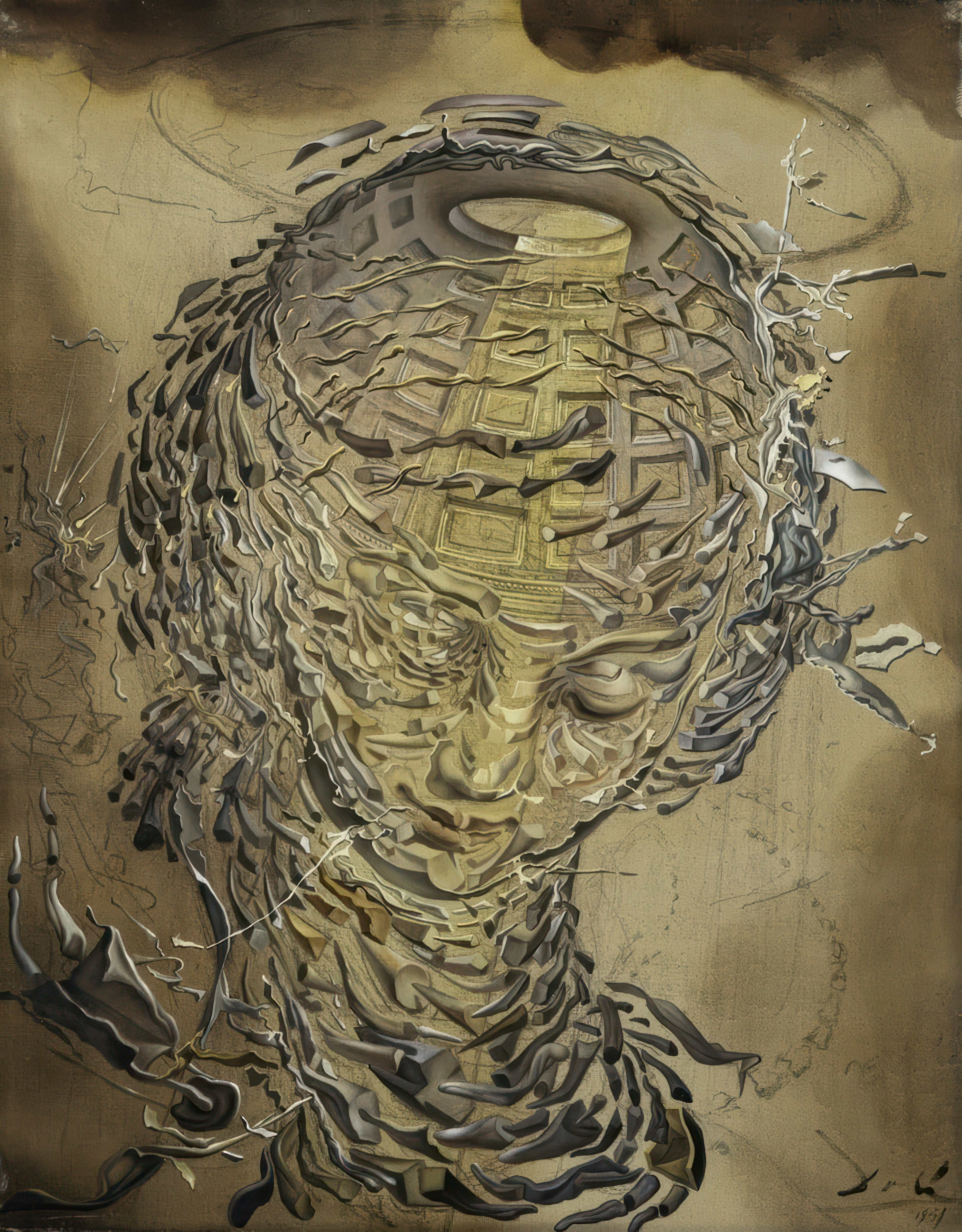
Pot in Waterfall


 Читать далее
Приобретите цифровое изображение высокого разрешения в улучшенном качестве, которое значительно превосходит онлайн-превью.
Каждый файл тщательно подготавливается нашими специалистами с использованием передовых инструментов и экспертной ручной ретуши. Мы гарантируем исключительную четкость, точную цветопередачу и детальную проработку каждого изображения.
Финальный файл доставляется по электронной почте в течение 72 часов и оптимизирован для немедленного использования в профессиональной среде, при верстке и печати. Это тот же уровень качества, которому доверяют ведущие дизайнерские студии, издательства и галереи.
Цифровое изображение
Скачайте файл высокого разрешения для личного использования, печати и творческих проектов. ( Перейти к печати Купить картину ручной работы)
Включено в каждый заказ цифровых изображений
Гарантия экспертной цифровой доставки
Выбирая ArtsDot.com, вы получаете не просто изображение — вы приобретаете профессионально обработанное цифровое произведение искусства, созданное с безупречной точностью и под защитой гарантии качества. Вот всё, что автоматически входит в ваш заказ:

Мгновенная доставка по e-mail
Ваш цифровой файл в высоком разрешении будет отправлен вам по электронной почте в течение 72 часов после оформления заказа — и сразу станет доступен для использования.

Цифровой файл с ИИ-улучшением
Ваше произведение искусства проходит профессиональную оптимизацию с использованием передовых инструментов ИИ и ручной обработки, что гарантирует максимальную детализацию, четкость и точность цветопередачи.

Бессрочная бесплатная повторная доставка
Случайно удалили или потеряли файл? Не беспокойтесь — мы отправим его вам повторно в любое время и совершенно бесплатно.

Без импортных пошлин — навсегда
Наслаждайтесь вашим произведением искусства мгновенно без таможенных пошлин, сборов или затрат на доставку — цифровые загрузки всегда не облагаются налогом.

Гарантия точности цветопередачи
Мы гарантируем, что ваше цифровое изображение максимально точно передает оригинальные цвета благодаря использованию профессиональных инструментов и систем управления цветом.

Гарантия удовлетворенности 100 дней
Если вы не будете удовлетворены своим цифровым изображением, мы внесем правки или вернем 100% стоимости в течение 100 дней — без лишних вопросов.

100% Гарантия возврата средств
Не удовлетворены покупкой? Получите полный возврат средств в течение 100 дней после получения цифрового файла — без лишних вопросов.

Скидки на оптовые заказы
Купите 3 изображения, сэкономьте 10% — Купите 5, сэкономьте 15% — Купите 10+, сэкономьте 20%. Отличное решение для творческих проектов, галерей и агентств.
Похожие произведения






Биография художника
A Psychedelic Pioneer: The Visionary World of Tadanori Yokoo
Tadanori Yokoo stands as one of the most distinctive and electrifying voices in contemporary Japanese art, a master of visual language who seamlessly bridges the gap between ancient tradition and modern provocation. Born on June 27, 1936, in Nishiwaki, Hyōgo Prefecture, Yokoo has spent a prolific career navigating the realms of graphic design, illustration, printmaking, and painting. His work is not merely seen; it is experienced as a sensory deluge, characterized by vibrant, almost hallucinogenic color palettes, intricate collage techniques, and theatrical compositions that demand the viewer's full attention. Through his singular aesthetic, Yokoo has consistently interrogated cultural boundaries, confronting societal anxieties with an uncompromising blend of humor, pathos, and intellectual depth.
The foundations of Yokoo’s artistic journey were laid in the avant-garde spirit of Tokyo’s vibrant theater scene. Before becoming a titan of graphic design, he honed his skills as a stage designer for experimental productions, an experience that instilled in him a profound understanding of visual storytelling and the dynamism of performance art. This early immersion in the theatrical world fostered an appreciation for disruption and the challenging of conventional representation. As his style matured, it began to absorb the surrealist whispers of René Magritte and the bold, commercial energy of American Pop Art, specifically the works of Andy Warhol and Roy Lichtenstein. This synthesis of influences allowed him to develop a technique of visual pastiche, where disparate elements are woven into a cohesive, often jarring, tapestry of meaning.
The Psychedelic Explosion and the Art of Collage
The mid-1960s marked a transformative era for Yokoo, as he emerged as a pivotal figure in Japan’s burgeoning psychedelic movement. His work during this period became synonymous with the era's fascination with altered states of consciousness and visual experimentation. Through his groundbreaking posters for monumental events like the Osaka Exposition and high-profile collaborations with global musical icons such as The Beatles and Carlos Santana, Yokoo captured the zeitgeist of a generation. He mastered the art of collage, skillfully assembling fragmented imagery to create dreamlike landscapes that felt both chaotic and meticulously orchestrated.
This period of intense creativity saw him blending the high-brow aesthetics of fine art with the accessible, punchy language of commercial design. His ability to manipulate symbols—ranging from traditional Japanese motifs to Western pop culture icons—created a sense of cultural vertigo. By layering these elements, Yokoo did more than just create beautiful images; he constructed a complex dialogue between the East and the West, the past and the present. His work often functions as a mirror to the political and social shifts occurring in post-war Japan, using the language of advertising and mass media to critique the very structures that produced them.
Legacy and Historical Significance
Beyond the immediate impact of his psychedelic posters, Tadanori Yokoo’s historical significance lies in his ability to redefine the boundaries of graphic design as a fine art form. He transformed the poster from a mere tool of information into a medium of profound conceptual expression. His legacy is found in the way he navigated the tension between mass production and individual artistic expression, proving that the tools of commercialism could be repurposed to explore deep-seated psychological and cultural truths.
Today, Yokoo remains a living legend, his influence felt across generations of designers and artists who continue to draw inspiration from his fearless approach to color and composition. His body of work serves as a vital archive of the 20th century's shifting cultural landscape, embodying the spirit of postmodernism through its embrace of irony, fragmentation, and the beautiful chaos of the human experience. To study the work of Tadanori Yokoo is to witness the evolution of modern Japanese identity, captured in every bold stroke and meticulously placed fragment of his iconic collages.
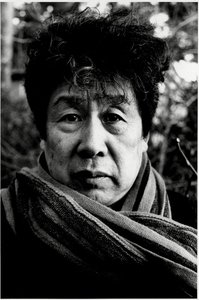
tadanori yokoo
1936 -