

 Предпросмотр
 Поделиться
 Поделиться
 Детали произведения

 Скачать
 Похожие работы
 Рентгенография
 Слайд-шоу
 Статистика
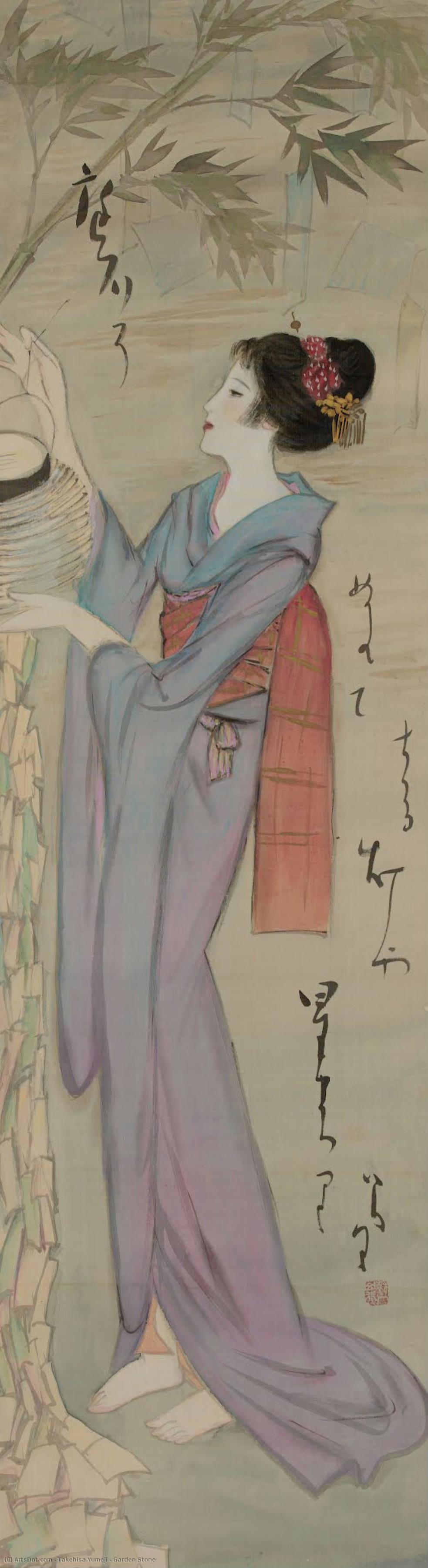
Garden Stone


 Читать далее
Приобретите цифровое изображение высокого разрешения в улучшенном качестве, которое значительно превосходит онлайн-превью.
Каждый файл тщательно подготавливается нашими специалистами с использованием передовых инструментов и экспертной ручной ретуши. Мы гарантируем исключительную четкость, точную цветопередачу и детальную проработку каждого изображения.
Финальный файл доставляется по электронной почте в течение 72 часов и оптимизирован для немедленного использования в профессиональной среде, при верстке и печати. Это тот же уровень качества, которому доверяют ведущие дизайнерские студии, издательства и галереи.
Цифровое изображение
Скачайте файл высокого разрешения для личного использования, печати и творческих проектов. ( Перейти к печати Купить картину ручной работы)
Включено в каждый заказ цифровых изображений
Гарантия экспертной цифровой доставки
Выбирая ArtsDot.com, вы получаете не просто изображение — вы приобретаете профессионально обработанное цифровое произведение искусства, созданное с безупречной точностью и под защитой гарантии качества. Вот всё, что автоматически входит в ваш заказ:

Мгновенная доставка по e-mail
Ваш цифровой файл в высоком разрешении будет отправлен вам по электронной почте в течение 72 часов после оформления заказа — и сразу станет доступен для использования.

Цифровой файл с ИИ-улучшением
Ваше произведение искусства проходит профессиональную оптимизацию с использованием передовых инструментов ИИ и ручной обработки, что гарантирует максимальную детализацию, четкость и точность цветопередачи.

Бессрочная бесплатная повторная доставка
Случайно удалили или потеряли файл? Не беспокойтесь — мы отправим его вам повторно в любое время и совершенно бесплатно.

Без импортных пошлин — навсегда
Наслаждайтесь вашим произведением искусства мгновенно без таможенных пошлин, сборов или затрат на доставку — цифровые загрузки всегда не облагаются налогом.

Гарантия точности цветопередачи
Мы гарантируем, что ваше цифровое изображение максимально точно передает оригинальные цвета благодаря использованию профессиональных инструментов и систем управления цветом.

Гарантия удовлетворенности 100 дней
Если вы не будете удовлетворены своим цифровым изображением, мы внесем правки или вернем 100% стоимости в течение 100 дней — без лишних вопросов.

100% Гарантия возврата средств
Не удовлетворены покупкой? Получите полный возврат средств в течение 100 дней после получения цифрового файла — без лишних вопросов.

Скидки на оптовые заказы
Купите 3 изображения, сэкономьте 10% — Купите 5, сэкономьте 15% — Купите 10+, сэкономьте 20%. Отличное решение для творческих проектов, галерей и агентств.
Похожие произведения









Биография художника
The Ethereal Spirit of Taisho Romanticism
Born amidst the tranquil and scenic landscapes of the Seto Inland Sea in 1884, Takehisa Yumeji emerged as a profound architect of the Japanese soul during the transformative Taisho period. His life and work were inextricably linked to the romanticism of his era, a time characterized by a delicate tension between traditional Japanese values and the burgeoning influences of Western modernity. As both a poet and a painter, Yumeji possessed an uncanny ability to capture the ephemeral—the fleeting glance of a maiden, the soft light of dusk, and the quiet melancholy that resides in the heart of beauty. His artistry was not merely a visual pursuit but a lyrical expression of a nation in transition, weaving together the classical elegance of Nihonga with a modern, emotive sensibility that resonated deeply with the public consciousness.The Grace of the Bijin-ga
Central to Yumeji’s enduring legacy is his mastery of bijin-ga, the art of depicting beautiful women and girls. His illustrations are celebrated for their soft, flowing lines and a certain dreamy, almost nostalgic quality that has become synonymous with his name. These figures often possess an air of wistful longing, their eyes reflecting a depth of emotion that transcends simple portraiture. Through his use of Nihonga techniques, he achieved a delicate balance of color and form, creating characters that felt both timeless and intimately connected to the contemporary spirit of his day. His creative vision was remarkably versatile, allowing his aesthetic to permeate various mediums, including:- Exquisite book covers that transformed literature into visual poetry.
- Serial newspaper illustrations that brought storytelling to the masses.
- Delicate postcards and furoshiki patterns that turned everyday objects into canvases of beauty.
- Intricate designs on patterned washi paper.
A Lasting Impression on Japanese Modernity
The significance of Takehisa Yumeji lies in his ability to democratize art, making it an accessible and cherished part of the cultural fabric. By applying his unique aesthetic to mass-produced items and popular media, he bridged the gap between high art and everyday life. His influence can be felt in the way modern Japanese design continues to embrace a blend of nostalgia and contemporary flair. Though his life was cut short in 1934, the visual language he created—marked by its romanticism, its gentle melancholy, and its profound respect for the beauty found in the subtle details of existence—continues to inspire artists and collectors alike, ensuring that the spirit of Yumeji remains eternally vibrant within the annals of Japanese art history.
takehisa yumeji
1884 - 1934 , Japan
Основные сведения
- Artistic Movement Or Style: Nihonga, Taisho Romanticism
- Artists Or Movements Influenced By This Artist: Modern Japanese art
- Date Of Birth: 1884
- Date Of Death: 1934
- Full Name: Takehisa Yumeji
- Nationality: Japanese
- Place Of Birth: Seto Inland Sea, Japan