

 Предпросмотр
 Поделиться
 Поделиться
 Детали произведения

 Скачать
 Похожие работы
 Рентгенография
 Слайд-шоу
 Статистика
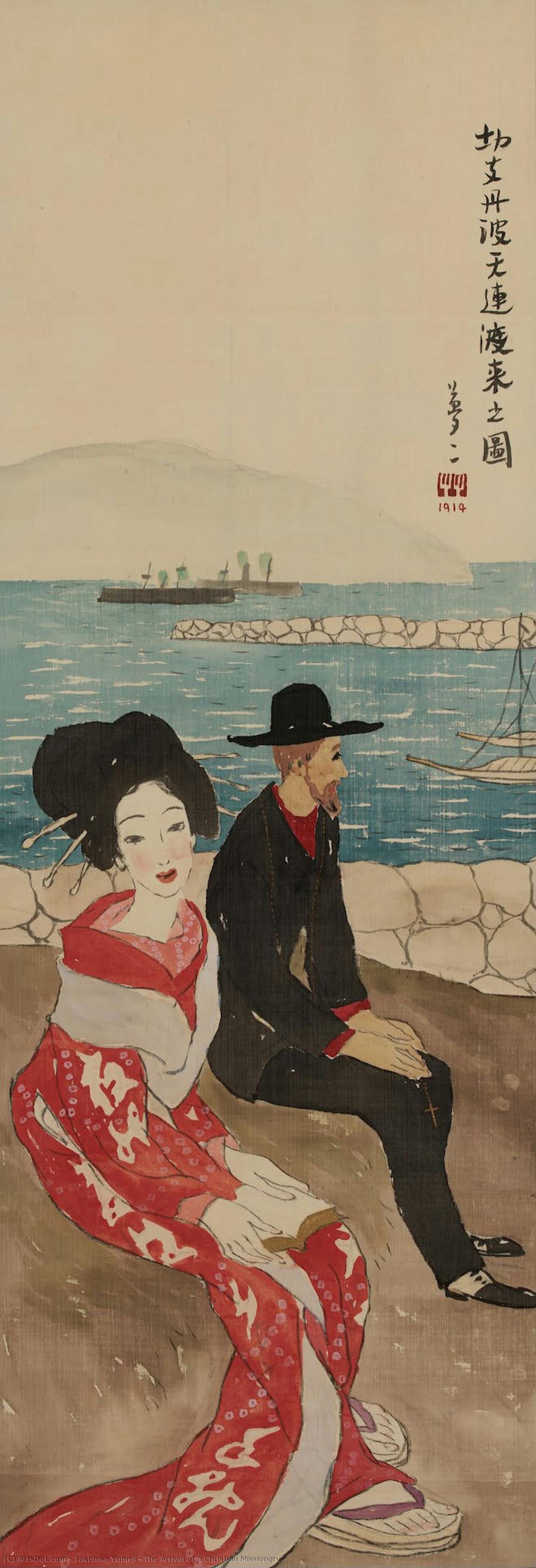
The Arrival of a Christian Missionary


 Читать далее
Масляная репродукция ручной работы
Картина маслом на холсте в выбранном вами размере и раме, написанная на заказ нашими художниками. ( Перейти к печати Перейти к цифровым изображениям)




































Выберите один из наших стандартных размеров, соответствующих оригинальным пропорциям произведения искусства.

Вы можете указать собственные размеры, чтобы картина идеально вписалась в выбранную раму или пространство. Если выбранный вами размер не соответствует пропорциям оригинала, мы либо обрежем полотно, либо расширим его за счет дополнительных элементов, написанных вручную. Цифровой макет будет отправлен вам на утверждение перед началом производства.
Обратите внимание, что предварительный просмотр на экране не отражает фактическую обрезку или расширение. Только макет точно покажет окончательную композицию.
Хотя доступны индивидуальные размеры, мы рекомендуем выбирать вариант из предопределенного списка, чтобы сохранить исходные пропорции.
После оформления заказа команда ArtsDot.com свяжется с клиентом по электронной почте для уточнения деталей и предоставит предварительный макет
Доставка по всему миру () за 3–4 недели вместо стандартных 5 недель. (13 Сентябрь). Без компромиссов в качестве.

Бесплатная экспресс-доставка по всему миру

Высококачественный льняной холст

Полное страхование доставки

Гарантия возмещения таможенных пошлин

Гарантия точного соответствия цветов

100-дневная политика возврата (только при обнаружении дефектов)

Гарантия возврата 100% средств

Предложение оптовых скидок
 Вариант со стеклом доступен только для размеров менее 110 см

The Arrival of a Christian Missionary
Техника репродукции
Размер репродукции
-


Итоговая стоимость
$ 263
Похожие произведения










Биография художника
The Ethereal Spirit of Taisho Romanticism
Born amidst the tranquil and scenic landscapes of the Seto Inland Sea in 1884, Takehisa Yumeji emerged as a profound architect of the Japanese soul during the transformative Taisho period. His life and work were inextricably linked to the romanticism of his era, a time characterized by a delicate tension between traditional Japanese values and the burgeoning influences of Western modernity. As both a poet and a painter, Yumeji possessed an uncanny ability to capture the ephemeral—the fleeting glance of a maiden, the soft light of dusk, and the quiet melancholy that resides in the heart of beauty. His artistry was not merely a visual pursuit but a lyrical expression of a nation in transition, weaving together the classical elegance of Nihonga with a modern, emotive sensibility that resonated deeply with the public consciousness.The Grace of the Bijin-ga
Central to Yumeji’s enduring legacy is his mastery of bijin-ga, the art of depicting beautiful women and girls. His illustrations are celebrated for their soft, flowing lines and a certain dreamy, almost nostalgic quality that has become synonymous with his name. These figures often possess an air of wistful longing, their eyes reflecting a depth of emotion that transcends simple portraiture. Through his use of Nihonga techniques, he achieved a delicate balance of color and form, creating characters that felt both timeless and intimately connected to the contemporary spirit of his day. His creative vision was remarkably versatile, allowing his aesthetic to permeate various mediums, including:- Exquisite book covers that transformed literature into visual poetry.
- Serial newspaper illustrations that brought storytelling to the masses.
- Delicate postcards and furoshiki patterns that turned everyday objects into canvases of beauty.
- Intricate designs on patterned washi paper.
A Lasting Impression on Japanese Modernity
The significance of Takehisa Yumeji lies in his ability to democratize art, making it an accessible and cherished part of the cultural fabric. By applying his unique aesthetic to mass-produced items and popular media, he bridged the gap between high art and everyday life. His influence can be felt in the way modern Japanese design continues to embrace a blend of nostalgia and contemporary flair. Though his life was cut short in 1934, the visual language he created—marked by its romanticism, its gentle melancholy, and its profound respect for the beauty found in the subtle details of existence—continues to inspire artists and collectors alike, ensuring that the spirit of Yumeji remains eternally vibrant within the annals of Japanese art history.
takehisa yumeji
1884 - 1934 , Japan
Основные сведения
- Artistic Movement Or Style: Nihonga, Taisho Romanticism
- Artists Or Movements Influenced By This Artist: Modern Japanese art
- Date Of Birth: 1884
- Date Of Death: 1934
- Full Name: Takehisa Yumeji
- Nationality: Japanese
- Place Of Birth: Seto Inland Sea, Japan