

 Предпросмотр
 Поделиться
 Поделиться
 Детали произведения

 Скачать
 Похожие работы
 Рентгенография
 Слайд-шоу
 Статистика
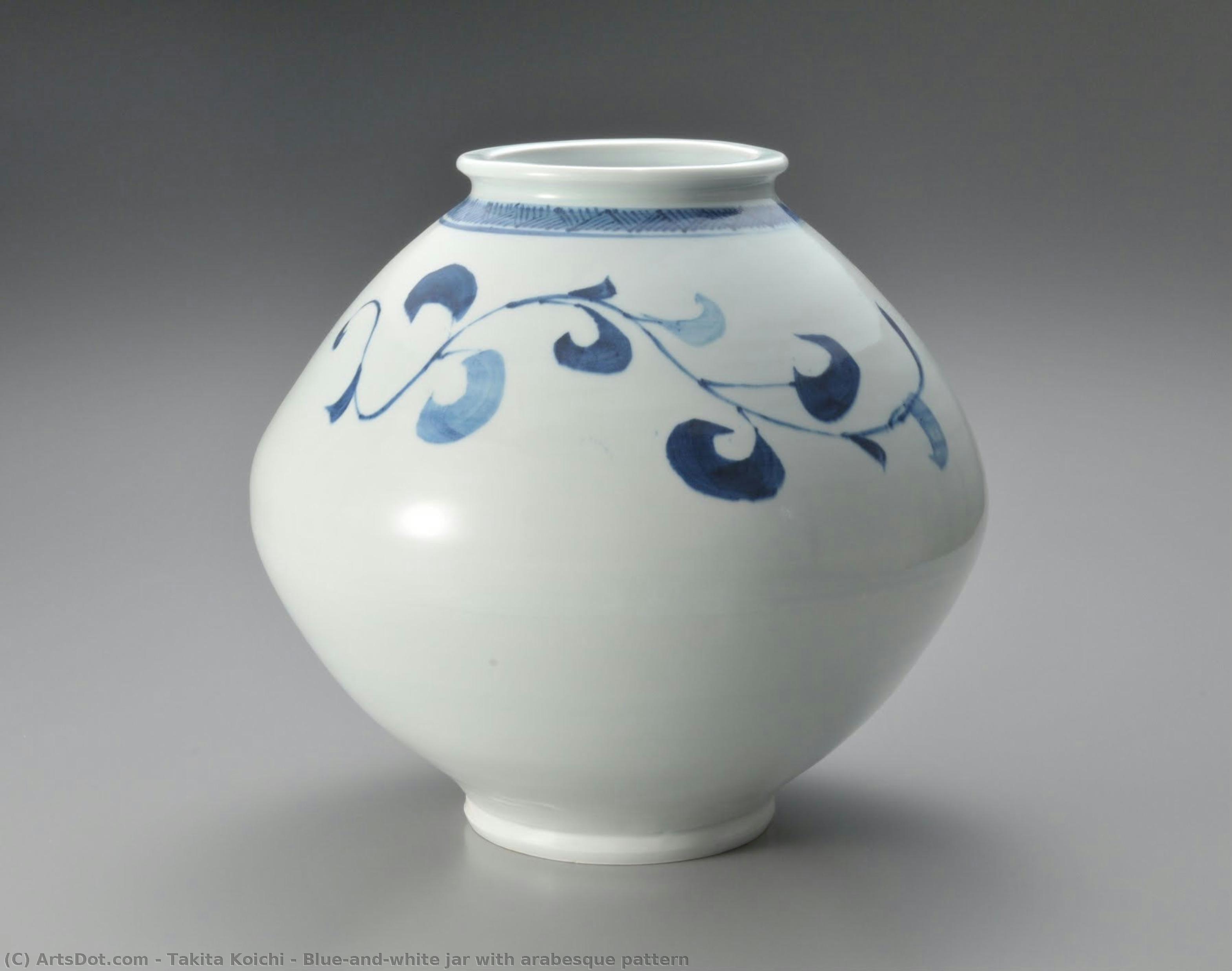
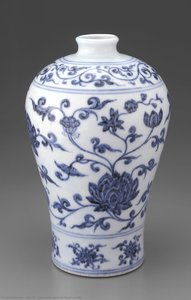
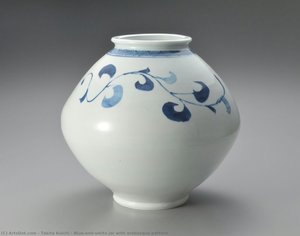
Blue-and-white jar with arabesque pattern

 Читать далее
Приобретите цифровое изображение высокого разрешения в улучшенном качестве, которое значительно превосходит онлайн-превью.
Каждый файл тщательно подготавливается нашими специалистами с использованием передовых инструментов и экспертной ручной ретуши. Мы гарантируем исключительную четкость, точную цветопередачу и детальную проработку каждого изображения.
Финальный файл доставляется по электронной почте в течение 72 часов и оптимизирован для немедленного использования в профессиональной среде, при верстке и печати. Это тот же уровень качества, которому доверяют ведущие дизайнерские студии, издательства и галереи.
Цифровое изображение
Скачайте файл высокого разрешения для личного использования, печати и творческих проектов. ( Перейти к печати Купить картину ручной работы)
Включено в каждый заказ цифровых изображений
Гарантия экспертной цифровой доставки
Выбирая ArtsDot.com, вы получаете не просто изображение — вы приобретаете профессионально обработанное цифровое произведение искусства, созданное с безупречной точностью и под защитой гарантии качества. Вот всё, что автоматически входит в ваш заказ:

Мгновенная доставка по e-mail
Ваш цифровой файл в высоком разрешении будет отправлен вам по электронной почте в течение 72 часов после оформления заказа — и сразу станет доступен для использования.

Цифровой файл с ИИ-улучшением
Ваше произведение искусства проходит профессиональную оптимизацию с использованием передовых инструментов ИИ и ручной обработки, что гарантирует максимальную детализацию, четкость и точность цветопередачи.

Бессрочная бесплатная повторная доставка
Случайно удалили или потеряли файл? Не беспокойтесь — мы отправим его вам повторно в любое время и совершенно бесплатно.

Без импортных пошлин — навсегда
Наслаждайтесь вашим произведением искусства мгновенно без таможенных пошлин, сборов или затрат на доставку — цифровые загрузки всегда не облагаются налогом.

Гарантия точности цветопередачи
Мы гарантируем, что ваше цифровое изображение максимально точно передает оригинальные цвета благодаря использованию профессиональных инструментов и систем управления цветом.

Гарантия удовлетворенности 100 дней
Если вы не будете удовлетворены своим цифровым изображением, мы внесем правки или вернем 100% стоимости в течение 100 дней — без лишних вопросов.

100% Гарантия возврата средств
Не удовлетворены покупкой? Получите полный возврат средств в течение 100 дней после получения цифрового файла — без лишних вопросов.

Скидки на оптовые заказы
Купите 3 изображения, сэкономьте 10% — Купите 5, сэкономьте 15% — Купите 10+, сэкономьте 20%. Отличное решение для творческих проектов, галерей и агентств.
Похожие произведения






Биография художника
Takita Koichi: A Life Woven in Porcelain
Born in Aizuwakayama, Japan, in 1927, Takita Koichi’s life and artistic journey are inextricably linked to the spirit of *mingei* – Japanese folk crafts. His early years were shaped by a profound respect for tradition and a deep connection to the earth, qualities that would profoundly influence his distinctive ceramic style. He began his apprenticeship under Hamada Shoji, a pivotal figure in the *mingei* movement and a master of ash-glazed pottery, an experience that instilled within him a reverence for simplicity, functionality, and the inherent beauty of natural materials.
Shoji’s influence is immediately apparent in Takita's work. Like his mentor, he eschews ostentation, prioritizing understated elegance and a direct connection to everyday life. Takita’s pieces aren’t meant for grand displays; rather, they are designed to be quietly integrated into the domestic sphere, offering a sense of serenity and grounding. His signature style revolves around plant motifs – delicate blossoms, stylized leaves, and subtle floral patterns – rendered with remarkable precision and a deep understanding of botanical forms. These designs aren't merely decorative; they evoke a connection to nature, reflecting a core philosophy within *mingei* aesthetics.
The Pursuit of Harmony: Influences and Techniques
Takita’s artistic development wasn’t solely defined by Hamada Shoji. He also studied with Tomimoto Ken, another legendary potter known for his mastery of *hakuji*, a technique involving white slip applied to the surface of porcelain to create cloud-like patterns. This influence is evident in many of Takita's works, particularly those featuring the ethereal, almost dreamlike quality of *hakuji*. The subtle variations in texture and tone achieved through this method contribute significantly to the contemplative mood of his pieces.
Beyond *hakuji*, Takita’s technical skill encompasses a wide range of ceramic techniques. He skillfully employs overglaze enamels (uwa-etsuke), creating luminous accents that add depth and richness to his surfaces. He also utilizes lapis lazuli glaze, resulting in striking cobalt blue hues reminiscent of earlier Korean porcelains – a deliberate nod to the historical lineage of Japanese ceramics. The potter’s command of brushwork extends beyond the porcelain itself; he is equally adept at creating delicate paintings on canvas, demonstrating a holistic approach to artistic expression.
A Teacher and a Visionary: Shaping Future Generations
Takita's impact extends far beyond his own studio practice. In 1978, he assumed the role of the first teacher at the Department of Ceramics Design at NCA (Lahore), Pakistan – a remarkable opportunity to introduce Japanese ceramic traditions to students from diverse cultural backgrounds. This experience broadened his perspective and allowed him to share his philosophy of understated beauty and functional artistry with a new generation of artists. His time in Lahore further solidified his belief that pottery should be deeply rooted in practicality, serving as a harmonious partner in daily life.
He continues to exhibit his work internationally, solidifying his reputation as one of Japan’s most respected ceramicists. His pieces are held in numerous museums and private collections worldwide, testament to the enduring appeal of his quiet elegance and profound connection to *mingei* principles. Takita's mantra – “To be modest in creation, to be reserved in pattern, no intimidation in form, avoid ornate color tones” – serves as a guiding principle throughout his artistic life, reflecting a commitment to simplicity, humility, and the inherent beauty of the craft.
Legacy and Significance
Takita Koichi’s work represents more than just beautiful ceramics; it embodies a philosophy. He sought to create objects that were both aesthetically pleasing and deeply meaningful, reminding us of our connection to nature, tradition, and the simple pleasures of everyday life. His dedication to *mingei* principles – emphasizing functionality, humility, and an avoidance of excessive ornamentation – has left an indelible mark on the world of ceramics. As a teacher and mentor, he fostered a new generation of artists committed to preserving and expanding upon these timeless values. Takita Koichi’s legacy is one of quiet grace, profound artistry, and a steadfast belief in the transformative power of clay.
takita koichi
1927 - , Japan
Основные сведения
- Artistic Movement Or Style: Porcelain art
- Artists Or Movements Influenced By This Artist: ['Mingei']
- Artists Who Influenced This Artist: ['Hamada Shoji']
- Date Of Birth: 1927
- Full Name: Takita Koichi
- Nationality: Japanese
- Notable Artworks:
- Plant motif pottery
- Serene ceramic works
- Blue and white pottery
- Place Of Birth: Aizuwakayama, Japan