

 Предпросмотр
 Поделиться
 Поделиться
 Детали произведения

 Скачать
 Похожие работы
 Рентгенография
 Слайд-шоу
 Статистика
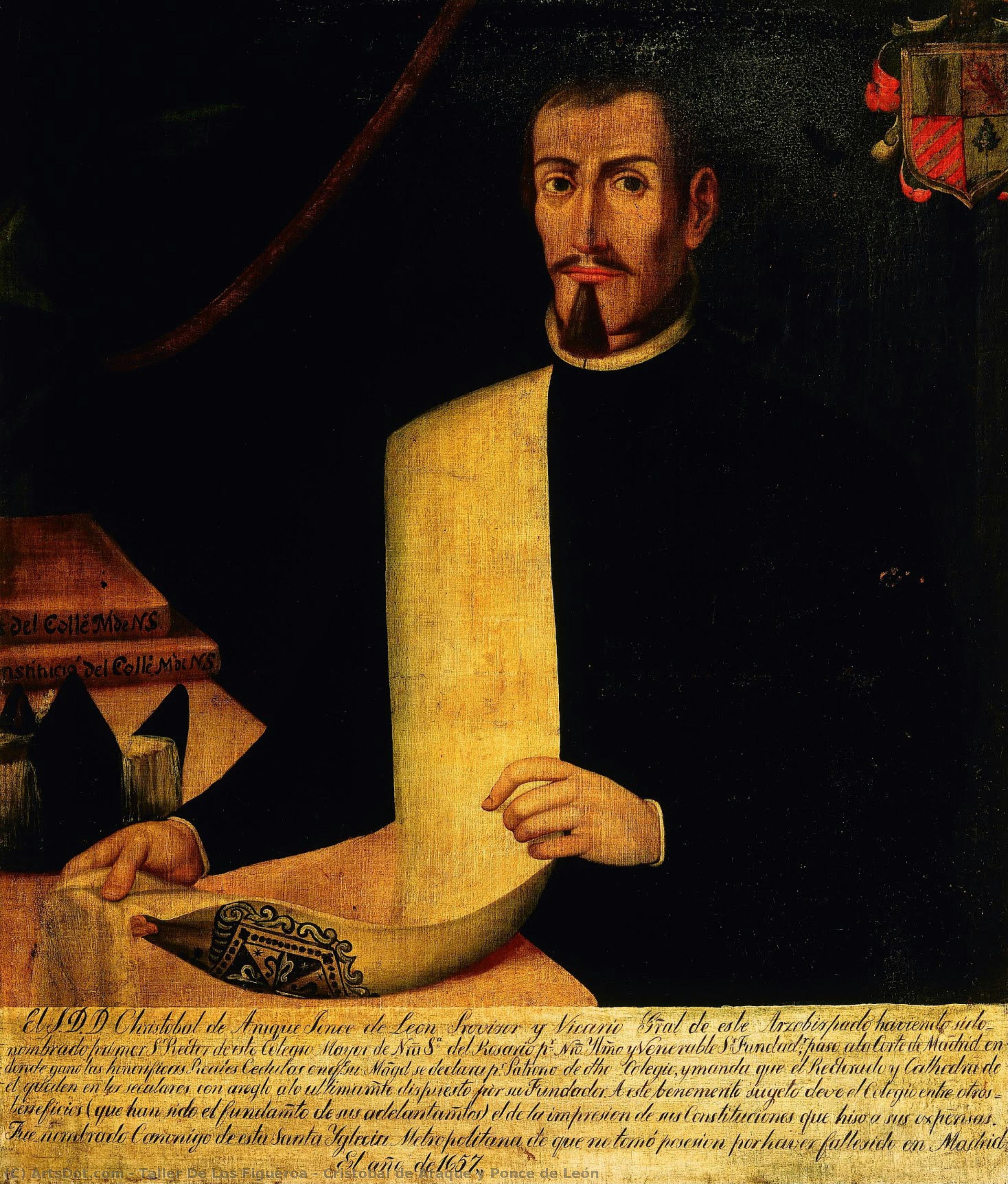
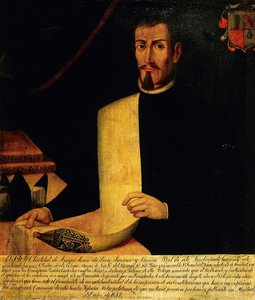
Cristóbal de Araque y Ponce de León


 Читать далее
Приобретите цифровое изображение высокого разрешения в улучшенном качестве, которое значительно превосходит онлайн-превью.
Каждый файл тщательно подготавливается нашими специалистами с использованием передовых инструментов и экспертной ручной ретуши. Мы гарантируем исключительную четкость, точную цветопередачу и детальную проработку каждого изображения.
Финальный файл доставляется по электронной почте в течение 72 часов и оптимизирован для немедленного использования в профессиональной среде, при верстке и печати. Это тот же уровень качества, которому доверяют ведущие дизайнерские студии, издательства и галереи.
Цифровое изображение
Скачайте файл высокого разрешения для личного использования, печати и творческих проектов. ( Перейти к печати Купить картину ручной работы)
Включено в каждый заказ цифровых изображений
Гарантия экспертной цифровой доставки
Выбирая ArtsDot.com, вы получаете не просто изображение — вы приобретаете профессионально обработанное цифровое произведение искусства, созданное с безупречной точностью и под защитой гарантии качества. Вот всё, что автоматически входит в ваш заказ:

Мгновенная доставка по e-mail
Ваш цифровой файл в высоком разрешении будет отправлен вам по электронной почте в течение 72 часов после оформления заказа — и сразу станет доступен для использования.

Цифровой файл с ИИ-улучшением
Ваше произведение искусства проходит профессиональную оптимизацию с использованием передовых инструментов ИИ и ручной обработки, что гарантирует максимальную детализацию, четкость и точность цветопередачи.

Бессрочная бесплатная повторная доставка
Случайно удалили или потеряли файл? Не беспокойтесь — мы отправим его вам повторно в любое время и совершенно бесплатно.

Без импортных пошлин — навсегда
Наслаждайтесь вашим произведением искусства мгновенно без таможенных пошлин, сборов или затрат на доставку — цифровые загрузки всегда не облагаются налогом.

Гарантия точности цветопередачи
Мы гарантируем, что ваше цифровое изображение максимально точно передает оригинальные цвета благодаря использованию профессиональных инструментов и систем управления цветом.

Гарантия удовлетворенности 100 дней
Если вы не будете удовлетворены своим цифровым изображением, мы внесем правки или вернем 100% стоимости в течение 100 дней — без лишних вопросов.

100% Гарантия возврата средств
Не удовлетворены покупкой? Получите полный возврат средств в течение 100 дней после получения цифрового файла — без лишних вопросов.

Скидки на оптовые заказы
Купите 3 изображения, сэкономьте 10% — Купите 5, сэкономьте 15% — Купите 10+, сэкономьте 20%. Отличное решение для творческих проектов, галерей и агентств.
Похожие произведения
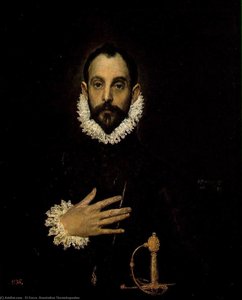
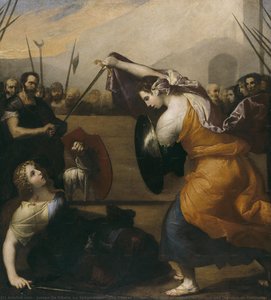
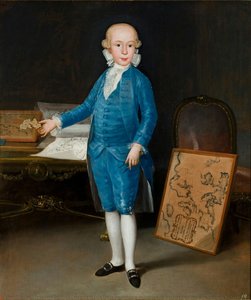
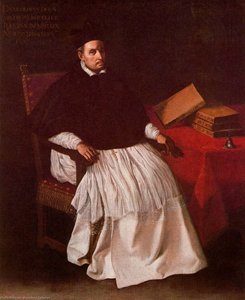
Биография художника
The Legacy of Taller de los Figueroa: Masters of Colonial Mexico
Nestled within the vibrant heart of colonial Mexico, the Taller de los Figueroa emerged as more than just a painting workshop; it became a crucible for artistic innovation and a cornerstone of Mexican art history. Founded in the mid-17th century by Gaspar de Figueroa, this influential collective profoundly shaped the visual landscape of New Spain, leaving behind a legacy of religious masterpieces, captivating portraits, and a distinctive Baroque style that continues to resonate today. The Taller’s story is inextricably linked to the broader cultural currents of its time – the rise of Spanish influence, the burgeoning indigenous identity, and the complex interplay between tradition and innovation.
Gaspar de Figueroa himself was a pivotal figure, a skilled artist who recognized the potential for a structured artistic environment. He established the Taller not merely as a place to produce paintings, but as an incubator where young talents could hone their craft under his guidance. His sons, Nicolás and Baltasar Vargas de Figueroa, quickly ascended to prominence within the workshop, each developing unique styles while maintaining a shared commitment to the Taller’s artistic principles. The workshop attracted other talented artists like Gregorio Vásquez de Arce y Ceballos, Fray Gregorio Carballo de la Parra, and Tomás Fernández de Heredia, creating a dynamic community of creators where ideas were exchanged and techniques refined.
A Baroque Vision: Style and Technique
The Taller de los Figueroa’s artistic style is firmly rooted in the Spanish Baroque tradition, yet it possesses a distinctly Mexican character. Influenced by masters like Francisco de Zurbarán, the workshop embraced the dramatic use of chiaroscuro – the stark contrast between light and shadow – to create a sense of depth, emotion, and spiritual intensity. Figures were often depicted in solitary contemplation, bathed in ethereal light, conveying a profound sense of piety and devotion.
However, the Taller didn’t simply replicate Spanish models; they adapted them to their own cultural context. Their paintings frequently incorporated indigenous motifs and symbolism, subtly reflecting the complex relationship between Spain and its colonial subjects. The use of color was particularly noteworthy – rich reds, blues, and golds dominated many works, creating a visually sumptuous effect that reflected the wealth and grandeur of New Spain. The meticulous attention to detail in their rendering of fabrics, textures, and facial expressions demonstrated a remarkable level of technical skill.
Notable Works and Artistic Contributions
The Taller de los Figueroa produced an extensive body of work, encompassing a wide range of subjects. Religious paintings were undoubtedly the workshop’s most significant contribution, with numerous altarpieces, retablos (wall paintings), and devotional images commissioned by churches and convents throughout New Spain. These works served not only as objects of worship but also as powerful tools for conveying religious doctrine and reinforcing the authority of the Catholic Church.
Beyond religious subjects, the Taller also produced a significant number of portraits, capturing the likenesses of prominent figures from colonial society – viceroys, magistrates, priests, and wealthy landowners. These portraits offer valuable insights into the social and political dynamics of New Spain, providing a visual record of its elite class. Notable works include “La Huida a Egipto” (The Flight into Egypt), a dramatic depiction of the biblical story, and numerous religious scenes showcasing the workshop’s technical mastery.
Historical Significance and Enduring Influence
The Taller de los Figueroa played a crucial role in shaping the development of Mexican art. It established a tradition of artistic excellence that influenced generations of painters who followed. The workshop's emphasis on religious themes, its distinctive Baroque style, and its commitment to technical skill helped to define the visual identity of colonial Mexico.
Furthermore, the Taller’s legacy extends beyond the realm of art history. It represents a complex and fascinating chapter in the story of cultural exchange between Spain and indigenous peoples – a testament to the dynamic interplay of tradition and innovation that shaped the artistic landscape of New Spain. The work continues to be studied by historians and art scholars, offering valuable insights into the social, religious, and political context of colonial Mexico.
taller de los figueroa
Colombia
Основные сведения
- Artistic Movement Or Style: Baroque Spanish
- Artists Or Movements Influenced By This Artist:
- Gregorio Vásquez de Arce y Ceballos
- Fray Gregorio Carvallo de la Parra
- Artists Who Influenced This Artist:
- Gaspar de Figueroa
- Baltasar Vargas de Figueroa
- Full Name: Taller de los Figueroa
- Nationality: Colombian
- Notable Artworks:
- La Huida a Egipto
- Ecce Homo
- Alegoría de la Inmaculada Concepción
- Martirio de Santa Bárbara
- Place Of Birth: Bogotá, Colombia