

 Предпросмотр
 Поделиться
 Поделиться
 Детали произведения

 Скачать
 Похожие работы
 Рентгенография
 Слайд-шоу
 Статистика
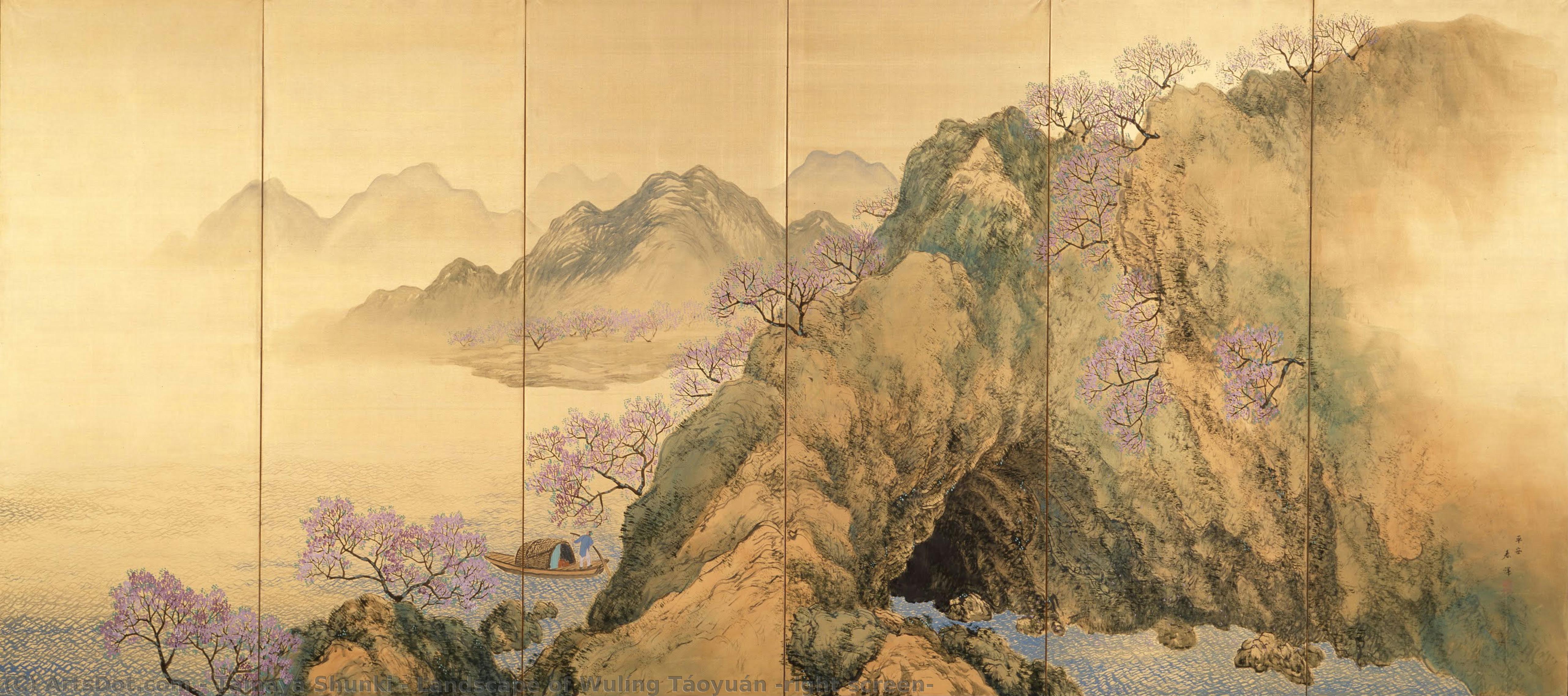
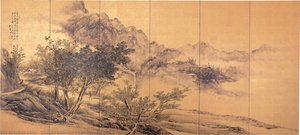
Landscape of Wulíng Táoyuán (right screen)
 1921
1921 166.0 x 370.0 cm
 Читать далее
Приобретите цифровое изображение высокого разрешения в улучшенном качестве, которое значительно превосходит онлайн-превью.
Каждый файл тщательно подготавливается нашими специалистами с использованием передовых инструментов и экспертной ручной ретуши. Мы гарантируем исключительную четкость, точную цветопередачу и детальную проработку каждого изображения.
Финальный файл доставляется по электронной почте в течение 72 часов и оптимизирован для немедленного использования в профессиональной среде, при верстке и печати. Это тот же уровень качества, которому доверяют ведущие дизайнерские студии, издательства и галереи.
Цифровое изображение
Скачайте файл высокого разрешения для личного использования, печати и творческих проектов. ( Перейти к печати Купить картину ручной работы)
Включено в каждый заказ цифровых изображений
Гарантия экспертной цифровой доставки
Выбирая ArtsDot.com, вы получаете не просто изображение — вы приобретаете профессионально обработанное цифровое произведение искусства, созданное с безупречной точностью и под защитой гарантии качества. Вот всё, что автоматически входит в ваш заказ:

Мгновенная доставка по e-mail
Ваш цифровой файл в высоком разрешении будет отправлен вам по электронной почте в течение 72 часов после оформления заказа — и сразу станет доступен для использования.

Цифровой файл с ИИ-улучшением
Ваше произведение искусства проходит профессиональную оптимизацию с использованием передовых инструментов ИИ и ручной обработки, что гарантирует максимальную детализацию, четкость и точность цветопередачи.

Бессрочная бесплатная повторная доставка
Случайно удалили или потеряли файл? Не беспокойтесь — мы отправим его вам повторно в любое время и совершенно бесплатно.

Без импортных пошлин — навсегда
Наслаждайтесь вашим произведением искусства мгновенно без таможенных пошлин, сборов или затрат на доставку — цифровые загрузки всегда не облагаются налогом.

Гарантия точности цветопередачи
Мы гарантируем, что ваше цифровое изображение максимально точно передает оригинальные цвета благодаря использованию профессиональных инструментов и систем управления цветом.

Гарантия удовлетворенности 100 дней
Если вы не будете удовлетворены своим цифровым изображением, мы внесем правки или вернем 100% стоимости в течение 100 дней — без лишних вопросов.

100% Гарантия возврата средств
Не удовлетворены покупкой? Получите полный возврат средств в течение 100 дней после получения цифрового файла — без лишних вопросов.

Скидки на оптовые заказы
Купите 3 изображения, сэкономьте 10% — Купите 5, сэкономьте 15% — Купите 10+, сэкономьте 20%. Отличное решение для творческих проектов, галерей и агентств.
Похожие произведения




Биография художника
Tamaya Shunki: A Master of Traditional Japanese Painting
Tamaya Shunki, also known as Shunki Tamaya, was a pivotal figure in the late 19th and early 20th century Japanese art world. Born in Gifu Prefecture in 1880 and passing away in 1948, his life’s work embodies the rich traditions of Nihonga (Japanese-style painting) while simultaneously absorbing and innovating within established artistic lineages. Shunki's journey as an artist was shaped by rigorous training under esteemed masters – Kono Bairei, Nomura Bunkyo, and Mori Kansai – ultimately establishing him as a respected professor at the Kyoto School of Fine Arts, where he profoundly influenced generations of aspiring artists. His paintings are characterized by a meticulous attention to detail, a deep understanding of color theory, and a masterful command of traditional techniques, particularly those derived from the influential Kanō school.Early Influences and Artistic Training
Shunki’s artistic foundation began in Gifu, a region steeped in centuries of Japanese art history. His early exposure to the local craft traditions likely instilled within him a respect for meticulous execution and symbolic representation – qualities that would later become hallmarks of his style. Crucially, he sought formal training under three of Japan's most prominent artists of the era. Kono Bairei, a leading figure in the Kanō school, imparted a deep appreciation for classical Chinese painting techniques, including precise brushwork, layered washes, and the use of gold leaf to create luminous effects. Nomura Bunkyo further honed Shunki’s skills in landscape painting, emphasizing atmospheric perspective and capturing the subtle nuances of nature. Mori Kansai, known for his vibrant colors and dynamic compositions, encouraged Shunki to explore bolder approaches within the traditional framework. These diverse influences coalesced into a unique artistic voice that skillfully blended established conventions with personal expression.The Kanō School’s Legacy and Shunki's Style
Shunki’s work is inextricably linked to the legacy of the Kanō school, a movement dedicated to reviving and adapting classical Chinese painting techniques in Japan. The Kanō school emphasized meticulous brushwork, layered washes (sumi-e), and the extensive use of gold leaf – elements that are vividly present in Shunki's paintings. However, unlike many artists who simply replicated traditional styles, Shunki infused his work with a distinctly Japanese sensibility. He skillfully integrated motifs from Japanese folklore, landscapes, and daily life, creating images that resonated deeply with contemporary audiences. His compositions often feature delicate arrangements of flowers – particularly morning glories – rendered with exquisite detail and imbued with symbolic meaning. The use of bold outlines, vibrant colors, and the strategic application of gold leaf contribute to a visual impact that is both impressive and luxurious, mirroring the aesthetic ideals of the Kanō school while simultaneously expressing Shunki’s individual artistic vision.Notable Works and Exhibitions
Shunki's paintings have been recognized in several prominent collections, including the Seiji Togo Memorial Yasuda Kasai Museum of Art. His work has also been featured on the Nihonga art movement page, highlighting his contribution to this significant artistic tradition. Some notable examples of his oeuvre include “Morning Glories,” a stunning depiction of these iconic flowers rendered with remarkable precision and delicate color variations; "Rabbit and Roses," which masterfully blends traditional Chinese techniques – particularly in its composition and use of symbolism – with uniquely Japanese sensibilities; and “Winter Landscape,” an exemplary demonstration of Shunki’s skill in ink monochrome, showcasing his ability to evoke atmosphere and mood through subtle tonal shifts. These works demonstrate a remarkable range of technical proficiency and artistic vision.Legacy and Impact on Japanese Art
Tamaya Shunki's legacy extends far beyond the individual paintings he created. As a professor at the Kyoto School of Fine Arts, he played a crucial role in shaping the artistic styles of countless students, ensuring the continuation of traditional Japanese painting techniques for future generations. His dedication to preserving and innovating within the established framework solidified his position as a leading figure in the Nihonga movement. Shunki’s influence can be seen not only in his own work but also in the art of his pupils, who carried forward his artistic principles and contributed to the ongoing evolution of Japanese painting. He remains an important artist whose dedication to traditional techniques and innovative spirit continues to inspire artists today.
tamaya shunki
1880 - 1948 , Japan
Основные сведения
- Artistic Movement Or Style: Traditional Japanese style
- Artists Or Movements Influenced By This Artist: ['Kanō school style']
- Artists Who Influenced This Artist:
- Kono Bairei
- Nomura Bunkyo
- Mori Kansai
- Date Of Birth: 1880
- Date Of Death: 1948
- Full Name: Tamaya Shunki
- Nationality: Japanese
- Notable Artworks:
- Morning glories
- Rabbit and roses
- Winter landscape
- Place Of Birth: Gifu, Japan