


 Предпросмотр
 Поделиться
 Поделиться
 Детали произведения

 Скачать
 Похожие работы
 Рентгенография
 Слайд-шоу
 Статистика
Iron Glazed Vase with Plum Decoration
 30.0 x 20.0 cm
 Читать далее
Масляная репродукция ручной работы
Картина маслом на холсте в выбранном вами размере и раме, написанная на заказ нашими художниками. ( Перейти к печати Перейти к цифровым изображениям)




































Выберите один из наших стандартных размеров, соответствующих оригинальным пропорциям произведения искусства.

Вы можете указать собственные размеры, чтобы картина идеально вписалась в выбранную раму или пространство. Если выбранный вами размер не соответствует пропорциям оригинала, мы либо обрежем полотно, либо расширим его за счет дополнительных элементов, написанных вручную. Цифровой макет будет отправлен вам на утверждение перед началом производства.
Обратите внимание, что предварительный просмотр на экране не отражает фактическую обрезку или расширение. Только макет точно покажет окончательную композицию.
Хотя доступны индивидуальные размеры, мы рекомендуем выбирать вариант из предопределенного списка, чтобы сохранить исходные пропорции.
После оформления заказа команда ArtsDot.com свяжется с клиентом по электронной почте для уточнения деталей и предоставит предварительный макет
Доставка по всему миру () за 3–4 недели вместо стандартных 5 недель. (14 Сентябрь). Без компромиссов в качестве.

Бесплатная экспресс-доставка по всему миру

Высококачественный льняной холст

Полное страхование доставки

Гарантия возмещения таможенных пошлин

Гарантия точного соответствия цветов

100-дневная политика возврата (только при обнаружении дефектов)

Гарантия возврата 100% средств

Предложение оптовых скидок
 Вариант со стеклом доступен только для размеров менее 110 см

Iron Glazed Vase with Plum Decoration
Техника репродукции
Размер репродукции
-


Итоговая стоимость
$ 263
Похожие произведения










Биография художника
A Life Etched in Clay: The Ceramic Poetry of Tamura Kōichi
Tamura Kōichi, born in 1918 in the quiet town of Sano, Japan, was more than a ceramic artist; he was a poet who translated emotion and observation into the enduring language of clay. His journey began not with formal artistic training but within the practical world of his family’s business crafting ceremonial decorations. This early exposure instilled in him a deep respect for craftsmanship and an understanding of form that would later blossom into a unique ceramic voice. Even as a child, Tamura displayed a remarkable talent for drawing, a skill he honed further during his studies at the Art Academy in Tokyo beginning in 1941, specializing in ceramic design. However, the path to becoming one of Japan’s most revered potters was not immediate or straightforward. The intervening years saw him teaching drawing in Osaka and working on agricultural lands, experiences that grounded him in the rhythms of nature – a theme that would become central to his artistic expression.From Industrial Design to Mingei Mastery
The pivotal moment in Tamura’s development arrived with his apprenticeship under Tomimoto Kenkichi in Kyoto from 1946. This mentorship proved transformative, shifting his focus from industrial design towards the principles of *Mingei* – the Japanese folk art movement celebrating handmade objects and the beauty of everyday utility. Tomimoto instilled a reverence for natural materials, subtle imperfections, and the inherent qualities of clay itself. Returning to Sano in 1948, Tamura established a porcelain kiln for a factory before ultimately forging his own path with the opening of his independent workshop in 1949. This marked the true beginning of his artistic exploration, where he began to synthesize his diverse experiences into a distinctive style characterized by masterful wheel-throwing and an innovative approach to glazing. He wasn’t simply creating vessels; he was building worlds within porcelain, capturing fleeting moments of beauty with remarkable precision.The Art of Iron: A Signature Style
Tamura Kōichi's artistic signature lies in his exceptional use of iron glazes – specifically *tetsu-e*, or iron decoration. While others explored iron as a coloring agent, Tamura harnessed its expressive potential for drawing directly onto the clay surface. His technique involved meticulously brushing iron pigments to create impressionistic landscapes, delicate plum blossoms, and evocative grasses that seemed to dance across the porcelain forms. This wasn’t merely decorative; it was an act of intimate connection with the material, a dialogue between artist, clay, and fire. The resulting works possess a remarkable depth and subtlety, their surfaces alive with variations in tone and texture. His plum designs, in particular, became iconic, embodying both the fragility and resilience of nature.Recognition and Legacy: A Living National Treasure
Tamura’s dedication to his craft did not go unnoticed. He held teaching positions at the Ceramic Institute in Mashiko from 1950 and later as a professor at the Art Academy in Tokyo, nurturing generations of ceramic artists. His influence extended beyond the classroom as he became chairman of the ‘Contemporary Japanese Crafts Association’ in 1968, advocating for the preservation and promotion of traditional techniques. The culmination of his life's work arrived in 1986 with his designation as a “Living National Treasure” – an honor bestowed upon artists who have reached the pinnacle of their craft and embody the spirit of Japanese artistic heritage. Though he passed away in Sano in 1987, Tamura Kōichi’s legacy continues to inspire. His works are celebrated for their technical brilliance, poetic sensibility, and profound connection to the natural world, standing as enduring testaments to the power of clay transformed by a master's hand.The Enduring Influence
- Mingei Philosophy: Tamura’s embrace of *Mingei* principles – valuing handmade objects, simplicity, and functionality – profoundly shaped his aesthetic.
- Tomimoto Kenkichi's Mentorship: His apprenticeship with Tomimoto was crucial in developing his understanding of natural materials and the beauty of imperfection.
- Iron Glaze Innovation: Tamura’s unique approach to *tetsu-e* – using iron not just for color but for expressive drawing – set him apart from contemporaries.
- Plum Blossom Motif: The iconic plum designs became synonymous with his style, representing both fragility and resilience.
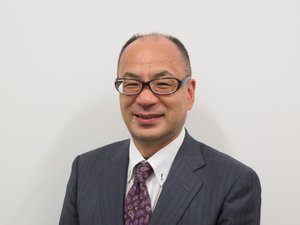
tamura kōichi
1918 - 1987 , Japan
Основные сведения
- Artistic Movement Or Style: Mingei pottery
- Artists Who Influenced This Artist: ['Tomimoto Kenkichi']
- Date Of Birth: 1918
- Date Of Death: 1987
- Full Name: Tamura Koichi
- Nationality: Japanese
- Place Of Birth: Sano, Japan