

 Предпросмотр
 Поделиться
 Поделиться
 Детали произведения

 Скачать
 Похожие работы
 Рентгенография
 Слайд-шоу
 Статистика
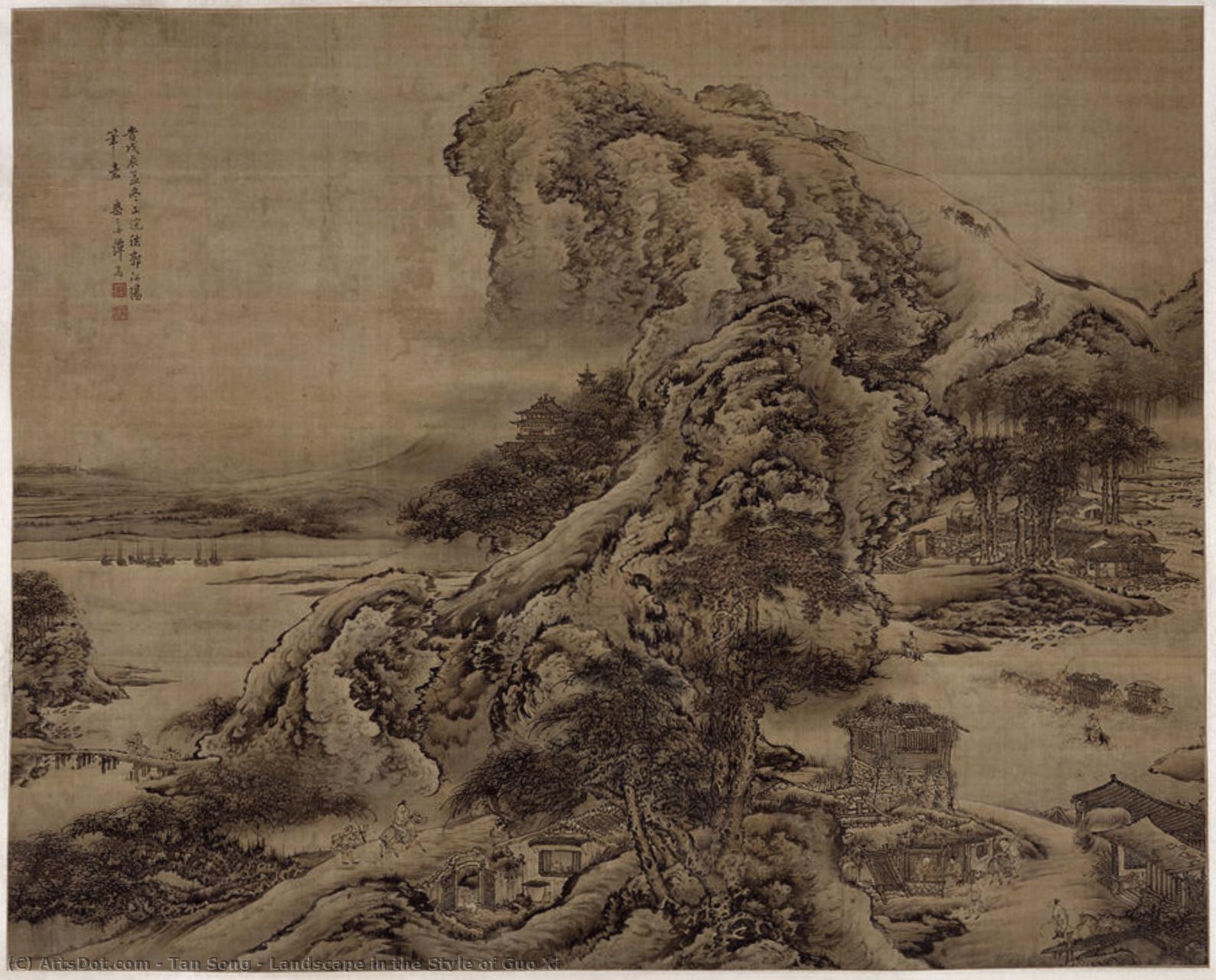
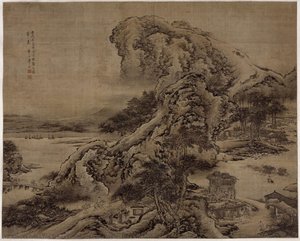
Landscape in the Style of Guo Xi
 Yuan Dynasty Landscape Painting
 1748
1748 83.0 x 105.0 cm
 Читать далее
Приобретите цифровое изображение высокого разрешения в улучшенном качестве, которое значительно превосходит онлайн-превью.
Каждый файл тщательно подготавливается нашими специалистами с использованием передовых инструментов и экспертной ручной ретуши. Мы гарантируем исключительную четкость, точную цветопередачу и детальную проработку каждого изображения.
Финальный файл доставляется по электронной почте в течение 72 часов и оптимизирован для немедленного использования в профессиональной среде, при верстке и печати. Это тот же уровень качества, которому доверяют ведущие дизайнерские студии, издательства и галереи.
Цифровое изображение
Скачайте файл высокого разрешения для личного использования, печати и творческих проектов. ( Перейти к печати Купить картину ручной работы)
Включено в каждый заказ цифровых изображений
Гарантия экспертной цифровой доставки
Выбирая ArtsDot.com, вы получаете не просто изображение — вы приобретаете профессионально обработанное цифровое произведение искусства, созданное с безупречной точностью и под защитой гарантии качества. Вот всё, что автоматически входит в ваш заказ:

Мгновенная доставка по e-mail
Ваш цифровой файл в высоком разрешении будет отправлен вам по электронной почте в течение 72 часов после оформления заказа — и сразу станет доступен для использования.

Цифровой файл с ИИ-улучшением
Ваше произведение искусства проходит профессиональную оптимизацию с использованием передовых инструментов ИИ и ручной обработки, что гарантирует максимальную детализацию, четкость и точность цветопередачи.

Бессрочная бесплатная повторная доставка
Случайно удалили или потеряли файл? Не беспокойтесь — мы отправим его вам повторно в любое время и совершенно бесплатно.

Без импортных пошлин — навсегда
Наслаждайтесь вашим произведением искусства мгновенно без таможенных пошлин, сборов или затрат на доставку — цифровые загрузки всегда не облагаются налогом.

Гарантия точности цветопередачи
Мы гарантируем, что ваше цифровое изображение максимально точно передает оригинальные цвета благодаря использованию профессиональных инструментов и систем управления цветом.

Гарантия удовлетворенности 100 дней
Если вы не будете удовлетворены своим цифровым изображением, мы внесем правки или вернем 100% стоимости в течение 100 дней — без лишних вопросов.

100% Гарантия возврата средств
Не удовлетворены покупкой? Получите полный возврат средств в течение 100 дней после получения цифрового файла — без лишних вопросов.

Скидки на оптовые заказы
Купите 3 изображения, сэкономьте 10% — Купите 5, сэкономьте 15% — Купите 10+, сэкономьте 20%. Отличное решение для творческих проектов, галерей и агентств.
Похожие произведения



Биография художника
A Brush with Tradition: The Life and Art of Tan Song
Tan Song, a name resonating softly within the annals of 18th-century Chinese landscape painting, emerged from the Fujian province in 1748—a period steeped in artistic reverence for both innovation and the enduring legacy of past masters. While biographical details surrounding his life remain somewhat elusive, the power of his work speaks volumes, revealing a dedicated artist deeply immersed in the traditions of the Yuan Dynasty, particularly the style of Guo Xi. He wasn’t merely replicating; Tan Song was engaging in a dialogue with history, interpreting and re-presenting established aesthetics for a new era. His paintings offer a glimpse into a world where meticulous brushwork met serene contemplation, capturing the essence of Chinese natural beauty on delicate silk canvases.The Echoes of Guo Xi: Style and Technique
Tan Song’s artistic identity is inextricably linked to his profound admiration for Guo Xi (c. 1009–1092), a towering figure in Northern Song landscape painting. Guo Xi, known for his monumental depictions of mountains and forests, emphasized the spiritual resonance of nature—a concept deeply rooted in Daoist philosophy. Tan Song’s ‘Landscape in the Style of Guo Xi,’ dated 1748, is not simply an imitation but a considered homage. The work showcases intricate layering of brushstrokes to create depth and texture, evoking a sense of atmospheric perspective. The towering peaks, shrouded in mist, are rendered with remarkable precision, while the delicate details of trees and rocks demonstrate a mastery of ink wash techniques. He skillfully employed varying tones and shades to suggest distance and light, creating a landscape that feels both vast and intimately detailed. The use of silk as a medium further enhances the painting’s ethereal quality, allowing for subtle gradations of color and a refined sense of luminosity. This dedication to Guo Xi's style suggests a deliberate choice—a conscious effort to uphold a revered tradition in a time of evolving artistic sensibilities.Beyond Imitation: A Personal Voice
While deeply influenced by Guo Xi, Tan Song’s work isn’t devoid of personal expression. His painting ‘Poem on Retirement,’ though less documented than his landscape piece, hints at another facet of his artistry—a connection to literati culture and the contemplative life. The integration of calligraphy with imagery suggests a desire to convey not just visual beauty but also philosophical meaning. The poem itself likely reflects themes of solitude, reflection, and harmony with nature, common motifs in Chinese scholar painting. This blending of artistic disciplines—painting and poetry—demonstrates Tan Song’s broader engagement with the intellectual currents of his time. It suggests he wasn't solely a technical virtuoso but also an artist who sought to express deeper emotional and spiritual truths through his work.Historical Context and Legacy
The 18th century in China was a period of relative stability under the Qing Dynasty, fostering a renewed interest in classical art forms. While new styles were emerging, there remained a strong appreciation for the traditions of earlier dynasties. Tan Song’s work can be seen as part of this broader movement—a revival of Yuan and Song aesthetics.- His dedication to Guo Xi's style reflects a desire to connect with China’s artistic heritage.
- The limited number of known works suggests he may have been a regional artist, serving a local clientele rather than seeking widespread fame.
- Despite the scarcity of biographical information, his paintings offer valuable insights into the artistic practices and aesthetic preferences of 18th-century Fujian province.
tan song
1748 - , China
Основные сведения
- Artistic Movement Or Style: Guo Xi style landscape
- Artists Who Influenced This Artist: ['Guo Xi']
- Date Of Birth: 1748
- Full Name: Tan Song
- Nationality: Chinese
- Notable Artworks:
- Landscape in the Style of Guo Xi
- Poem on Retirement
- Place Of Birth: Fuzhou, China