

 Предпросмотр
 Поделиться
 Поделиться
 Детали произведения

 Скачать
 Похожие работы
 Рентгенография
 Слайд-шоу
 Статистика
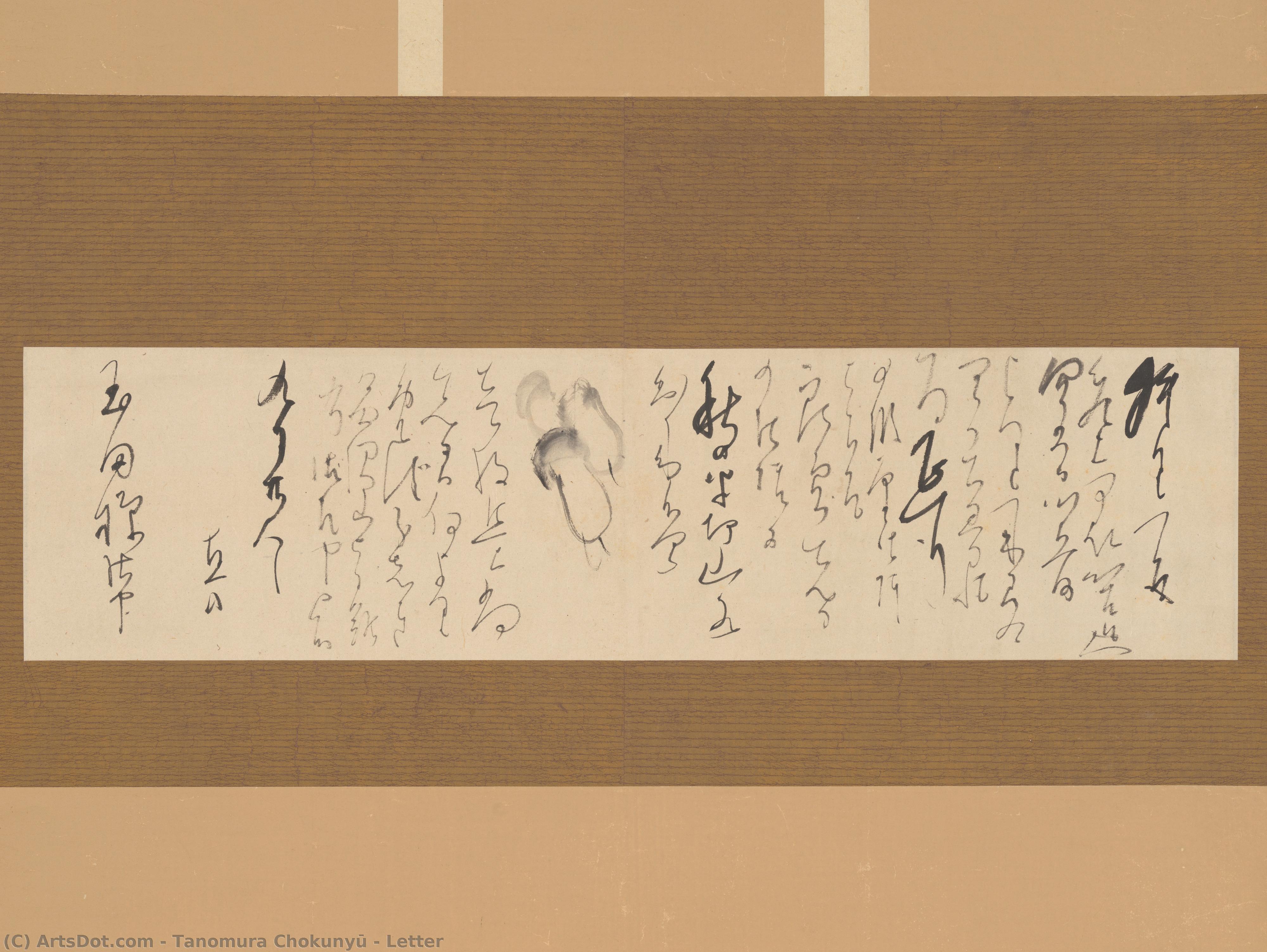
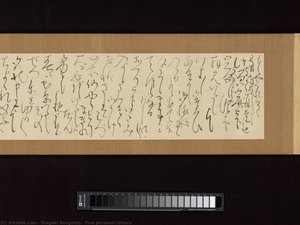
Letter
 Ink On Paper
- Nihonga
 801
801- 19th Century
 14.0cm x 56.0cm
 Читать далее
Приобретите цифровое изображение высокого разрешения в улучшенном качестве, которое значительно превосходит онлайн-превью.
Каждый файл тщательно подготавливается нашими специалистами с использованием передовых инструментов и экспертной ручной ретуши. Мы гарантируем исключительную четкость, точную цветопередачу и детальную проработку каждого изображения.
Финальный файл доставляется по электронной почте в течение 72 часов и оптимизирован для немедленного использования в профессиональной среде, при верстке и печати. Это тот же уровень качества, которому доверяют ведущие дизайнерские студии, издательства и галереи.
Цифровое изображение
Скачайте файл высокого разрешения для личного использования, печати и творческих проектов. ( Перейти к печати Купить картину ручной работы)
Включено в каждый заказ цифровых изображений
Гарантия экспертной цифровой доставки
Выбирая ArtsDot.com, вы получаете не просто изображение — вы приобретаете профессионально обработанное цифровое произведение искусства, созданное с безупречной точностью и под защитой гарантии качества. Вот всё, что автоматически входит в ваш заказ:

Мгновенная доставка по e-mail
Ваш цифровой файл в высоком разрешении будет отправлен вам по электронной почте в течение 72 часов после оформления заказа — и сразу станет доступен для использования.

Цифровой файл с ИИ-улучшением
Ваше произведение искусства проходит профессиональную оптимизацию с использованием передовых инструментов ИИ и ручной обработки, что гарантирует максимальную детализацию, четкость и точность цветопередачи.

Бессрочная бесплатная повторная доставка
Случайно удалили или потеряли файл? Не беспокойтесь — мы отправим его вам повторно в любое время и совершенно бесплатно.

Без импортных пошлин — навсегда
Наслаждайтесь вашим произведением искусства мгновенно без таможенных пошлин, сборов или затрат на доставку — цифровые загрузки всегда не облагаются налогом.

Гарантия точности цветопередачи
Мы гарантируем, что ваше цифровое изображение максимально точно передает оригинальные цвета благодаря использованию профессиональных инструментов и систем управления цветом.

Гарантия удовлетворенности 100 дней
Если вы не будете удовлетворены своим цифровым изображением, мы внесем правки или вернем 100% стоимости в течение 100 дней — без лишних вопросов.

100% Гарантия возврата средств
Не удовлетворены покупкой? Получите полный возврат средств в течение 100 дней после получения цифрового файла — без лишних вопросов.

Скидки на оптовые заказы
Купите 3 изображения, сэкономьте 10% — Купите 5, сэкономьте 15% — Купите 10+, сэкономьте 20%. Отличное решение для творческих проектов, галерей и агентств.
Introduction to the Artist: Tanomura Chokunyū
Tanomura Chokunyū (1814-1907) was a prominent Japanese artist who flourished during the Meiji period. He was an adopted stepchild of Tanomura Chokuryō, a famous kyōka poet, and studied under various masters such as Tanomura Chokuryō, Sumiyoshi Keiemon, and Kawakami Tōgai. Chokunyū was also a member of the Meiji Bijutsukai, the first domestic art association in Japan.Historical Context: The Nihonga Art Movement
The painting 'Letter' by Tanomura Chokunyū is an excellent example of the Nihonga art movement, which emerged during the Meiji period (1868-1912) as a response to the rise of Western-style painting known as Yōga. The term ''Nihonga'' literally translates to ''pictures of Japan,'' emphasizing its connection to traditional Japanese art forms. Nihonga artists used mineral pigments and organic materials on silk or paper, blending earlier schools and incorporating Western painting techniques such as perspective and shading.The Painting 'Letter' by Tanomura Chokunyū
The painting 'Letter' by Tanomura Chokunyū is a masterpiece of Nihonga art, measuring 14.5cm x 56.4cm and painted on paper. This letter was brushed by Chokunyū, a pupil and adopted son of Tanomura Chikuden (1777–1835), arguably the most important Nanga painter of the early nineteenth century. Chokunyū carried on his father’s legacy by helping establish Kyoto’s first art school, now known as the Kyoto City University of Arts (Kyoto Shiritsu Geijutsu Daigaku). He himself was a highly skilled painter in the Nanga tradition, specializing in landscapes executed in styles associated with great Chinese painters.Conclusion
The painting 'Letter' by Tanomura Chokunyū is an exceptional example of the Nihonga art movement and a testament to Chokunyū's mastery of traditional Japanese painting techniques. At ArtsDot.com, we offer high-quality hand-made oil paintings reproductions of this masterpiece, allowing art enthusiasts to appreciate the beauty and elegance of Nihonga art in their homes or offices. Tanomura Chokunyū: Letter (14.5cm x 56.4cm,Paper)Похожие произведения
Биография художника
Tanomura Chokunyū: Bridging Tradition and Modernity in Meiji Japan
Tanomura Chokunyū (1814-1907), a pivotal figure in late 19th-century Japanese art, stands as a testament to the dynamic interplay between tradition and innovation during the Meiji period. Born in Tokyo – though his family roots lay deeper in Bungo Province – Chokunyū’s life was inextricably linked to the legacy of his uncle, Watanabe Hoto, a prominent artist serving the influential Oka clan. This lineage provided him with an early foundation in artistic principles, ultimately shaping his distinctive style and contributing to his role as a key figure in bridging the gap between Nanga (literati painting) and burgeoning Western influences. His adopted father, Tanomura Chikuden, a master of the Nanga school, further solidified this connection, providing Chokunyū with invaluable instruction and setting him on a path that would ultimately define his artistic career.Early Life and Artistic Training
Chokunyū’s early years were marked by rigorous training under both Chikuden and Sumiyoshi Keiemon, absorbing the core tenets of Nanga painting – an aesthetic deeply rooted in Chinese literati traditions. This involved meticulous brushwork, a focus on capturing atmospheric perspective, and a preference for landscapes imbued with philosophical and poetic resonance. However, Chokunyū’s artistic journey took an unexpected turn when he encountered Kawakami Tōgai, a pioneering yōga (Western-style painting) artist. This exposure proved transformative, introducing him to Western techniques of observation, composition, and color theory. He diligently studied under Tōgai, skillfully integrating these new approaches into his existing skillset, demonstrating an exceptional ability to synthesize seemingly disparate artistic worlds. This dual training – steeped in the traditions of Nanga while embracing the innovations of yōga – is central to understanding Chokunyū’s unique and compelling style.Artistic Style and Techniques
Chokunyū's artistic voice was characterized by a remarkable synthesis of traditional Japanese techniques with Western influences. He primarily worked in oil on silk or wood, mediums that allowed him to achieve both the luminous effects favored in Nanga and the richer colors associated with Western painting. His landscapes, often depicting serene mountain vistas and evocative scenes of rural life, are immediately recognizable for their atmospheric depth and subtle color palettes. He skillfully employed techniques borrowed from Chinese literati painters like Mi Wanzhong, particularly in his use of layered washes and loose brushstrokes to convey a sense of distance and atmosphere. Yet, unlike many of his contemporaries, Chokunyū didn’t simply mimic these styles; he adapted them to his own sensibility, imbuing them with a distinctly Japanese aesthetic. His compositions often feature a carefully considered balance between the monumental scale of Chinese landscape painting and the more intimate perspective favored in Western art.Membership in the Meiji Bijutsukai and Contributions to Nanga
A significant milestone in Chokunyū’s career was his membership in the Meiji Bijutsukai (the Imperial Art Association), established in 1871 as Japan's first domestic art association dedicated to promoting Western-style painting. This association, a key driver of modernization and cultural exchange during the Meiji era, provided Chokunyū with a platform to showcase his work alongside other leading artists experimenting with yōga techniques. Despite embracing Western influences, he remained firmly committed to Nanga traditions, contributing significantly to its evolution. He played a crucial role in preserving and revitalizing this venerable style, ensuring its continued relevance within the broader Japanese art landscape. His work on the kanō school style art movement page highlights his mastery of traditional japanese painting techniques.Legacy and Historical Significance
Tanomura Chokunyū’s legacy extends far beyond his individual artistic achievements. He embodies the spirit of adaptation and innovation that defined Japan's transformation during the Meiji period. His ability to seamlessly blend traditional Nanga aesthetics with Western techniques represents a pivotal moment in Japanese art history, demonstrating a willingness to embrace change while remaining deeply rooted in cultural heritage. His contributions to the Meiji Bijutsukai helped shape the trajectory of modern Japanese painting, and his work continues to be studied and admired for its beauty, technical skill, and profound reflection of a nation undergoing rapid modernization. His influence can also be seen in the rise of Nihonga (Japanese-style painting) as a distinct movement responding to the increasing prominence of yōga. Chokunyū’s life and work serve as a powerful reminder of the dynamic interplay between tradition and innovation, and his place within Japanese art history is secure as a bridge between two worlds.
tanomura chokunyū 田能村直入
1814 - 1907 , Japan
Основные сведения
- Artistic Movement Or Style: Nanga & Nihonga blend
- Artists Or Movements Influenced By This Artist:
- Kanō School
- Nihonga movement
- Artists Who Influenced This Artist:
- Tanomura Chokuryō
- Sumiyoshi Keiemon
- Kawakami Tōgai
- Date Of Birth: March 31, 1814
- Date Of Death: 1907
- Full Name: Tanomura Chokunyū 田能村直入
- Nationality: Japanese
- Notable Artworks:
- White Clouds and Crimson Trees
- Mountain View and Blue Water
- Place Of Birth: Tokyo, Japan