

 Предпросмотр
 Поделиться
 Поделиться
 Детали произведения

 Скачать
 Похожие работы
 Рентгенография
 Слайд-шоу
 Статистика
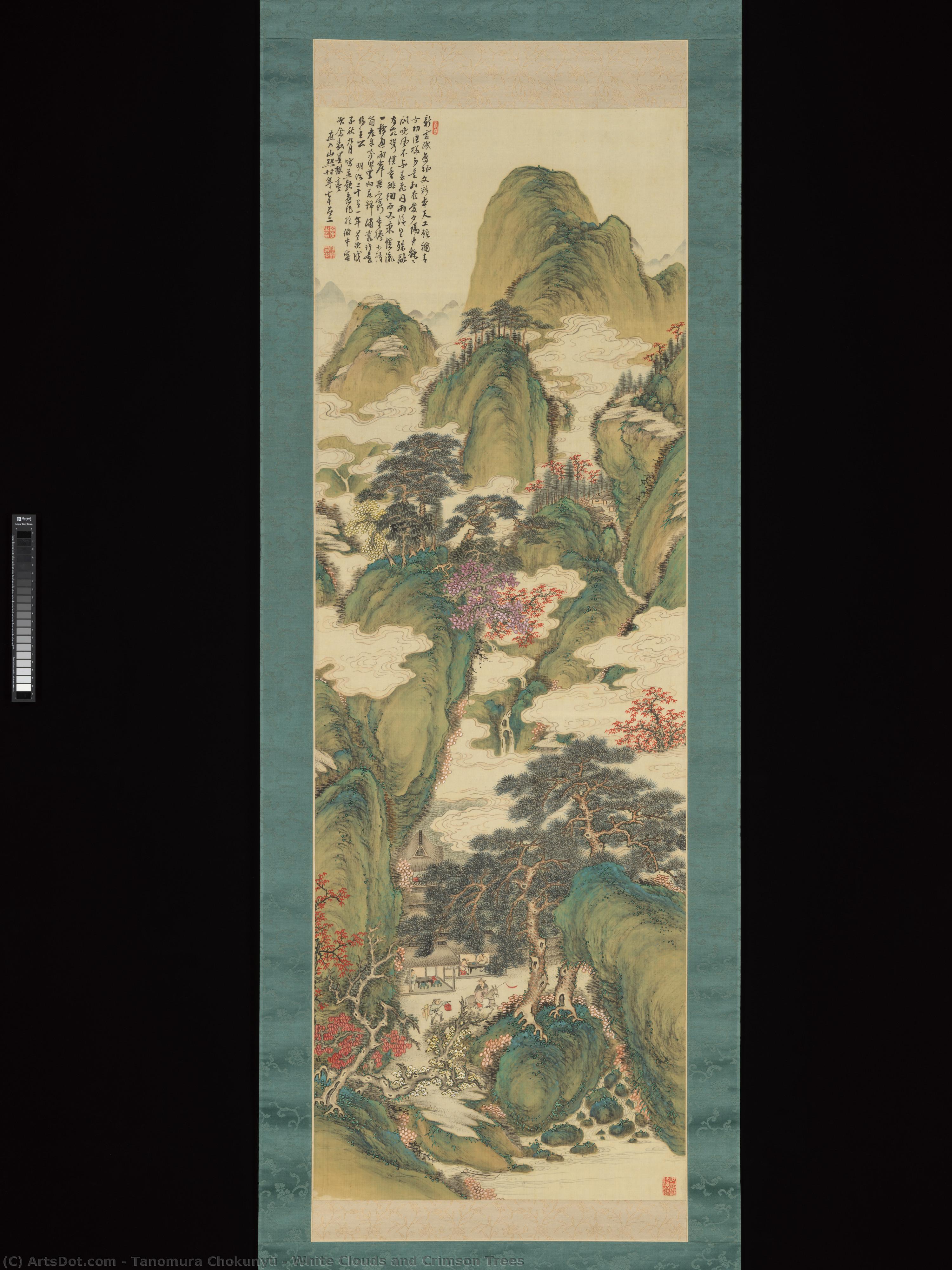
White Clouds and Crimson Trees


 Читать далее
Масляная репродукция ручной работы
Картина маслом на холсте в выбранном вами размере и раме, написанная на заказ нашими художниками. ( Перейти к печати Перейти к цифровым изображениям)




































Выберите один из наших стандартных размеров, соответствующих оригинальным пропорциям произведения искусства.

Вы можете указать собственные размеры, чтобы картина идеально вписалась в выбранную раму или пространство. Если выбранный вами размер не соответствует пропорциям оригинала, мы либо обрежем полотно, либо расширим его за счет дополнительных элементов, написанных вручную. Цифровой макет будет отправлен вам на утверждение перед началом производства.
Обратите внимание, что предварительный просмотр на экране не отражает фактическую обрезку или расширение. Только макет точно покажет окончательную композицию.
Хотя доступны индивидуальные размеры, мы рекомендуем выбирать вариант из предопределенного списка, чтобы сохранить исходные пропорции.
После оформления заказа команда ArtsDot.com свяжется с клиентом по электронной почте для уточнения деталей и предоставит предварительный макет
Доставка по всему миру () за 3–4 недели вместо стандартных 5 недель. (13 Сентябрь). Без компромиссов в качестве.

Бесплатная экспресс-доставка по всему миру

Высококачественный льняной холст

Полное страхование доставки

Гарантия возмещения таможенных пошлин

Гарантия точного соответствия цветов

100-дневная политика возврата (только при обнаружении дефектов)

Гарантия возврата 100% средств

Предложение оптовых скидок
 Вариант со стеклом доступен только для размеров менее 110 см

White Clouds and Crimson Trees
Техника репродукции
Размер репродукции
-


Итоговая стоимость
$ 263
Похожие произведения

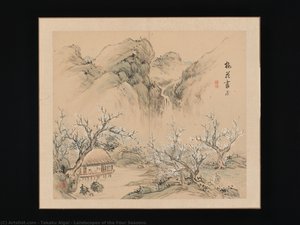
Биография художника
Tanomura Chokunyū: Bridging Tradition and Modernity in Meiji Japan
Tanomura Chokunyū (1814-1907), a pivotal figure in late 19th-century Japanese art, stands as a testament to the dynamic interplay between tradition and innovation during the Meiji period. Born in Tokyo – though his family roots lay deeper in Bungo Province – Chokunyū’s life was inextricably linked to the legacy of his uncle, Watanabe Hoto, a prominent artist serving the influential Oka clan. This lineage provided him with an early foundation in artistic principles, ultimately shaping his distinctive style and contributing to his role as a key figure in bridging the gap between Nanga (literati painting) and burgeoning Western influences. His adopted father, Tanomura Chikuden, a master of the Nanga school, further solidified this connection, providing Chokunyū with invaluable instruction and setting him on a path that would ultimately define his artistic career.Early Life and Artistic Training
Chokunyū’s early years were marked by rigorous training under both Chikuden and Sumiyoshi Keiemon, absorbing the core tenets of Nanga painting – an aesthetic deeply rooted in Chinese literati traditions. This involved meticulous brushwork, a focus on capturing atmospheric perspective, and a preference for landscapes imbued with philosophical and poetic resonance. However, Chokunyū’s artistic journey took an unexpected turn when he encountered Kawakami Tōgai, a pioneering yōga (Western-style painting) artist. This exposure proved transformative, introducing him to Western techniques of observation, composition, and color theory. He diligently studied under Tōgai, skillfully integrating these new approaches into his existing skillset, demonstrating an exceptional ability to synthesize seemingly disparate artistic worlds. This dual training – steeped in the traditions of Nanga while embracing the innovations of yōga – is central to understanding Chokunyū’s unique and compelling style.Artistic Style and Techniques
Chokunyū's artistic voice was characterized by a remarkable synthesis of traditional Japanese techniques with Western influences. He primarily worked in oil on silk or wood, mediums that allowed him to achieve both the luminous effects favored in Nanga and the richer colors associated with Western painting. His landscapes, often depicting serene mountain vistas and evocative scenes of rural life, are immediately recognizable for their atmospheric depth and subtle color palettes. He skillfully employed techniques borrowed from Chinese literati painters like Mi Wanzhong, particularly in his use of layered washes and loose brushstrokes to convey a sense of distance and atmosphere. Yet, unlike many of his contemporaries, Chokunyū didn’t simply mimic these styles; he adapted them to his own sensibility, imbuing them with a distinctly Japanese aesthetic. His compositions often feature a carefully considered balance between the monumental scale of Chinese landscape painting and the more intimate perspective favored in Western art.Membership in the Meiji Bijutsukai and Contributions to Nanga
A significant milestone in Chokunyū’s career was his membership in the Meiji Bijutsukai (the Imperial Art Association), established in 1871 as Japan's first domestic art association dedicated to promoting Western-style painting. This association, a key driver of modernization and cultural exchange during the Meiji era, provided Chokunyū with a platform to showcase his work alongside other leading artists experimenting with yōga techniques. Despite embracing Western influences, he remained firmly committed to Nanga traditions, contributing significantly to its evolution. He played a crucial role in preserving and revitalizing this venerable style, ensuring its continued relevance within the broader Japanese art landscape. His work on the kanō school style art movement page highlights his mastery of traditional japanese painting techniques.Legacy and Historical Significance
Tanomura Chokunyū’s legacy extends far beyond his individual artistic achievements. He embodies the spirit of adaptation and innovation that defined Japan's transformation during the Meiji period. His ability to seamlessly blend traditional Nanga aesthetics with Western techniques represents a pivotal moment in Japanese art history, demonstrating a willingness to embrace change while remaining deeply rooted in cultural heritage. His contributions to the Meiji Bijutsukai helped shape the trajectory of modern Japanese painting, and his work continues to be studied and admired for its beauty, technical skill, and profound reflection of a nation undergoing rapid modernization. His influence can also be seen in the rise of Nihonga (Japanese-style painting) as a distinct movement responding to the increasing prominence of yōga. Chokunyū’s life and work serve as a powerful reminder of the dynamic interplay between tradition and innovation, and his place within Japanese art history is secure as a bridge between two worlds.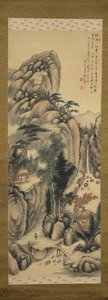
tanomura chokunyū 田能村直入
1814 - 1907 , Japan
Основные сведения
- Artistic Movement Or Style: Nanga & Nihonga blend
- Artists Or Movements Influenced By This Artist:
- Kanō School
- Nihonga movement
- Artists Who Influenced This Artist:
- Tanomura Chokuryō
- Sumiyoshi Keiemon
- Kawakami Tōgai
- Date Of Birth: March 31, 1814
- Date Of Death: 1907
- Full Name: Tanomura Chokunyū 田能村直入
- Nationality: Japanese
- Notable Artworks:
- White Clouds and Crimson Trees
- Mountain View and Blue Water
- Place Of Birth: Tokyo, Japan
Похожие статьи

Романтический пейзаж: 10 шедевров, изменивших искусство | ArtsDot.com
Погрузитесь в мир романтического пейзажа! 10 шедевров Фридриха, Тёрнера и других гениев. Узнайте историю создания культовых картин и вдохновитесь для декора интерьера. Репродукции высокого качества на ArtsDot.com.
Serenity on Canvas: A Guide to the Timeless Beauty of Japanese Landscape Painting
Discover the serene beauty of Japanese landscape painting. From Hokusai's iconic woodblock prints to meditative sumi-e ink washes, explore a visual journey through the 'floating world' and learn how to bring this timeless Zen aesthetic into your modern home decor.
Ephemeral Expressions: Exploring the Nuances of Ink on Paper Through History & Contemporary Art
Explore the captivating world of ink wash painting – from its ancient origins to contemporary masters. Discover techniques, symbolism & conservation insights with ArtsDot.com.

Evocations of Place: A Historical Journey Through Landscape Art
Explore the rich history of landscape art with ArtsDot. Discover renowned artists, movements like Impressionism & Romanticism, and expert guidance for collecting timeless pieces. Find your perfect serene escape today!

Топ-25 шедевров Кацусики Хокусая: Искусство Японии для вашего интерьера
Погрузитесь в мир гения Кацусики Хокусая! 25 легендарных гравюр укиё-э, включая "Великую волну". История искусства Японии и вдохновение для вашего интерьера. Репродукции высокого качества на ArtsDot.com.