

 Предпросмотр
 Поделиться
 Поделиться
 Детали произведения

 Скачать
 Похожие работы
 Рентгенография
 Слайд-шоу
 Статистика
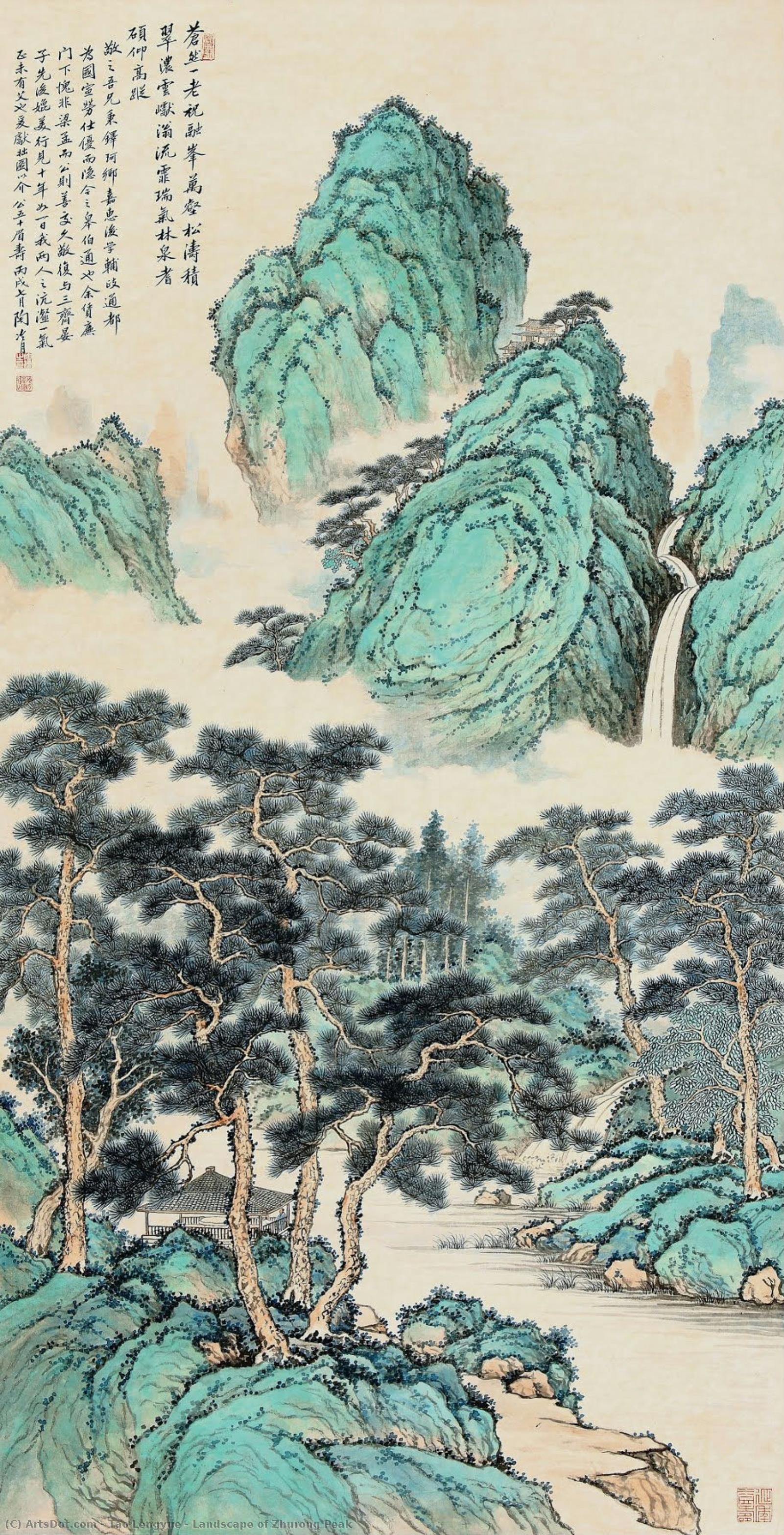
Landscape of Zhurong Peak

 Читать далее
Приобретите цифровое изображение высокого разрешения в улучшенном качестве, которое значительно превосходит онлайн-превью.
Каждый файл тщательно подготавливается нашими специалистами с использованием передовых инструментов и экспертной ручной ретуши. Мы гарантируем исключительную четкость, точную цветопередачу и детальную проработку каждого изображения.
Финальный файл доставляется по электронной почте в течение 72 часов и оптимизирован для немедленного использования в профессиональной среде, при верстке и печати. Это тот же уровень качества, которому доверяют ведущие дизайнерские студии, издательства и галереи.
Цифровое изображение
Скачайте файл высокого разрешения для личного использования, печати и творческих проектов. ( Перейти к печати Купить картину ручной работы)
Включено в каждый заказ цифровых изображений
Гарантия экспертной цифровой доставки
Выбирая ArtsDot.com, вы получаете не просто изображение — вы приобретаете профессионально обработанное цифровое произведение искусства, созданное с безупречной точностью и под защитой гарантии качества. Вот всё, что автоматически входит в ваш заказ:

Мгновенная доставка по e-mail
Ваш цифровой файл в высоком разрешении будет отправлен вам по электронной почте в течение 72 часов после оформления заказа — и сразу станет доступен для использования.

Цифровой файл с ИИ-улучшением
Ваше произведение искусства проходит профессиональную оптимизацию с использованием передовых инструментов ИИ и ручной обработки, что гарантирует максимальную детализацию, четкость и точность цветопередачи.

Бессрочная бесплатная повторная доставка
Случайно удалили или потеряли файл? Не беспокойтесь — мы отправим его вам повторно в любое время и совершенно бесплатно.

Без импортных пошлин — навсегда
Наслаждайтесь вашим произведением искусства мгновенно без таможенных пошлин, сборов или затрат на доставку — цифровые загрузки всегда не облагаются налогом.

Гарантия точности цветопередачи
Мы гарантируем, что ваше цифровое изображение максимально точно передает оригинальные цвета благодаря использованию профессиональных инструментов и систем управления цветом.

Гарантия удовлетворенности 100 дней
Если вы не будете удовлетворены своим цифровым изображением, мы внесем правки или вернем 100% стоимости в течение 100 дней — без лишних вопросов.

100% Гарантия возврата средств
Не удовлетворены покупкой? Получите полный возврат средств в течение 100 дней после получения цифрового файла — без лишних вопросов.

Скидки на оптовые заказы
Купите 3 изображения, сэкономьте 10% — Купите 5, сэкономьте 15% — Купите 10+, сэкономьте 20%. Отличное решение для творческих проектов, галерей и агентств.
Похожие произведения








Биография художника
Tao Lengyue: Weaver of Moonlight and Myth
Born in Suzhou, Jiangsu province, in 1895, Tao Lengyue (also known by his courtesy name Yongshao and literary names Hongzhai, Wuliuhouren, and Kemengdaoren) emerged as a significant figure within the landscape of late 19th and early 20th-century Chinese painting. His artistic journey was deeply intertwined with the traditions of Shanshui painting – a style emphasizing naturalism and atmospheric perspective – while simultaneously incorporating elements of Western techniques and influences, reflecting the dynamic cultural shifts occurring in China during this period. His life spanned nearly a century, witnessing profound transformations within his homeland and leaving behind a legacy of evocative landscapes imbued with both serene beauty and subtle symbolism.
Tao’s early artistic development was profoundly shaped by his lineage. He descended from Wu Liu (1823-1895), a renowned Shanshui master known for his atmospheric depictions of mountains and rivers. This familial connection instilled in Tao a deep respect for the principles of traditional Chinese landscape painting, including meticulous brushwork, careful observation of nature, and an understanding of *qi* – the vital energy believed to permeate all things. However, unlike many artists who remained strictly within established conventions, Tao demonstrated a willingness to experiment with new approaches, particularly during his time in Shanghai, where he encountered Western art movements and techniques.
A Life Bridging Tradition and Modernity
Tao’s life was marked by both artistic pursuits and administrative roles. He served as a librarian at the Shanghai Museum, an experience that undoubtedly enriched his understanding of Chinese art history and cultural heritage. He also held positions as a professor and dean at various universities, including National Jinan University and Henan University, where he imparted his knowledge and fostered the development of young artists. This dual existence – artist and educator – provided him with valuable insights into the broader context of artistic creation and its role within society.
During the 1930s, Tao’s artistic focus shifted to Shanghai, a vibrant hub of cultural exchange. This period witnessed a significant expansion of his stylistic range. He became particularly celebrated for his depictions of moonlight scenes – a recurring motif in his work that resonated with Daoist and Buddhist philosophies emphasizing tranquility, introspection, and the connection between humanity and the cosmos. These paintings often featured solitary pine trees silhouetted against a luminous moon, evoking feelings of solitude, contemplation, and spiritual awakening. He also explored themes of mythology and folklore, drawing inspiration from Chinese legends and stories.
Technique and Style: A Synthesis of Influences
Tao Lengyue’s artistic style is characterized by a remarkable synthesis of traditional Shanshui techniques and Western influences. He masterfully employed *gongbi* brushwork – a meticulous, controlled style associated with court painting – to render intricate details in his landscapes, while simultaneously utilizing looser, more expressive strokes reminiscent of Impressionism. His use of ink washes created subtle gradations of tone and texture, capturing the atmospheric effects of light and shadow with remarkable sensitivity. He was particularly adept at conveying the ethereal quality of moonlight, employing delicate layers of white ink to create a luminous glow.
His works often incorporate symbolic elements drawn from Taoist and Buddhist beliefs. Pine trees, for example, are frequently depicted as symbols of longevity and resilience, while plum blossoms represent purity and perseverance in the face of adversity. The moon itself embodies enlightenment and spiritual awakening. These symbolic layers add depth and meaning to his paintings, inviting viewers to contemplate their own relationship with nature and the universe.
Legacy and Recognition
Tao Lengyue’s artistic contributions have been increasingly recognized in recent years. His works are held in prominent collections, including those of the Shanghai Museum and other major institutions. His paintings exemplify a pivotal moment in Chinese art history – a time when traditional techniques were being reinterpreted through a modern lens, resulting in a uniquely expressive and evocative style. He remains an important figure for understanding the evolution of landscape painting in China during the 20th century, bridging the gap between tradition and innovation with grace and artistry.
His paintings continue to resonate with viewers today, offering a glimpse into a world where nature, mythology, and spirituality converge in a harmonious and profoundly moving visual experience.
tao lengyue
1895 - 1985
Основные сведения
- Artistic Movement Or Style: Chinese Landscape Painting
- Artists Or Movements Influenced By This Artist: ['Shanshui School']
- Artists Who Influenced This Artist: ['Wu Liu']
- Date Of Birth: 1895
- Date Of Death: 1985
- Full Name: Tao Lengyue
- Nationality: Chinese
- Notable Artworks:
- Cherries & Green Plums
- Landscape of Zhurong Peak
- Full Moon
- Place Of Birth: Suzhou, Jiangsu, China