

 Предпросмотр
 Поделиться
 Поделиться
 Детали произведения

 Скачать
 Похожие работы
 Рентгенография
 Слайд-шоу
 Статистика
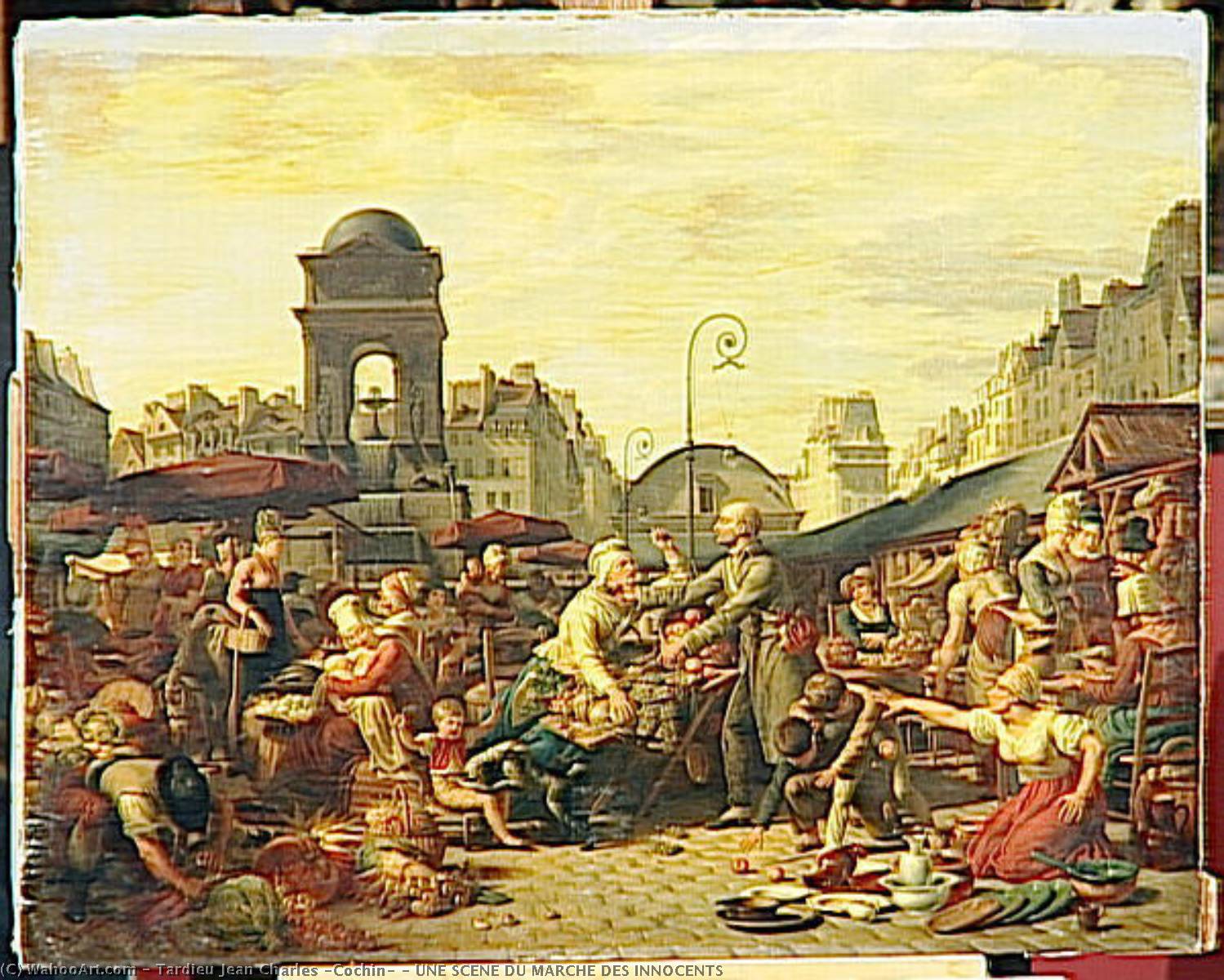
UNE SCENE DU MARCHE DES INNOCENTS


 Читать далее
Жикле / Арт-принт
Печать (жикле) или холст музейного качества с быстрыми сроками изготовления и широким выбором вариантов отделки. ( Купить картину ручной работы Перейти к цифровым изображениям)




































Выберите один из наших стандартных размеров, соответствующих оригинальным пропорциям произведения искусства.

Вы можете указать свои собственные размеры, чтобы репродукция идеально подошла под конкретную раму или пространство. Если выбранный вами размер не будет соответствовать пропорциям оригинала, мы либо обрежем произведение, либо дополним изображение зеркальным отражением краев или однотонной заливкой. Перед началом производства вам будет отправлен цифровой макет для утверждения.
Пожалуйста, обратите внимание, что предварительный просмотр на экране не отображает фактическую обрезку или расширение изображения. Только макет точно покажет финальную композицию.
Несмотря на возможность заказа индивидуальных размеров, мы рекомендуем выбирать размер из предопределенного списка, чтобы сохранить оригинальные пропорции.
Доставка по всему миру () за 2 недели вместо стандартных 4/5 недель. (10 Сентябрь)

Бесплатная экспресс-доставка по всему миру

Высококачественный льняной холст

Полное страхование доставки

Гарантия возмещения таможенных пошлин

Гарантия точного соответствия цветов

100-дневная политика возврата (только при обнаружении дефектов)

Гарантия возврата 100% средств

Предложение оптовых скидок
 Вариант со стеклом доступен только для размеров менее 110 см

UNE SCENE DU MARCHE DES INNOCENTS
Жикле / Арт-принт
Размер репродукции
-


Итоговая стоимость
$ 62
Похожие произведения
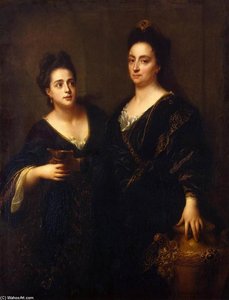
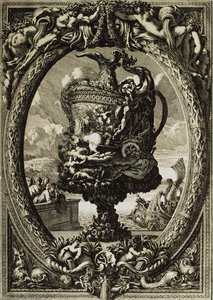
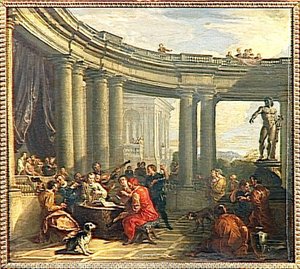
Биография художника
A Legacy of Grandeur: The Life and Art of Jean-Charles Tardieu
In the turbulent yet magnificent era spanning the Napoleonic Empire and the Bourbon Restoration, few artists captured the shifting tides of French identity as effectively as Jean-Charles Tardieu. Known to many as Tardieu-Cochin, he was a painter whose brush danced between the dramatic shadows of the Baroque tradition and the disciplined clarity of Neoclassicism. Born in Paris on September 3, 1765, Tardieu was not merely an observer of history but a descendant of it; his lineage was deeply rooted in the prestigious world of French engraving. As the son of Jacques-Nicolas Tardieu and the grandson of the celebrated Nicolas-Henri Tardieu, he grew up surrounded by the meticulous precision of the King's engravers, a heritage that undoubtedly informed his profound respect for detail and anatomical accuracy.
Tardieu’s artistic evolution was shaped by a rigorous academic foundation. While early influences from the Baroque movement—likely through studies under Jean-Baptiste Camille Bouchardy—instilled in him a love for dynamic composition and emotional depth, his formal training under Jean-Bapiste Regnault anchored him in the prestigious Neoclassical style. This period of his life was marked by both struggle and triumph; though he narrowly missed the prestigious Grand Prix de Rome, his achievement of the second prize in 1790 signaled his arrival as a formidable talent in the Parisian art scene. His work began to reflect a unique synthesis: the sweeping, theatrical energy of the old masters blended with the rational, idealized beauty championed by contemporaries like Jacques-Louis David.
Mastery of History and the Royal Canvas
The true brilliance of Tardieu lay in his ability to transform historical narratives into living, breathing spectacles. He was a master of the tableau, creating large-scale works that did more than just document events—they celebrated them. His repertoire was vast, ranging from sweeping historical chronicles to intimate portraits and serene landscapes. During the reigns of Napoleon, Louis XVIII, and Charles X, Tardieu became a preferred chronicler for the French state. Much of his most significant output was commissioned by the government, destined for the most hallowed halls of French power, including the palaces of Versailles, Saint-Cloud, Fontainebleau, and Compiègne.
His technical prowess allowed him to navigate various genres with ease:
- Historical Narratives: Works such as Henri IV devant Paris showcased his ability to capture the gravity of political turning points through dramatic lighting and complex figure arrangements.
- Religious and Mythological Subjects: Drawing from his Baroque roots, he utilized expressive brushwork to imbue sacred scenes with a sense of divine movement and human emotion.
- Landscape and Genre Painting: In his later years, Tardieu turned toward the more tranquil realms of nature and everyday life, as seen in vibrant depictions like Une Scène du Marché des Innocents, where he captured the rhythmic pulse of Parisian commerce.
Historical Significance and Enduring Impression
Beyond the mere aesthetic beauty of his canvases, Tardieu’s work serves as a vital visual record of a France in transition. To look upon a Tardieu painting is to witness the tension between the old world of monarchical splendor and the new era of imperial ambition. His ability to secure commissions for major cathedrals, such as those in Rouen, Nîmes, and Lons-le-Saulnier, speaks to a level of trust and recognition that few artists of his generation achieved. He was an artist who could speak to both the crown and the church, bridging the gap between secular glory and spiritual devotion.
As he moved through the decades, his style matured into a sophisticated realism, characterized by a meticulous attention to texture and light that made his figures appear almost tactile. Though he passed away in Paris on April 3, 1830, leaving behind a legacy of works that continue to grace the halls of France's greatest museums, his impact remains. Jean-Charles Tardieu stands as a quintessential artist of his age—a painter who took the fragmented pieces of a changing nation and wove them into a cohesive, grand, and enduring tapestry of French art history.
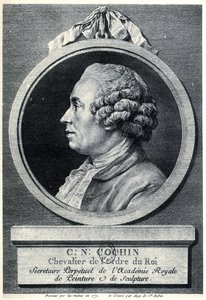
tardieu jean charles (cochin)
1765 - 1830
Основные сведения
- Artistic Movement Or Style: Baroque Realism
- Date Of Birth: 1765
- Date Of Death: 1830
- Full Name: Jean-Charles Tardieu
- Nationality: French
- Notable Artworks:
- Une Scene du Marche des Innocents
- Female Figure. Study for the drawing ‘Birth of Louis XV’
- HENRI IV DEVANT PARIS.
- Place Of Birth: Paris, France
Похожие статьи

10 Шедевров Барокко: Искусство, изменившее мир | ArtsDot.com
Погрузитесь в мир барокко! 10 шедевров Караваджо, Рембрандта и других великих художников. Узнайте историю создания культовых картин и найдите идеальную репродукцию для вашего интерьера на ArtsDot.com
Baroque Realism: Illusion, Emotion & the Dramatic Transformation of 17th-Century Art
Explore the dramatic world of Baroque Realism! Discover iconic artists like Caravaggio & Rubens, their techniques, and the movement's lasting impact on art history. Expert insights for collectors & enthusiasts.

The Dramatic Flourish: Exploring the Baroque Movement's Enduring Legacy in Art History
Explore the dramatic world of Baroque art! Discover iconic artists like Caravaggio & Rubens, defining techniques, and its lasting impact on art history. Expert insights for collectors & enthusiasts at ArtsDot.

Romantic Realism's Finest: 10 Masterpieces for Your Home | ArtsDot
Explore 10 defining masterpieces of Romantic Realism! Discover Courbet, Millet & Daumier's powerful paintings—capturing emotion and social realities. Find museum-quality reproductions for your home at ArtsDot.com.
Decoding Baroque Grandeur: A Guide to the Drama and Emotion of 17th-Century Art
Explore the breathtaking drama of 17th-century Baroque art. Our expert guide decodes the use of chiaroscuro, emotional intensity, and historical grandeur to help you appreciate and curate timeless masterpieces for your collection.