 Предпросмотр
 Поделиться
 Поделиться
 Детали произведения

 Скачать
 Похожие работы
 Рентгенография
 Слайд-шоу
 Статистика
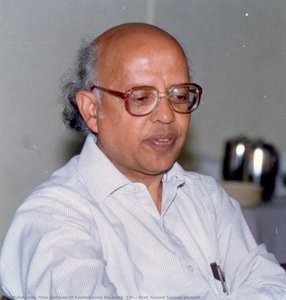
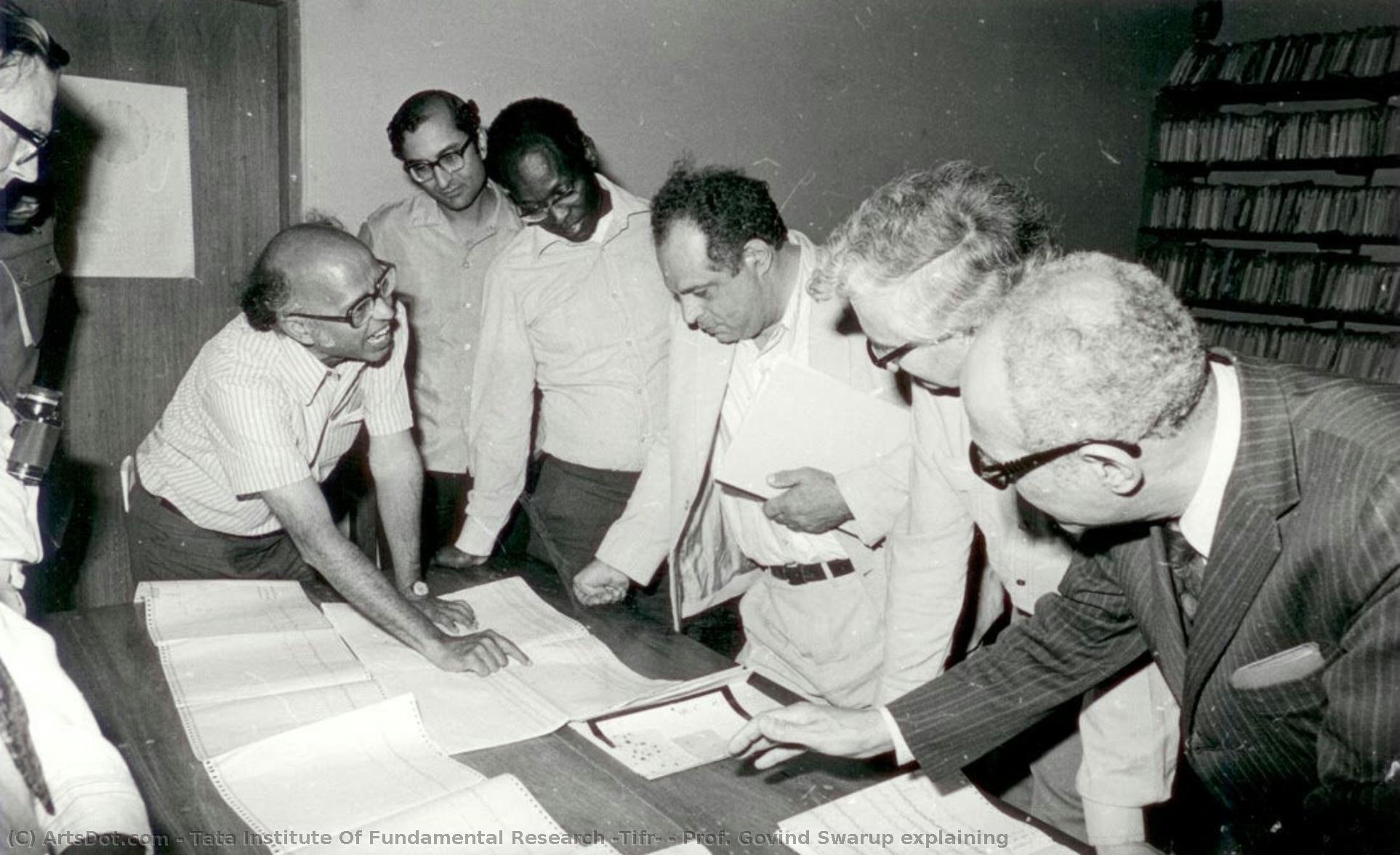
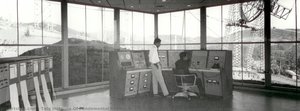
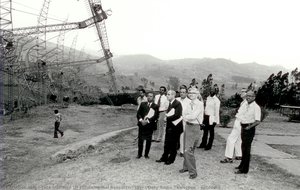
Prof. Govind Swarup explaining


 Читать далее
Приобретите цифровое изображение высокого разрешения в улучшенном качестве, которое значительно превосходит онлайн-превью.
Каждый файл тщательно подготавливается нашими специалистами с использованием передовых инструментов и экспертной ручной ретуши. Мы гарантируем исключительную четкость, точную цветопередачу и детальную проработку каждого изображения.
Финальный файл доставляется по электронной почте в течение 72 часов и оптимизирован для немедленного использования в профессиональной среде, при верстке и печати. Это тот же уровень качества, которому доверяют ведущие дизайнерские студии, издательства и галереи.
Цифровое изображение
Скачайте файл высокого разрешения для личного использования, печати и творческих проектов. ( Перейти к печати Купить картину ручной работы)
Включено в каждый заказ цифровых изображений
Гарантия экспертной цифровой доставки
Выбирая ArtsDot.com, вы получаете не просто изображение — вы приобретаете профессионально обработанное цифровое произведение искусства, созданное с безупречной точностью и под защитой гарантии качества. Вот всё, что автоматически входит в ваш заказ:

Мгновенная доставка по e-mail
Ваш цифровой файл в высоком разрешении будет отправлен вам по электронной почте в течение 72 часов после оформления заказа — и сразу станет доступен для использования.

Цифровой файл с ИИ-улучшением
Ваше произведение искусства проходит профессиональную оптимизацию с использованием передовых инструментов ИИ и ручной обработки, что гарантирует максимальную детализацию, четкость и точность цветопередачи.

Бессрочная бесплатная повторная доставка
Случайно удалили или потеряли файл? Не беспокойтесь — мы отправим его вам повторно в любое время и совершенно бесплатно.

Без импортных пошлин — навсегда
Наслаждайтесь вашим произведением искусства мгновенно без таможенных пошлин, сборов или затрат на доставку — цифровые загрузки всегда не облагаются налогом.

Гарантия точности цветопередачи
Мы гарантируем, что ваше цифровое изображение максимально точно передает оригинальные цвета благодаря использованию профессиональных инструментов и систем управления цветом.

Гарантия удовлетворенности 100 дней
Если вы не будете удовлетворены своим цифровым изображением, мы внесем правки или вернем 100% стоимости в течение 100 дней — без лишних вопросов.

100% Гарантия возврата средств
Не удовлетворены покупкой? Получите полный возврат средств в течение 100 дней после получения цифрового файла — без лишних вопросов.

Скидки на оптовые заказы
Купите 3 изображения, сэкономьте 10% — Купите 5, сэкономьте 15% — Купите 10+, сэкономьте 20%. Отличное решение для творческих проектов, галерей и агентств.
Похожие произведения

Биография художника
The Pioneering Vision of the Tata Institute of Fundamental Research
The Tata Institute of Fundamental Research (TIFR), established in 1945, isn’t a single artist in the traditional sense, but rather a collective intellectual force – an institution that has profoundly shaped the landscape of Indian science and mathematics. Its story is one of ambitious vision, unwavering dedication to basic research, and a commitment to fostering a uniquely collaborative environment. Founded by J.R.D. Tata with Homi Bhabha as its driving spirit, TIFR emerged from a post-colonial India eager to establish itself on the global stage of scientific innovation. The impetus wasn’t merely national pride; it was a belief that fundamental research – the pursuit of knowledge for its own sake – held the key to long-term societal progress. Bhabha envisioned an institute free from the immediate pressures of practical application, allowing scientists to explore the deepest mysteries of the universe without constraint. This ethos remains central to TIFR’s identity today.Early Years and the Atomic Age
The initial focus of TIFR was on nuclear physics, a field rapidly gaining prominence in the wake of World War II. Bhabha understood the potential – both peaceful and destructive – of atomic energy, and he strategically positioned TIFR to contribute to India’s burgeoning scientific capabilities. The institute quickly attracted brilliant minds, including C.V. Raman, K.S. Krishnan, and G.N. Ramachandran, laying the foundation for a culture of excellence. The early work at TIFR wasn't solely focused on theoretical pursuits; it involved building India’s first nuclear reactor, APSARA, in 1956 – a landmark achievement that demonstrated the nation’s self-reliance in atomic research. This period was characterized by intense activity and a sense of urgency, fueled by the geopolitical realities of the Cold War and India's desire for technological independence. However, Bhabha consistently emphasized that APSARA was not an end in itself but a tool to advance fundamental understanding of materials science and nuclear processes.Expanding Horizons: Mathematics, Astrophysics, and Beyond
As TIFR matured, its scope broadened significantly. Recognizing the interconnectedness of scientific disciplines, Bhabha championed the establishment of dedicated schools within the institute for mathematics, astrophysics, chemistry, biology, and geosciences. The School of Mathematics quickly became a world-renowned center for research in areas like topology, algebraic geometry, and number theory. The work of mathematicians like S.S. Abhyankar and C.P. Ramanujam cemented TIFR’s reputation as a hub for cutting-edge mathematical innovation. Similarly, the astrophysics group made significant contributions to cosmology, radio astronomy, and high-energy particle physics. This diversification wasn't accidental; it reflected Bhabha’s belief in the power of interdisciplinary collaboration – that breakthroughs often occur at the intersection of different fields. He actively encouraged scientists from various schools to engage in joint projects, fostering a unique intellectual synergy within the institute.A Legacy of Scientific Excellence and Mentorship
The impact of TIFR extends far beyond its specific research outputs. The institute has been instrumental in nurturing generations of Indian scientists, many of whom have gone on to become leaders in their respective fields both nationally and internationally. Bhabha himself was a remarkable mentor, known for his ability to identify talent and provide unwavering support to young researchers. This tradition of mentorship continues today, with senior scientists actively involved in guiding the next wave of scientific innovators.- The development of the Trombay reactor series, building on APSARA, demonstrated India’s growing expertise in nuclear technology.
- Significant contributions to understanding protein structure, particularly through the work of G.N. Ramachandran and his colleagues, revolutionized structural biology.
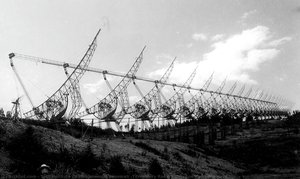
- Pioneering research in cosmology and radio astronomy, leading to a deeper understanding of the universe’s origins and evolution.
- The establishment of numerous national facilities, such as the National Centre for Radio Astronomy (NCRA), providing state-of-the-art infrastructure for scientific research.