

 Предпросмотр
 Поделиться
 Поделиться
 Детали произведения

 Скачать
 Похожие работы
 Рентгенография
 Слайд-шоу
 Статистика
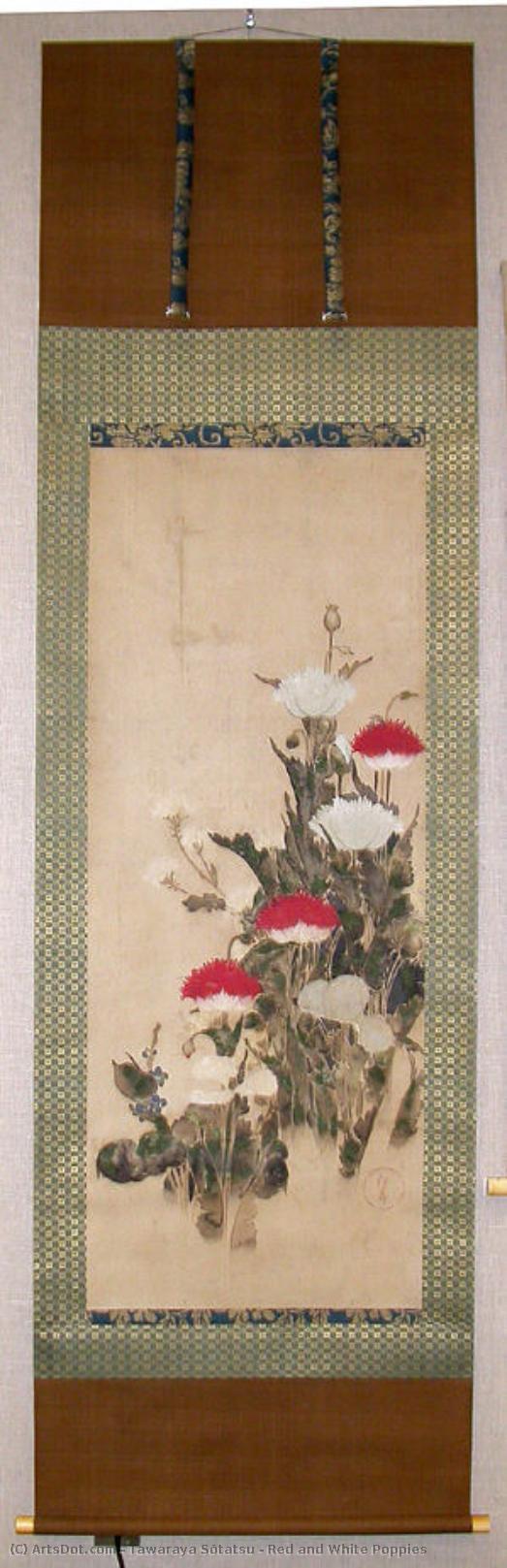
Red and White Poppies


 Читать далее
Масляная репродукция ручной работы
Картина маслом на холсте в выбранном вами размере и раме, написанная на заказ нашими художниками. ( Перейти к печати Перейти к цифровым изображениям)




P118B $10

P118H $10

P118W $10

P438Z $10

P508JH $12

P508YH $12

P805H $10

P805Z $10

P919BZ $10

P919G $10

P919XJ $10

P959ZH $10

P968JZ $12

W106C $8

W218G $10

W218JH $8

W218Y $10

W307PJ $10

W316G $10

W316PJ $8

W316Y $10

W398PJ $8

W4111J $10

W500HY $15

W500JH $15

W692G $12

W849H $8

W940BG $15

W953PJ $8




Выберите один из наших стандартных размеров, соответствующих оригинальным пропорциям произведения искусства.

Вы можете указать собственные размеры, чтобы картина идеально вписалась в выбранную раму или пространство. Если выбранный вами размер не соответствует пропорциям оригинала, мы либо обрежем полотно, либо расширим его за счет дополнительных элементов, написанных вручную. Цифровой макет будет отправлен вам на утверждение перед началом производства.
Обратите внимание, что предварительный просмотр на экране не отражает фактическую обрезку или расширение. Только макет точно покажет окончательную композицию.
Хотя доступны индивидуальные размеры, мы рекомендуем выбирать вариант из предопределенного списка, чтобы сохранить исходные пропорции.
После оформления заказа команда ArtsDot.com свяжется с клиентом по электронной почте для уточнения деталей и предоставит предварительный макет
Доставка по всему миру () за 3–4 недели вместо стандартных 5 недель. (12 Сентябрь). Без компромиссов в качестве.

Бесплатная экспресс-доставка по всему миру

Высококачественный льняной холст

Полное страхование доставки

Гарантия возмещения таможенных пошлин

Гарантия точного соответствия цветов

100-дневная политика возврата (только при обнаружении дефектов)

Гарантия возврата 100% средств

Предложение оптовых скидок
 Вариант со стеклом доступен только для размеров менее 110 см

Red and White Poppies
Техника репродукции
Размер репродукции
-


Итоговая стоимость
$ 263
Похожие произведения
Биография художника
The Genesis of a Visual Revolution
In the transformative era of the early Edo period, as Japan emerged from the shadows of civil war into a time of unprecedented cultural flourishing, the artistic landscape was forever altered by the hand of Tawaraya Sōtatsu. Though the precise details of his early life remain shrouded in the mists of history, scholars trace his origins to around 1570 in Nantou, Japan. Born into a family of skilled craftsmen specializing in the intricate art of lacquerware, Sōtatsu possessed an innate understanding of material, texture, and the interplay of light and surface. This foundational connection to craftsmanship would later become the bedrock of his painterly genius, allowing him to approach the canvas not merely as a storyteller, but as a designer of profound aesthetic impact. His early exposure to the meticulous demands of lacquerwork instilled in him a reverence for bold, decorative elements that would eventually define the Rinpa school.A Symbiosis of Spirit and Form
The trajectory of Sōtatsu’s career was irrevocably changed through his legendary collaboration with the visionary Hon'ami Kōetsu. This partnership was far more than a mere professional alliance; it was a creative crucible where calligraphy, design, and painting merged into a singular, revolutionary language. Together, they pioneered an aesthetic that moved away from the rigid traditions of the past toward something much more dynamic and ornamental. Sōlarity and movement became hallmarks of their work, as Sōtatsu applied his masterful designs to Kōetsu’s calligraphic masterpieces. This era saw the birth of a style characterized by lavish use of gold leaf, vibrant pigments, and a rhythmic composition that felt both ancient and startlingly modern. Through this synergy, the duo helped establish the Rinpa movement, an artistic lineage that would influence Japanese visual culture for centuries to come.Technique as Transcendence
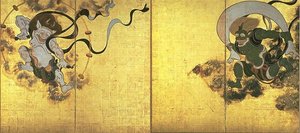
Beyond his collaborative triumphs, Sōtatsu’s individual technical innovations set him apart as a true master of illusion. He is perhaps most celebrated for the development of the tarashikomi technique—a method in which a second layer of wet pigment is dropped into a still-damp first layer. This process creates unpredictable, bleeding edges and ethereal textures that mimic the organic spontaneity of nature, such as the frothing crest of a wave or the delicate veins of a leaf. This mastery of fluid motion is nowhere more evident than in his iconic Wind God and Thunder God folding screens, which stand as National Treasures of Japan. In these works, the divine forces of nature are captured with a breathtaking balance of stylized power and atmospheric grace.An Enduring Legacy
The impact of Tawaraya Sōtatsu extends far beyond the borders of the Edo period. His ability to weave narrative depth with decorative splendor is seen in his evocative paintings from The Tale of Genji, where he transformed literary elegance into visual poetry. Whether through the rhythmic energy of his coastal landscapes or the intricate patterns of his furniture designs, Sōtatsu’s work continues to resonate with a sense of timelessness. His legacy remains etched in the very fabric of Japanese art, reminding us that true mastery lies in the ability to find the infinite within the beautifully designed.- Key Contributions:
- Co-founding the Rinpa school of painting.
- Pioneering the tarashikomi technique for organic textures.
- Revolutionizing the use of gold leaf and bold, decorative compositions in byōbu screens.
Tawaraya Sōtatsu
Japan
Основные сведения
- Artistic Movement Or Style: Rinpa school
- Artists Or Movements Influenced By This Artist:
- Ogata Kōrin
- Ogata Kenzan
- Sakai Hōitsu
- Artists Who Influenced This Artist: ["Hon'ami Kōetsu"]
- Date Of Birth: c. 1570
- Date Of Death: c. 1640
- Full Name: Tawaraya Sōtatsu
- Nationality: Japanese
- Notable Artworks:
- Wind God and Thunder God
- Sekiya chapters from The Tale of Genji
- Place Of Birth: Nantou, Japan
Похожие статьи

Топ-25 шедевров Кацусики Хокусая: Искусство Японии для вашего интерьера
Погрузитесь в мир гения Кацусики Хокусая! 25 легендарных гравюр укиё-э, включая "Великую волну". История искусства Японии и вдохновение для вашего интерьера. Репродукции высокого качества на ArtsDot.com.

Crimson Threads of Narrative: Exploring Symbolism & Representation in Artworks Featuring the Red Dress
Explore the rich symbolism of the red dress in art history! From ancient power displays to iconic portraits like Cézanne’s 'Madame Cezanne', discover the cultural and artistic significance behind this captivating color. Expert analysis & insights.
Марк Ротко: 25 шедевров абстрактного экспрессионизма для вашего интерьера | ArtsDot
Погрузитесь в мир Марка Ротко! 25 шедевров абстрактного экспрессионизма, полных эмоций и цвета. Узнайте историю создания культовых картин и найдите идеальную репродукцию для вашего интерьера на ArtsDot.com.

Serenity on Canvas: A Guide to the Timeless Beauty of Japanese Landscape Painting
Discover the serene beauty of Japanese landscape painting. From Hokusai's iconic woodblock prints to meditative sumi-e ink washes, explore a visual journey through the 'floating world' and learn how to bring this timeless Zen aesthetic into your modern home decor.
Japonisme: How Japanese Woodblock Prints Revolutionized Western Art
Explore the profound impact of Japonisme on Western art. Discover how Japanese ukiyo-e woodblock prints revolutionized perspective, color, and composition for masters like Monet and Van Gogh, forever changing the course of modern art history.