

 Предпросмотр
 Поделиться
 Поделиться
 Детали произведения

 Скачать
 Похожие работы
 Рентгенография
 Слайд-шоу
 Статистика
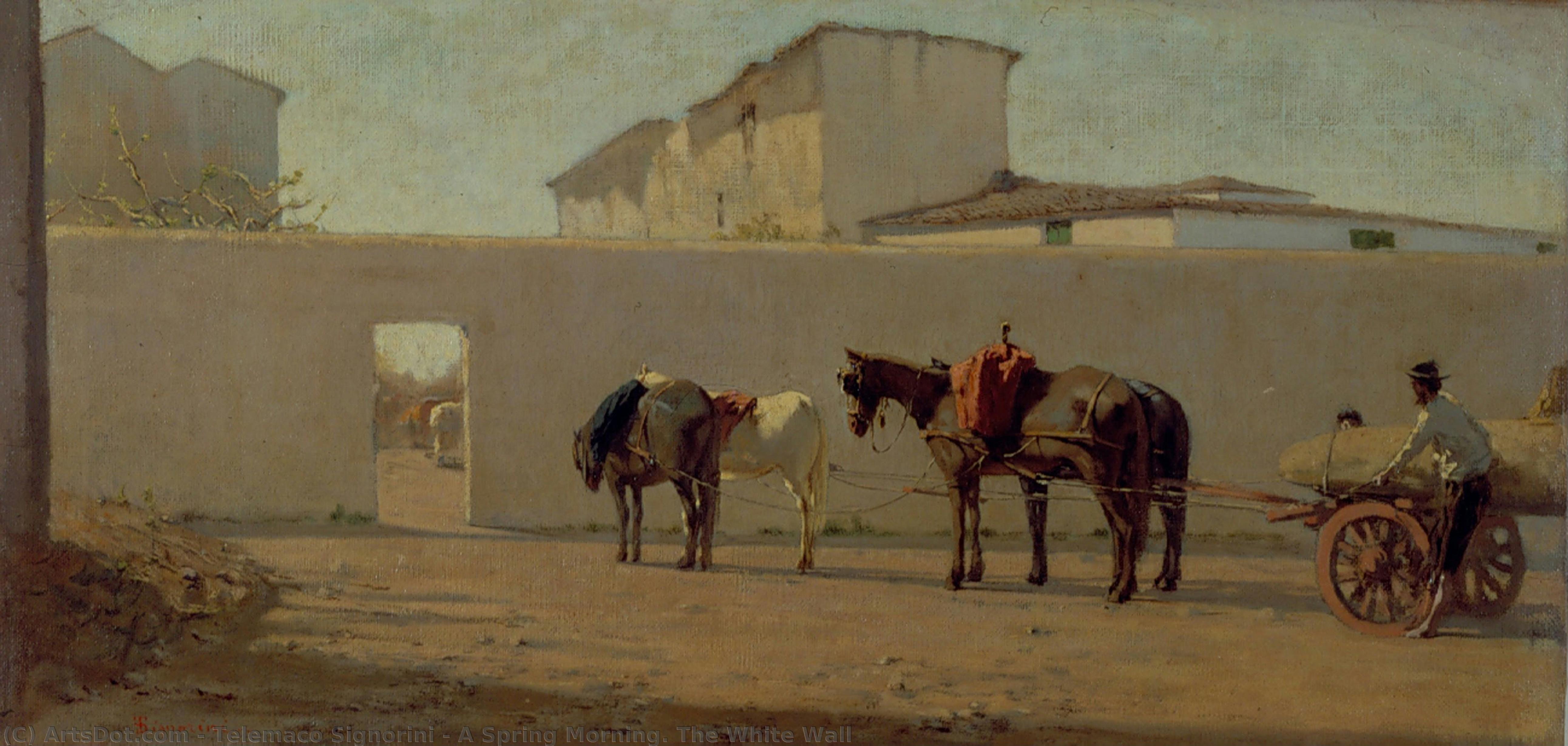
A Spring Morning. The White Wall
 Oil On Canvas
- WallArt
- Macchiaioli
 1866
1866 27.0 x 57.0 cm
 Музе́й импрессионизмов Живерни
 Читать далее
Приобретите цифровое изображение высокого разрешения в улучшенном качестве, которое значительно превосходит онлайн-превью.
Каждый файл тщательно подготавливается нашими специалистами с использованием передовых инструментов и экспертной ручной ретуши. Мы гарантируем исключительную четкость, точную цветопередачу и детальную проработку каждого изображения.
Финальный файл доставляется по электронной почте в течение 72 часов и оптимизирован для немедленного использования в профессиональной среде, при верстке и печати. Это тот же уровень качества, которому доверяют ведущие дизайнерские студии, издательства и галереи.
Цифровое изображение
Скачайте файл высокого разрешения для личного использования, печати и творческих проектов. ( Перейти к печати Купить картину ручной работы)
Включено в каждый заказ цифровых изображений
Гарантия экспертной цифровой доставки
Выбирая ArtsDot.com, вы получаете не просто изображение — вы приобретаете профессионально обработанное цифровое произведение искусства, созданное с безупречной точностью и под защитой гарантии качества. Вот всё, что автоматически входит в ваш заказ:

Мгновенная доставка по e-mail
Ваш цифровой файл в высоком разрешении будет отправлен вам по электронной почте в течение 72 часов после оформления заказа — и сразу станет доступен для использования.

Цифровой файл с ИИ-улучшением
Ваше произведение искусства проходит профессиональную оптимизацию с использованием передовых инструментов ИИ и ручной обработки, что гарантирует максимальную детализацию, четкость и точность цветопередачи.

Бессрочная бесплатная повторная доставка
Случайно удалили или потеряли файл? Не беспокойтесь — мы отправим его вам повторно в любое время и совершенно бесплатно.

Без импортных пошлин — навсегда
Наслаждайтесь вашим произведением искусства мгновенно без таможенных пошлин, сборов или затрат на доставку — цифровые загрузки всегда не облагаются налогом.

Гарантия точности цветопередачи
Мы гарантируем, что ваше цифровое изображение максимально точно передает оригинальные цвета благодаря использованию профессиональных инструментов и систем управления цветом.

Гарантия удовлетворенности 100 дней
Если вы не будете удовлетворены своим цифровым изображением, мы внесем правки или вернем 100% стоимости в течение 100 дней — без лишних вопросов.

100% Гарантия возврата средств
Не удовлетворены покупкой? Получите полный возврат средств в течение 100 дней после получения цифрового файла — без лишних вопросов.

Скидки на оптовые заказы
Купите 3 изображения, сэкономьте 10% — Купите 5, сэкономьте 15% — Купите 10+, сэкономьте 20%. Отличное решение для творческих проектов, галерей и агентств.
A Spring Morning. The White Wall: A Tuscan Reverie by Telemaco Signorini
Telemaco Signorini’s “A Spring Morning. The White Wall,” painted in 1866, is more than a simple depiction of rural Italian life; it's a poignant meditation on time, tradition, and the quiet beauty of the Tuscan landscape. Executed during his pivotal role within the Macchiaioli movement, this work exemplifies Signorini’s commitment to capturing fleeting moments with an unprecedented sense of immediacy and emotional resonance. The painting immediately draws the viewer into a scene of serene tranquility – a dusty road winding through a sun-drenched valley, punctuated by the sturdy presence of a weathered stone wall and the rhythmic motion of a horse-drawn cart.
- Subject Matter: The core subject is an everyday tableau: a farmer tending his livelihood. The man driving the cart, accompanied by two patient horses, embodies the spirit of rural labor and connection to the land.
- Composition & Color Palette: The horizontal emphasis dominates, mirroring the vastness of the landscape and creating a sense of stability. Signorini masterfully employs a muted palette – browns, tans, grays, and subtle greens – evoking a feeling of age and tranquility, characteristic of the Macchiaioli’s rejection of overly bright or idealized colors.
Technique & Style: The Essence of Macchialismo
“A Spring Morning. The White Wall” is a quintessential example of Macchialismo – a revolutionary approach to painting that Signorini and his fellow artists championed. This style, characterized by the use of ‘macchie’ (spots) of pure color applied directly to the canvas, eschewed meticulous detail in favor of capturing the *impression* of light and atmosphere. Notice how Signorini avoids sharp outlines, instead relying on blended hues to create a soft, almost dreamlike quality. The brushstrokes are visible, adding a tactile dimension to the work and reinforcing the sense that this is not a carefully constructed illusion but a genuine observation of reality. The flattened perspective, typical of plein air painting, further contributes to the artwork’s immersive effect.
- Oil on Canvas: The technique employed – oil paint on canvas – allows for rich color blending and subtle textural variations, crucial elements in Signorini's style.
- Macchialismo Application: The deliberate application of ‘macchie’ creates a vibrant yet subdued effect, emphasizing light and shadow rather than precise representation.
Historical Context & Symbolism
Painted in 1866, “A Spring Morning. The White Wall” reflects the broader social and artistic currents of its time. Signorini was deeply influenced by the burgeoning Italian realist movement, seeking to depict everyday life with honesty and without romantic embellishment. The weathered stone wall itself carries symbolic weight – representing resilience, endurance, and a connection to generations past. The arched doorway hints at a hidden world, perhaps suggesting the mysteries and secrets held within rural communities. The painting’s quiet dignity speaks to a yearning for simpler times, a sentiment powerfully expressed by the Macchiaioli as they challenged the academic conventions of the day.
Emotional Impact & Collectible Value
“A Spring Morning. The White Wall” possesses an undeniable emotional power. It evokes a sense of nostalgia, tranquility, and connection to the natural world. This piece is not merely a representation of a rural scene; it’s a window into a bygone era, capturing the essence of Italian life with remarkable sensitivity. Its size – 27 x 57 cm – makes it an ideal addition to a variety of interior spaces, from cozy living rooms to art studios. As a work by a pivotal figure in Italian art history and a key member of the influential Macchiaioli movement, this reproduction offers a unique opportunity to own a piece of artistic heritage.
Похожие произведения



Биография художника
Telemaco Signorini: A Pioneer of Light and Tuscan Realism
Telemaco Signorini (1835-1901) stands as a pivotal figure in Italian art, inextricably linked to the revolutionary Macchiaioli movement. Born in Santa Croce, Florence, into a family deeply rooted in artistic tradition – his father, Giovanni Signorini, was a court painter for the Grand Duke – Telemaco initially pursued literature before ultimately embracing the vibrant world of painting. This decision, encouraged by his father’s guidance, marked the beginning of a career dedicated to capturing the essence of Italian life and landscape with unprecedented honesty and innovation. His journey represents not just an artistic evolution but also a challenge to established academic conventions, solidifying his place as both a leading Macchiaioli artist and a crucial catalyst for the movement's success.The Macchiaioli: A New Approach to Painting
Signorini’s life coincided with the rise of the Macchiaioli – literally “the spot painters” – a group of artists who sought to break free from the rigid traditions of academic art in mid-19th century Italy. Dissatisfied with the polished, idealized scenes favored by the established academies, the Macchiaioli championed *en plein air* painting, meaning they worked directly outdoors, capturing the fleeting effects of natural light and color. This commitment to direct observation was revolutionary, prioritizing the immediate impression over meticulous detail or historical narrative. Signorini’s early years were spent absorbing this new philosophy, frequenting the legendary Caffè Michelangiolo in Florence, a hub for artistic discussion and experimentation. There, he connected with fellow Macchiaioli pioneers like Giovanni Fattori, Silvestro Lega, and Saverio Altamura, forging a collaborative spirit that fueled their shared vision. The group’s rejection of traditional subjects – history painting and formal portraits – paved the way for a more democratic and socially conscious art practice.Early Works and Parisian Influences
Signorini's early paintings were largely inspired by Walter Scott and Machiavelli, reflecting his literary inclinations and demonstrating an interest in narrative storytelling. However, it was his 1861 trip to Paris that proved transformative. This sojourn exposed him to the burgeoning Impressionist movement, particularly the work of Degas and the expatriate Italian artists residing in Paris – Giovanni Boldini, Giuseppe De Nittis, and Federico Zandomeneghi. Unlike these artists who largely maintained their Italian identity, Signorini remained deeply rooted in Tuscany, yet he absorbed many of the Impressionists’ techniques, notably their use of broken brushstrokes, vibrant color palettes, and a focus on capturing fleeting moments. This Parisian influence is evident in his later works, particularly those depicting scenes of modern life in Florence.Themes and Style: Capturing Tuscan Life
Signorini's artistic output spanned a diverse range of subjects, but he consistently focused on the realities of everyday Italian life – from bustling marketplaces and crowded streets to rural landscapes and portraits of ordinary people. He was particularly drawn to depicting the working class, offering a rare glimpse into their lives and struggles. His style is characterized by bold, expressive brushwork—the hallmark of the Macchiaioli—and a masterful use of color to convey mood and atmosphere. Signorini’s paintings are not merely representations of reality; they are imbued with emotion and a deep understanding of his subjects. He skillfully employed *macchia*, applying paint in small, broken strokes to create a sense of immediacy and spontaneity. His compositions often feature dynamic diagonals and asymmetrical arrangements, further enhancing the feeling of movement and vitality.Legacy and Historical Significance
Telemaco Signorini’s contribution to Italian art is immense. As the leading polemicist of the Macchiaioli, he not only championed their innovative approach but also actively promoted it through his writings and exhibitions. He shifted the focus of Italian painting away from historical grand narratives towards a more contemporary and realistic portrayal of the nation's landscape and people. His influence extended beyond the Macchiaioli, paving the way for later generations of Italian artists who embraced modernism. Signorini’s legacy is one of artistic courage, intellectual curiosity, and a profound commitment to capturing the beauty and complexity of the world around him. He remains an essential figure in understanding the development of 19th-century Italian art and its enduring impact on subsequent movements.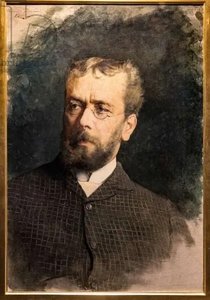
Telemaco Signorini
1835 - 1901