

 Предпросмотр
 Поделиться
 Поделиться
 Детали произведения

 Скачать
 Похожие работы
 Рентгенография
 Слайд-шоу
 Статистика
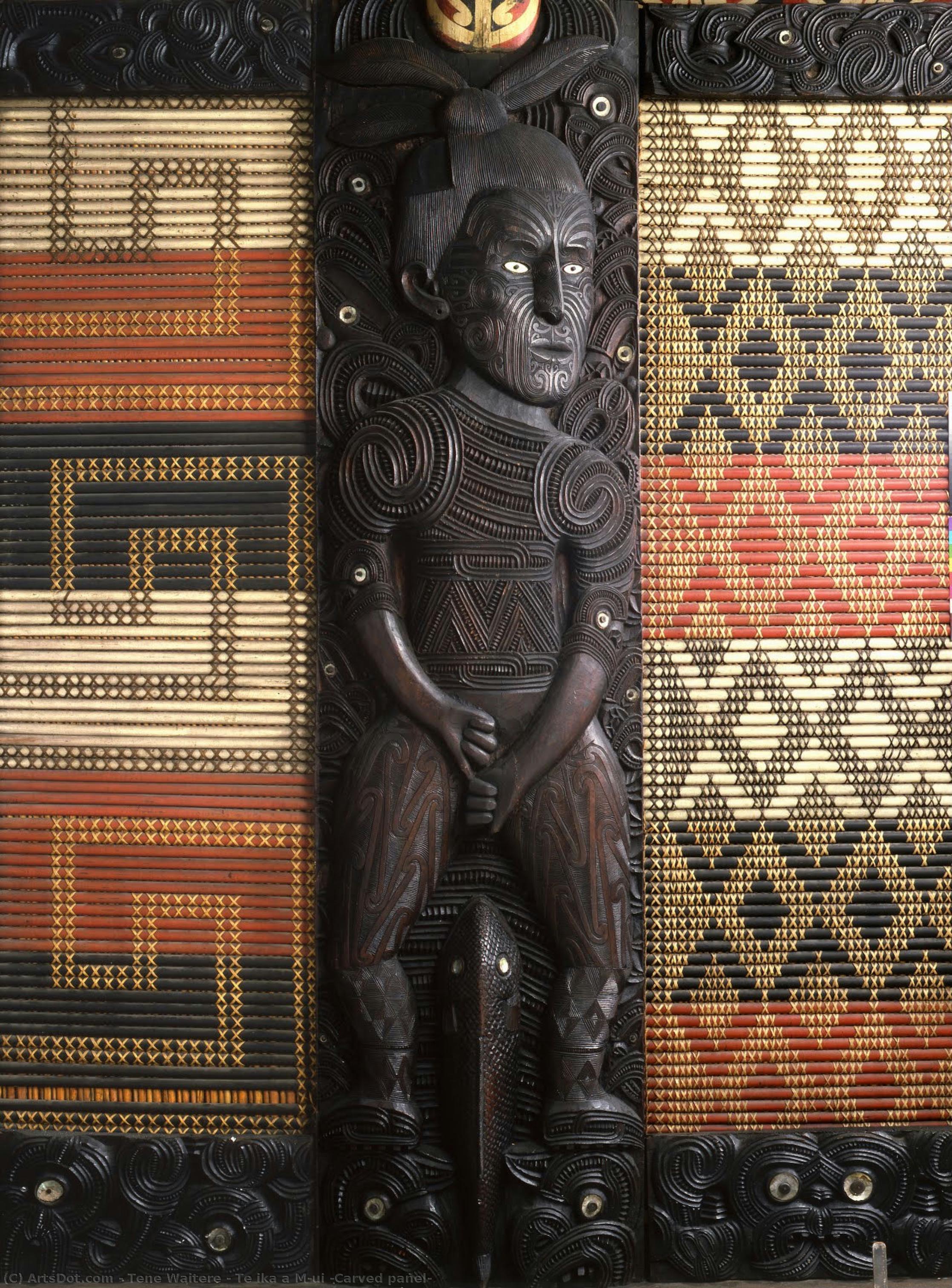
Te ika a Māui (Carved panel)


 Читать далее
Жикле / Арт-принт
Печать (жикле) или холст музейного качества с быстрыми сроками изготовления и широким выбором вариантов отделки. ( Купить картину ручной работы Перейти к цифровым изображениям)




































Выберите один из наших стандартных размеров, соответствующих оригинальным пропорциям произведения искусства.

Вы можете указать свои собственные размеры, чтобы репродукция идеально подошла под конкретную раму или пространство. Если выбранный вами размер не будет соответствовать пропорциям оригинала, мы либо обрежем произведение, либо дополним изображение зеркальным отражением краев или однотонной заливкой. Перед началом производства вам будет отправлен цифровой макет для утверждения.
Пожалуйста, обратите внимание, что предварительный просмотр на экране не отображает фактическую обрезку или расширение изображения. Только макет точно покажет финальную композицию.
Несмотря на возможность заказа индивидуальных размеров, мы рекомендуем выбирать размер из предопределенного списка, чтобы сохранить оригинальные пропорции.
Доставка по всему миру () за 2 недели вместо стандартных 4/5 недель. (12 Сентябрь)

Бесплатная экспресс-доставка по всему миру

Высококачественный льняной холст

Полное страхование доставки

Гарантия возмещения таможенных пошлин

Гарантия точного соответствия цветов

100-дневная политика возврата (только при обнаружении дефектов)

Гарантия возврата 100% средств

Предложение оптовых скидок
 Вариант со стеклом доступен только для размеров менее 110 см

Te ika a Māui (Carved panel)
Жикле / Арт-принт
Размер репродукции
-


Итоговая стоимость
$ 62
Похожие произведения










Биография художника
Tene Waitere: A Legacy of Rotorua’s Artistic Soul
Tene Waitere (c. 1853–1931) stands as a pivotal figure in Māori art history, embodying the spirit of innovation and cultural preservation during the early 20th century. Born at Mangamuka, New Zealand, he descended from Ani Pape, daughter of Te Rāhui, a leader of Ngāti Tarāwhai, marking him firmly within the whakapapa (genealogy) of this influential iwi. His formative years were shaped by displacement and hardship – captured as a child during Ngāpuhi raids on Rotorua in 1823 – yet he emerged as a masterful carver whose creations continue to resonate with Māori identity and artistic excellence.- Early Life & Training: Tene’s upbringing at Ruatō, Lake Rotoiti, under the tutelage of Wero tāroi and Ānaha te Rāhui instilled in him the foundational skills of whakairo – wood carving – that would define his artistic trajectory. This rigorous training ensured he mastered traditional techniques while simultaneously fostering a willingness to experiment with new approaches.
- Marriage & Family: In 1884, Tene married Ruihi Te Ngahue of Tūhourangi, establishing a family rooted in the vibrant cultural landscape of Rotorua. Their daughter Tuhipō Kereopa became a conduit for Waitere’s artistic legacy, carrying forward his traditions and ensuring his influence extended across generations.
- Collaborations & Patronage: Waitere's career flourished thanks to partnerships with prominent figures like Charles E. Nelson, manager of the Geyser Hotel (Whakarewarewa), who commissioned him for monumental carvings reflecting Rotorua’s mythology and folklore. These projects showcased his versatility and cemented his reputation as a respected artist within both Māori and European communities.
Notable Works & Artistic Style
Tene Waitere's artistic output spanned several decades, producing an impressive catalog of carvings that exemplify the distinctive aesthetic qualities of Rotorua whakairo. Among his most celebrated pieces are:- Te Ika a Māui (Carved Panel): This monumental panel depicts Maui’s legendary voyage to bring fish ashore, showcasing Waitere's mastery of scale and detail—a testament to his ability to convey complex narratives through sculptural form.
- Hinemihi: Considered one of the finest meeting houses in New Zealand, Hinemihi embodies Waitere’s commitment to preserving Māori traditions while adapting them to contemporary sensibilities. Its intricate carvings depict ancestral figures and mythological stories, reflecting Rotorua's rich cultural heritage.
- Rauru: Another masterpiece of Rotoruan carving, Rauru exemplifies Waitere’s meticulous attention to craftsmanship and his profound understanding of Māori symbolism.
Legacy & Historical Significance
Tene Waitere’s contribution to Māori art extends beyond his individual creations; he served as a pivotal figure in transmitting knowledge and fostering artistic excellence within Ngāti Tarāwhai and Te Arawa communities. His work stands as an enduring symbol of Rotorua's cultural identity—a testament to the resilience and creativity of Māori artists during a period of significant social change. Furthermore, Waitere’s collaborations with European patrons helped disseminate Māori art internationally, fostering cross-cultural dialogue and enriching the global artistic landscape. Today, his carvings reside in museums across New Zealand and beyond, ensuring that Tene Waitere's legacy continues to inspire admiration for Māori artistry and cultural heritage.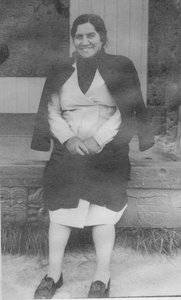
Tene Waitere
1853 - 1931 , New Zealand
Основные сведения
- Artistic Movement Or Style: Traditional Māori
- Artists Who Influenced This Artist:
- Wero Tāroi
- Ānaha Te Rāhui
- Neke Kapua
- Date Of Birth: c. 1853
- Date Of Death: 1931
- Full Name: Tene Waitere
- Nationality: Māori
- Notable Artworks:
- Hinemihi
- House Rauru
- Te Ika a Māui
- Place Of Birth: Mangamuka, New Zealand