

 Предпросмотр
 Поделиться
 Поделиться
 Детали произведения

 Скачать
 Похожие работы
 Рентгенография
 Слайд-шоу
 Статистика
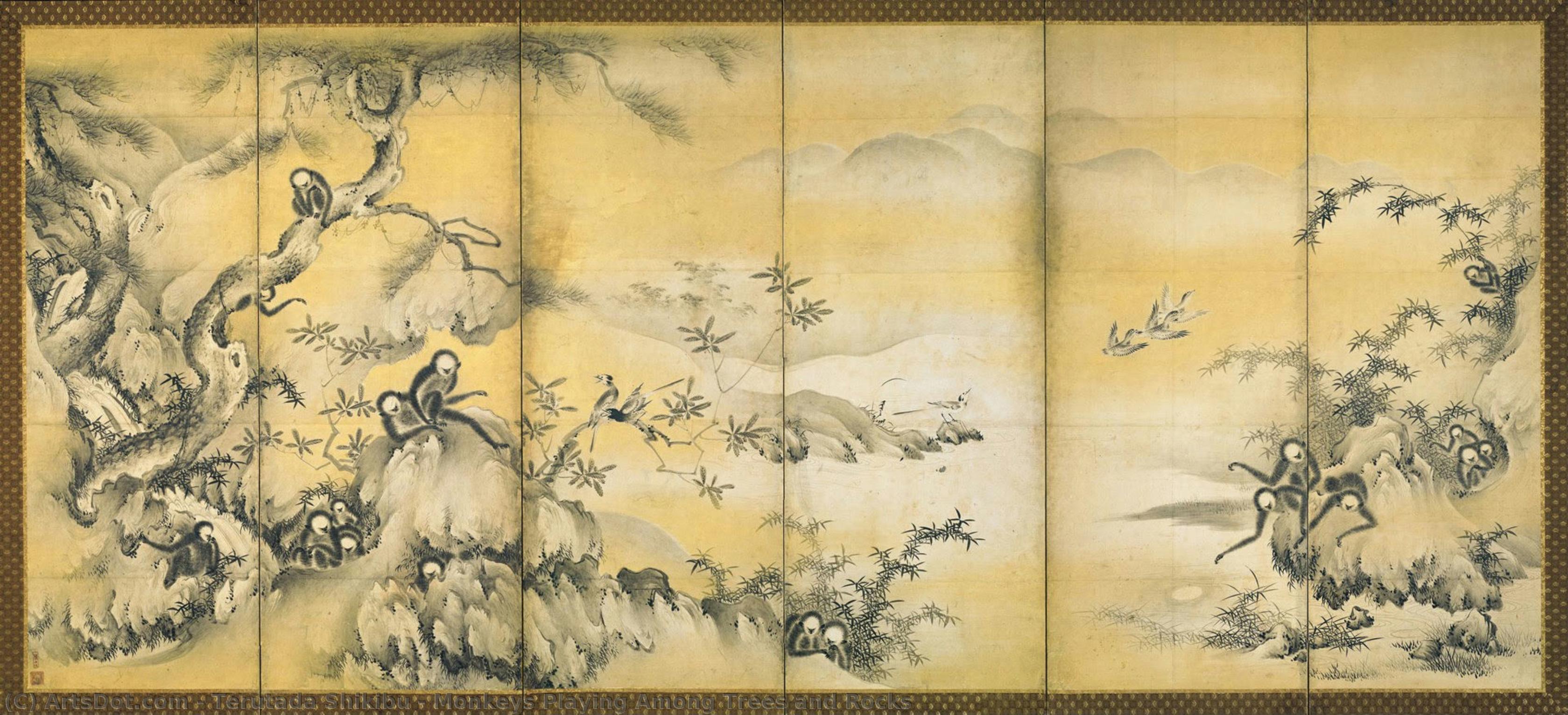
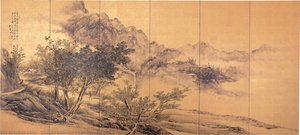
Monkeys Playing Among Trees and Rocks
 Читать далее
Приобретите цифровое изображение высокого разрешения в улучшенном качестве, которое значительно превосходит онлайн-превью.
Каждый файл тщательно подготавливается нашими специалистами с использованием передовых инструментов и экспертной ручной ретуши. Мы гарантируем исключительную четкость, точную цветопередачу и детальную проработку каждого изображения.
Финальный файл доставляется по электронной почте в течение 72 часов и оптимизирован для немедленного использования в профессиональной среде, при верстке и печати. Это тот же уровень качества, которому доверяют ведущие дизайнерские студии, издательства и галереи.
Цифровое изображение
Скачайте файл высокого разрешения для личного использования, печати и творческих проектов. ( Перейти к печати Купить картину ручной работы)
Включено в каждый заказ цифровых изображений
Гарантия экспертной цифровой доставки
Выбирая ArtsDot.com, вы получаете не просто изображение — вы приобретаете профессионально обработанное цифровое произведение искусства, созданное с безупречной точностью и под защитой гарантии качества. Вот всё, что автоматически входит в ваш заказ:

Мгновенная доставка по e-mail
Ваш цифровой файл в высоком разрешении будет отправлен вам по электронной почте в течение 72 часов после оформления заказа — и сразу станет доступен для использования.

Цифровой файл с ИИ-улучшением
Ваше произведение искусства проходит профессиональную оптимизацию с использованием передовых инструментов ИИ и ручной обработки, что гарантирует максимальную детализацию, четкость и точность цветопередачи.

Бессрочная бесплатная повторная доставка
Случайно удалили или потеряли файл? Не беспокойтесь — мы отправим его вам повторно в любое время и совершенно бесплатно.

Без импортных пошлин — навсегда
Наслаждайтесь вашим произведением искусства мгновенно без таможенных пошлин, сборов или затрат на доставку — цифровые загрузки всегда не облагаются налогом.

Гарантия точности цветопередачи
Мы гарантируем, что ваше цифровое изображение максимально точно передает оригинальные цвета благодаря использованию профессиональных инструментов и систем управления цветом.

Гарантия удовлетворенности 100 дней
Если вы не будете удовлетворены своим цифровым изображением, мы внесем правки или вернем 100% стоимости в течение 100 дней — без лишних вопросов.

100% Гарантия возврата средств
Не удовлетворены покупкой? Получите полный возврат средств в течение 100 дней после получения цифрового файла — без лишних вопросов.

Скидки на оптовые заказы
Купите 3 изображения, сэкономьте 10% — Купите 5, сэкономьте 15% — Купите 10+, сэкономьте 20%. Отличное решение для творческих проектов, галерей и агентств.
Похожие произведения
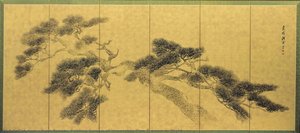


Биография художника
The Enigmatic Brush of Terutada Shikibu
In the annals of Japanese art history, few figures possess the haunting allure of Terutada Shikibu. A name whispered through the centuries, he remains a figure shrouded in artistic mystery, largely due to the scarcity of verifiable biographical details and the difficulty surrounding his historical identification. While some scholars once mistakenly conflated him with other masters, it is now understood that Shikibu was a distinct and vital presence, primarily active in the Kantō region of Eastern Japan during the transition between the Muromachi and Edo periods. Though his early life remains obscured by the mists of time, his work serves as a luminous window into the refined aesthetic sensibilities and spiritual currents that defined his era.
The essence of Shikibu’s artistry lies in his ability to capture the ephemeral beauty of the natural world with both precision and profound poetic resonance. He was a master of the Kacho-ga (bird and flower) genre, creating works that were far more than mere botanical studies. His paintings—most notably his celebrated seasonal landscapes—function as meditations on the passage of time and the cyclical nature of existence. Through a meticulous observation of flora and fauna, he achieved an idealized representation of nature that transcends simple realism, inviting the viewer into a space of quiet contemplation and spiritual depth.
Artistic Lineage and Stylistic Evolution
The development of Shikibu’s style is a fascinating study in the synthesis of tradition and individual innovation. While his precise training remains a subject of scholarly debate, there is strong evidence that he emerged from the influence of Kenkō Shōkei, a central figure in the late medieval painting circles of the Kantō region. By emulating the complex brushstrokes and structured compositions of Shōkei, Shikibu built a foundation of technical mastery that allowed him to later integrate the bold, vigorous elements of the Kano school.
This stylistic evolution is particularly evident in his more dynamic compositions. In works such as Monkeys Playing Among Trees and Rocks, one can observe a breathtaking duality: the soft, delicate touch reminiscent of the Song-dynasty master Muqi meets the dense, powerful compositional methods characteristic of the Kano tradition. This ability to blend the delicate with the robust allowed him to appeal to a wide range of patrons, from the austere temples of the Muromachi period to the powerful Imagawa family, lords of the Suruga province. It has even been suggested by some historians that his prolific output of fan paintings indicates he may have led a dedicated workshop, further cementing his influence on the regional artistic landscape.
Symbolism and the Spirit of the Seasons
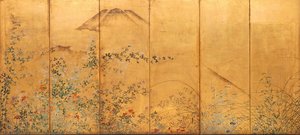
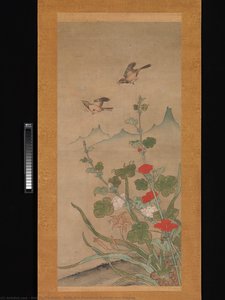
To gaze upon a work by Terutada Shikibu is to engage with a complex language of symbols. His landscapes are rarely just scenery; they are tapestries of meaning woven from the threads of Zen Buddhism and classical Japanese poetry. In his masterful pair, Birds and Flowers of Summer and Autumn, every element carries a weight of significance:
- The Flora: The presence of lilies and hollyhocks evokes themes of purity and seasonal vitality, while the chrysanthemum serves as a timeless emblem of longevity and endurance.
- The Fauna: Birds such as the black-backed wagtail or the watchful oriole are not merely decorative; they symbolize freedom, aspiration, and the harmonious balance of the natural order.
- The Seasonal Cycle: Through his depiction of changing landscapes—from the blossoming mountains of spring to the snow-covered retreats of winter—Shikibu captures the Buddhist concept of impermanence, reminding the viewer of the fleeting yet beautiful nature of all life.
Ultimately, the historical significance of Terutada Shikibu lies in his role as a bridge between eras. He carried the refined, spiritual traditions of the Muromachi period into the burgeoning cultural landscape of the Edo period, ensuring that the delicate echoes of tranquility found in his floral landscapes would continue to resonate through the centuries.
terutada shikibu
Japan
Основные сведения
- Artistic Movement Or Style: Muromachi Period Landscape Painting
- Date Of Birth: Living
- Full Name: Terutada Shikibu
- Nationality: Japanese
- Notable Artworks:
- Landscape of the four seasons, one of a pair
- Birds and Flowers of Summer and Autumn
- Place Of Birth: Kyoto, Japan