

 Предпросмотр
 Поделиться
 Поделиться
 Детали произведения

 Скачать
 Похожие работы
 Рентгенография
 Слайд-шоу
 Статистика
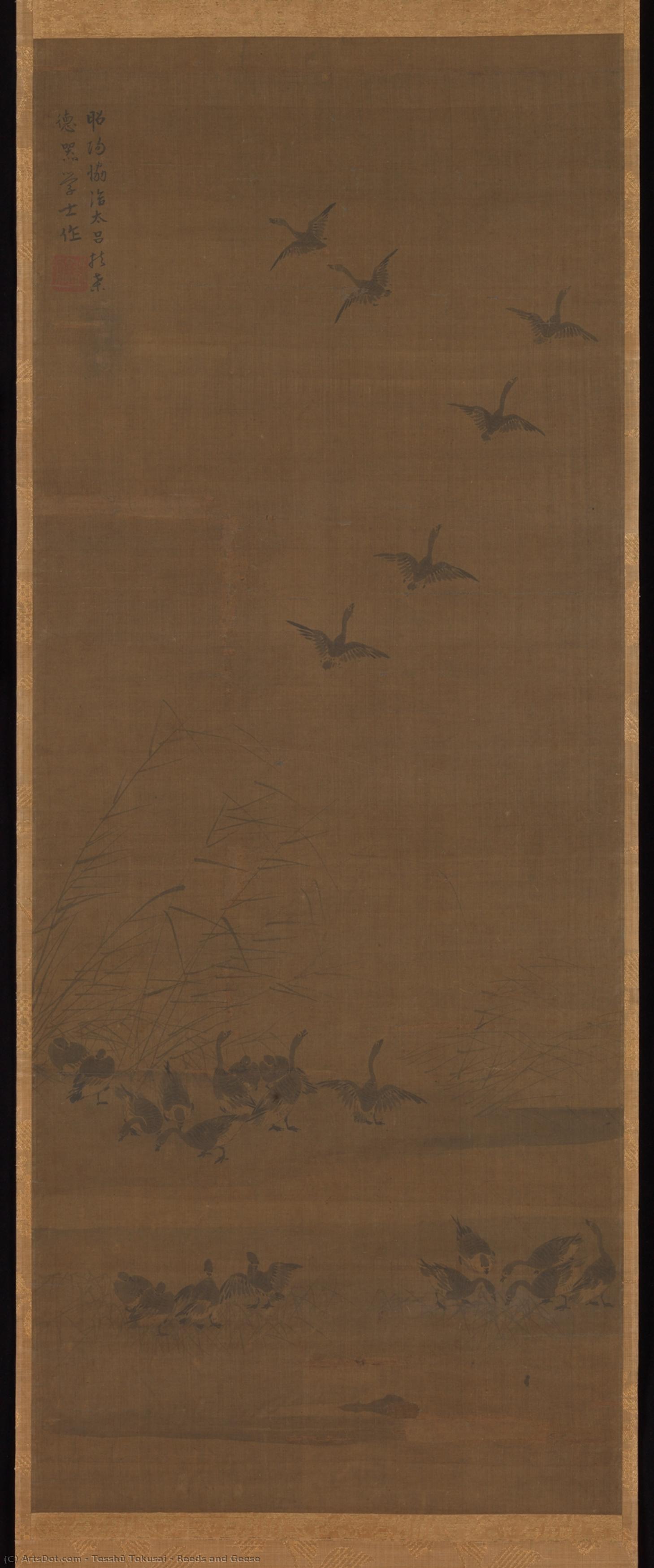
Reeds and Geese
 1343
1343 111.0 x 44.0 cm
 Читать далее
Жикле / Арт-принт
Печать (жикле) или холст музейного качества с быстрыми сроками изготовления и широким выбором вариантов отделки. ( Купить картину ручной работы Перейти к цифровым изображениям)




































Выберите один из наших стандартных размеров, соответствующих оригинальным пропорциям произведения искусства.

Вы можете указать свои собственные размеры, чтобы репродукция идеально подошла под конкретную раму или пространство. Если выбранный вами размер не будет соответствовать пропорциям оригинала, мы либо обрежем произведение, либо дополним изображение зеркальным отражением краев или однотонной заливкой. Перед началом производства вам будет отправлен цифровой макет для утверждения.
Пожалуйста, обратите внимание, что предварительный просмотр на экране не отображает фактическую обрезку или расширение изображения. Только макет точно покажет финальную композицию.
Несмотря на возможность заказа индивидуальных размеров, мы рекомендуем выбирать размер из предопределенного списка, чтобы сохранить оригинальные пропорции.
Доставка по всему миру () за 2 недели вместо стандартных 4/5 недель. (12 Сентябрь)

Бесплатная экспресс-доставка по всему миру

Высококачественный льняной холст

Полное страхование доставки

Гарантия возмещения таможенных пошлин

Гарантия точного соответствия цветов

100-дневная политика возврата (только при обнаружении дефектов)

Гарантия возврата 100% средств

Предложение оптовых скидок
 Вариант со стеклом доступен только для размеров менее 110 см

Reeds and Geese
Жикле / Арт-принт
Размер репродукции
-


Итоговая стоимость
$ 62
Похожие произведения










Биография художника
The Silent Echoes of Zen Landscape Painting
Tesshū Tokusai (徳斎鉄洲), a figure emerging from the mist of 14th-century Japan, stands as a singular master within the annals of Japanese art history. Born around 1366 in Kyoto, he was far more than a mere painter; he was a cultivated Zen monk whose brushstrokes served as a spiritual discipline. As a practitioner of bokuseki calligraphy and a pioneer of Zen landscape painting, Tokusai’s work possesses an arresting stillness—a profound contemplation that continues to resonate with the modern viewer. His legacy is not measured by the sheer volume of surviving works, but by the exquisite quality of his distillation of Buddhist principles into the very fabric of nature.
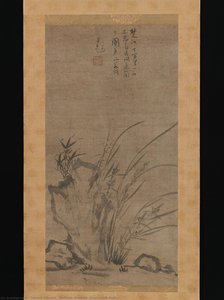
The foundations of Tokusai’s aesthetic were laid during a period of intense cultural exchange between Japan and China. It is believed that during an extended journey to China in the 1330s, he encountered the influential styles of Yuan-dynasty masters, such as Xuechuang Puming. This exposure profoundly altered his artistic trajectory, allowing him to bring back a refined sensibility that would eventually shape the Muromachi period's artistic landscape. Upon his return to Japan, Tokusai did not merely mimic these foreign techniques; he internalized them, introducing new genres of ink painting—such as those combining orchids with briars and rocks—to fellow Zen monks like Gyokuen Bonpō.
The Mastery of Ink and Emptiness
At the heart of Tokusai’s contribution to Japanese art lies his mastery of bokuseki, a technique defined by its deliberate omission of color. In an era where more opulent styles were beginning to emerge, Tokusai embraced an austere approach that mirrored the core tenets of Zen Buddhism: emptiness, impermanence, and the pursuit of direct reality. By working almost exclusively with black ink, he achieved a breathtaking range of tonal variations, using texture and form to capture the very essence of his subjects without the distraction of pigment. This method allowed him to create a sense of mu, or void, where the white space of the paper becomes as vital to the composition as the ink itself.
His thematic preoccupations often revolved around the natural world as a mirror for monastic life. In his celebrated work, Reeds and Geese, Tokusai utilized a triptych-style schema to express the underlying unity of the spiritual and natural realms. The depiction of geese—flying, calling, sleeping, and feeding—was not merely an observation of ornithology but a profound metaphor for the four fundamental aspects of monastic existence. Through these subtle symbols, his paintings became meditative tools, inviting the viewer to find the sacred within the mundane rhythms of nature.
A Legacy of Spiritual Artistry
The historical significance of Tesshū Tokusai extends beyond his technical achievements to his role as a cultural bridge. His ability to synthesize Chinese ink traditions with Japanese Zen sensibilities helped establish a definitive aesthetic for the Muromachi period. Even when his works are viewed in isolation, such as his delicate paintings of orchids and bamboo, one can sense the poetic inscription of a man who saw no distinction between the act of painting and the act of prayer.
To study Tokusai is to encounter a world where every brushstroke is an echo of a deeper truth. His life and work remind us that art, at its highest level, is not about decoration, but about the pursuit of clarity. Through his disciplined use of ink and his devotion to the simplicity of form, he left behind a visual language of peace—a silent, enduring testament to the beauty of the ephemeral.
tesshū tokusai
Japan
Основные сведения
- Artistic Movement Or Style: Bokuseki Calligraphy & Zen Landscapes
- Artists Or Movements Influenced By This Artist: ['Zen']
- Artists Who Influenced This Artist: ['Chinese Art']
- Date Of Death: 1366
- Full Name: Tesshū Tokusai
- Nationality: Japanese
- Notable Artworks: ['Reeds and Geese']
- Place Of Birth: Japan