

 Предпросмотр
 Поделиться
 Поделиться
 Детали произведения

 Скачать
 Похожие работы
 Рентгенография
 Слайд-шоу
 Статистика
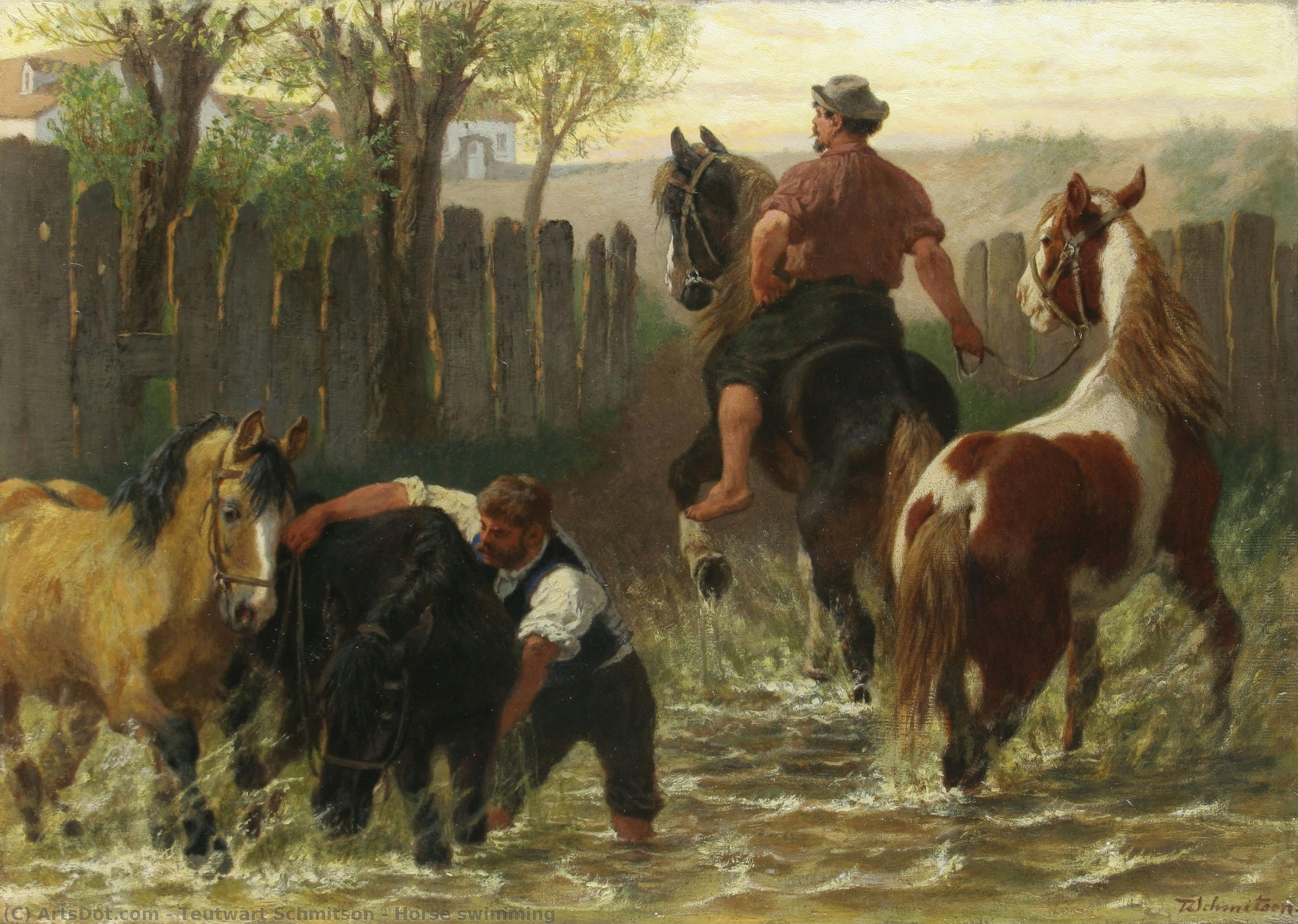
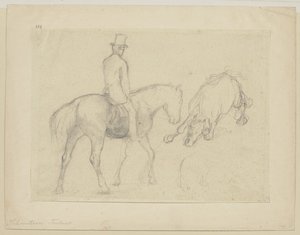
Horse swimming


 Читать далее
Приобретите цифровое изображение высокого разрешения в улучшенном качестве, которое значительно превосходит онлайн-превью.
Каждый файл тщательно подготавливается нашими специалистами с использованием передовых инструментов и экспертной ручной ретуши. Мы гарантируем исключительную четкость, точную цветопередачу и детальную проработку каждого изображения.
Финальный файл доставляется по электронной почте в течение 72 часов и оптимизирован для немедленного использования в профессиональной среде, при верстке и печати. Это тот же уровень качества, которому доверяют ведущие дизайнерские студии, издательства и галереи.
Цифровое изображение
Скачайте файл высокого разрешения для личного использования, печати и творческих проектов. ( Перейти к печати Купить картину ручной работы)
Включено в каждый заказ цифровых изображений
Гарантия экспертной цифровой доставки
Выбирая ArtsDot.com, вы получаете не просто изображение — вы приобретаете профессионально обработанное цифровое произведение искусства, созданное с безупречной точностью и под защитой гарантии качества. Вот всё, что автоматически входит в ваш заказ:

Мгновенная доставка по e-mail
Ваш цифровой файл в высоком разрешении будет отправлен вам по электронной почте в течение 72 часов после оформления заказа — и сразу станет доступен для использования.

Цифровой файл с ИИ-улучшением
Ваше произведение искусства проходит профессиональную оптимизацию с использованием передовых инструментов ИИ и ручной обработки, что гарантирует максимальную детализацию, четкость и точность цветопередачи.

Бессрочная бесплатная повторная доставка
Случайно удалили или потеряли файл? Не беспокойтесь — мы отправим его вам повторно в любое время и совершенно бесплатно.

Без импортных пошлин — навсегда
Наслаждайтесь вашим произведением искусства мгновенно без таможенных пошлин, сборов или затрат на доставку — цифровые загрузки всегда не облагаются налогом.

Гарантия точности цветопередачи
Мы гарантируем, что ваше цифровое изображение максимально точно передает оригинальные цвета благодаря использованию профессиональных инструментов и систем управления цветом.

Гарантия удовлетворенности 100 дней
Если вы не будете удовлетворены своим цифровым изображением, мы внесем правки или вернем 100% стоимости в течение 100 дней — без лишних вопросов.

100% Гарантия возврата средств
Не удовлетворены покупкой? Получите полный возврат средств в течение 100 дней после получения цифрового файла — без лишних вопросов.

Скидки на оптовые заказы
Купите 3 изображения, сэкономьте 10% — Купите 5, сэкономьте 15% — Купите 10+, сэкономьте 20%. Отличное решение для творческих проектов, галерей и агентств.
Похожие произведения







Биография художника
The Soul of the Equine: The Life and Legacy of Teutwart Schmitson
In the annals of nineteenth-century German realism, few names evoke such a profound sense of vitality and anatomical precision as Teutwart Schmitson. Born in Frankfurt am Main in 1830, Schmitson was a man whose artistic destiny seemed to diverge sharply from his family's structured, intellectual lineage. While his father served as an Oberstleutnant and a diplomatic representative to the German Confederation, and his maternal heritage was rooted in the theological traditions of Johann Heinrich Bernhard Dräseke, the younger Schmitson found his true calling not in military theory or scripture, but in the raw, muscular grace of the animal kingdom. Though he initially pursued the disciplined study of architecture, his heart belonged to the spontaneous movement of life, leading him to develop a self-taught mastery that would eventually place him at the forefront of the Düsseldorf school's animalier tradition.
Schmitson’s approach to the canvas was marked by a unique, almost scientific devotion to texture and substance. He famously developed a personal technique to manipulate the very medium of his craft, applying oil paint to plasterboard for several hours to reduce its oil content before it ever touched his palette. This meticulous preparation allowed him to achieve a specialized impasto that breathed life into the coats of horses and the heavy flanks of cattle. When he made his public debut at the Städelsches Kunstinstitut in 1854, the art world was introduced to a talent capable of capturing not just the likeness of a subject, but its very essence. His early works, such as scenes of farmers plowing or riders navigating rugged terrain, showcased a bold, tactile realism that bridged the gap between mere observation and emotional storytelling.
A Journey Through the Düsseldorf Circle
The trajectory of Schmitson’s career was inextricably linked to the vibrant artistic pulse of Düsseldorf. Following his marriage to Wilhelmine Beckel, he relocated to this burgeoning cultural hub, where he became an integral part of the Malkasten Artists' Association. It was within this progressive circle that Schmitson found his true artistic kin. He moved among a cohort of painters who shared his obsession with the expressive potential of nature, forming deep professional and personal bonds with figures such as Adolf Schreyer and Eugen Krüger. This period of collaboration was transformative, as the collective focus on equestrian and rural themes allowed Schmitson to refine a style that was both ruggedly naturalistic and exquisitely detailed.
His influences were a tapestry of established masters and contemporary peers. The stylistic sensibilities of Otto Weber and Paul Friedrich Meyerheim provided a foundation of realism upon which he built his own idiosyncratic vision. Schmitson’s work was never content with static portraiture; he sought to capture the kinetic energy of a horse swimming through water or the heavy, rhythmic breathing of cattle in a pastoral setting. His paintings often functioned as windows into a vanishing way of life, documenting the dignity of labor and the untamed spirit of the animal subjects that defined the European landscape of his era.
A Brief but Brilliant Flame
Tragically, the brilliance of Schmitson’s career was cut short by an untimely death in Vienna in 1863, leaving behind a legacy far more expansive than his thirty-three years of life would suggest. Despite the brevity of his active years, his impact on the genre of animal painting remains indelible. His ability to transcend the boundaries of mere biological accuracy—to imbue a creature with temperament, weight, and even a sense of individual history—marked him as a pioneer of the realistic movement.
Today, the enduring significance of his work is preserved in some of Europe's most prestigious institutions. His contributions to art history can be summarized through several key pillars of his achievement:
- Technical Innovation: The development of specialized paint preparation methods that allowed for a unique, textured impasto.
- Genre Mastery: A profound ability to elevate animal subjects from mere background elements to the central protagonists of narrative art.
- Institutional Legacy: His works continue to be celebrated in esteemed collections such as the Städel Museum in Frankfurt and the Österreichische Galerie Belvedere in Vienna.
- Artistic Connection: His role in fostering the collaborative spirit of the Düsseldorf school through his involvement with the Malkasten association.
Teutwart Schmitson remains a singular figure—a self-taught visionary who looked at the world not as an architect of stone and mortar, but as an architect of light, muscle, and motion. His canvases serve as a lasting testament to the beauty of the natural world, captured with a precision that continues to captivate the modern eye.
Teutwart Schmitson
1830 - 1863 , Germany
Основные сведения
- Artistic Movement Or Style: Realism
- Artists Who Influenced This Artist:
- Otto Weber
- Paul Friedrich Meyerheim
- Date Of Birth: April 18, 1830
- Date Of Death: 1863
- Full Name: Teutwart Schmitson
- Nationality: German-Austrian
- Notable Artworks:
- Romagnoli riding the horses
- Horse swimming
- Romagnols on horses II.
- Place Of Birth: Frankfurt am Main, Germany