

 Предпросмотр
 Поделиться
 Поделиться
 Детали произведения

 Скачать
 Похожие работы
 Рентгенография
 Слайд-шоу
 Статистика
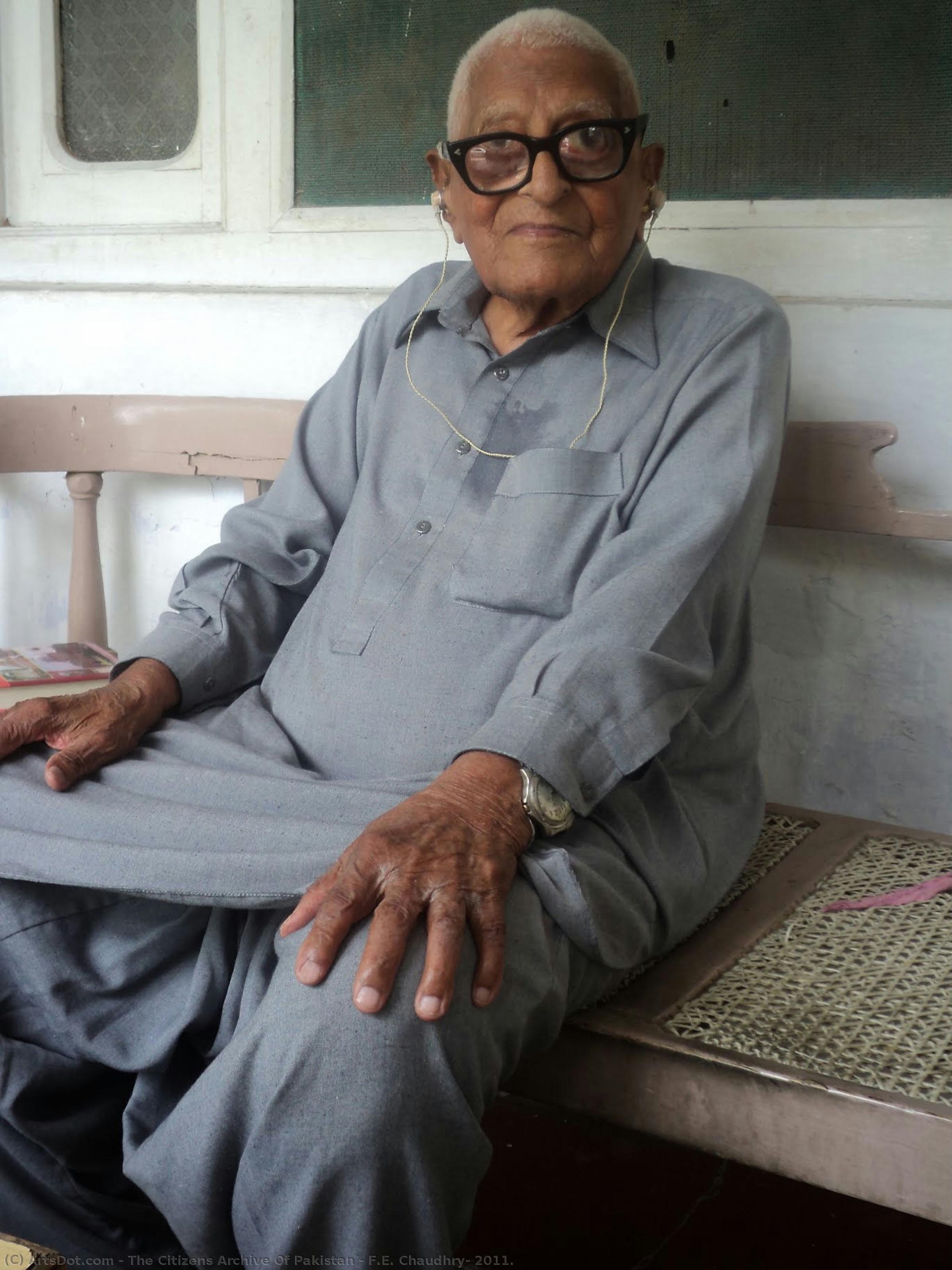
F.E. Chaudhry, 2011.


 Читать далее
Приобретите цифровое изображение высокого разрешения в улучшенном качестве, которое значительно превосходит онлайн-превью.
Каждый файл тщательно подготавливается нашими специалистами с использованием передовых инструментов и экспертной ручной ретуши. Мы гарантируем исключительную четкость, точную цветопередачу и детальную проработку каждого изображения.
Финальный файл доставляется по электронной почте в течение 72 часов и оптимизирован для немедленного использования в профессиональной среде, при верстке и печати. Это тот же уровень качества, которому доверяют ведущие дизайнерские студии, издательства и галереи.
Цифровое изображение
Скачайте файл высокого разрешения для личного использования, печати и творческих проектов. ( Перейти к печати Купить картину ручной работы)
Включено в каждый заказ цифровых изображений
Гарантия экспертной цифровой доставки
Выбирая ArtsDot.com, вы получаете не просто изображение — вы приобретаете профессионально обработанное цифровое произведение искусства, созданное с безупречной точностью и под защитой гарантии качества. Вот всё, что автоматически входит в ваш заказ:

Мгновенная доставка по e-mail
Ваш цифровой файл в высоком разрешении будет отправлен вам по электронной почте в течение 72 часов после оформления заказа — и сразу станет доступен для использования.

Цифровой файл с ИИ-улучшением
Ваше произведение искусства проходит профессиональную оптимизацию с использованием передовых инструментов ИИ и ручной обработки, что гарантирует максимальную детализацию, четкость и точность цветопередачи.

Бессрочная бесплатная повторная доставка
Случайно удалили или потеряли файл? Не беспокойтесь — мы отправим его вам повторно в любое время и совершенно бесплатно.

Без импортных пошлин — навсегда
Наслаждайтесь вашим произведением искусства мгновенно без таможенных пошлин, сборов или затрат на доставку — цифровые загрузки всегда не облагаются налогом.

Гарантия точности цветопередачи
Мы гарантируем, что ваше цифровое изображение максимально точно передает оригинальные цвета благодаря использованию профессиональных инструментов и систем управления цветом.

Гарантия удовлетворенности 100 дней
Если вы не будете удовлетворены своим цифровым изображением, мы внесем правки или вернем 100% стоимости в течение 100 дней — без лишних вопросов.

100% Гарантия возврата средств
Не удовлетворены покупкой? Получите полный возврат средств в течение 100 дней после получения цифрового файла — без лишних вопросов.

Скидки на оптовые заказы
Купите 3 изображения, сэкономьте 10% — Купите 5, сэкономьте 15% — Купите 10+, сэкономьте 20%. Отличное решение для творческих проектов, галерей и агентств.
Похожие произведения






Биография художника
Preserving Pakistan’s Soul: The Citizens Archive of Pakistan
The Citizens Archive of Pakistan (CAP) is more than an organization; it's a vital act of national memory, a dedicated effort to safeguard the rich and often-fragile tapestry of Pakistani history and culture. Founded on the principle that a nation’s identity resides in its stories—particularly those whispered through generations—CAP has emerged as a unique force in Pakistan’s cultural landscape. Unlike traditional state-run archives, CAP operates as an independent, not-for-profit entity, allowing it to pursue a more inclusive and nuanced approach to historical preservation. Its origins lie in a critical need: the absence of readily accessible, unbiased records documenting pivotal moments like the Partition of India in 1947, a period often overshadowed by political rhetoric and selective narratives. The organization recognized that the most powerful accounts were held not within official institutions but within the personal collections and oral histories of ordinary citizens.The Oral History Project: A Nation’s Voices
At the heart of CAP's mission is the Oral History Project (OHP), a monumental undertaking to collect, digitize, and preserve the testimonies of those who lived through defining events in Pakistan’s past. Launched with an urgency born from the realization that this generation was dwindling, the OHP has amassed over 5000 oral histories—a remarkable feat considering the challenges inherent in documenting personal experiences decades after they occurred. These aren't simply recordings of facts and dates; they are intimate portraits of resilience, loss, displacement, and hope. The project’s scope extends beyond Partition, encompassing a wide range of themes including the 1971 War, social movements, cultural traditions, and everyday life in Pakistan throughout the 20th and 21st centuries. The sheer scale of the archive—over 650,000 photographs from both private and public collections alongside the oral histories—makes it an unparalleled resource for researchers, educators, and anyone seeking a deeper understanding of Pakistani identity. The OHP actively seeks out diverse voices, ensuring that marginalized communities and underrepresented perspectives are included in the national narrative.Beyond Documentation: Education and Outreach
CAP’s commitment extends far beyond simply collecting and storing historical materials. The organization recognizes that an archive is only as valuable as its accessibility. A core tenet of CAP's philosophy is to actively engage with the community, fostering awareness of Pakistan’s history and instilling a sense of pride in its heritage. This manifests through a robust educational program designed for schools, universities, and the general public. CAP develops innovative educational products based on its archive—exhibitions, workshops, documentaries, and online resources—that bring history to life in engaging and thought-provoking ways. These initiatives are not merely about imparting knowledge; they aim to cultivate critical thinking skills and encourage a deeper appreciation for the complexities of Pakistan’s past. The organization frequently hosts festivals and exhibitions that showcase its collection, attracting thousands of visitors eager to connect with their nation's stories.Influences and Artistic Collaborations
While CAP is primarily an archival institution, it has increasingly engaged in artistic collaborations that amplify the impact of its work. The organization understands the power of art to evoke emotion, spark dialogue, and reach new audiences. A notable example is the project with artist Onkar Kular for Alchemy 2014 at the Southbank Centre, which drew upon commissioned works and existing archival material from CAP’s collection to revisit the Partition through a gendered lens. This collaboration transformed the archive into a dynamic space for oral history recordings, personal document archiving, and public discussion—effectively turning historical preservation into a “living history” experience. These partnerships demonstrate CAP's willingness to experiment with new forms of storytelling and its commitment to making Pakistani history accessible on an international stage. The use of graphic language inspired by Pakistani truck art in the Alchemy project further exemplifies this dedication to celebrating local aesthetics and cultural expressions.Historical Significance and Future Vision
The Citizens Archive of Pakistan occupies a unique position within the landscape of historical preservation, particularly in a nation where state-controlled narratives have often dominated public discourse. By prioritizing oral histories and independent documentation, CAP has created a vital counterpoint to official accounts, offering a more nuanced and inclusive understanding of Pakistan’s past. Its work is especially significant given the ongoing challenges of censorship and political instability within the country. The organization's commitment to preserving diverse perspectives—including those of religious minorities, women, and marginalized communities—is crucial for fostering national reconciliation and building a more equitable future. CAP envisions itself as the foremost library and heritage center of Pakistani history, a place where citizens can connect with their past, celebrate their culture, and shape their nation’s identity. Through its unwavering dedication to preserving Pakistan's soul, CAP is not merely documenting history; it is actively shaping it. The organization stands as a testament to the power of collective memory and the enduring importance of storytelling in defining a nation’s character.
Основные сведения
- Artistic Movement Or Style: Archival preservation
- Date Of Death: Living
- Full Name: The Citizens Archive Of Pakistan
- Nationality: Pakistani
- Notable Artworks:
- Image of refugees boarding a train
- Images of Sindh High Court
- A movie still of Murad and Shabnam