


 Предпросмотр
 Поделиться
 Поделиться
 Детали произведения

 Скачать
 Похожие работы
 Рентгенография
 Слайд-шоу
 Статистика
Engraving of the coronation of King Kalakaua and Queen Kapiolani


 Читать далее
Приобретите цифровое изображение высокого разрешения в улучшенном качестве, которое значительно превосходит онлайн-превью.
Каждый файл тщательно подготавливается нашими специалистами с использованием передовых инструментов и экспертной ручной ретуши. Мы гарантируем исключительную четкость, точную цветопередачу и детальную проработку каждого изображения.
Финальный файл доставляется по электронной почте в течение 72 часов и оптимизирован для немедленного использования в профессиональной среде, при верстке и печати. Это тот же уровень качества, которому доверяют ведущие дизайнерские студии, издательства и галереи.
Цифровое изображение
Скачайте файл высокого разрешения для личного использования, печати и творческих проектов. ( Перейти к печати Купить картину ручной работы)
Включено в каждый заказ цифровых изображений
Гарантия экспертной цифровой доставки
Выбирая ArtsDot.com, вы получаете не просто изображение — вы приобретаете профессионально обработанное цифровое произведение искусства, созданное с безупречной точностью и под защитой гарантии качества. Вот всё, что автоматически входит в ваш заказ:

Мгновенная доставка по e-mail
Ваш цифровой файл в высоком разрешении будет отправлен вам по электронной почте в течение 72 часов после оформления заказа — и сразу станет доступен для использования.

Цифровой файл с ИИ-улучшением
Ваше произведение искусства проходит профессиональную оптимизацию с использованием передовых инструментов ИИ и ручной обработки, что гарантирует максимальную детализацию, четкость и точность цветопередачи.

Бессрочная бесплатная повторная доставка
Случайно удалили или потеряли файл? Не беспокойтесь — мы отправим его вам повторно в любое время и совершенно бесплатно.

Без импортных пошлин — навсегда
Наслаждайтесь вашим произведением искусства мгновенно без таможенных пошлин, сборов или затрат на доставку — цифровые загрузки всегда не облагаются налогом.

Гарантия точности цветопередачи
Мы гарантируем, что ваше цифровое изображение максимально точно передает оригинальные цвета благодаря использованию профессиональных инструментов и систем управления цветом.

Гарантия удовлетворенности 100 дней
Если вы не будете удовлетворены своим цифровым изображением, мы внесем правки или вернем 100% стоимости в течение 100 дней — без лишних вопросов.

100% Гарантия возврата средств
Не удовлетворены покупкой? Получите полный возврат средств в течение 100 дней после получения цифрового файла — без лишних вопросов.

Скидки на оптовые заказы
Купите 3 изображения, сэкономьте 10% — Купите 5, сэкономьте 15% — Купите 10+, сэкономьте 20%. Отличное решение для творческих проектов, галерей и агентств.
Похожие произведения

Биография художника
The Pioneering Vision of *The Graphic*
Founded in December 1869 by the artist and engraver William Luson Thomas, *The Graphic* emerged as a bold challenge to the established dominance of the *Illustrated London News*. More than just another illustrated newspaper, it was conceived as a platform prioritizing visual storytelling and artistic merit. Thomas, frustrated with what he perceived as the exploitative treatment of artists by his former employer, envisioned a publication where draughtsmen and engravers were valued contributors, not merely factory hands churning out images. This commitment to quality and creative freedom quickly distinguished *The Graphic* in a rapidly evolving media landscape. The paper wasn’t simply reporting news; it was interpreting it through the lens of skilled artistry, aiming for an authenticity that resonated with a growing readership across the British Empire and North America. From its inception, *The Graphic* sought to illuminate prevailing social issues—poverty, homelessness, public health—alongside coverage of royal occasions, national celebrations, and literary pursuits.A Commitment to Artistic Excellence
William Luson Thomas’s background profoundly shaped the character of *The Graphic*. A successful artist and wood-engraver himself, he understood the intricacies of the creative process and the importance of providing artists with autonomy. He reserved shares in the newspaper specifically for contributing artists, a radical move that fostered a sense of ownership and collaboration. Unlike the *Illustrated London News*, where subjects were often dictated from above, Thomas encouraged his artists to pursue their own interests, believing this would result in more compelling and insightful work. This approach attracted a remarkable roster of talent, including Hubert von Herkomer, who credited Thomas with “making him as an artist” by allowing him the freedom to choose his own subjects. The newspaper became known for its high-quality illustrations, capturing authentic scenes throughout London and beyond. It wasn’t merely about reproducing reality; it was about interpreting it with skill, sensitivity, and a keen eye for detail. The influence of *The Graphic* extended even to artists like Vincent van Gogh, who found inspiration in the socially conscious art featured within its pages during his time living in London.Reporting on an Empire and Beyond
Throughout its long run, *The Graphic* served as a visual chronicle of the Victorian and Edwardian eras. The newspaper’s coverage extended far beyond the borders of Britain, documenting major events across the vast British Empire—from conflicts like the Serbo-Turkish War (1876-78) and the Zulu War (1879-96) to scenes of everyday life in distant colonies. In an age before widespread photography, illustrators played a crucial role in bringing these stories to life, providing vivid depictions of landscapes, cultures, and conflicts that would otherwise have remained largely unknown to the British public. *The Graphic* didn’t shy away from difficult subjects; it tackled issues of poverty, social injustice, and political unrest with a degree of frankness that was unusual for its time. Royal occasions and national celebrations were also given prominent coverage, reinforcing a sense of imperial pride and collective identity. The paper aimed to be comprehensive in its scope, covering not only news but also literature, arts, sciences, fashion, sport, and music—a reflection of the diverse interests of its readership.From Weekly Rival to Sister Publication
The initial ambition of *The Graphic* was to directly compete with the *Illustrated London News*. However, over time, the relationship between the two publications evolved. In 1890, Thomas’s company, H. R. Baines & Co., began publishing *The Daily Graphic*, a separate newspaper that would later be revived by Kemsley Newspapers in 1946. Ultimately, *The Graphic* became one of the *Illustrated London News*'s sister publications, operating under the same ownership. Despite this shift in structure, it retained its distinctive character and continued to uphold its commitment to artistic excellence. The newspaper’s influence on the art world remained strong throughout its long run, inspiring generations of illustrators and artists. The legacy of *The Graphic* lies not only in its stunning visual imagery but also in its pioneering approach to journalism—an approach that valued creativity, authenticity, and a deep engagement with the social and political issues of the day.A Lasting Legacy
Though publication ceased in 1932, *The Graphic*’s impact continues to be felt today. Its extensive archive provides a valuable window into Victorian and Edwardian society, offering insights into everything from major historical events to everyday life. Art historians continue to study its pages, recognizing the mutual influences between *The Graphic* and the fine arts in Britain. The newspaper's emphasis on artists and artistry has made it a particularly fascinating subject of research, revealing the crucial role that illustration played in shaping public opinion and cultural perceptions. The Graphic*’s commitment to social conscience—its willingness to tackle difficult issues and give voice to marginalized communities—also remains relevant in contemporary society. The paper's vivid depictions of poverty, homelessness, and political unrest serve as a reminder of the enduring challenges facing humanity. Ultimately, *The Graphic* was more than just an illustrated newspaper; it was a cultural force that helped shape the visual landscape of its time—and continues to inspire artists and journalists today.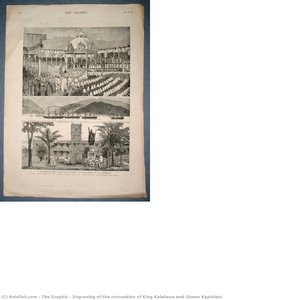
Основные сведения
- Artistic Movement Or Style: Illustrated journalism
- Artists Or Movements Influenced By This Artist:
- Vincent van Gogh
- Hubert von Herkomer
- Artists Who Influenced This Artist:
- William Luson Thomas
- Lewis Samuel Thomas
- Date Of Death: Living
- Full Name: The Graphic
- Nationality: British