

 Предпросмотр
 Поделиться
 Поделиться
 Детали произведения

 Скачать
 Похожие работы
 Рентгенография
 Слайд-шоу
 Статистика
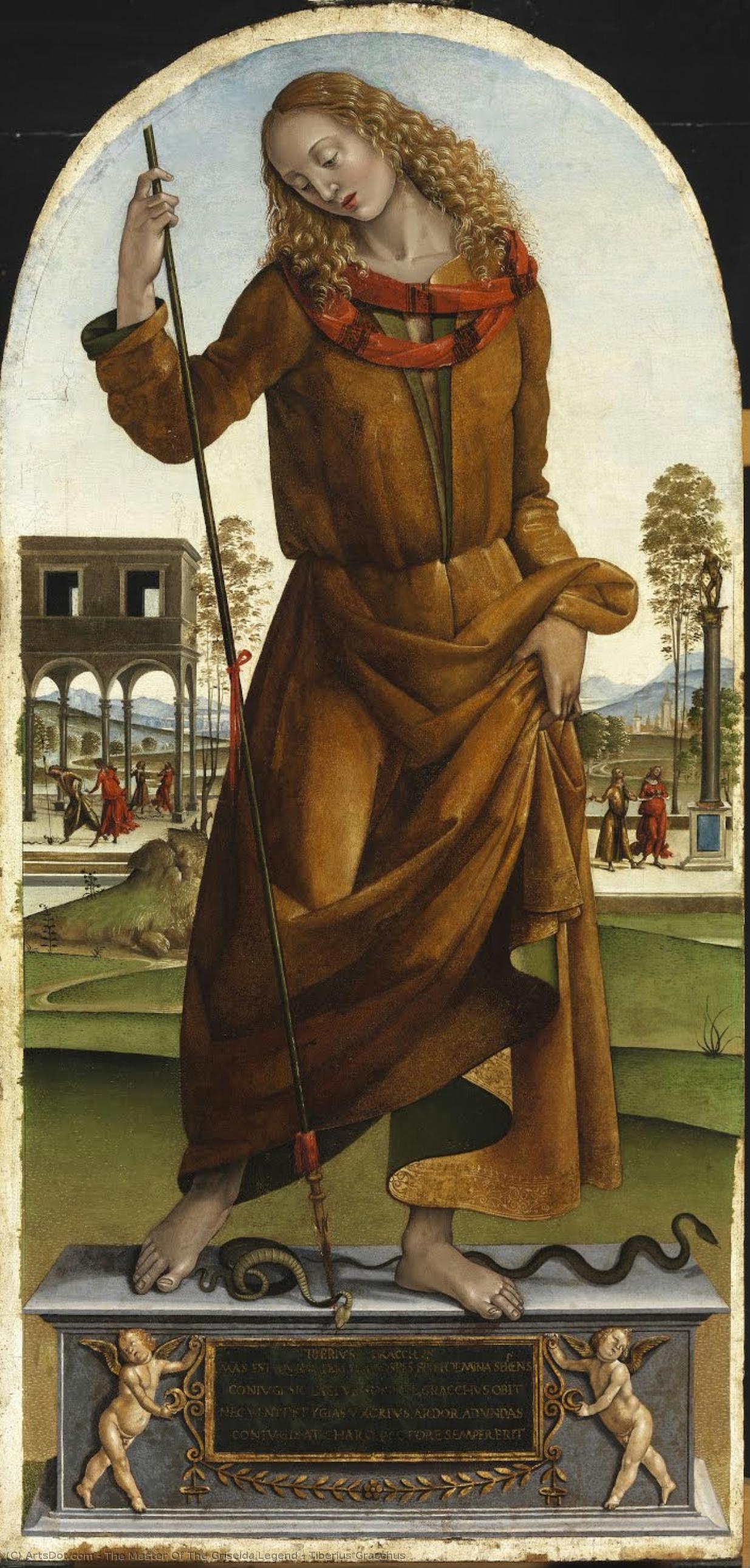
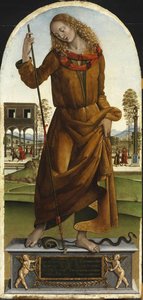
Tiberius Gracchus
 Tempera On Panel
- Early Renaissance
 1494
1494- Renaissance
 107.0 x 51.0 cm
 Музей искусств Будапешта
 Читать далее
Масляная репродукция ручной работы
Картина маслом на холсте в выбранном вами размере и раме, написанная на заказ нашими художниками. ( Перейти к печати Перейти к цифровым изображениям)




P118B $10

P118H $10

P118W $10

P438Z $10

P508JH $12

P508YH $12

P805H $10

P805Z $10

P919BZ $10

P919G $10

P919XJ $10

P959ZH $10

P968JZ $12

W106C $8

W218G $10

W218JH $8

W218Y $10

W307PJ $10

W316G $10

W316PJ $8

W316Y $10

W398PJ $8

W4111J $10

W500HY $15

W500JH $15

W692G $12

W849H $8

W940BG $15

W953PJ $8




Выберите один из наших стандартных размеров, соответствующих оригинальным пропорциям произведения искусства.

Вы можете указать собственные размеры, чтобы картина идеально вписалась в выбранную раму или пространство. Если выбранный вами размер не соответствует пропорциям оригинала, мы либо обрежем полотно, либо расширим его за счет дополнительных элементов, написанных вручную. Цифровой макет будет отправлен вам на утверждение перед началом производства.
Обратите внимание, что предварительный просмотр на экране не отражает фактическую обрезку или расширение. Только макет точно покажет окончательную композицию.
Хотя доступны индивидуальные размеры, мы рекомендуем выбирать вариант из предопределенного списка, чтобы сохранить исходные пропорции.
После оформления заказа команда ArtsDot.com свяжется с клиентом по электронной почте для уточнения деталей и предоставит предварительный макет
Доставка по всему миру () за 3–4 недели вместо стандартных 5 недель. (13 Сентябрь). Без компромиссов в качестве.

Бесплатная экспресс-доставка по всему миру

Высококачественный льняной холст

Полное страхование доставки

Гарантия возмещения таможенных пошлин

Гарантия точного соответствия цветов

100-дневная политика возврата (только при обнаружении дефектов)

Гарантия возврата 100% средств

Предложение оптовых скидок
 Вариант со стеклом доступен только для размеров менее 110 см

Tiberius Gracchus
Техника репродукции
Размер репродукции
-


Итоговая стоимость
$ 263
A Vision of Devotion: The Sacred Presence of Saint Anthony
In the quiet, contemplative realm of the Umbrian Renaissance, few works capture the intersection of earthly struggle and divine triumph as poignantly as this exquisite panel painting. Though titled in some records through its subject's historical associations, the work presents a breathtaking portrait of Saint Anthony the Great, an icon of early Christian asceticism. The composition is masterfully structured within an architectural niche, a classical element that serves to elevate the saint from the viewer's space into a realm of eternal sanctity. As the eye travels upward, it meets the resolute gaze of the hermit-saint, whose presence is both commanding and deeply serene. This is not merely a portrait; it is a window into a period where art served as a bridge between the mortal soul and the infinite heavens.
The artistry of the Master of Griselda shines through in the meticulous execution of the tempera technique. Every brushstroke contributes to a sense of tactile reality, from the soft, luminous rendering of skin to the heavy, rhythmic folds of the saint's drapery. The artist employs a precise, linear approach characteristic of the late 15th century, defining the figure with a clarity that suggests both strength and fragility. Behind the central figure, a delicate atmospheric perspective unfolds, revealing a distant landscape of soft trees and architectural silhouettes that fade into a hazy, dreamlike horizon. This technique creates a profound sense of depth, inviting the collector to lose themselves in the sprawling, quiet world that surrounds this holy man.
Symbolism and the Triumph of Light
Every element within this masterpiece is imbued with layers of theological meaning, making it a treasure trove for those who appreciate the intellectual depth of Renaissance art. The most striking symbol is the staff held in Saint Anthony's right hand, topped with a serpent. This is no mere ornament; it represents the saint's victory over the temptations of the flesh and the demonic forces that sought to disrupt his solitude. The snake, often a symbol of evil, is here subdued, serving as a testament to spiritual fortitude. Below the figure, the ornate base adorned with putti adds a touch of celestial joy, grounding the solemnity of the saint's mission with the innocence of the divine.
The color palette is a sophisticated study in warmth and earthiness. Dominated by rich ochres, deep browns, and golden tones, the painting evokes a sense of ancient wisdom and monastic stability. The lighting, descending from above, casts gentle highlights across the saint's brow and hands, suggesting a divine illumination that pierces through the shadows of the world. For the interior designer or art enthusiast, this piece offers more than just visual beauty; it provides an emotional anchor. It brings a sense of piety, contemplation, and enduring strength to any space, making it an ideal centerpiece for a collection focused on historical significance and spiritual resonance.
Похожие произведения
![Saint Anthony Abbot [left Panel] — Puccio Di Simone, Early Renaissance](/media/artworks/images-thumb/97/c4/97c417fe4221df99fb084f717eab2433.jpg)
Биография художника
The Master of Griselda: A Silent Witness to Umbrian Renaissance
The identity of “the Master of Griselda,” as he’s known in art historical circles, remains shrouded in mystery—a deliberate obscurity that lends an aura of enigma to his remarkable oeuvre. Born around 1490 in Umbria, Italy, he emerged during the burgeoning Renaissance, a period marked by fervent artistic experimentation and humanist ideals. Precise biographical details are scarce; records indicate he primarily resided in Siena, though evidence suggests extensive travels throughout Tuscany.
- Early Influences: Pinturicchio’s delicate frescoes and Signorelli’s dramatic depictions of biblical narratives profoundly shaped his stylistic sensibilities. These masters championed a humanist approach to art—celebrating human form and emotion alongside religious themes—a cornerstone of the Umbrian Renaissance.
- Spalliere Technique: He mastered the spalliere technique, an innovative decorative mural painting method prevalent in Siena during the late fifteenth century. This involved applying pigment onto plaster panels, creating textured surfaces that resembled stone or marble – a bold departure from traditional fresco painting.
- The Griselda Cycle: His fame rests primarily on his monumental cycle of paintings illustrating Giovanni Boccaccio’s *Decameron*, specifically the tale of Griselda—a story of marital fidelity tested by cruelty and deception. These panels are considered masterpieces of Umbrian art, showcasing meticulous detail and psychological insight.
- Notable Works: Among his surviving paintings are depictions of saints and biblical figures, reflecting the piety characteristic of the era. However, it’s the Griselda cycle that secures his place in art history—a testament to his ability to convey complex emotions and narratives with unparalleled artistry.
The attribution to Signorelli is debated among scholars, yet undeniably contributes to the artist's reputation for dramatic composition and expressive color palettes. His work embodies the spirit of Umbrian Renaissance artistic innovation – a fusion of classical ideals and Christian faith that continues to inspire admiration centuries later.
A Legacy Etched in Frescoes and Panels
Though relatively few paintings survive, “the Master’s” influence extends far beyond his own creations. His techniques—particularly the spalliere method—were adopted by other artists across Italy, furthering the dissemination of Renaissance aesthetics. He stands as a symbol of Umbrian artistic excellence during a pivotal moment in European cultural history.
- Umbrian Artistic Tradition: He solidified Umbria’s position as a center for decorative arts and elevated the spalliere technique to new heights—a legacy that persists in contemporary mural painting practices.
His contribution to the visual culture of his time is undeniable, cementing his status as one of the most important figures of the Umbrian Renaissance.
the master of the griselda legend
1500 , Italy
Основные сведения
- Artistic Movement Or Style: Renaissance Umbrian Art
- Artists Or Movements Influenced By This Artist: ['Umbrian Art']
- Artists Who Influenced This Artist:
- Pinturicchio
- Luca Signorelli
- Date Of Death: 1500
- Full Name: The Master of Griselda Legend
- Nationality: Italian
- Notable Artworks: ['The Story of Griselda']
- Place Of Birth: Umbria, Italy
Похожие статьи
Illuminating History: A Comprehensive Exploration of Tempera Painting Techniques & Artistic Legacy
Explore the rich history & techniques of tempera painting! Discover Renaissance masters like Botticelli & Fra Angelico, conservation insights, and the enduring legacy of this captivating art form.
10 шедевров темперной живописи на доске, изменивших искусство навсегда | ArtsDot
Погрузитесь в мир великих шедевров темперной живописи на доске! От Джотто и Рублева до Боттичелли – история искусства, техника исполнения и вдохновение для вашего интерьера. Купите репродукции картин высочайшего качества на ArtsDot.com
Фра Анджелико: Топ-25 шедевров эпохи Возрождения для вашего интерьера
Погрузитесь в мир Фра Анджелико! Топ-25 шедевров Возрождения – религиозные фрески, алтари и картины с ангелами. Узнайте историю искусства и вдохновитесь для декора дома. Репродукции картин высокого качества на ArtsDot.com.
Illuminating Surfaces: A Comprehensive Exploration of Tempera on Panel Painting Techniques & Historical Significance
Explore the rich history & techniques of tempera painting! Discover Renaissance masters like Botticelli & Fra Angelico, conservation insights, and the enduring legacy of this captivating art form. Learn more now!
Mario Sironi: A Poetic of Modern Italian Identity Through Symbolism & Social Commentary
Explore the profound works of Mario Sironi, a key figure in Italian Modernism. Discover his evolution from Futurism to Metaphysical painting and his powerful social commentary. Learn about his legacy at ArtsDot.