

 Предпросмотр
 Поделиться
 Поделиться
 Детали произведения

 Скачать
 Похожие работы
 Рентгенография
 Слайд-шоу
 Статистика
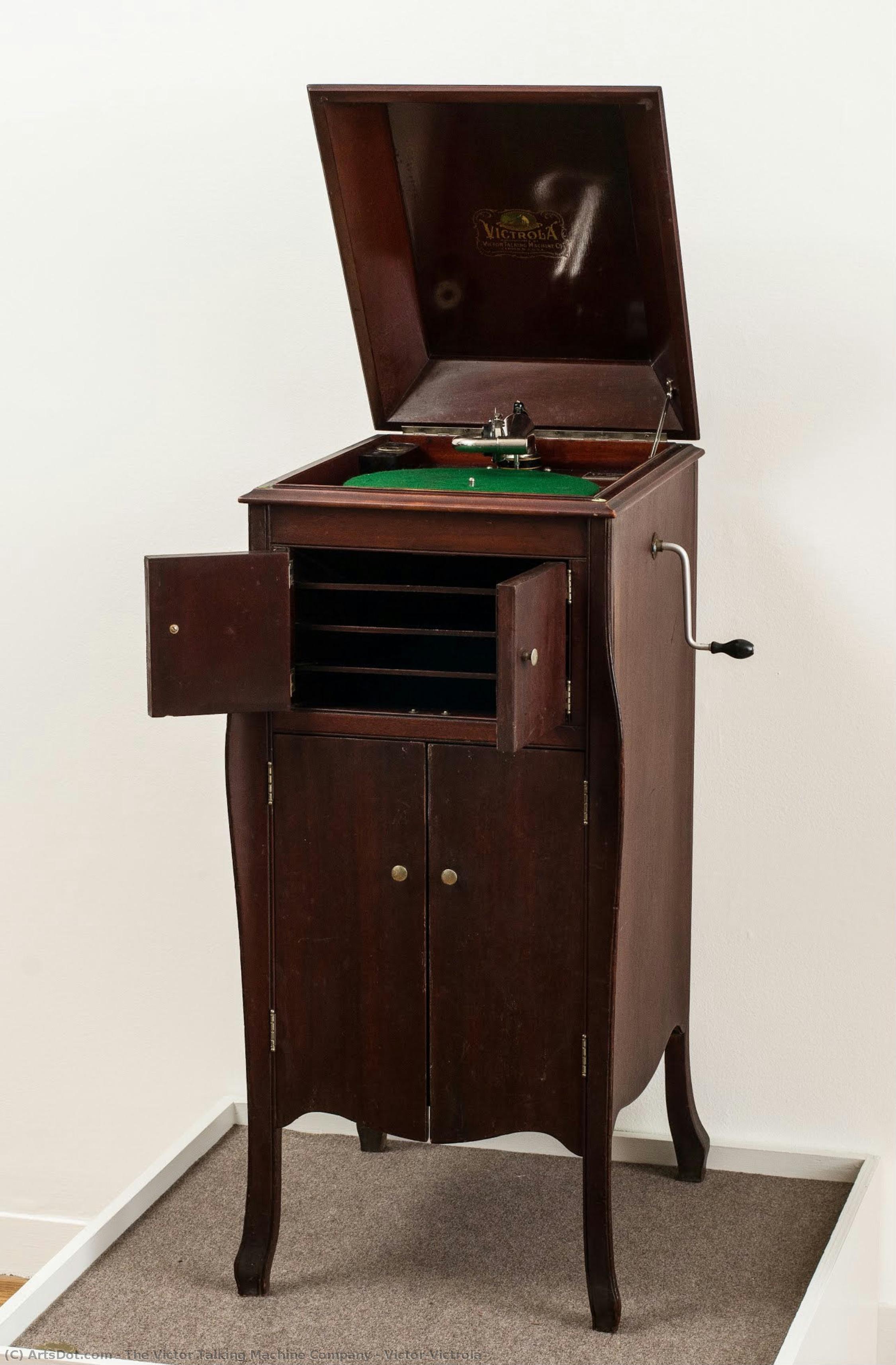
Victor-Victrola


 Читать далее
Приобретите цифровое изображение высокого разрешения в улучшенном качестве, которое значительно превосходит онлайн-превью.
Каждый файл тщательно подготавливается нашими специалистами с использованием передовых инструментов и экспертной ручной ретуши. Мы гарантируем исключительную четкость, точную цветопередачу и детальную проработку каждого изображения.
Финальный файл доставляется по электронной почте в течение 72 часов и оптимизирован для немедленного использования в профессиональной среде, при верстке и печати. Это тот же уровень качества, которому доверяют ведущие дизайнерские студии, издательства и галереи.
Цифровое изображение
Скачайте файл высокого разрешения для личного использования, печати и творческих проектов. ( Перейти к печати Купить картину ручной работы)
Включено в каждый заказ цифровых изображений
Гарантия экспертной цифровой доставки
Выбирая ArtsDot.com, вы получаете не просто изображение — вы приобретаете профессионально обработанное цифровое произведение искусства, созданное с безупречной точностью и под защитой гарантии качества. Вот всё, что автоматически входит в ваш заказ:

Мгновенная доставка по e-mail
Ваш цифровой файл в высоком разрешении будет отправлен вам по электронной почте в течение 72 часов после оформления заказа — и сразу станет доступен для использования.

Цифровой файл с ИИ-улучшением
Ваше произведение искусства проходит профессиональную оптимизацию с использованием передовых инструментов ИИ и ручной обработки, что гарантирует максимальную детализацию, четкость и точность цветопередачи.

Бессрочная бесплатная повторная доставка
Случайно удалили или потеряли файл? Не беспокойтесь — мы отправим его вам повторно в любое время и совершенно бесплатно.

Без импортных пошлин — навсегда
Наслаждайтесь вашим произведением искусства мгновенно без таможенных пошлин, сборов или затрат на доставку — цифровые загрузки всегда не облагаются налогом.

Гарантия точности цветопередачи
Мы гарантируем, что ваше цифровое изображение максимально точно передает оригинальные цвета благодаря использованию профессиональных инструментов и систем управления цветом.

Гарантия удовлетворенности 100 дней
Если вы не будете удовлетворены своим цифровым изображением, мы внесем правки или вернем 100% стоимости в течение 100 дней — без лишних вопросов.

100% Гарантия возврата средств
Не удовлетворены покупкой? Получите полный возврат средств в течение 100 дней после получения цифрового файла — без лишних вопросов.

Скидки на оптовые заказы
Купите 3 изображения, сэкономьте 10% — Купите 5, сэкономьте 15% — Купите 10+, сэкономьте 20%. Отличное решение для творческих проектов, галерей и агентств.
Похожие произведения
Биография художника
The Voice of an Era: The Victor Talking Machine Company
The story of the Victor Talking Machine Company is not that of a single artist wielding brush or chisel, but rather of an enterprise that fundamentally altered how we experience art – specifically, music. Founded in 1901 by Eldridge R. Johnson, though its roots trace back to Johnson’s earlier work with Emile Berliner and his gramophone, Victor quickly transcended the realm of mere manufacturing to become a cultural icon. It wasn't about *creating* the music itself, but about perfecting the means of its dissemination, democratizing access to performances previously confined to concert halls and opera houses. This ambition, coupled with an astute understanding of branding and marketing, propelled Victor to the forefront of the burgeoning recording industry, shaping not only musical tastes but also the very fabric of American leisure in the early 20th century.From Cylinder to Disc: A Technological Revolution
The initial years were marked by a fierce battle for dominance between cylinder and disc recordings. Johnson’s innovations proved pivotal. While Berliner's gramophone utilized discs, they suffered from inferior sound quality compared to Edison’s cylinders. Victor’s early success hinged on developing the “Victrola” – a cabinet-style phonograph that dramatically improved both the fidelity of disc playback and its aesthetic appeal. The Victrola wasn’t simply a machine; it was a piece of furniture, designed to integrate seamlessly into the Victorian home. This focus on design, coupled with superior sound reproduction, quickly won over consumers. The company didn't just sell music players; they sold an *experience*, a sense of refined domesticity and access to high culture. The iconic image of Nipper, the dog listening intently to his master’s voice emanating from a Victrola horn – “His Master’s Voice” – became synonymous with the brand, embodying this promise of faithful reproduction and emotional connection. The adoption of the disc format ultimately prevailed, largely due to Victor's relentless pursuit of technological advancement and its savvy marketing strategies.A Pantheon of Performers: Building a Musical Legacy
Victor’s influence extended far beyond hardware. The company actively sought out and recorded an astonishing array of talent, effectively creating the first “star system” in popular music. Enrico Caruso, arguably the most famous opera singer of his time, signed with Victor in 1906, a landmark deal that cemented the company's reputation for quality and prestige. This was followed by recordings from artists like John Philip Sousa, Billy Murray, and countless others spanning genres from classical to vaudeville.- Early Recordings: Victor’s early catalog focused heavily on operatic arias and popular songs of the day, catering to a middle-class audience eager for entertainment.
- The Rise of Jazz: Recognizing the growing popularity of jazz in the 1920s, Victor began recording artists like Louis Armstrong, Bessie Smith, and King Oliver, playing a crucial role in popularizing this uniquely American art form. This was not without controversy; some within the company initially resisted embracing what they perceived as “lowbrow” music.
- Classical Music Dominance: Victor continued to champion classical recordings throughout its history, establishing long-term relationships with leading orchestras and soloists.
Beyond Entertainment: Cultural Impact and Historical Significance
The Victor Talking Machine Company's impact transcended mere entertainment. It fundamentally altered the relationship between performer and audience, allowing music to be consumed in a private, personalized manner. This had profound social consequences, contributing to the rise of mass culture and the development of new forms of leisure activity. The Victrola became a focal point for family gatherings, romantic encounters, and individual contemplation. The accessibility of recorded music also played a role in breaking down regional barriers, fostering a sense of national identity. Furthermore, Victor’s business practices – including its aggressive pursuit of copyright protection and its pioneering use of advertising – laid the groundwork for the modern recording industry. While the company eventually merged with RCA in 1929, its legacy endures as a testament to the power of technology, marketing, and artistic vision in shaping our cultural landscape. The “His Master’s Voice” logo remains one of the most recognizable symbols of the golden age of recorded sound, a poignant reminder of an era when music truly found its voice.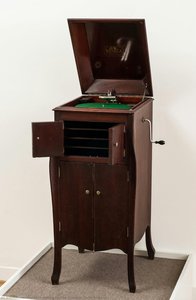
Основные сведения
- Artistic Movement Or Style: Commercial Art
- Date Of Death: Living
- Full Name: The Victor Talking Machine Company