

 Предпросмотр
 Поделиться
 Поделиться
 Детали произведения

 Скачать
 Похожие работы
 Рентгенография
 Слайд-шоу
 Статистика
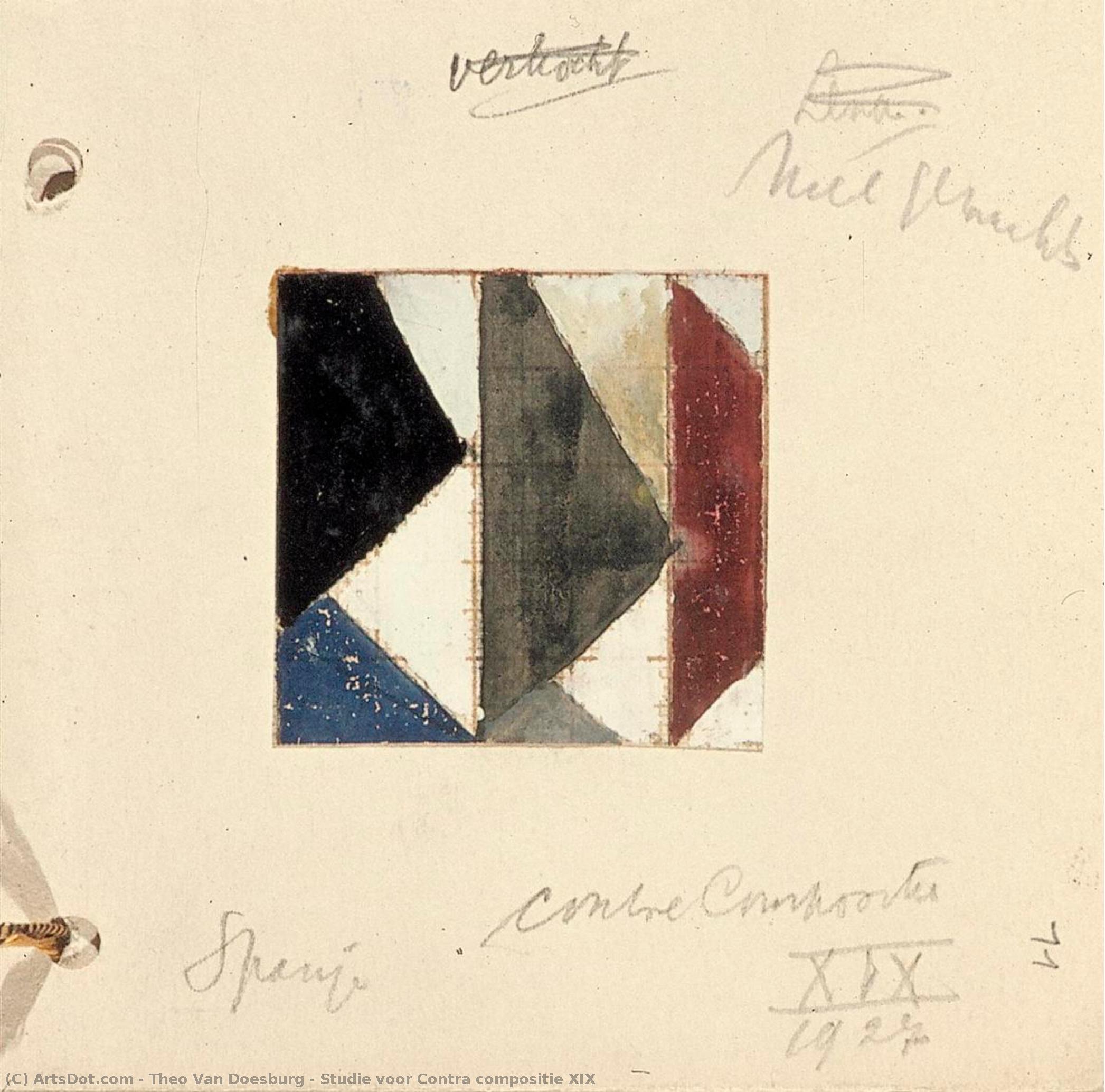
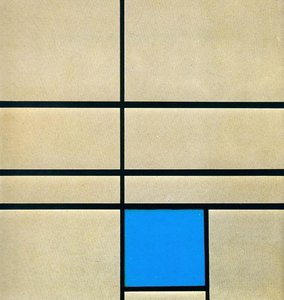
Studie voor Contra compositie XIX
 Acrylic
- WallArt
- Neoplasticism
 5.0 x 5.0 cm
 Крёллер-Мюллер Музей
 Читать далее
Приобретите цифровое изображение высокого разрешения в улучшенном качестве, которое значительно превосходит онлайн-превью.
Каждый файл тщательно подготавливается нашими специалистами с использованием передовых инструментов и экспертной ручной ретуши. Мы гарантируем исключительную четкость, точную цветопередачу и детальную проработку каждого изображения.
Финальный файл доставляется по электронной почте в течение 72 часов и оптимизирован для немедленного использования в профессиональной среде, при верстке и печати. Это тот же уровень качества, которому доверяют ведущие дизайнерские студии, издательства и галереи.
Цифровое изображение
Скачайте файл высокого разрешения для личного использования, печати и творческих проектов. ( Перейти к печати Купить картину ручной работы)
Включено в каждый заказ цифровых изображений
Гарантия экспертной цифровой доставки
Выбирая ArtsDot.com, вы получаете не просто изображение — вы приобретаете профессионально обработанное цифровое произведение искусства, созданное с безупречной точностью и под защитой гарантии качества. Вот всё, что автоматически входит в ваш заказ:

Мгновенная доставка по e-mail
Ваш цифровой файл в высоком разрешении будет отправлен вам по электронной почте в течение 72 часов после оформления заказа — и сразу станет доступен для использования.

Цифровой файл с ИИ-улучшением
Ваше произведение искусства проходит профессиональную оптимизацию с использованием передовых инструментов ИИ и ручной обработки, что гарантирует максимальную детализацию, четкость и точность цветопередачи.

Бессрочная бесплатная повторная доставка
Случайно удалили или потеряли файл? Не беспокойтесь — мы отправим его вам повторно в любое время и совершенно бесплатно.

Без импортных пошлин — навсегда
Наслаждайтесь вашим произведением искусства мгновенно без таможенных пошлин, сборов или затрат на доставку — цифровые загрузки всегда не облагаются налогом.

Гарантия точности цветопередачи
Мы гарантируем, что ваше цифровое изображение максимально точно передает оригинальные цвета благодаря использованию профессиональных инструментов и систем управления цветом.

Гарантия удовлетворенности 100 дней
Если вы не будете удовлетворены своим цифровым изображением, мы внесем правки или вернем 100% стоимости в течение 100 дней — без лишних вопросов.

100% Гарантия возврата средств
Не удовлетворены покупкой? Получите полный возврат средств в течение 100 дней после получения цифрового файла — без лишних вопросов.

Скидки на оптовые заказы
Купите 3 изображения, сэкономьте 10% — Купите 5, сэкономьте 15% — Купите 10+, сэкономьте 20%. Отличное решение для творческих проектов, галерей и агентств.
Studie voor Contra compositie XIX
Theo van Doesburg’s “Studie voor Contra compositie XIX” stands as a cornerstone of Neo-Plasticism—a movement he spearheaded alongside Piet Mondrian—and embodies the radical simplification championed by De Stijl artists. Executed in 1927, this unassuming gouache, indian ink, and pencil sketch on paper offers an intimate glimpse into Van Doesburg’s artistic process and reveals the profound influence of Kandinsky's pioneering explorations into abstract expression. Measuring just 5 x 5 cm, its diminutive size belies its monumental significance within the broader context of modernist art history.- Subject Matter: The artwork presents a geometric abstraction—specifically, a square divided into four colored squares—each rendered in black, red, gray, and blue. This deliberate choice reflects De Stijl’s core belief that visual art should transcend representational imagery to communicate pure form and color relationships.
- Style & Technique: Van Doesburg meticulously applied pigment onto paper using a precise hatching technique, emphasizing linearity and geometric precision. The stark contrast between black and white creates a dynamic tension that underscores the movement’s commitment to balance and equilibrium—a concept central to Mondrian's aesthetic vision.
- Historical Context: Created during the height of the Weimar Republic, “Studie voor Contra compositie XIX” speaks to the anxieties and aspirations of its time. Neo-Plasticism emerged as a reaction against Impressionism and Expressionism, rejecting subjective emotion in favor of objective visual harmony—a deliberate rejection of artistic conventions prevalent before 1914.
- Symbolism: The colors chosen – black, white, red, and blue – hold symbolic weight within De Stijl’s framework. Black represents emptiness and purity, while white embodies stillness and clarity. Red symbolizes energy and passion, albeit restrained by the geometric structure. Blue signifies tranquility and contemplation—a harmonious counterpoint to the assertive hues of red.
- Emotional Impact: Despite its minimalist appearance, “Studie voor Contra compositie XIX” evokes a powerful sense of serenity and intellectual engagement. The artwork invites viewers to contemplate the fundamental principles of visual perception and artistic expression, prompting reflection on the relationship between form and color—a dialogue that continues to resonate with contemporary audiences.
This remarkable study exemplifies Van Doesburg’s unwavering dedication to abstraction and his contribution to establishing Neo-Plasticism as a dominant force in European art. Its understated elegance and geometric rigor serve as an enduring testament to the transformative potential of artistic innovation.
Additional Research & Contextualization
The artwork is housed at the Kröller-Müller Museum in Otterlo, Netherlands, where it resides alongside other seminal pieces by Theo van Doesburg and Piet Mondrian—a curated collection that underscores the importance of De Stijl’s legacy. Examining related publications and scholarly analyses reveals a deeper understanding of the movement's theoretical underpinnings and its influence on subsequent artistic developments. Furthermore, exploring online resources like WikiArt provides invaluable insights into the artwork's provenance and critical reception.Collecting & Investing Considerations
High-quality reproductions of “Studie voor Contra compositie XIX” are available from reputable art dealers and online platforms—offering collectors a tangible connection to this iconic masterpiece. Assessing factors such as archival quality, framing options, and provenance adds value to the acquisition experience, ensuring that the artwork remains preserved for generations to come.Похожие произведения
Биография художника
The Architect of Abstraction: A Life in Geometric Harmony
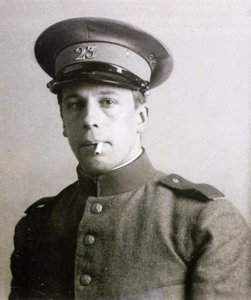
Theo van Doesburg, born Christian Emil Marie Küpper in 1883 in Utrecht, Netherlands, wasn’t merely a painter; he was a revolutionary force who fundamentally reshaped the very foundations of modern art. His journey began amidst the lingering echoes of Impressionism and Post-Impressionism – initially mirroring styles reminiscent of Vincent van Gogh – both in subject matter and emotional intensity. However, this early phase served as a crucial prelude, a necessary stepping stone toward the radical transformation that would define his enduring legacy. A pivotal moment arrived in 1913 with his encounter with Wassily Kandinsky’s *Rückblicke*. This text ignited within van Doesburg a profound realization: true artistic expression lay not in replicating the external world but in channeling an inner, spiritual reality through pure abstraction. It was this conviction that birthed Neoplasticism – more commonly known as De Stijl – a movement he founded and fiercely championed, becoming its most ardent advocate.Forging a New Visual Language: The Principles of De Stijl
De Stijl wasn’t simply an artistic style; it was a comprehensive philosophical manifesto translated into visual form. Van Doesburg believed in stripping art down to its most essential elements – straight lines, right angles, and the primary colors of red, yellow, and blue, alongside black, white, and gray. This austere palette wasn't born from limitation but from a desire for universality—a belief that these fundamental forms resonated with an underlying cosmic order. He envisioned a *total* work of art, extending beyond the canvas to encompass architecture, design, and even everyday objects. Collaboration was key; van Doesburg worked closely with architects like J.J.P. Oud and Gerrit Rietveld, designing stained glass windows, furniture, and entire interiors that embodied the principles of De Stijl. His collaborations extended to fellow artists such as Piet Mondrian, with whom he co-founded the influential journal *De Stijl*, a platform for disseminating their ideas and attracting like-minded creatives. However, despite their shared origins, tensions arose between van Doesburg and Mondrian regarding the rigidity of Neoplasticism. Van Doesburg introduced “Elementarism” in 1926, advocating for diagonal lines and more dynamic compositions – a departure that ultimately led to a schism within the movement, revealing his restless spirit and constant pursuit of artistic evolution.The Early Years & Influences: From Impressionism to Kandinsky
Van Doesburg’s early artistic development was deeply influenced by the vibrant colors and emotional intensity of Vincent van Gogh. His initial paintings often depicted landscapes and portraits imbued with a sense of melancholy and introspection, mirroring Van Gogh's expressive brushstrokes and use of color. However, this early phase served as a crucial prelude, a necessary stepping stone toward the radical transformation that would define his enduring legacy. The turning point came in 1913 with his encounter with Wassily Kandinsky’s *Rückblicke*. This text, exploring the spiritual dimension of art and advocating for abstraction, profoundly impacted van Doesburg's artistic vision. He began to experiment with simplified forms and non-representational imagery, moving away from traditional subject matter and seeking a more direct connection to inner experience. The influence of Japanese prints – particularly their use of flat planes of color and geometric patterns – also played a significant role in shaping his aesthetic sensibilities.A Revolutionary Movement: The Birth of De Stijl
De Stijl, meaning “The Style,” emerged as a multifaceted movement encompassing painting, architecture, design, and typography. It wasn’t merely an artistic style; it was a comprehensive philosophical manifesto translated into visual form. Van Doesburg believed in stripping art down to its most essential elements – straight lines, right angles, and the primary colors of red, yellow, and blue, alongside black, white, and gray. This austere palette wasn't born from limitation but from a desire for universality—a belief that these fundamental forms resonated with an underlying cosmic order. He envisioned a *total* work of art, extending beyond the canvas to encompass architecture, design, and even everyday objects. The core tenets of De Stijl were rigorously defined: absolute geometric abstraction, the use of primary colors and neutral tones, and a rejection of illusionistic space. The group’s journal, *De Stijl*, became a vital vehicle for disseminating these ideas and attracting like-minded creatives, fostering a vibrant intellectual community dedicated to exploring the possibilities of pure abstraction.Beyond Painting: A Multifaceted Artistic Vision
While celebrated as a painter, van Doesburg’s artistic pursuits were remarkably diverse. He was a prolific writer, poet, and critic, using his pen to articulate the theoretical underpinnings of De Stijl and challenge conventional notions of art. His engagement with Dadaism in the early 1920s further broadened his artistic horizons, leading to experimental works that incorporated collage and typography. This period also saw him teaching at the Bauhaus, where he shared his ideas with a new generation of artists and designers. He wasn’t content to remain within the confines of traditional art forms; van Doesburg actively sought to integrate art into everyday life, believing it had the power to transform society. His designs for interiors and furniture weren't merely aesthetic exercises but attempts to create harmonious living spaces that reflected the principles of De Stijl. A prime example is his collaboration with Sophie Taeuber-Arp and Georges Vantongerloo on designing artist residences, showcasing a holistic approach to artistic creation – an attempt to build a world *in* the image of his ideals.Legacy & Enduring Influence: A Pioneer of Modernism
Theo van Doesburg’s life was tragically cut short in 1931 at the age of 47, yet his impact on modern art remains profound. De Stijl, though relatively short-lived as a cohesive movement, exerted an enormous influence on subsequent artistic developments, including Bauhaus design, Minimalism, and Constructivism. His emphasis on geometric abstraction, pure color, and functionalism continues to resonate with artists and designers today. His work serves as a reminder that art is not merely about representation but about the exploration of fundamental forms and ideas. Van Doesburg’s legacy extends beyond his paintings and designs; it lies in his unwavering commitment to artistic innovation and his belief in the transformative power of abstraction. His vision of a unified, harmonious world – expressed through the language of De Stijl – continues to inspire those who seek to create a more beautiful and meaningful environment.Key Works & Lasting Impact
- Study for Simultaneous Compositions XXII (1922): A quintessential example of Neoplasticism, showcasing the movement’s signature geometric forms and limited color palette.
- Composition with half values (1928): Demonstrates van Doesburg's exploration of tonal variations within the De Stijl aesthetic.
- Dancers (1917-1918): Represents a transitional phase in his work, blending figurative elements with emerging abstract tendencies.
- Collaboration on *De Stijl* journal: A crucial platform for disseminating the movement’s ideas and fostering dialogue among artists and intellectuals.
- Elementarism (1926): Van Doesburg's attempt to inject dynamism into Neoplasticism, introducing diagonal lines and a more fluid approach to composition.
Тео ван Досбург
1883 - 1931 , Нидерланды
Основные сведения
- Artistic Movement Or Style: Де Стиль, Неопластицизм
- Artists Or Movements Influenced By This Artist:
- Бхауэиз
- Минимализм
- Artists Who Influenced This Artist:
- Ван Гог
- Кандинский
- Date Of Birth: 30 августа 1883
- Date Of Death: 7 марта 1931
- Full Name: Тео ван Досбург
- Nationality: Нидерландский
- Notable Artworks:
- Изучение для одновременных композиций XXII
- Композиция с полутонами
- Танцоры
- Place Of Birth: Утрехт, Нидерланды