


 Предпросмотр
 Поделиться
 Поделиться
 Детали произведения

 Скачать
 Похожие работы
 Рентгенография
 Слайд-шоу
 Статистика
Mädchen mit Sittich
 1905
1905 5.0 x 85.0 cm
 Читать далее
Жикле / Арт-принт
Печать (жикле) или холст музейного качества с быстрыми сроками изготовления и широким выбором вариантов отделки. ( Купить картину ручной работы Перейти к цифровым изображениям)




































Выберите один из наших стандартных размеров, соответствующих оригинальным пропорциям произведения искусства.

Вы можете указать свои собственные размеры, чтобы репродукция идеально подошла под конкретную раму или пространство. Если выбранный вами размер не будет соответствовать пропорциям оригинала, мы либо обрежем произведение, либо дополним изображение зеркальным отражением краев или однотонной заливкой. Перед началом производства вам будет отправлен цифровой макет для утверждения.
Пожалуйста, обратите внимание, что предварительный просмотр на экране не отображает фактическую обрезку или расширение изображения. Только макет точно покажет финальную композицию.
Несмотря на возможность заказа индивидуальных размеров, мы рекомендуем выбирать размер из предопределенного списка, чтобы сохранить оригинальные пропорции.
Доставка по всему миру () за 2 недели вместо стандартных 4/5 недель. (14 Сентябрь)

Бесплатная экспресс-доставка по всему миру

Высококачественный льняной холст

Полное страхование доставки

Гарантия возмещения таможенных пошлин

Гарантия точного соответствия цветов

100-дневная политика возврата (только при обнаружении дефектов)

Гарантия возврата 100% средств

Предложение оптовых скидок
 Вариант со стеклом доступен только для размеров менее 110 см

Mädchen mit Sittich
Жикле / Арт-принт
Размер репродукции
-


Итоговая стоимость
$ 62
Похожие произведения







Биография художника
A Life Shaped by Porcelain: The Artistic Journey of Theo Schmuz-Baudiß
The name Theo Schmuz-Baudiß may not be instantly recognizable to all, yet his delicate touch and masterful skill have graced the tables and collections of discerning enthusiasts for generations. Born August 4th, 1859, in the Moravian settlement of Herrnhut, Germany, Theodor Hermann Schmuz-Baudiß embarked on a career deeply intertwined with the artistry of porcelain. Herrnhut itself, founded by the Unitas Fratrum, fostered a tradition of meticulous craftsmanship and dedication to beauty – qualities that would profoundly shape young Theo’s artistic sensibility. While details of his early training remain somewhat elusive, it is clear he possessed an innate talent for modeling, a gift that would lead him to become a pivotal figure in the world of porcelain artistry during the late 19th and early 20th centuries. His life wasn't one of flamboyant public display, but rather a quiet dedication to perfecting his craft within the esteemed walls of the Königliche Porzellan-Manufaktur Berlin (Royal Porcelain Manufactory).Years at the Royal Porcelain Manufactory: A Flourishing Career
In 1902, Schmuz-Baudiß joined the prestigious Königliche Porzellan-Manufaktur Berlin, a position he held for over two decades until 1925. This appointment marked a turning point in his career, providing him with access to unparalleled resources and a platform to fully develop his unique style. The Manufactory was renowned for its commitment to both historical reproduction and innovative design, and Schmuz-Baudiß thrived within this environment. He quickly became known as a specialist in porcelain modeling, particularly excelling in the creation of dinner services and charming figurative pieces. His work wasn’t simply about replicating forms; it was about imbuing them with life, grace, and a subtle emotional resonance. He possessed an extraordinary ability to capture movement and personality in clay, transforming everyday objects into miniature works of art. During his tenure, he contributed significantly to the Manufactory's reputation for exquisite quality and refined aesthetics.The Sittich Motif: A Signature Style
While Schmuz-Baudiß’s oeuvre encompassed a wide range of subjects, he is perhaps most celebrated for his depictions of *Sittich* – small parakeets or budgerigars. These weren't merely decorative elements; they became a signature motif, adorning dinner services, individual figurines, and ornamental pieces with their vibrant colors and playful energy. The choice of the Sittich itself is noteworthy. In Victorian symbolism, birds often represented love, fidelity, and happiness – themes that resonated deeply with the domestic sensibilities of the era. Schmuz-Baudiß’s Sittich scenes were not simply charming; they evoked a sense of idyllic contentment and refined elegance. He masterfully integrated these birds into elaborate floral arrangements, playful narratives, and intricate designs, creating pieces that were both visually captivating and emotionally engaging. The delicate painting techniques employed to render the feathers and expressions of these small creatures demonstrate his exceptional technical skill and artistic sensitivity.Influences and Artistic Development
Identifying specific direct influences on Schmuz-Baudiß’s work is a complex undertaking, as his style represents a synthesis of various traditions. The Rococo revival prevalent during the late 19th century undoubtedly played a role, informing his penchant for delicate ornamentation and graceful forms. However, he wasn't merely copying past styles; he infused them with a distinctly modern sensibility.- The influence of naturalism is evident in his meticulous rendering of flora and fauna.
- His work also reflects the broader artistic trends of the Art Nouveau movement, particularly its emphasis on organic forms and flowing lines.
- The strong tradition of porcelain painting at Meissen and other German manufactories likely provided a foundation for his technical expertise.
Legacy and Historical Significance
Theo Schmuz-Baudiß passed away on June 20th, 1942, in Partenkirchen, Germany, leaving behind a legacy of exquisite porcelain artistry. While he may not be a household name, his work continues to be highly sought after by collectors and admired by art historians. His pieces represent a high point in the tradition of German porcelain modeling, embodying both technical brilliance and refined aesthetics. His contributions to the Königliche Porzellan-Manufaktur Berlin were significant, helping to solidify the Manufactory’s reputation for quality and innovation. Today, his work can be found in museums and private collections around the world, serving as a testament to his enduring talent and artistic vision. The delicate beauty of his *Sittich* scenes and the graceful elegance of his dinner services continue to captivate audiences, reminding us of the power of art to transform everyday objects into miniature masterpieces.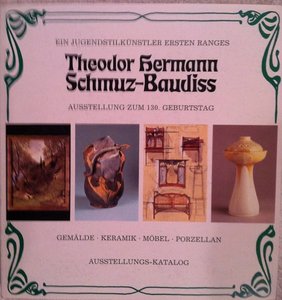
theodor hermann schmuz-baudiß
1859 - 1942 , Germany
Основные сведения
- Artistic Movement Or Style: Porcelain Modeling
- Date Of Birth: August 4, 1859
- Date Of Death: June 20, 1942
- Full Name: Theodor Hermann Schmuz-Baudiß
- Nationality: German
- Notable Artworks:
- Sittich scenes
- Dinner services
- Place Of Birth: Herrnhut, Germany