

 Предпросмотр
 Поделиться
 Поделиться
 Детали произведения

 Скачать
 Похожие работы
 Рентгенография
 Слайд-шоу
 Статистика
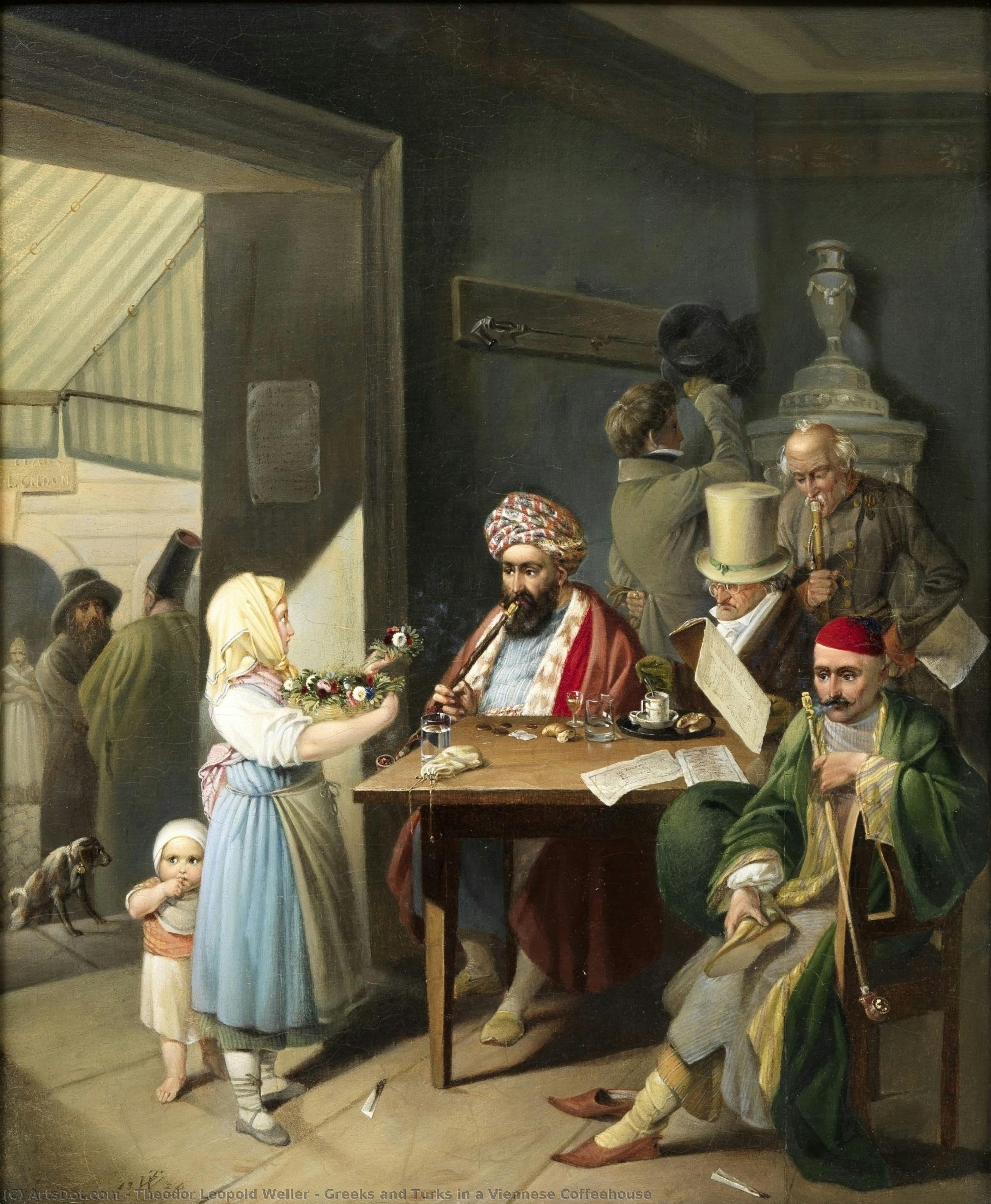
Greeks and Turks in a Viennese Coffeehouse
 Munich School
 1824
1824- 19th Century
 5.0 x 31.0 cm
 Wien Museum
 Читать далее
Приобретите цифровое изображение высокого разрешения в улучшенном качестве, которое значительно превосходит онлайн-превью.
Каждый файл тщательно подготавливается нашими специалистами с использованием передовых инструментов и экспертной ручной ретуши. Мы гарантируем исключительную четкость, точную цветопередачу и детальную проработку каждого изображения.
Финальный файл доставляется по электронной почте в течение 72 часов и оптимизирован для немедленного использования в профессиональной среде, при верстке и печати. Это тот же уровень качества, которому доверяют ведущие дизайнерские студии, издательства и галереи.
Цифровое изображение
Скачайте файл высокого разрешения для личного использования, печати и творческих проектов. ( Перейти к печати Купить картину ручной работы)
Включено в каждый заказ цифровых изображений
Гарантия экспертной цифровой доставки
Выбирая ArtsDot.com, вы получаете не просто изображение — вы приобретаете профессионально обработанное цифровое произведение искусства, созданное с безупречной точностью и под защитой гарантии качества. Вот всё, что автоматически входит в ваш заказ:

Мгновенная доставка по e-mail
Ваш цифровой файл в высоком разрешении будет отправлен вам по электронной почте в течение 72 часов после оформления заказа — и сразу станет доступен для использования.

Цифровой файл с ИИ-улучшением
Ваше произведение искусства проходит профессиональную оптимизацию с использованием передовых инструментов ИИ и ручной обработки, что гарантирует максимальную детализацию, четкость и точность цветопередачи.

Бессрочная бесплатная повторная доставка
Случайно удалили или потеряли файл? Не беспокойтесь — мы отправим его вам повторно в любое время и совершенно бесплатно.

Без импортных пошлин — навсегда
Наслаждайтесь вашим произведением искусства мгновенно без таможенных пошлин, сборов или затрат на доставку — цифровые загрузки всегда не облагаются налогом.

Гарантия точности цветопередачи
Мы гарантируем, что ваше цифровое изображение максимально точно передает оригинальные цвета благодаря использованию профессиональных инструментов и систем управления цветом.

Гарантия удовлетворенности 100 дней
Если вы не будете удовлетворены своим цифровым изображением, мы внесем правки или вернем 100% стоимости в течение 100 дней — без лишних вопросов.

100% Гарантия возврата средств
Не удовлетворены покупкой? Получите полный возврат средств в течение 100 дней после получения цифрового файла — без лишних вопросов.

Скидки на оптовые заказы
Купите 3 изображения, сэкономьте 10% — Купите 5, сэкономьте 15% — Купите 10+, сэкономьте 20%. Отличное решение для творческих проектов, галерей и агентств.
A Window into a Vanished Era
In the quiet, evocative strokes of Theodor Leopold Weller’s 1824 masterpiece, Greeks and Turks in a Viennese Coffeehouse, we are invited to step through a portal into the social fabric of nineteenth-century Europe. This intimate scene captures more than just a gathering; it preserves a fleeting moment of cross-cultural coexistence within the legendary atmosphere of a Viennese café. The composition draws the viewer into a world of hushed conversations and shared leisure, where the boundaries between different nationalities seem to soften under the warmth of social ritual. Through his masterful command of genre painting, Weller transforms a simple afternoon encounter into a profound study of human connection and the quiet dignity of everyday life.
The visual narrative is anchored by a group of men gathered around a central table, their presence suggesting a tapestry of diverse identities woven together by the shared experience of coffeehouse culture. The subtle inclusion of formal attire, such as ties and structured coats, hints at the social etiquette of the era, while the presence of a loyal dog resting near the patrons adds a layer of domestic warmth and unpretentious realism. A solitary clock hanging upon the wall serves as a poignant memento mori, a gentle reminder of the passage of time that continues even as these figures remain suspended in their moment of repose. The monochromatic palette, though stark, lends an air of timelessness to the scene, stripping away the distraction of color to focus our attention on the interplay of light, shadow, and the subtle geometry of the gathering.
The Mastery of the Munich School
As a prominent figure of the Munich School, Theodor Leopold Weller brought a unique psychological depth to his depictions of the mundane. Unlike the grand, sweeping historical canvases favored by many of his contemporaries, Weller found his muse in the textures of reality—the way light hits a porcelain cup or the weary slump of a shoulder after a long day. In this particular work, his technique demonstrates an extraordinary ability to render atmosphere; one can almost sense the low hum of voices and the aroma of roasted beans permeating the air. His training under the rigorous academic standards of the Munich Academy allowed him to imbue even the most casual subject matter with a structural integrity and a sense of monumental importance.
For the discerning collector or interior designer, this piece offers a sophisticated touch of historical elegance. It is an artwork that does not demand attention through loud colors, but rather commands respect through its quiet, contemplative strength. When placed within a curated space—perhaps as a focal point in a library, a study, or a refined sitting room—it serves as a conversation starter, inviting guests to contemplate the layers of history and culture embedded within its frame. A high-quality reproduction of this work allows the timeless charm of 1824 Vienna to reside within a modern home, providing an anchor of classical beauty and intellectual depth that transcends the fleeting trends of contemporary decor.
Похожие произведения



Биография художника
Theodor Leopold Weller: A Master of Everyday Life
Theodor Leopold Weller (May 29, 1802 – December 10, 1880), born in Mannheim, Germany, stands as a pivotal figure within the Munich School of painting—a movement dedicated to portraying scenes from ordinary life with remarkable precision and psychological insight. Initially envisioned for a legal profession by his father, Weller’s passion for art swiftly took precedence, embarking on formal studies at the Academy of Fine Arts in Munich under Johann Peter von Langer, where he encountered the influential Peter von Cornelius, brought to Munich by Ludwig II to oversee the Glyptothek. Unlike many of his contemporaries who pursued grand historical narratives or mythological subjects, Weller deliberately gravitated towards depictions of daily existence and the natural world—a decision that profoundly shaped his artistic trajectory.- Early Influences & Training: Langer’s guidance instilled in Weller a foundational understanding of academic painting principles, while Cornelius's presence exposed him to the burgeoning Romantic spirit prevalent in Munich.
- The Pursuit of Detail: Weller honed his technique under Peter von Hess, mastering meticulous observation and rendering—a characteristic that would become synonymous with his oeuvre.
- Roman Exploration & Artistic Growth: Weller’s journey to Rome in 1825 alongside Ernst Fries marked a crucial period of artistic maturation, fostering an appreciation for classical ideals and broadening his visual vocabulary. He diligently documented his travels through Italy, including Naples, capturing the essence of Italian landscapes and culture.
Career Highlights & Artistic Output
Returning to Mannheim in 1833, Weller established himself as a respected artist and educator, accepting the role of Director of the Mannheim Kunstverein (Art Association) from 1839 to 1848. During this tenure, he served on the board for twenty-three years and diligently curated the Verein’s collection—resulting in a comprehensive catalog documenting 124 of his own works. This catalogue serves as invaluable evidence of Weller's prolific output and demonstrates his unwavering commitment to capturing the subtleties of human experience within accessible subjects.- Directorate & Artistic Legacy: Weller’s leadership at the Kunstverein solidified his reputation as a champion of German Romanticism and fostered an environment conducive to artistic innovation.
- Notable Paintings: His extensive body of work includes captivating genre scenes—such as “Studies on a Bagpiper” (1851) and “Standing Woman in the Costume of Cervara,” showcasing his mastery of watercolor and capturing nuanced emotional states.
The Munich School & Weller’s Contribution Weller's dedication to portraying everyday life—combined with his meticulous technique—established him as a cornerstone of the Munich School, alongside artists like Cornelius and Hess. He championed realism within Romanticism, prioritizing psychological depth over mere visual spectacle. His paintings offer poignant glimpses into the lives of ordinary people—reflecting the social consciousness of his time while simultaneously elevating genre painting to new heights of artistic accomplishment. Weller’s legacy continues to inspire artists today who strive for authenticity and emotional resonance in their depictions of human experience.
Concluding Remarks Theodor Leopold Weller passed away peacefully in Mannheim on December 10, 1880, succumbing to a stroke—a tragic end for an artist whose life’s work embodied the spirit of observation, empathy, and artistic excellence. His enduring influence can be seen in subsequent generations of German painters who embraced his commitment to portraying the human condition with sensitivity and unwavering detail.
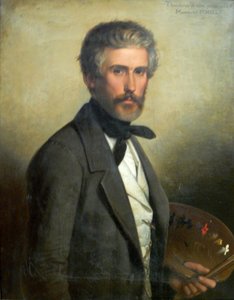
Theodor Leopold Weller
1802 - 1880 , Germany
Основные сведения
- Artistic Movement Or Style: Munich School
- Artists Or Movements Influenced By This Artist: ['Romanticism']
- Artists Who Influenced This Artist: ['Peter von Hess']
- Date Of Birth: May 29, 1802
- Date Of Death: December 10, 1880
- Full Name: Theodor Leopold Weller
- Nationality: German
- Notable Artworks:
- Studies on a Bagpiper
- Studies with lying child
- Place Of Birth: Mannheim, Germany