

 Поделиться
 Поделиться
 Детали произведения

 Скачать
 Похожие работы
 Слайд-шоу
 Статистика
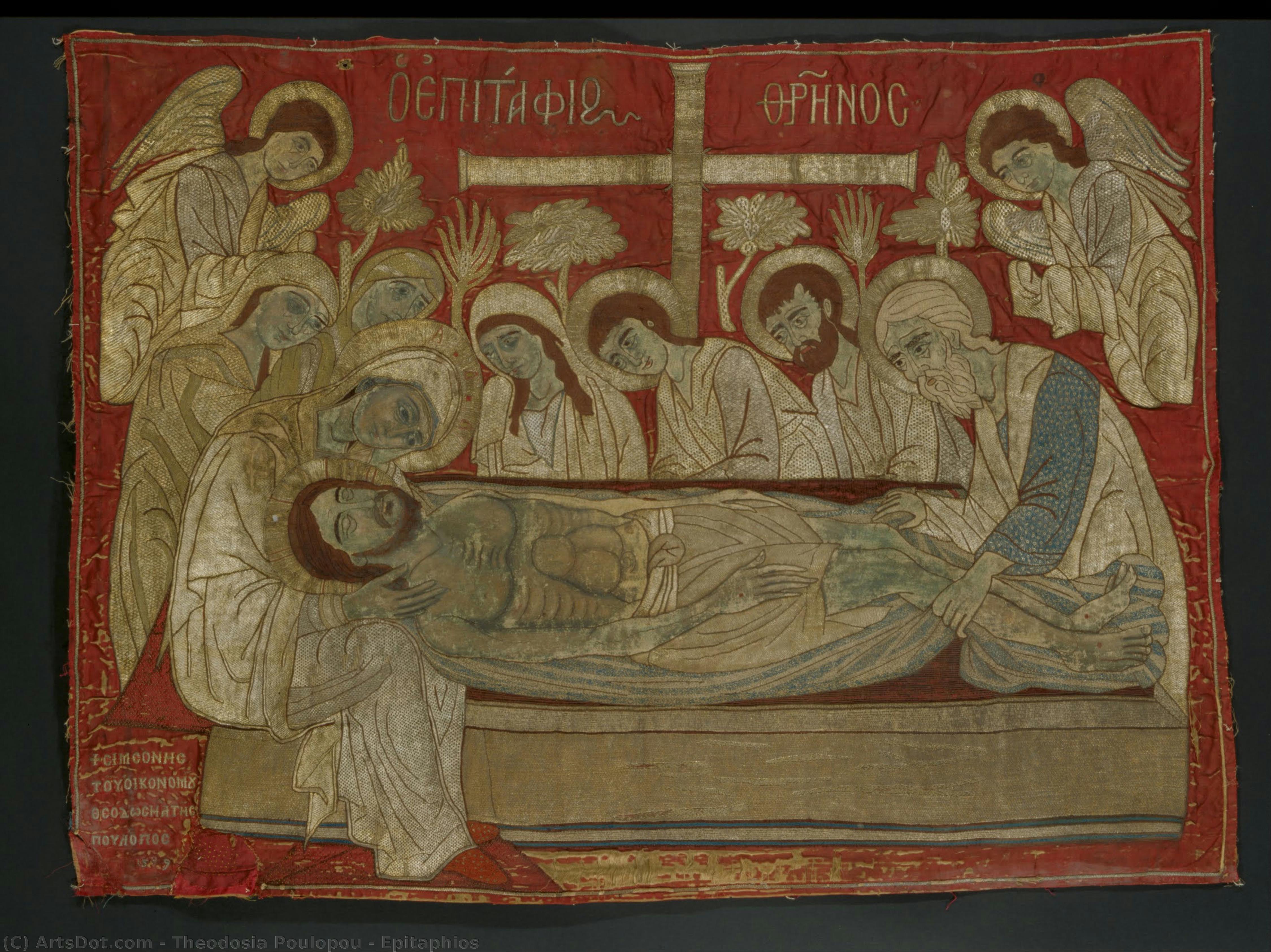
Epitaphios
 Embroidery
- Textile
- Post-Byzantine
 1599
1599- Early Modern
 70.0 x 800.0 cm
 Музей греческой цивилизации Бенаки
 Читать далее
Масляная репродукция ручной работы
Картина маслом на холсте в выбранном вами размере и раме, написанная на заказ нашими художниками. ( Перейти к печати Перейти к цифровым изображениям)




































Выберите один из наших стандартных размеров, соответствующих оригинальным пропорциям произведения искусства.

Вы можете указать собственные размеры, чтобы картина идеально вписалась в выбранную раму или пространство. Если выбранный вами размер не соответствует пропорциям оригинала, мы либо обрежем полотно, либо расширим его за счет дополнительных элементов, написанных вручную. Цифровой макет будет отправлен вам на утверждение перед началом производства.
Обратите внимание, что предварительный просмотр на экране не отражает фактическую обрезку или расширение. Только макет точно покажет окончательную композицию.
Хотя доступны индивидуальные размеры, мы рекомендуем выбирать вариант из предопределенного списка, чтобы сохранить исходные пропорции.
После оформления заказа команда ArtsDot.com свяжется с клиентом по электронной почте для уточнения деталей и предоставит предварительный макет
Доставка по всему миру () за 3–4 недели вместо стандартных 5 недель. (11 Сентябрь). Без компромиссов в качестве.

Бесплатная экспресс-доставка по всему миру

Высококачественный льняной холст

Полное страхование доставки

Гарантия возмещения таможенных пошлин

Гарантия точного соответствия цветов

100-дневная политика возврата (только при обнаружении дефектов)

Гарантия возврата 100% средств

Предложение оптовых скидок
 Вариант со стеклом доступен только для размеров менее 110 см

Epitaphios
Техника репродукции
Размер репродукции
-


Итоговая стоимость
$ 413
A Tapestry of Sorrow and Gold: The Divine Artistry of Epitaphios
In the quiet, hallowed atmosphere of a Greek Orthodox liturgy, few objects command as much reverence as the Epitaphios. Created in 1599 by the skilled needlewoman Theodosia Poulopou, this extraordinary liturgical cloth is far more than a mere textile; it is a profound window into the soul of the post-Byzantine era. As a masterpiece of gold-thread embroidery, the work captures the heavy, somber essence of Good Friday, depicting the Lamentation of Christ with a visceral, emotional depth that transcends its centuries-old origins. To behold this piece is to witness a moment where fine craftsmanship meets divine tragedy, making it an incomparable treasure for those who appreciate art that speaks to the eternal.
The composition is a masterclass in Byzantine stylistic tradition, characterized by a striking, flattened perspective that directs the viewer's focus toward the spiritual weight of the scene rather than physical realism. A deep, saturated red dominates the fabric, acting as a powerful symbol of both the blood of sacrifice and the royal dignity of the Christ figure. Within this sea of crimson, the figures are arranged in a tightly packed, rhythmic formation around the body of Christ being laid into his tomb. The use of thick, stylized lines and angular shapes creates a sense of monumental stability, while the dramatic interplay between light and shadow lends a haunting, three-dimensional quality to the embroidered figures.
The Mastery of Thread and Needle
The technical brilliance of Poulopou’s work lies in her ability to translate complex theological narratives into the medium of needlework. Using precious gold threads and fine pigments, she achieved a texture that feels both rugged and ethereal. The embroidery is not merely decorative; it is structural, providing a tactile dimension that invites the eye to wander over the intricate stitching. This technique creates a shimmering effect when caught by candlelight, much as it would have been seen during historical Good Friday services. For the discerning collector or interior designer, a high-quality reproduction of this piece offers a unique opportunity to introduce a sense of historical weight and textured luxury into a space.
Beyond its aesthetic splendor, the Epitaphios is steeped in profound symbolism. The prominent display of the cross serves as a beacon of redemption amidst the surrounding grief, while the Greek inscriptions—such as the evocative "ΟΕΠΙΤΑΦΙΩ" (Upon the Tomb)—ground the artwork in its liturgical purpose. Every stitch carries the weight of devotion, reflecting a period where art was an act of prayer. This piece does not merely decorate a room; it anchors it with a sense of history, solemnity, and a timeless connection to the human experience of mourning and hope.
Похожие произведения

Биография художника
early life and background
theodosia poulopos, also known as theodosia poulopou, was a greek artist born in 1570 in chios, greece. her early life remains shrouded in mystery, but it is evident that she was destined for artistic greatness.artistic contributions
theodosia poulopou's most notable contribution to the art world is her work as a needlewoman, creating intricate ecclesiastical art. one of her most famous works, epitaphios, created in 1599, is considered one of the most important and earliest examples of post-byzantine ecclesiastical art.notable works and collections
* epitaphios (1599) - a masterpiece of post-byzantine ecclesiastical art, showcasing poulopou's skill as a needlewoman. * featured in the syracuse university art collection, which includes works from renowned artists and emerging talents. /en/art/show/art-d3bb8p-en/ * also, her work is mentioned in the context of the christ church picture gallery, a prestigious art gallery in oxford, uk. /en/art/show/art-d3btj5-en/legacy and influence
theodosia poulopou's work had a profound impact on the development of post-byzantine ecclesiastical art. her innovative use of needlework techniques raised the bar for future generations of artists.- her contributions to the post-byzantine movement are still studied by art historians and enthusiasts alike.
- poulopou's influence can be seen in various art collections, including the syracuse university art collection and other notable galleries.
conclusion
theodosia poulopou's life may have been short, but her impact on the art world is undeniable. as a pioneering figure in post-byzantine ecclesiastical art, she continues to inspire artists and art enthusiasts to this day.- explore more of poulopou's work and its significance in the ArtsDot.com collection.
- delve into the christ church picture gallery's extensive collection, featuring works from various periods and artists.
references:
* [https://ArtsDot.com/@/theodosia-poulopou](https://ArtsDot.com/@/theodosia-poulopou) - theodosia poulopou's profile on ArtsDot.com * [https://wikipedia.org](https://wikipedia.org) - general information on post-byzantine art and the byzantine empire
theodosia poulopou
1570 - 1620 , Greece
Основные сведения
- Artistic Movement Or Style: Renaissance printmaking
- Artists Or Movements Influenced By This Artist:
- Hieronymus Bosch
- Hans Vredeman de Vries
- Artists Who Influenced This Artist:
- Matthys Cock
- Frans Floris
- Date Of Birth: 1518
- Date Of Death: 1570
- Full Name: Hieronymus Cock
- Nationality: Flemish
- Notable Artworks:
- Landscape etchings (1558)
- Various prints by others
- Place Of Birth: Antwerp, Belgium
Похожие статьи
Sacred Narratives on Canvas: Exploring Religious Scenes & Their Enduring Influence
Explore the rich history of religious art from Giotto to the Renaissance masters with ArtsDot. Discover symbolism, techniques & enduring legacies. Museum-quality reproductions available.

10 Шедевров Постимпрессионизма, Определивших Эпоху | ArtsDot.com
Погрузитесь в мир постимпрессионизма! Откройте 10 шедевров Ван Гога, Моне, Сезанна и других великих художников. История искусства, техники живописи и вдохновение для вашего интерьера на ArtsDot.com. Изысканные репродукции картин ждут вас!
Sacred Narratives on Canvas: Exploring Religious Painting Through History
Explore the rich history of religious painting with ArtsDot.com! Discover iconic artworks, symbolism & techniques from antiquity to the Renaissance. Enhance your art appreciation today.
Illuminating Eternity: A Comprehensive Exploration of Byzantine Art's Legacy
Explore the rich history & stunning artistry of the Byzantine Empire! Discover iconic mosaics, profound symbolism, and lasting influence on Western art. A comprehensive guide for history lovers.
Sacred Narratives Embodied: A Comprehensive Exploration of Religious Iconography in Art History
Explore the rich history of religious iconography in art! Discover symbolism, movements & masterpieces from Byzantine to Renaissance periods. Expert insights for collectors and enthusiasts at ArtsDot.