

 Предпросмотр
 Поделиться
 Поделиться
 Детали произведения

 Скачать
 Похожие работы
 Рентгенография
 Слайд-шоу
 Статистика
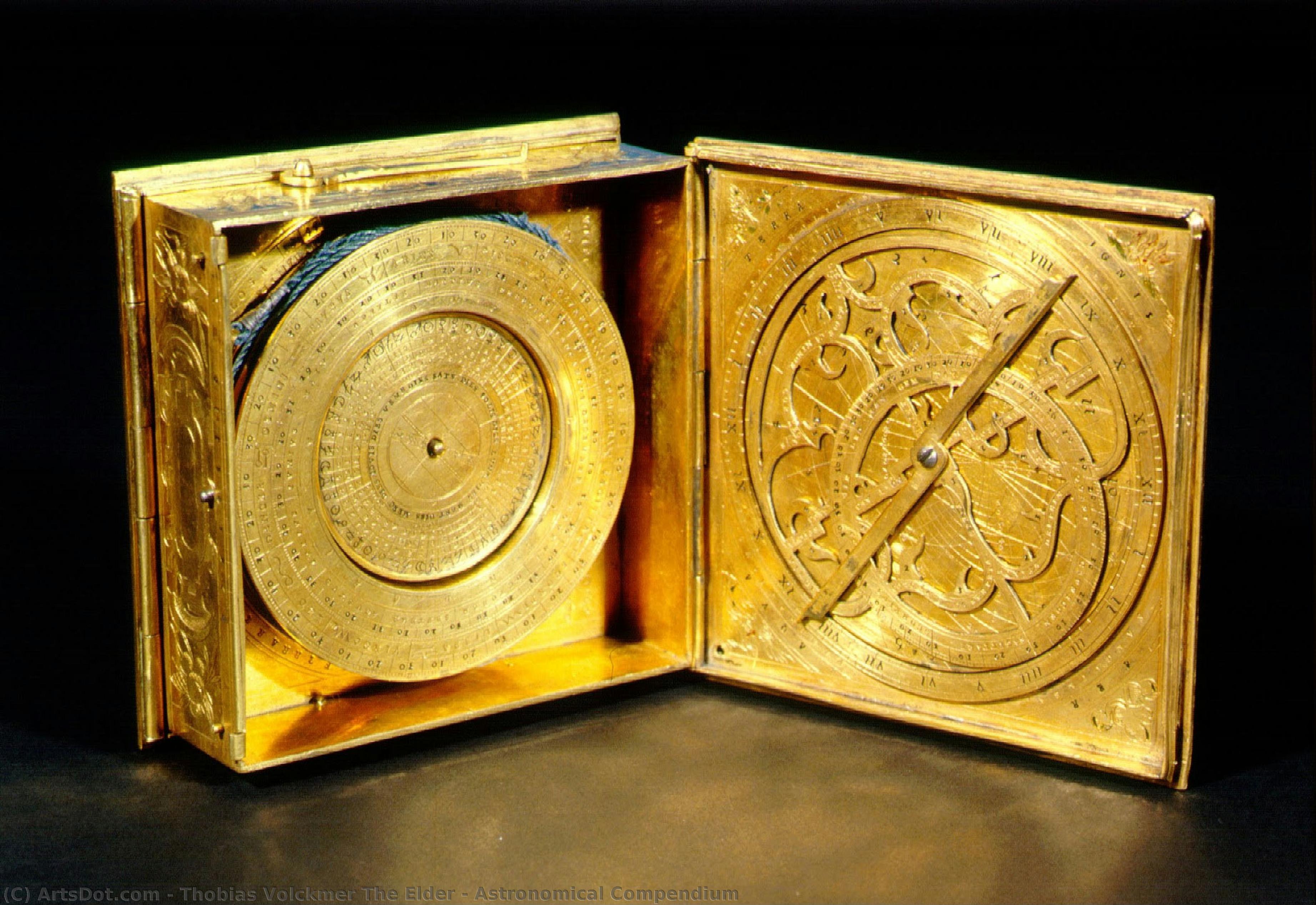
Astronomical Compendium


 Читать далее
Приобретите цифровое изображение высокого разрешения в улучшенном качестве, которое значительно превосходит онлайн-превью.
Каждый файл тщательно подготавливается нашими специалистами с использованием передовых инструментов и экспертной ручной ретуши. Мы гарантируем исключительную четкость, точную цветопередачу и детальную проработку каждого изображения.
Финальный файл доставляется по электронной почте в течение 72 часов и оптимизирован для немедленного использования в профессиональной среде, при верстке и печати. Это тот же уровень качества, которому доверяют ведущие дизайнерские студии, издательства и галереи.
Цифровое изображение
Скачайте файл высокого разрешения для личного использования, печати и творческих проектов. ( Перейти к печати Купить картину ручной работы)
Включено в каждый заказ цифровых изображений
Гарантия экспертной цифровой доставки
Выбирая ArtsDot.com, вы получаете не просто изображение — вы приобретаете профессионально обработанное цифровое произведение искусства, созданное с безупречной точностью и под защитой гарантии качества. Вот всё, что автоматически входит в ваш заказ:

Мгновенная доставка по e-mail
Ваш цифровой файл в высоком разрешении будет отправлен вам по электронной почте в течение 72 часов после оформления заказа — и сразу станет доступен для использования.

Цифровой файл с ИИ-улучшением
Ваше произведение искусства проходит профессиональную оптимизацию с использованием передовых инструментов ИИ и ручной обработки, что гарантирует максимальную детализацию, четкость и точность цветопередачи.

Бессрочная бесплатная повторная доставка
Случайно удалили или потеряли файл? Не беспокойтесь — мы отправим его вам повторно в любое время и совершенно бесплатно.

Без импортных пошлин — навсегда
Наслаждайтесь вашим произведением искусства мгновенно без таможенных пошлин, сборов или затрат на доставку — цифровые загрузки всегда не облагаются налогом.

Гарантия точности цветопередачи
Мы гарантируем, что ваше цифровое изображение максимально точно передает оригинальные цвета благодаря использованию профессиональных инструментов и систем управления цветом.

Гарантия удовлетворенности 100 дней
Если вы не будете удовлетворены своим цифровым изображением, мы внесем правки или вернем 100% стоимости в течение 100 дней — без лишних вопросов.

100% Гарантия возврата средств
Не удовлетворены покупкой? Получите полный возврат средств в течение 100 дней после получения цифрового файла — без лишних вопросов.

Скидки на оптовые заказы
Купите 3 изображения, сэкономьте 10% — Купите 5, сэкономьте 15% — Купите 10+, сэкономьте 20%. Отличное решение для творческих проектов, галерей и агентств.
A Celestial Treasury in Gold and Shadow
In the quiet halls of the Naval Museum in Madrid, there exists a window into the sixteenth century that transcends mere craftsmanship, offering instead a profound meditation on man's relationship with the cosmos. Thobias Volckmer the Elder, a master whose name resonates with the precision of a mathematician and the soul of an artist, captured in 1596 a breathtaking Astronomical Compendium. This work is not merely a depiction of objects; it is a visual symphony of discovery. The painting presents two magnificent gold-colored boxes, their surfaces etched with such intricate detail that one can almost feel the weight of the precious metal and the delicate texture of the engravings. Through a masterful use of light and shadow, Volcklar invites us to peer into an era where science and art were inextricably linked, bound together by the shared pursuit of understanding the heavens.
The composition is anchored by a captivating duality. To the left, a clock rests within its gilded housing, its presence serving as a rhythmic heartbeat for the piece—a reminder of the relentless passage of time that governs both human life and planetary motion. Opposite this temporal anchor, occupying much of the right side of the frame, sits a celestial globe. This sphere, rendered with an almost tactile realism, represents the vastness of the known universe brought down to a scale that can be held in one's hands. The interplay between the clock and the globe creates a powerful symbolic dialogue: the measurement of time against the mapping of space, the finite human experience set against the infinite expanse of the stars.
The Artistry of Precision and Prestige
Technically, the painting is a triumph of late Renaissance precision. Volckmer utilizes a rich, luminous palette that emphasizes the brilliance of the gold, making the instruments appear to glow from within. The artist’s ability to render reflections and the subtle gradations of light on metallic surfaces demonstrates a sophisticated command of texture. For the discerning collector or interior designer, this piece offers more than just aesthetic beauty; it provides a focal point of intellectual depth. The meticulous detail found in the engravings suggests a level of devotion to accuracy that was essential for the navigators and astronomers of the age.
Beyond its historical significance, the Astronomical Compendium possesses an emotional resonance that is both grounding and aspirational. It evokes a sense of wonder, transporting the viewer to an age of exploration when every new measurement of the stars was a leap into the unknown. As a reproduction, this artwork serves as a sophisticated addition to any curated space, whether it be a private library, a study, or a grand salon. It brings with it an atmosphere of scholarly elegance and timeless curiosity, making it an ideal choice for those who wish to surround themselves with pieces that celebrate the enduring human spirit of inquiry and the breathtaking beauty of our universe.
Похожие произведения
Биография художника
Annibale Carracci: Architect of Baroque Vision
Annibale Carracci, born in Bologna in 1560 and tragically passing away in Rome in 1609, stands as a pivotal figure in the transition from Renaissance to Baroque art. More than simply a painter, he was an architect of visual experience, a master who meticulously blended classical ideals with dynamic energy and a profound understanding of color and light. His career, though relatively short, profoundly shaped the artistic landscape of Rome and left an indelible mark on generations of artists. Carracci’s legacy isn't defined by individual masterpieces alone, but rather by his role as a teacher and mentor, fostering a revolutionary approach to painting that prioritized drama, movement, and a return to monumental scale—elements that would become hallmarks of the Baroque style.Early Life and The Accademia degli Incamminati
Annibale’s artistic journey began within the family workshop in Bologna, an environment steeped in tradition yet ripe with intellectual curiosity. He was apprenticed to his father, Prospero Carracci, a respected painter known for his frescoes in churches and palaces. However, Annibale's ambition extended beyond simply replicating established styles; he sought to understand the very principles underlying artistic creation. In 1582, alongside his brothers Agostino and Ludovico, and cousin Francesco, he founded the *Accademia degli Incamminati* – “The Progressives” – a groundbreaking art school in Rome. This institution wasn’t merely a place for instruction; it was a deliberate attempt to break from the prevailing Mannerist style, which favored elegance and artificiality. The Carracci brothers envisioned an academy that would return to the classical ideals of harmony, proportion, and naturalism, drawing inspiration from both the North European Renaissance masters like Dürer and Raphael, and the vibrant color palettes and atmospheric effects of Venetian painters such as Titian. The *Incamminati*’s curriculum emphasized life drawing – a radical departure from the studio practice of copying models from memory – ensuring that students developed a deep understanding of human anatomy and form. This commitment to direct observation would become a defining characteristic of their work.Influences and Artistic Style
Carracci's artistic style was remarkably eclectic, reflecting his broad exposure to diverse artistic traditions. He absorbed the linear clarity of Florentine masters like Raphael, skillfully employing perspective and anatomical accuracy. Simultaneously, he embraced the Venetian influence—the rich, luminous colors, atmospheric effects, and dramatic lighting that characterized Venetian painting. This synthesis resulted in a unique visual language marked by both classical restraint and Baroque dynamism. His compositions often featured grand narratives, populated with idealized figures engaged in heroic or mythological scenes. Carracci was particularly adept at creating illusionistic spaces – vast architectural settings that seemed to extend beyond the confines of the canvas—a technique he honed during his work on the frescoes for Palazzo Farnese. He meticulously studied classical sculpture and architecture, striving to recreate the monumental grandeur of ancient Rome in his paintings. His use of color was equally sophisticated, employing a carefully balanced palette of warm and cool tones to create depth and atmosphere.Major Works and Legacy
Annibale Carracci’s most significant contributions are undoubtedly found within the frescoes decorating the Salone degli Uffici in Palazzo Farnese in Rome. These monumental works, completed between 1597 and 1608, represent the culmination of his artistic vision. The *Trionfo di Bacco* (Triumph of Bacchus), *Apollo e Dafne* (Apollo and Daphne), and *Venere e Adone* (Venus and Adonis) are considered masterpieces of Baroque art, showcasing Carracci’s mastery of composition, color, and illusionistic space. Beyond the Farnese frescoes, he also contributed to the decoration of the Cappella Cerasi in Santa Maria del Popolo, alongside his brother Agostino. His influence extended far beyond Rome; he trained numerous students who went on to become leading artists throughout Italy and Europe. Figures like Giovanni Scalzi and Carlo Maderno benefited immensely from Carracci’s teachings, carrying forward his innovative approach to painting.Historical Significance
Annibale Carracci's importance lies not just in the beauty of his art but also in his role as a catalyst for change within the artistic world. He helped usher in a new era of realism and dynamism, challenging the established conventions of Mannerism and paving the way for the Baroque style. His emphasis on life drawing, classical ideals, and dramatic composition profoundly influenced subsequent generations of artists. While his career was tragically cut short by illness, his legacy endures as one of the most important figures in the development of Western art, a true architect of visual experience who forever altered the course of painting history.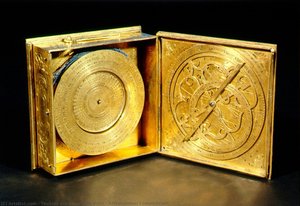
thobias volckmer the elder
1560 - 1625 , Germany
Основные сведения
- Artistic Movement Or Style: Baroque
- Artists Or Movements Influenced By This Artist:
- Agostino Carracci
- Ludovico Carracci
- Baroque art
- Artists Who Influenced This Artist:
- Raphael
- Andrea del Sarto
- Titian
- Date Of Birth: November 3, 1560
- Date Of Death: July 15, 1609
- Full Name: Annibale Carracci
- Nationality: Italian
- Notable Artworks:
- The Triumph of Bacchus
- The Rape of Proserpina
- Apollo and Daphne
- Place Of Birth: Bologna, Italy