

 Предпросмотр
 Поделиться
 Поделиться
 Детали произведения

 Скачать
 Похожие работы
 Рентгенография
 Слайд-шоу
 Статистика
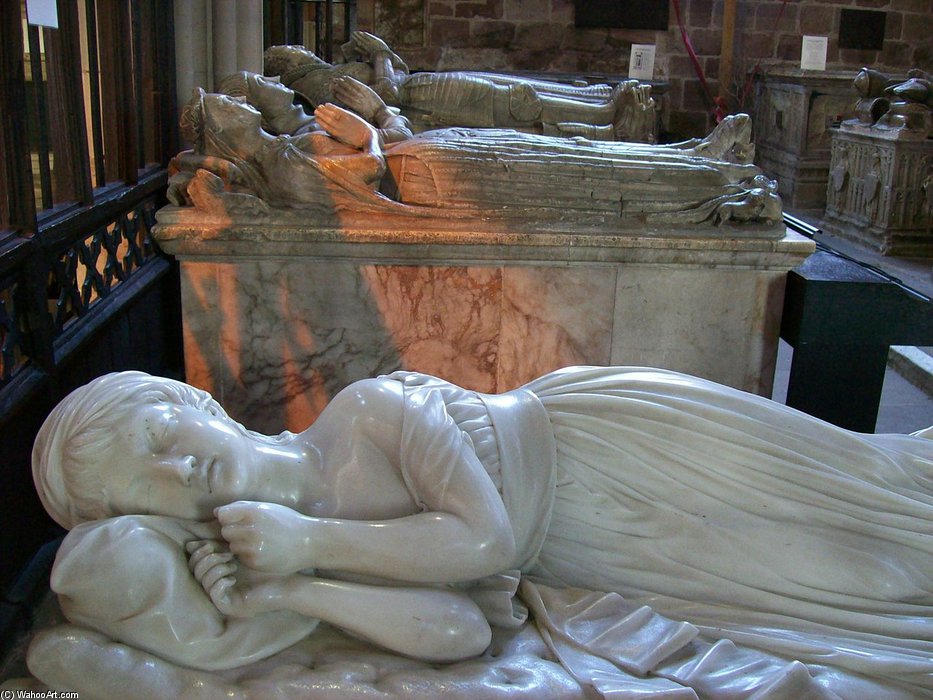
Effigy Of Penelope Booth
 Читать далее
Приобретите цифровое изображение высокого разрешения в улучшенном качестве, которое значительно превосходит онлайн-превью.
Каждый файл тщательно подготавливается нашими специалистами с использованием передовых инструментов и экспертной ручной ретуши. Мы гарантируем исключительную четкость, точную цветопередачу и детальную проработку каждого изображения.
Финальный файл доставляется по электронной почте в течение 72 часов и оптимизирован для немедленного использования в профессиональной среде, при верстке и печати. Это тот же уровень качества, которому доверяют ведущие дизайнерские студии, издательства и галереи.
Цифровое изображение
Скачайте файл высокого разрешения для личного использования, печати и творческих проектов. ( Перейти к печати Купить картину ручной работы)
Включено в каждый заказ цифровых изображений
Гарантия экспертной цифровой доставки
Выбирая ArtsDot.com, вы получаете не просто изображение — вы приобретаете профессионально обработанное цифровое произведение искусства, созданное с безупречной точностью и под защитой гарантии качества. Вот всё, что автоматически входит в ваш заказ:

Мгновенная доставка по e-mail
Ваш цифровой файл в высоком разрешении будет отправлен вам по электронной почте в течение 72 часов после оформления заказа — и сразу станет доступен для использования.

Цифровой файл с ИИ-улучшением
Ваше произведение искусства проходит профессиональную оптимизацию с использованием передовых инструментов ИИ и ручной обработки, что гарантирует максимальную детализацию, четкость и точность цветопередачи.

Бессрочная бесплатная повторная доставка
Случайно удалили или потеряли файл? Не беспокойтесь — мы отправим его вам повторно в любое время и совершенно бесплатно.

Без импортных пошлин — навсегда
Наслаждайтесь вашим произведением искусства мгновенно без таможенных пошлин, сборов или затрат на доставку — цифровые загрузки всегда не облагаются налогом.

Гарантия точности цветопередачи
Мы гарантируем, что ваше цифровое изображение максимально точно передает оригинальные цвета благодаря использованию профессиональных инструментов и систем управления цветом.

Гарантия удовлетворенности 100 дней
Если вы не будете удовлетворены своим цифровым изображением, мы внесем правки или вернем 100% стоимости в течение 100 дней — без лишних вопросов.

100% Гарантия возврата средств
Не удовлетворены покупкой? Получите полный возврат средств в течение 100 дней после получения цифрового файла — без лишних вопросов.

Скидки на оптовые заказы
Купите 3 изображения, сэкономьте 10% — Купите 5, сэкономьте 15% — Купите 10+, сэкономьте 20%. Отличное решение для творческих проектов, галерей и агентств.
Похожие произведения







Биография художника
A Sculptor of Classical Grandeur: The Life and Legacy of Thomas Banks
In the pantheon of eighteenth-century English art, few names evoke the dignified strength of Neoclassicism quite like Thomas Banks. Born in London in 1737, Banks was a man whose artistic soul was deeply rooted in the precision of his lineage and the grandeur of antiquity. The son of William Banks, a surveyor for the Duke of Beaufort, he inherited an early appreciation for architectural rigor and meticulous detail. His formative years were shaped by a dual education: the disciplined drawing lessons provided by his father and a rigorous apprenticeship under the woodcarver William Barlow. Yet, it was in the quiet evenings spent within the studio of the Flemish master Peter Scheemakers that Banks truly found his calling. Under this mentorship, the young artist moved beyond the tactile limits of wood to embrace the sweeping, heroic narratives of marble and stone, developing a stylistic language that would eventually command the attention of emperors and academies alike.
The trajectory of Banks’s career was marked by a profound engagement with the classical world. In 1772, upon receiving a prestigious Travelling Studentship from the Royal Academy, he journeyed to Rome, an experience that served as the crucible for his mature style. Immersed in the remnants of Roman greatness, Banks absorbed the weight and grace of ancient monuments, learning to translate the silent language of stone into emotive, monumental forms. This period of intense study allowed him to bridge the gap between mere imitation and true artistic expression, infusing his work with a sense of movement and psychological depth that resonated with the burgeoning Neoclassical movement.
From Saint Petersburg to the Royal Academy
The late eighteenth century brought both challenges and triumphs to Banks’s journey. Following his return from Italy in 1779, he encountered a shifting cultural landscape in England where the fervent passion for classical poetry seemed to be waning. Seeking new horizons, he traveled to Saint Petersburg, where he served as a sculptor to the formidable Empress Catherine the Great. It was during this Russian sojourn that he produced one of his most charming works, Cupid Tormenting a Butterfly, a piece that masterfully balanced classical mythological themes with a delicate, almost Romantic sensibility. This period of imperial patronage not only solidified his international reputation but also refined his ability to capture the ephemeral beauty of nature within the permanence of sculpture.
Upon his return to England, Banks’s work took on a more muscular and dramatic tone, characterized by an unflinching exploration of human emotion and heroic struggle. His election as an Associate of the Royal Academy in 1784, followed by full membership the next year, signaled his ascent to the pinnacle of the British art establishment. He became a master of the monumental, capable of rendering the most harrowing scenes of myth with a technical virtuosity that left viewers breathless. His ability to utilize dramatic foreshortening and intricate musculature allowed him to breathe life into cold marble, making the descent of a titan or the grief of a hero feel palpably real.
A Lasting Impression on British Sculpture
The historical significance of Thomas Banks lies in his ability to synthesize the intellectual rigor of Neoclassicism with a uniquely English sense of narrative drama. His oeuvre is scattered across some of the most sacred spaces of British heritage, from the solemn halls of Westminster Abbey to the hallowed reaches of St Paul’s Cathedral. His contributions include:
- The Shakespeare Group: Perhaps his most celebrated achievement, the colossal Shakespeare Attended by Painting and Poetry stands as a breathtaking tribute to English literary genius, blending sculptural form with the spirit of the arts.
- Commemorative Monuments: His works in Westminster Abbey, honoring figures such as Sir Eyre Coote and William Woollett, demonstrate his mastery of the funerary monument, turning grief into enduring classical beauty.
- Mythological Narratives: Works like The Falling Titan; A Falling Giant showcase his ability to capture the precise moment of catastrophic failure, utilizing technical prowess to evoke empathy for the divine struggle.
Though he passed away in London in 1805, the echoes of Banks’s chisel remain. He did not merely carve stone; he sculpted the very essence of an era, capturing the tension between the stability of classical ideals and the turbulent emotions of a changing world. Through his hands, the legends of antiquity were reborn in the heart of England, leaving behind a legacy of strength, grace, and eternal motion.
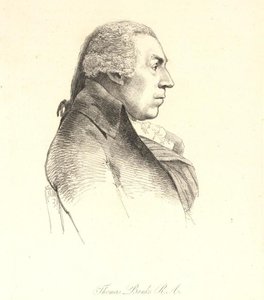
thomas banks
1737 - 1823 , United Kingdom
Основные сведения
- Artistic Movement Or Style: Neoclassical
- Artists Or Movements Influenced By This Artist: ['Classical Mythology']
- Artists Who Influenced This Artist:
- Peter Scheemakers
- William Kent
- Date Of Birth: London, United Kingdom (1737)
- Date Of Death: February 2, 1805
- Full Name: Thomas Banks RA
- Nationality: English
- Notable Artworks:
- Shakespeare Attended by Painting and Poetry
- Monument to Sir Eyre Coote
- Monument to General Loton
- Monument to Sir Clifton Wintringham
- Monument to William Woollett
- Portrait of Warren Hastings
- Place Of Birth: London