

 Предпросмотр
 Поделиться
 Поделиться
 Детали произведения

 Скачать
 Похожие работы
 Рентгенография
 Слайд-шоу
 Статистика
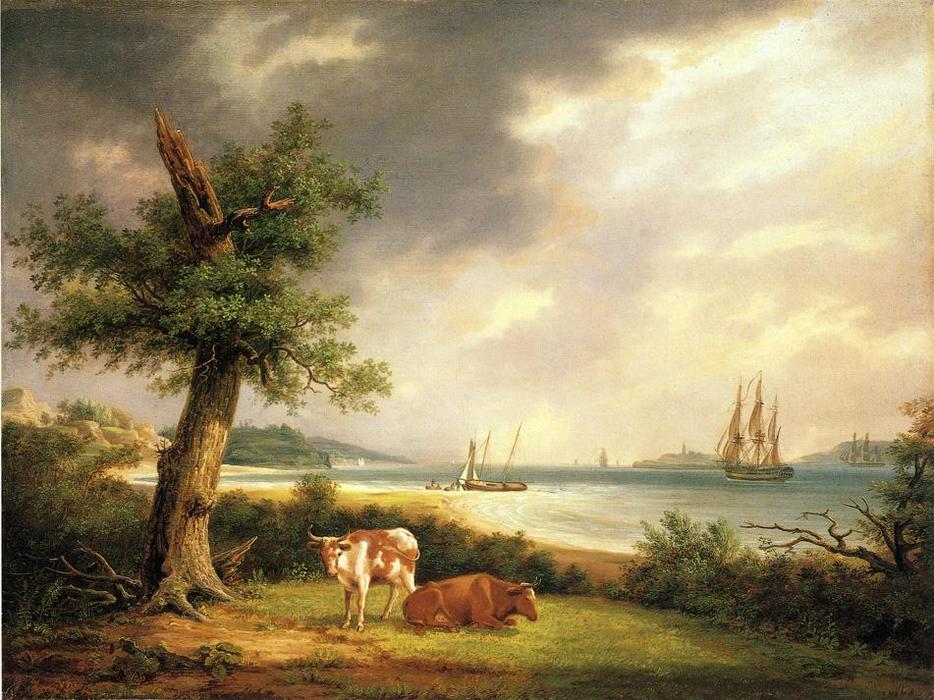
The Narrows, New York Bay


 Читать далее
Жикле / Арт-принт
Печать (жикле) или холст музейного качества с быстрыми сроками изготовления и широким выбором вариантов отделки. ( Купить картину ручной работы Перейти к цифровым изображениям)




P118B $10

P118H $10

P118W $10

P438Z $10

P508JH $12

P508YH $12

P805H $10

P805Z $10

P919BZ $10

P919G $10

P919XJ $10

P959ZH $10

P968JZ $12

W106C $8

W218G $10

W218JH $8

W218Y $10

W307PJ $10

W316G $10

W316PJ $8

W316Y $10

W398PJ $8

W4111J $10

W500HY $15

W500JH $15

W692G $12

W849H $8

W940BG $15

W953PJ $8




Выберите один из наших стандартных размеров, соответствующих оригинальным пропорциям произведения искусства.

Вы можете указать свои собственные размеры, чтобы репродукция идеально подошла под конкретную раму или пространство. Если выбранный вами размер не будет соответствовать пропорциям оригинала, мы либо обрежем произведение, либо дополним изображение зеркальным отражением краев или однотонной заливкой. Перед началом производства вам будет отправлен цифровой макет для утверждения.
Пожалуйста, обратите внимание, что предварительный просмотр на экране не отображает фактическую обрезку или расширение изображения. Только макет точно покажет финальную композицию.
Несмотря на возможность заказа индивидуальных размеров, мы рекомендуем выбирать размер из предопределенного списка, чтобы сохранить оригинальные пропорции.
Доставка по всему миру () за 2 недели вместо стандартных 4/5 недель. (11 Сентябрь)

Бесплатная экспресс-доставка по всему миру

Высококачественный льняной холст

Полное страхование доставки

Гарантия возмещения таможенных пошлин

Гарантия точного соответствия цветов

100-дневная политика возврата (только при обнаружении дефектов)

Гарантия возврата 100% средств

Предложение оптовых скидок
 Вариант со стеклом доступен только для размеров менее 110 см

The Narrows, New York Bay
Жикле / Арт-принт
Размер репродукции
-


Итоговая стоимость
$ 62
A Pastoral Vision: Thomas Birch’s “The Narrows”
Thomas Birch's "The Narrows," painted in 1812, isn’t merely a landscape; it’s a carefully constructed tableau of early American life interwoven with the romantic ideals of the Hudson River School. This captivating scene depicts a serene stretch of the Narrows, the channel connecting New York Bay to Staten Island, capturing a moment of quiet industry and rural beauty. The painting immediately draws the eye to the foreground – a modest cow grazing peacefully amidst lush grasses bordering the water’s edge. This humble subject, rendered with surprising detail, speaks volumes about the importance of agriculture in the burgeoning nation, suggesting a connection between the land and its people.
Birch's style leans heavily toward the Hudson River School aesthetic – characterized by luminous light, atmospheric perspective, and an emphasis on capturing the grandeur of the American landscape. The composition is deliberately balanced, with the expansive waters of the bay dominating the background and receding towards a hazy horizon. The artist masterfully employs a technique of soft brushstrokes and subtle color variations to create a sense of depth and atmosphere, mimicking the effects of light and shadow as seen through a misty morning. Notice how Birch uses cool blues and greens in the distance to convey the vastness of the bay, contrasting with the warmer tones of the foreground – a deliberate choice that anchors the viewer’s eye.
A Window into Early 19th-Century America
Understanding “The Narrows” requires placing it within its historical context. Painted in the aftermath of the War of 1812, a conflict that profoundly shaped American identity, the scene reflects a desire to celebrate and solidify a distinctly ‘American’ vision. The Hudson River School artists sought to establish an independent artistic tradition rooted in the observation of the natural world – a counterpoint to the European academic style prevalent at the time. Birch's work exemplifies this shift, prioritizing the depiction of American landscapes over grand historical or mythological subjects.
The inclusion of boats scattered across the bay hints at the growing importance of maritime trade and commerce in early America. Staten Island, strategically located near New York City, was a vital hub for shipping and industry. Birch’s choice to depict laborers unloading a smaller boat adds another layer of narrative – suggesting the everyday activities that underpinned this burgeoning economy. The painting isn't simply a pretty vista; it’s a subtle commentary on the nation’s economic development.
Symbolism and Narrative Detail
Beyond the broad landscape, “The Narrows” is rich in symbolic detail. The cow itself represents prosperity and abundance – a cornerstone of rural life. The birds soaring overhead add to the sense of tranquility and freedom. Even the placement of the boats contributes to the overall narrative: they are not imposing warships or grand merchant vessels, but rather smaller craft engaged in routine tasks, reinforcing the painting’s focus on the ordinary rhythms of daily life.
Notably, Birch includes a small figure near the boat unloading cargo – a detail often overlooked. This individual, likely a laborer, represents the working class and their contribution to the nation's growth. The artist subtly elevates this everyday subject, imbuing it with dignity and significance within the broader landscape.
A Legacy of American Landscape Painting
Thomas Birch’s “The Narrows” stands as a significant work in the history of American art. It exemplifies the Hudson River School's commitment to capturing the beauty and spirit of the American wilderness, while simultaneously offering a glimpse into the social and economic realities of early 19th-century America. Reproductions of this painting offer a captivating window into a bygone era – a testament to the enduring power of landscape art to evoke emotion, inspire contemplation, and connect us to our shared heritage.
Further Research: For more information on Thomas Birch and his work, explore resources such as the New York Historical Society (https://www.nyhs.org/) and the Art Commission of The City of New York (https://www.nycgovparks.org/art-commission). You can also delve deeper into Birch’s life and artistic legacy through online databases like Wikipedia (https://en.wikipedia.org/wiki/Thomas_Birch_(painter)).
Похожие произведения

Биография художника
A Transatlantic Vision: The Life and Art of Thomas Birch
Thomas Birch, born in Warwickshire, England, in 1779, embarked on a remarkable journey that ultimately cemented his place as one of the most significant figures in American marine painting. His story is not merely one of artistic progression; it’s a tale interwoven with transatlantic influences, evolving national identity, and a profound fascination with the power and beauty of the sea. In 1794, at the tender age of fifteen, Birch immigrated to Philadelphia alongside his family, joining a vibrant wave of artisans and entrepreneurs seeking opportunity within the burgeoning United States. His father, William Russell Birch – an accomplished engraver and miniaturist – laid the foundation for Thomas’s artistic development, fostering a deep appreciation for meticulous detail and skillful craftsmanship. Their collaborative venture, “Birch’s Views of Philadelphia” (1800), quickly established them as respected artists within the city's cultural landscape, capturing the dynamic essence of a rapidly transforming urban center – an endeavor that instilled in Thomas Birch a keen eye for composition and a deep understanding of visual storytelling.From Portraits to the Majesty of the Sea
Initially, Birch followed in his father’s footsteps, dedicating himself to the art of portraiture. However, by 1807, a transformative shift occurred within his artistic trajectory. Drawn to the dramatic spectacle and inherent dynamism of maritime life, he decisively turned his attention towards marine painting – a genre that would become the defining characteristic of his career. This transition wasn’t driven by mere whim; it reflected both a deeply personal fascination with the ocean's vastness and a growing national awareness of America’s burgeoning naval power, particularly as tensions escalated in the lead-up to the War of 1812. Birch’s early marine works reveal an evolving style, profoundly influenced by the traditions of the Dutch masters – Jacob van Ruisdael and Jan van Goyen foremost among them. He meticulously studied their techniques, absorbing their mastery of atmospheric perspective, their ability to capture the subtle interplay of light on water, and their overall sense of realism. Yet, Birch wasn’t simply a diligent imitator; he skillfully synthesized these European influences with an emerging American sensibility, imbuing his paintings with a distinctly patriotic fervor that resonated deeply with audiences eager for artistic expressions of national pride.Naval Battles and the Birth of National Identity
Birch's name became inextricably linked with depictions of naval engagements during the War of 1812. His paintings weren’t merely historical records; they were powerful visual narratives, celebrating American courage, resilience, and ultimately, triumph. The painting USS United States and HMS Macedonian, arguably his most iconic work, immortalized a pivotal clash between American and British frigates – a moment of national significance rendered with breathtaking detail and dramatic intensity. This masterpiece captured not just the physical action of battle but also the spirit of defiance that fueled the American cause. Similarly, Engagement Between the U.S. Frigate Constitution and the British Frigate Guerriere further solidified Birch’s reputation as a master of marine painting, showcasing his technical skill and artistic vision. Beyond these celebrated battles, Birch excelled at portraying tranquil harbor scenes – serene glimpses into the everyday life of coastal communities – and meticulously detailed ship portraits, demonstrating his remarkable versatility and unwavering commitment to accuracy. He was, in essence, the first American artist to truly specialize in ship portraiture, establishing a benchmark for future generations of marine painters.Influences and Artistic Techniques
Birch’s artistic development was profoundly shaped by several key influences. As a young man, he immersed himself in the collections of his father, particularly those containing Dutch paintings – a testament to the enduring impact of masters like Jacob van Ruisdael and Jan van Goyen. He meticulously studied their techniques, absorbing their mastery of atmospheric perspective, their ability to capture the subtle interplay of light on water, and their overall sense of realism. However, Birch wasn’t merely an imitator; he skillfully synthesized these European influences with an emerging American sensibility, imbuing his paintings with a distinctly patriotic fervor that resonated deeply with audiences eager for artistic expressions of national pride. Furthermore, Birch's early work in portraiture honed his observational skills and understanding of human anatomy – qualities that proved invaluable when depicting the figures involved in naval battles. His meticulous attention to detail, combined with his ability to convey movement and emotion, set him apart from his contemporaries and established him as a leading figure in American art.Legacy and Enduring Significance
Thomas Birch’s contributions to American art are undeniable. He didn't simply paint ships; he captured a pivotal moment in history – the rise of a nation asserting its independence on the world stage. His paintings served as both historical records and powerful symbols of national identity, reflecting the spirit of innovation and determination that defined early America. Birch’s influence extended far beyond his immediate contemporaries, laying the groundwork for subsequent generations of marine artists. Today, his works are cherished within prestigious museum collections across the United States – including the Pennsylvania Academy of the Fine Arts, the Smithsonian American Art Museum, and the Museum of Fine Arts, Boston – ensuring that his legacy will continue to inspire and captivate audiences for years to come. Elected an honorary member of the National Academy of Design in 1833, Birch’s life and art stand as a testament to the transformative power of artistic vision and its ability to shape our understanding of history and national identity.
Томас Берч
1779 - 1851 , Великобритания
Основные сведения
- Artistic Movement Or Style: Морское живопись, Портрет
- Artists Or Movements Influenced By This Artist: ['Худерсон Рвер Скул']
- Artists Who Influenced This Artist:
- Ян ван Гойен
- Якоб ван Руисле
- Date Of Birth: 1779
- Date Of Death: 1851
- Full Name: Thomas Birch
- Nationality: Британско-американский
- Notable Artworks:
- USS United States
- HMS Macedonian
- Place Of Birth: Лондон, Великобритания
Похожие статьи

Романтический пейзаж: 10 шедевров, изменивших искусство | ArtsDot.com
Погрузитесь в мир романтического пейзажа! 10 шедевров Фридриха, Тёрнера и других гениев. Узнайте историю создания культовых картин и вдохновитесь для декора интерьера. Репродукции высокого качества на ArtsDot.com.

Джон Констебль: 25 шедевров английского пейзажа для вашего интерьера
Погрузитесь в мир английского пейзажа с Джоном Констеблом! 25 шедевров романтизма, история создания картин и вдохновение для вашего интерьера. Репродукции высокого качества на ArtsDot.com – искусство для ценителей.

Evocations of Place: A Historical Journey Through Landscape Art
Explore the rich history of landscape art with ArtsDot. Discover renowned artists, movements like Impressionism & tonalism, and expert guidance for collecting timeless pieces. Find your perfect serene escape today!

Evocations of Place: A Historical Journey Through Landscape Art
Explore the rich history of landscape art with ArtsDot. Discover renowned artists, movements like Impressionism & Romanticism, and expert guidance for collecting timeless pieces. Find your perfect serene escape today!

Grahame Sydney: Evoking Otago's Soul Through Light & Landscape
Explore the captivating landscapes of Sir Grahame Sydney, a leading New Zealand artist renowned for his magic realism & evocative depictions of Otago's beauty. Discover key works and delve into his artistic legacy.