

 Предпросмотр
 Поделиться
 Поделиться
 Детали произведения

 Скачать
 Похожие работы
 Рентгенография
 Слайд-шоу
 Статистика
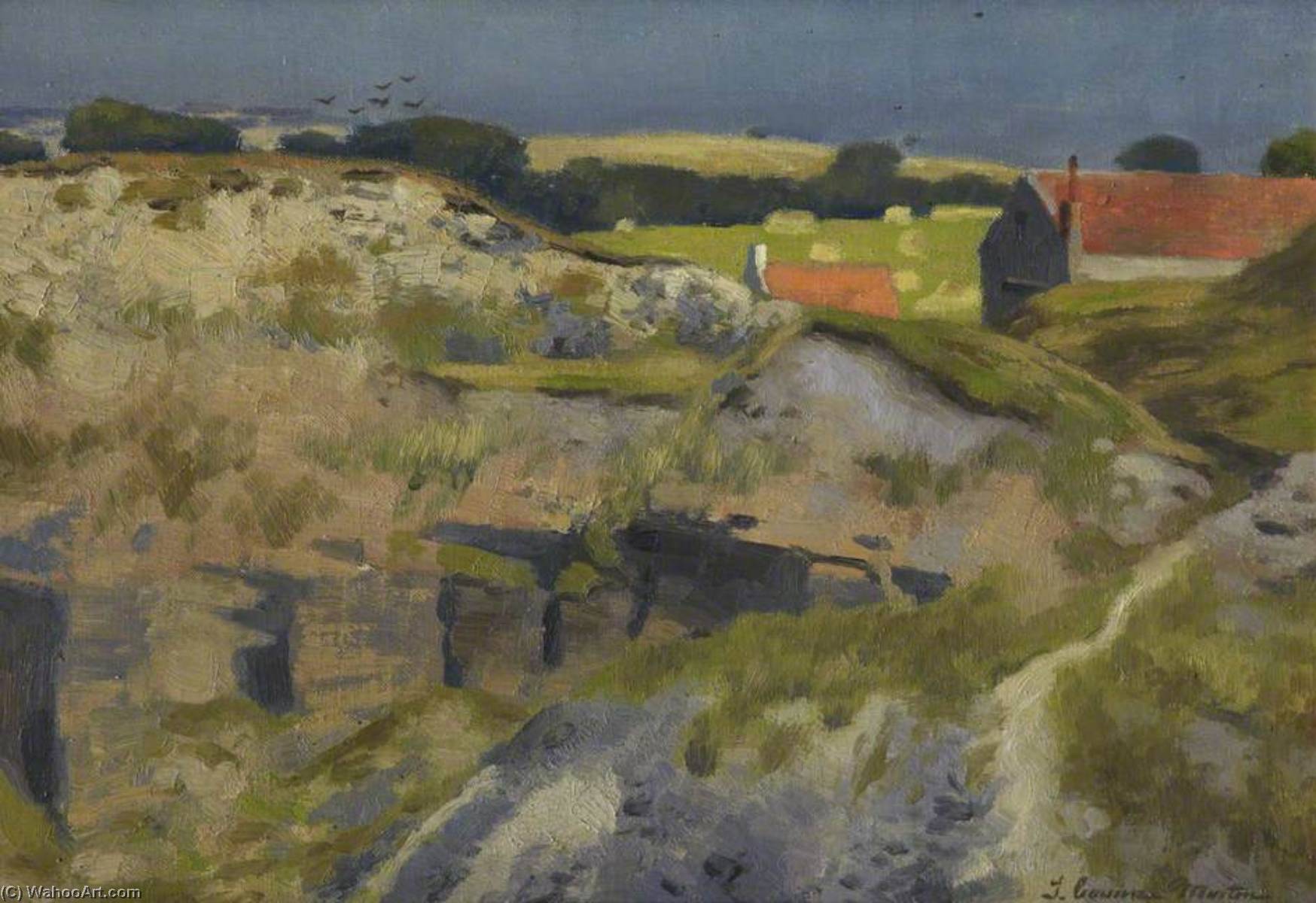
Tanning Shed
 1894
1894 36.0 x 51.0 cm
 Читать далее
Масляная репродукция ручной работы
Картина маслом на холсте в выбранном вами размере и раме, написанная на заказ нашими художниками. ( Перейти к печати Перейти к цифровым изображениям)




































Выберите один из наших стандартных размеров, соответствующих оригинальным пропорциям произведения искусства.

Вы можете указать собственные размеры, чтобы картина идеально вписалась в выбранную раму или пространство. Если выбранный вами размер не соответствует пропорциям оригинала, мы либо обрежем полотно, либо расширим его за счет дополнительных элементов, написанных вручную. Цифровой макет будет отправлен вам на утверждение перед началом производства.
Обратите внимание, что предварительный просмотр на экране не отражает фактическую обрезку или расширение. Только макет точно покажет окончательную композицию.
Хотя доступны индивидуальные размеры, мы рекомендуем выбирать вариант из предопределенного списка, чтобы сохранить исходные пропорции.
После оформления заказа команда ArtsDot.com свяжется с клиентом по электронной почте для уточнения деталей и предоставит предварительный макет
Доставка по всему миру () за 3–4 недели вместо стандартных 5 недель. (11 Сентябрь). Без компромиссов в качестве.

Бесплатная экспресс-доставка по всему миру

Высококачественный льняной холст

Полное страхование доставки

Гарантия возмещения таможенных пошлин

Гарантия точного соответствия цветов

100-дневная политика возврата (только при обнаружении дефектов)

Гарантия возврата 100% средств

Предложение оптовых скидок
 Вариант со стеклом доступен только для размеров менее 110 см

Tanning Shed
Техника репродукции
Размер репродукции
-


Итоговая стоимость
$ 263
Artistic Style and Technique
Thomas Corsan Morton's artistic style is characterized by his use of warm colors and gentle brushstrokes, which creates a sense of serenity and calmness in his paintings. The Tanning Shed painting is no exception, with its soft hues and delicate depiction of the rural scene. The artist's technique is reminiscent of other notable artists, such as John Humphrey Spender, who also created captivating depictions of rural life, like his painting Stone Walls.Similar Paintings and Artists
Other notable paintings that showcase rural life and scenery include Isaak Ilyich Levitan's Huts and Spring has come. These paintings, like Tanning Shed, demonstrate the beauty and tranquility of the countryside. For more information on these paintings and artists, visit /art/list/?Filter=AQSF6U-Thomas-Corsan-Morton-Tanning-Shed and /art/list/?Filter=stone+walls,stone,walls&.- Rural life is a common theme in many paintings, including those by Francesco Saverio Netti and Isaak Ilyich Levitan.
- The use of warm colors and gentle brushstrokes creates a sense of serenity and calmness in these paintings.
- For more information on The Museum Galleria Estense, visit /art/list/?Filter=A@D3BABT-The-Museum-Galleria-Estense-(Italy).
The Tanning Shed painting by Thomas Corsan Morton is a beautiful representation of rural life, and its captivating scenery and artistic style make it a must-see for art enthusiasts. Visit https://ArtsDot.com to learn more about this painting and other notable works of art.
Похожие произведения









Биография художника
The Visionary Light of Thomas Corsan Morton
In the vibrant tapestry of late nineteenth-century British art, few threads are as luminous or as deeply woven into the Scottish identity as those spun by Thomas Corsan Morton. A prominent figure within the celebrated Glasgow Boys, Morton was more than a mere chronicler of scenery; he was a painter of atmospheres, a master who sought to capture the ephemeral dance of light across the rugged landscapes of his homeland. Born in Glasgow in 1859, his journey began not with a brush, but with the structured world of legal studies. Yet, the call of the aesthetic proved irresistible, leading him away from the courtroom and toward the prestigious halls of the Glasgow School of Art and later the Slade School in London. This transition from law to fine art marked the beginning of a career defined by a profound sensitivity to the natural world.
Morton’s artistic evolution was significantly enriched by his time in Paris, where he immersed himself in the revolutionary currents of Impressionism. Under the guidance of masters such as Gustave Boulanger and Jules Joseph Lefebvre, he absorbed the techniques of light, color, and loose brushwork that would become the hallmarks of his mature style. This Parisian influence did not merely replicate French trends on Scottish soil; rather, it provided him with a new vocabulary to express the unique, often melanchative beauty of the Scottish Highlands and coastal retreats. Alongside his contemporaries in the Glasgow Boys, Morton embarked on collaborative expeditions to places like Kirkcudbright and Cockburnspath, where the interplay of mist, water, and earth offered endless inspiration for his increasingly expressive canvases.
A Mastery of Landscape and Light
The essence of Morton’s work lies in its ability to evoke emotion through the careful manipulation of texture and tone. His landscapes are rarely static; they pulse with a quiet vitality. Whether depicting the serene majesty of Durham Cathedral or the rustic simplicity of a Tanning Shed, his hand is evident in the delicate, rhythmic brushstrokes that suggest movement—the flight of birds, the rustle of leaves, or the gentle flow of a river. His palette often leaned toward the warm and the atmospheric, utilizing soft hues to create a sense of profound tranquility and peace.
While landscape painting remained his primary passion, Morton’s versatility allowed him to navigate various genres with equal grace:
- Portraiture: Demonstrating an anatomical precision learned from his time assisting Francis Newbery at the Slade School.
- Still Life: Capturing the intimate beauty of everyday objects, such as the textured elegance found in his depictions of roses and citrus.
- Architectural Renderings: Bringing a sense of historical weight and romantic grandeur to iconic structures through light and shadow.
Legacy and Cultural Contribution
Beyond the canvas, Morton’s influence extended into the very institutions that safeguard Scotland's artistic heritage. His appointment as Keeper of the Scottish National Gallery in 1908 was a crowning achievement, recognizing his deep understanding of art history and his commitment to cultural stewardship. Later in life, his role as Curator of the Art Gallery in Kirkcaldy allowed him to continue nurturing the next generation of art lovers and creators. His life was a testament to the idea that art is not merely an observation of reality, but a way of experiencing the soul of a place.
Today, the works of Thomas Corsan Morton serve as vital windows into a transformative era of British art. He remains a symbol of the Glasgow School's rebellion against rigid academicism, standing as a painter who dared to prioritize feeling over form and light over line. Through his enduring legacy, the misty mornings and sun-drenched afternoons of the Scottish landscape continue to live on, captured forever in the evocative, impressionistic spirit of his brush.
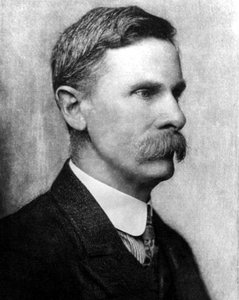
Thomas Corsan Morton
1859 - 1928
Основные сведения
- Artistic Movement Or Style: Impressionism
- Artists Or Movements Influenced By This Artist: ['Glasgow Boys']
- Artists Who Influenced This Artist:
- Gustave Boulanger
- Jules Joseph Lefebvre
- Date Of Birth: 1859
- Date Of Death: 1928
- Full Name: Thomas Corsan Morton
- Nationality: Scottish
- Notable Artworks: ['A Cathedral City, Durham']
- Place Of Birth: Glasgow, Scotland