 Предпросмотр
 Поделиться
 Поделиться
 Детали произведения

 Скачать
 Похожие работы
 Рентгенография
 Слайд-шоу
 Статистика
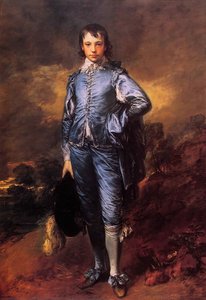
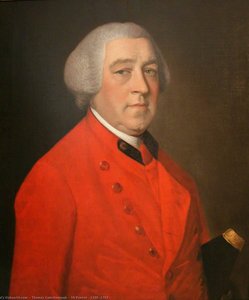
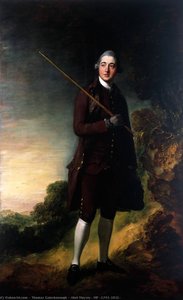
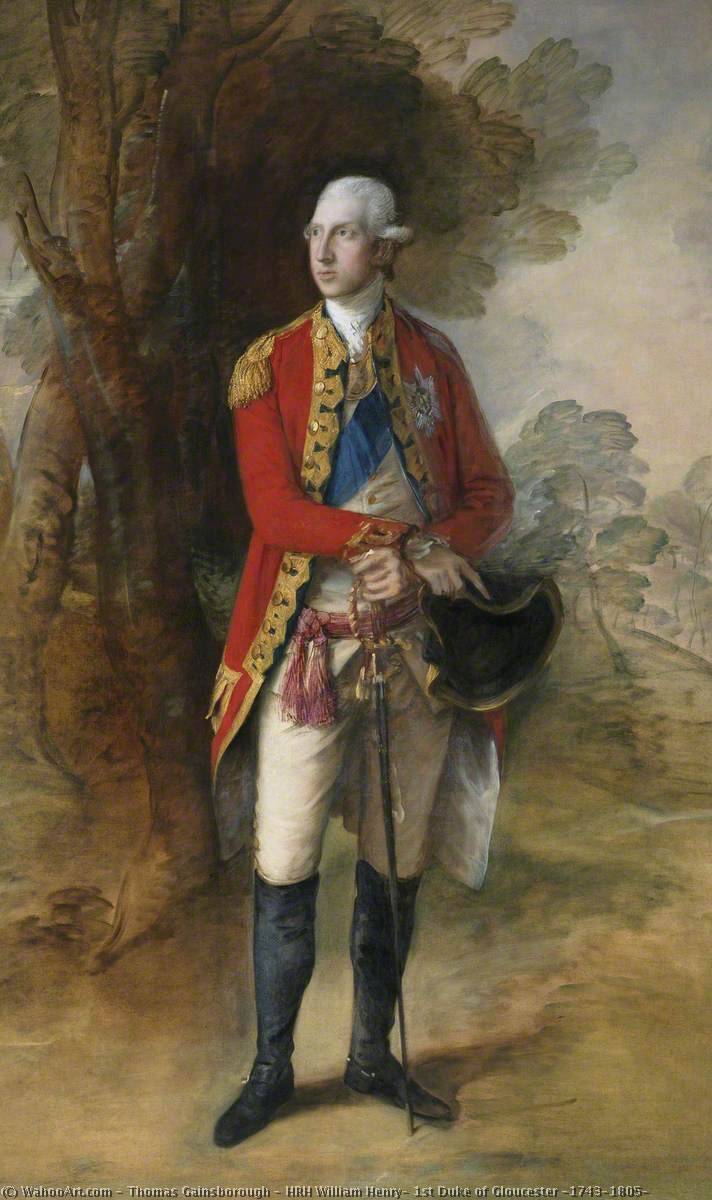
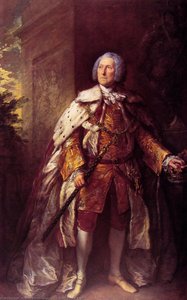
HRH William Henry, 1st Duke of Gloucester (1743–1805)
 Oil On Canvas
- WallArt
- Romanticism
 1775
1775 231.0 x 140.0 cm
 Читать далее
Масляная репродукция ручной работы
Картина маслом на холсте в выбранном вами размере и раме, написанная на заказ нашими художниками. ( Перейти к печати Перейти к цифровым изображениям)




P118B $10

P118H $10

P118W $10

P438Z $10

P508JH $12

P508YH $12

P805H $10

P805Z $10

P919BZ $10

P919G $10

P919XJ $10

P959ZH $10

P968JZ $12

W106C $8

W218G $10

W218JH $8

W218Y $10

W307PJ $10

W316G $10

W316PJ $8

W316Y $10

W398PJ $8

W4111J $10

W500HY $15

W500JH $15

W692G $12

W849H $8

W940BG $15

W953PJ $8




Выберите один из наших стандартных размеров, соответствующих оригинальным пропорциям произведения искусства.

Вы можете указать собственные размеры, чтобы картина идеально вписалась в выбранную раму или пространство. Если выбранный вами размер не соответствует пропорциям оригинала, мы либо обрежем полотно, либо расширим его за счет дополнительных элементов, написанных вручную. Цифровой макет будет отправлен вам на утверждение перед началом производства.
Обратите внимание, что предварительный просмотр на экране не отражает фактическую обрезку или расширение. Только макет точно покажет окончательную композицию.
Хотя доступны индивидуальные размеры, мы рекомендуем выбирать вариант из предопределенного списка, чтобы сохранить исходные пропорции.
После оформления заказа команда ArtsDot.com свяжется с клиентом по электронной почте для уточнения деталей и предоставит предварительный макет
Доставка по всему миру () за 3–4 недели вместо стандартных 5 недель. (13 Сентябрь). Без компромиссов в качестве.

Бесплатная экспресс-доставка по всему миру

Высококачественный льняной холст

Полное страхование доставки

Гарантия возмещения таможенных пошлин

Гарантия точного соответствия цветов

100-дневная политика возврата (только при обнаружении дефектов)

Гарантия возврата 100% средств

Предложение оптовых скидок
 Вариант со стеклом доступен только для размеров менее 110 см

HRH William Henry, 1st Duke of Gloucester (1743–1805)
Техника репродукции
Размер репродукции
-


Итоговая стоимость
$ 263
A Glimpse into Georgian Grandeur: The Portrait of William Henry, Duke of Gloucester
To stand before this portrait is to step directly into the vibrant, sartorial world of late eighteenth-century British aristocracy. Thomas Gainsborough, a master whose brushstrokes seemed capable of capturing not just likeness, but very spirit, has rendered here HRH William Henry, the first Duke of Gloucester. The scene itself whispers tales of privilege and leisure; the subject is depicted in magnificent regalia—a striking red coat trimmed with opulent gold, complemented by a deep blue sash that crosses his chest like a ribbon of honor. He stands amidst what appears to be a natural, verdant setting, perhaps on a manicured lawn before the shade of mature trees. This composition immediately immerses the viewer in an atmosphere of stately outdoor portraiture, a popular genre that allowed artists to blend formal representation with the romanticism of nature.
The Artistry of Gainsborough’s Brush
Gainsborough's technique is nothing short of breathtaking. He possessed an unparalleled ability to suggest texture and movement with seemingly effortless grace. Observe how the light catches the gold embroidery on the Duke's coat; it does not feel painted, but rather seems to shimmer under the imagined sunlight. His handling of fabric, skin, and foliage demonstrates a virtuosity that elevates mere portraiture into high art. Beyond the central figure, the inclusion of two other individuals—one positioned subtly to the left and another toward the right—adds depth and narrative complexity. These secondary figures, similarly attired in the period's fashionable military or court dress, anchor the scene within a social context, suggesting an entourage or a moment captured during a grand outing.
Historical Resonance and Social Portraiture
Painted around 1775, this work is a fascinating artifact of Georgian society. It serves not only as a record of William Henry, Duke of Gloucester, but also as a visual document of the era's ideals regarding status and public presentation. The formality of the attire juxtaposed with the relaxed setting speaks to the evolving role of aristocracy—a class that wished to project an image of both unwavering duty (represented by the uniform) and cultivated ease (suggested by the natural backdrop). For collectors, this piece offers a tangible connection to the powerful figures who shaped Britain during its ascent into global prominence.
Bringing the Salon Home
For those seeking to infuse their drawing rooms or libraries with the sophisticated elegance of the Georgian period, a reproduction of this masterpiece is an unparalleled choice. The scale of 231 x 140 cm ensures that it commands attention, acting as a magnificent focal point. When considering acquiring a hand-painted reproduction, one is not merely purchasing art; one is curating an atmosphere—an air of refined history and enduring aristocratic grace. It invites conversation, contemplation, and the quiet appreciation for masterful technique.
Похожие произведения
Биография художника
A Suffolk Beginning: The Early Life and Artistic Awakening
The story of Thomas Gainsborough, one of Britain’s most celebrated artists, unfolds not within the confines of a grand academy or bustling metropolis, but in the tranquil market town of Sudbury, Suffolk. Born in 1727, the youngest son of John Gainsborough, a weaver and wool merchant, young Thomas displayed an innate artistic sensibility from a remarkably early age. While his siblings pursued more conventional paths, Thomas’s world rapidly became consumed by drawing and painting – miniature self-portraits and delicate landscapes blossoming from his hand even before he reached ten years old. This precocious talent wasn't merely a childhood pastime; it was the burgeoning of a vision that would reshape British art. His father, recognizing this unique gift, encouraged its development, setting young Thomas on a path diverging sharply from the family trade. The Suffolk countryside itself became his first studio, imbuing his later works with a deep and abiding love for the natural world – a characteristic that would distinguish him throughout his career. This early immersion in landscape wasn’t simply about replicating what he saw; it was about *feeling* the essence of the English countryside, an emotional resonance that would permeate his canvases for decades to come.London and the Shaping of a Style: Influences and Early Commissions
In 1740, at the age of thirteen, Gainsborough journeyed to London, embarking on formal artistic training under Hubert Gravelot, a French engraver renowned for his elegant rococo style. This exposure proved pivotal, introducing him to refined techniques and fashionable aesthetics. However, it was his association with William Hogarth and the St Martin’s Lane Academy that truly began to mold his artistic identity. Initially influenced by Hogarth's narrative approach – his detailed depictions of London life and social commentary – Gainsborough soon charted his own course, developing a distinctive style characterized by its lightness of touch, fluid brushwork, and subtle color palettes. He absorbed lessons from various masters, including the Dutch landscape painters whose atmospheric effects he admired, yet resisted strict adherence to any single school, forging a path that blended observation with imagination. Gainsborough’s early works often featured portraits of young men in fashionable attire, reflecting the trends of the time, but he quickly moved beyond mere likenesses, striving to capture the personality and character of his subjects. Returning to Sudbury after marrying Margaret Burr in 1746, Gainsborough established himself as a portraitist for the local gentry – landowners, merchants, and clergymen who commissioned him to depict themselves and their families. This period honed his skills in capturing likenesses and character, but it was during his subsequent move to Ipswich, and later Bath, that he began attracting a more sophisticated clientele – individuals who appreciated not just accurate representation, but also artistic flair and emotional depth.Bath and Beyond: Portraiture, Landscape, and Royal Patronage
The years spent in Bath (1759-1774) marked a significant turning point in Gainsborough’s career. The city was a hub of fashionable society, providing him with ample opportunities to paint portraits of the wealthy and influential. He quickly gained renown for his ability to capture not only physical resemblance but also the personality and social standing of his sitters. His portraits weren't merely depictions; they were statements about identity and status – often imbued with a sense of relaxed elegance and natural charm. Gainsborough’s style in Bath evolved, influenced by the works of Anthony van Dyck, whose portraits he had studied extensively. He skillfully combined elements of rococo grace with his own distinctive brushwork, creating images that were both refined and engaging. However, even amidst the demands of portraiture, Gainsborough never abandoned his passion for landscape painting. He frequently integrated landscapes into his portraits – depicting his subjects in idyllic settings or using atmospheric backgrounds to enhance the mood of the composition. This innovative approach – a hallmark of his style – set him apart from many of his contemporaries and demonstrated his deep connection to the English countryside. The culmination of his success came with his move to London in 1774, where he established a studio on Pall Mall and became a founding member of the Royal Academy. He also secured royal patronage, becoming a favorite painter of King George III and Queen Charlotte – a testament to his artistic skill and social standing.A Legacy of Innovation: Enduring Appeal and Influence
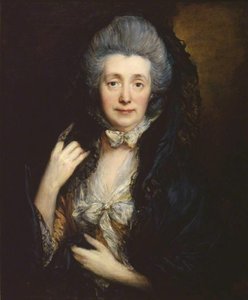
Thomas Gainsborough died in 1788, leaving behind a body of work that continues to captivate audiences today. His influence on subsequent generations of British artists is undeniable. He liberated portraiture from rigid formality, infusing it with spontaneity and emotional resonance. His loose brushwork and atmospheric effects paved the way for the Impressionists, while his lyrical landscapes inspired artists like John Constable, who deeply admired Gainsborough’s ability to capture the spirit of the English countryside. Gainsborough's legacy extends beyond technique; it lies in his profound understanding of human character and his unwavering commitment to artistic expression. He wasn’t simply a painter of portraits or landscapes; he was a storyteller, a poet of light and color, and a visionary who transformed British art. Mrs. Thomas Gainsborough, painted in 1785, exemplifies this period – an elegant portrait showcasing rococo style and muted tones. His paintings are a testament to the power of observation, imagination, and the enduring allure of the English landscape.Exploring Gainsborough's World Today
Fortunately, the opportunity to experience Gainsborough’s genius firsthand remains readily available. Gainsborough’s House, in his birthplace of Sudbury, stands as a testament to his life and work, offering visitors an intimate glimpse into his early influences and artistic development. Christchurch Mansion in Ipswich houses a significant collection of Gainsborough paintings alongside works by Constable and other masters. Numerous museums across the United Kingdom and internationally display his masterpieces, including the National Gallery in London and the Metropolitan Museum of Art in New York. His work continues to be studied, analyzed, and celebrated, ensuring that his artistic vision will endure for generations to come.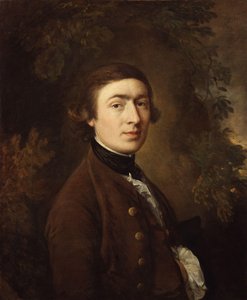
Гейнсборо
1727 - 1788 , Великобритания
Основные сведения
- Artistic Movement Or Style: Рококо, Портрет
- Artists Or Movements Influenced By This Artist:
- Констабль
- Импрессионисты
- Artists Who Influenced This Artist:
- Грэвелот, Жюль
- Хогарть
- Хайман
- Date Of Birth: 1727
- Date Of Death: 1788
- Full Name: Thomas Gainsborough
- Nationality: Британский
- Notable Artworks:
- Миссис Томас Гейнсборо
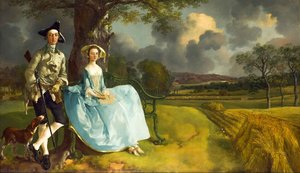
- Мистер и миссис Эндрюс
- Place Of Birth (City And Country): Судеби, Великобритания
Похожие статьи

Масляная живопись: История, техника и непреходящее наследие
Узнайте все о масляной живописи: история техники, секреты мастеров и современные тенденции. Погрузитесь в мир искусства с экспертами !

The Enduring Legacy of Oil on Canvas: Technique, History & Aesthetic Impact
Explore the rich history & techniques of oil painting – from Renaissance masters to Impressionism. Discover pigments, layering methods, and why this timeless medium endures. Expert insights for artists & art enthusiasts.

Oil on Canvas: A Historical & Technical Exploration of a Timeless Artistic Medium
Explore the rich history & enduring techniques of oil painting on canvas. Discover the science behind its longevity, conservation practices, and contemporary relevance. Expert insights for art enthusiasts.

The Enduring Power of Painting: A Historical & Contemporary Exploration of Form and Emotion
Explore the rich history & enduring techniques of oil painting with ArtsDot. Discover masterpieces, learn about art collecting, and find authentic handmade reproductions crafted by skilled artists.

Crimson Threads of Narrative: Exploring Symbolism & Representation in Artworks Featuring the Red Dress
Explore the rich symbolism of the red dress in art history! From ancient power displays to iconic portraits like Cézanne’s 'Madame Cezanne', discover the cultural and artistic significance behind this captivating color. Expert analysis & insights.