

 Предпросмотр
 Поделиться
 Поделиться
 Детали произведения

 Скачать
 Похожие работы
 Рентгенография
 Слайд-шоу
 Статистика
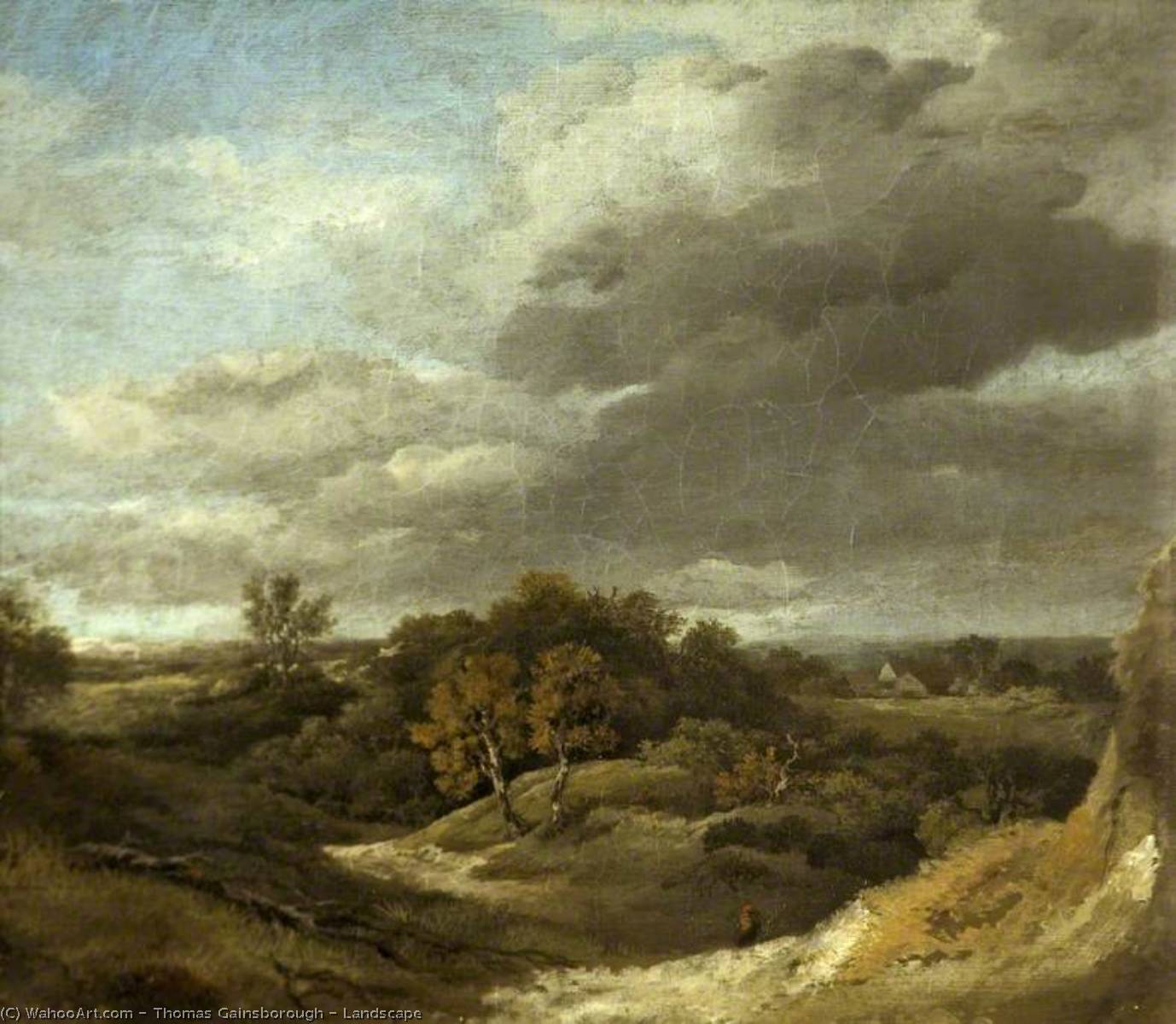
Landscape
 Oil On Canvas
- WallArt
- Baroque
 1747
1747- Early Modern
 29.0 x 33.0 cm
 Museum of Gloucester
 Читать далее
Приобретите цифровое изображение высокого разрешения в улучшенном качестве, которое значительно превосходит онлайн-превью.
Каждый файл тщательно подготавливается нашими специалистами с использованием передовых инструментов и экспертной ручной ретуши. Мы гарантируем исключительную четкость, точную цветопередачу и детальную проработку каждого изображения.
Финальный файл доставляется по электронной почте в течение 72 часов и оптимизирован для немедленного использования в профессиональной среде, при верстке и печати. Это тот же уровень качества, которому доверяют ведущие дизайнерские студии, издательства и галереи.
Цифровое изображение
Скачайте файл высокого разрешения для личного использования, печати и творческих проектов. ( Перейти к печати Купить картину ручной работы)
Включено в каждый заказ цифровых изображений
Гарантия экспертной цифровой доставки
Выбирая ArtsDot.com, вы получаете не просто изображение — вы приобретаете профессионально обработанное цифровое произведение искусства, созданное с безупречной точностью и под защитой гарантии качества. Вот всё, что автоматически входит в ваш заказ:

Мгновенная доставка по e-mail
Ваш цифровой файл в высоком разрешении будет отправлен вам по электронной почте в течение 72 часов после оформления заказа — и сразу станет доступен для использования.

Цифровой файл с ИИ-улучшением
Ваше произведение искусства проходит профессиональную оптимизацию с использованием передовых инструментов ИИ и ручной обработки, что гарантирует максимальную детализацию, четкость и точность цветопередачи.

Бессрочная бесплатная повторная доставка
Случайно удалили или потеряли файл? Не беспокойтесь — мы отправим его вам повторно в любое время и совершенно бесплатно.

Без импортных пошлин — навсегда
Наслаждайтесь вашим произведением искусства мгновенно без таможенных пошлин, сборов или затрат на доставку — цифровые загрузки всегда не облагаются налогом.

Гарантия точности цветопередачи
Мы гарантируем, что ваше цифровое изображение максимально точно передает оригинальные цвета благодаря использованию профессиональных инструментов и систем управления цветом.

Гарантия удовлетворенности 100 дней
Если вы не будете удовлетворены своим цифровым изображением, мы внесем правки или вернем 100% стоимости в течение 100 дней — без лишних вопросов.

100% Гарантия возврата средств
Не удовлетворены покупкой? Получите полный возврат средств в течение 100 дней после получения цифрового файла — без лишних вопросов.

Скидки на оптовые заказы
Купите 3 изображения, сэкономьте 10% — Купите 5, сэкономьте 15% — Купите 10+, сэкономьте 20%. Отличное решение для творческих проектов, галерей и агентств.
A Vision of Rural Tranquility: The Early Mastery of Thomas Gainsborough
In the quiet, rolling landscapes of the Suffolk countryside, a profound artistic journey began. Long before he became a titan of the Georgian era, a young Thomas Gainsborough was already translating the textures of his world onto canvas. His early work, such as the evocative Landscape with Sandpit, serves as a breathtaking window into the genesis of a master. Painted around 1746-1747, this piece captures a moment of serene coastal beauty, where the soft, autumnal glow of an evening sky meets the rugged, tactile reality of the dunes. It is not merely a depiction of scenery; it is an invitation to step into a world where time seems to slow, and the boundaries between the observer and the natural world begin to dissolve.
The composition is a masterclass in balance and atmospheric depth. At its heart, a solitary figure—perhaps a reflection of the artist himself—rests peacefully beneath the protective shade of a tree, nestled near a prominent sandpit. This placement creates a poignant focal point that anchors the viewer's gaze amidst the sweeping elements of the landscape. Above, a sky filled with soft, drifting clouds adds a layer of movement and drama, while the distant flight of two birds introduces a sense of life and freedom to the stillness. For the discerning collector or interior designer, this painting offers a perfect equilibrium of weight and lightness, making it an ideal centerpiece for spaces that demand both presence and peace.
Technique and the Language of Light
Gainsborough’s technical prowess is evident in his sophisticated use of atmospheric perspective, a technique he refined by studying the great Dutch masters. Through subtle gradations of color and delicate tonal variations, he creates an illusion of immense depth, pulling the viewer's eye from the immediate textures of the foreground sand and foliage toward the hazy, infinite horizon. His brushwork is both meticulous and expressive; one can almost feel the grit of the sand and the rustle of the leaves through his masterful application of oil on canvas.
The palette is a sophisticated arrangement of earthy browns, muted greens, and the warm, golden hues of twilight. This restrained color scheme does not overwhelm the senses but rather fosters an atmosphere of quiet contemplation. For those looking to enhance a room with art, this piece provides a neutral yet emotionally resonant foundation, capable of complementing both classical and contemporary decor through its timeless aesthetic and organic warmth.
Symbolism and the Romantic Spirit
Beyond its surface beauty, the painting vibrates with symbolic significance. The solitary figure serves as a powerful emblem of introspection and the human connection to the earth—themes that would later become central to the burgeoning Romantic movement. This sense of communion with nature suggests a deeper, spiritual resonance, where the landscape is not just a backdrop but a living, breathing entity capable of reflecting the human soul.
To possess a reproduction of such a work is to bring more than just decoration into a home; it is to invite a legacy of British artistic heritage. Whether placed in a sunlit library or a sophisticated study, this landscape acts as a window to a lost era of pastoral grace, offering a perennial sense of calm and an enduring connection to the sublime beauty of the natural world.
Похожие произведения
Биография художника
A Suffolk Beginning: The Early Life and Artistic Awakening
The story of Thomas Gainsborough, one of Britain’s most celebrated artists, unfolds not within the confines of a grand academy or bustling metropolis, but in the tranquil market town of Sudbury, Suffolk. Born in 1727, the youngest son of John Gainsborough, a weaver and wool merchant, young Thomas displayed an innate artistic sensibility from a remarkably early age. While his siblings pursued more conventional paths, Thomas’s world rapidly became consumed by drawing and painting – miniature self-portraits and delicate landscapes blossoming from his hand even before he reached ten years old. This precocious talent wasn't merely a childhood pastime; it was the burgeoning of a vision that would reshape British art. His father, recognizing this unique gift, encouraged its development, setting young Thomas on a path diverging sharply from the family trade. The Suffolk countryside itself became his first studio, imbuing his later works with a deep and abiding love for the natural world – a characteristic that would distinguish him throughout his career. This early immersion in landscape wasn’t simply about replicating what he saw; it was about *feeling* the essence of the English countryside, an emotional resonance that would permeate his canvases for decades to come.London and the Shaping of a Style: Influences and Early Commissions
In 1740, at the age of thirteen, Gainsborough journeyed to London, embarking on formal artistic training under Hubert Gravelot, a French engraver renowned for his elegant rococo style. This exposure proved pivotal, introducing him to refined techniques and fashionable aesthetics. However, it was his association with William Hogarth and the St Martin’s Lane Academy that truly began to mold his artistic identity. Initially influenced by Hogarth's narrative approach – his detailed depictions of London life and social commentary – Gainsborough soon charted his own course, developing a distinctive style characterized by its lightness of touch, fluid brushwork, and subtle color palettes. He absorbed lessons from various masters, including the Dutch landscape painters whose atmospheric effects he admired, yet resisted strict adherence to any single school, forging a path that blended observation with imagination. Gainsborough’s early works often featured portraits of young men in fashionable attire, reflecting the trends of the time, but he quickly moved beyond mere likenesses, striving to capture the personality and character of his subjects. Returning to Sudbury after marrying Margaret Burr in 1746, Gainsborough established himself as a portraitist for the local gentry – landowners, merchants, and clergymen who commissioned him to depict themselves and their families. This period honed his skills in capturing likenesses and character, but it was during his subsequent move to Ipswich, and later Bath, that he began attracting a more sophisticated clientele – individuals who appreciated not just accurate representation, but also artistic flair and emotional depth.Bath and Beyond: Portraiture, Landscape, and Royal Patronage
The years spent in Bath (1759-1774) marked a significant turning point in Gainsborough’s career. The city was a hub of fashionable society, providing him with ample opportunities to paint portraits of the wealthy and influential. He quickly gained renown for his ability to capture not only physical resemblance but also the personality and social standing of his sitters. His portraits weren't merely depictions; they were statements about identity and status – often imbued with a sense of relaxed elegance and natural charm. Gainsborough’s style in Bath evolved, influenced by the works of Anthony van Dyck, whose portraits he had studied extensively. He skillfully combined elements of rococo grace with his own distinctive brushwork, creating images that were both refined and engaging. However, even amidst the demands of portraiture, Gainsborough never abandoned his passion for landscape painting. He frequently integrated landscapes into his portraits – depicting his subjects in idyllic settings or using atmospheric backgrounds to enhance the mood of the composition. This innovative approach – a hallmark of his style – set him apart from many of his contemporaries and demonstrated his deep connection to the English countryside. The culmination of his success came with his move to London in 1774, where he established a studio on Pall Mall and became a founding member of the Royal Academy. He also secured royal patronage, becoming a favorite painter of King George III and Queen Charlotte – a testament to his artistic skill and social standing.A Legacy of Innovation: Enduring Appeal and Influence
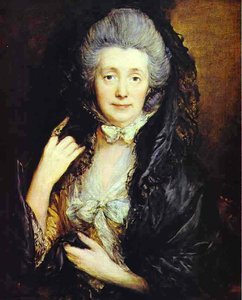
Thomas Gainsborough died in 1788, leaving behind a body of work that continues to captivate audiences today. His influence on subsequent generations of British artists is undeniable. He liberated portraiture from rigid formality, infusing it with spontaneity and emotional resonance. His loose brushwork and atmospheric effects paved the way for the Impressionists, while his lyrical landscapes inspired artists like John Constable, who deeply admired Gainsborough’s ability to capture the spirit of the English countryside. Gainsborough's legacy extends beyond technique; it lies in his profound understanding of human character and his unwavering commitment to artistic expression. He wasn’t simply a painter of portraits or landscapes; he was a storyteller, a poet of light and color, and a visionary who transformed British art. Mrs. Thomas Gainsborough, painted in 1785, exemplifies this period – an elegant portrait showcasing rococo style and muted tones. His paintings are a testament to the power of observation, imagination, and the enduring allure of the English landscape.Exploring Gainsborough's World Today
Fortunately, the opportunity to experience Gainsborough’s genius firsthand remains readily available. Gainsborough’s House, in his birthplace of Sudbury, stands as a testament to his life and work, offering visitors an intimate glimpse into his early influences and artistic development. Christchurch Mansion in Ipswich houses a significant collection of Gainsborough paintings alongside works by Constable and other masters. Numerous museums across the United Kingdom and internationally display his masterpieces, including the National Gallery in London and the Metropolitan Museum of Art in New York. His work continues to be studied, analyzed, and celebrated, ensuring that his artistic vision will endure for generations to come.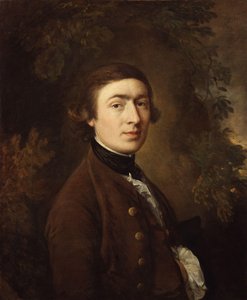
Гейнсборо
1727 - 1788 , Великобритания
Основные сведения
- Artistic Movement Or Style: Рококо, Портрет
- Artists Or Movements Influenced By This Artist:
- Констабль
- Импрессионисты
- Artists Who Influenced This Artist:
- Грэвелот, Жюль
- Хогарть
- Хайман
- Date Of Birth: 1727
- Date Of Death: 1788
- Full Name: Thomas Gainsborough
- Nationality: Британский
- Notable Artworks:
- Миссис Томас Гейнсборо
- Мистер и миссис Эндрюс
- Place Of Birth (City And Country): Судеби, Великобритания