

 Предпросмотр
 Поделиться
 Поделиться
 Детали произведения

 Скачать
 Похожие работы
 Рентгенография
 Слайд-шоу
 Статистика
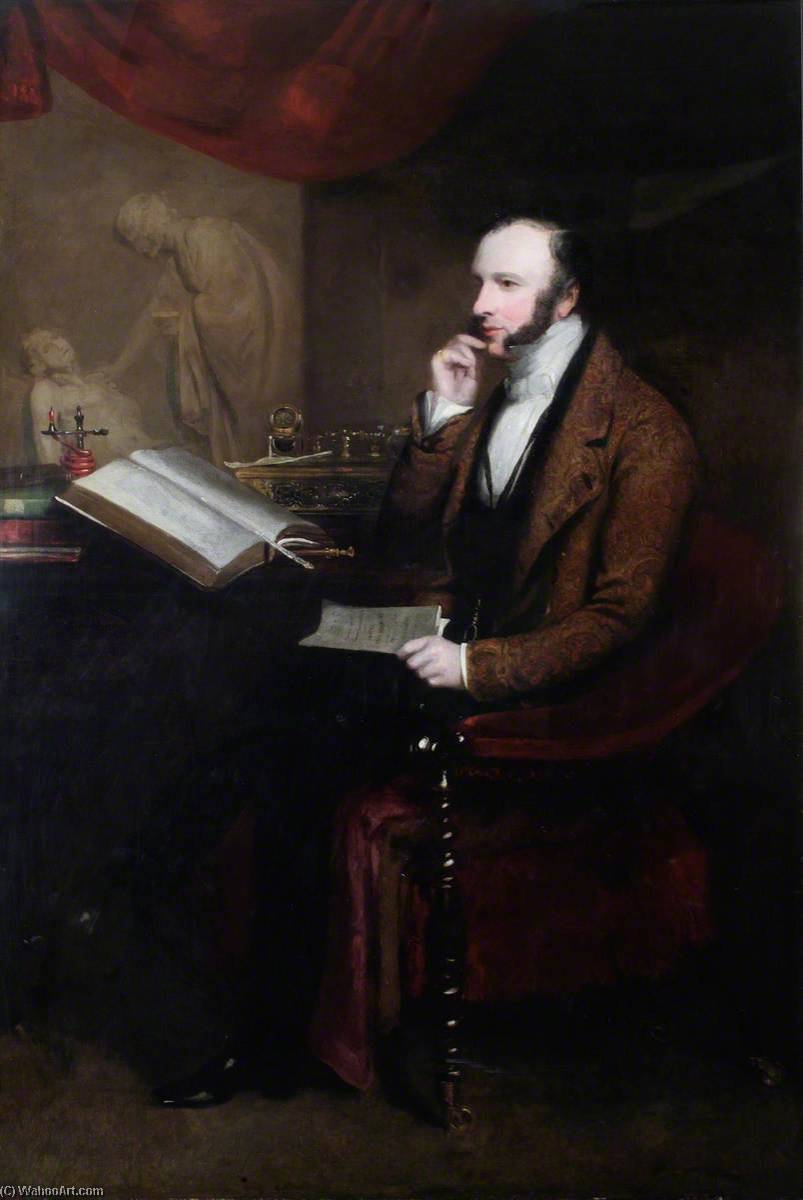
William Marsden (1796–1867)
 1850
1850 189.0 x 130.0 cm
 Royal Free Hospital
 Читать далее
Приобретите цифровое изображение высокого разрешения в улучшенном качестве, которое значительно превосходит онлайн-превью.
Каждый файл тщательно подготавливается нашими специалистами с использованием передовых инструментов и экспертной ручной ретуши. Мы гарантируем исключительную четкость, точную цветопередачу и детальную проработку каждого изображения.
Финальный файл доставляется по электронной почте в течение 72 часов и оптимизирован для немедленного использования в профессиональной среде, при верстке и печати. Это тот же уровень качества, которому доверяют ведущие дизайнерские студии, издательства и галереи.
Цифровое изображение
Скачайте файл высокого разрешения для личного использования, печати и творческих проектов. ( Перейти к печати Купить картину ручной работы)
Включено в каждый заказ цифровых изображений
Гарантия экспертной цифровой доставки
Выбирая ArtsDot.com, вы получаете не просто изображение — вы приобретаете профессионально обработанное цифровое произведение искусства, созданное с безупречной точностью и под защитой гарантии качества. Вот всё, что автоматически входит в ваш заказ:

Мгновенная доставка по e-mail
Ваш цифровой файл в высоком разрешении будет отправлен вам по электронной почте в течение 72 часов после оформления заказа — и сразу станет доступен для использования.

Цифровой файл с ИИ-улучшением
Ваше произведение искусства проходит профессиональную оптимизацию с использованием передовых инструментов ИИ и ручной обработки, что гарантирует максимальную детализацию, четкость и точность цветопередачи.

Бессрочная бесплатная повторная доставка
Случайно удалили или потеряли файл? Не беспокойтесь — мы отправим его вам повторно в любое время и совершенно бесплатно.

Без импортных пошлин — навсегда
Наслаждайтесь вашим произведением искусства мгновенно без таможенных пошлин, сборов или затрат на доставку — цифровые загрузки всегда не облагаются налогом.

Гарантия точности цветопередачи
Мы гарантируем, что ваше цифровое изображение максимально точно передает оригинальные цвета благодаря использованию профессиональных инструментов и систем управления цветом.

Гарантия удовлетворенности 100 дней
Если вы не будете удовлетворены своим цифровым изображением, мы внесем правки или вернем 100% стоимости в течение 100 дней — без лишних вопросов.

100% Гарантия возврата средств
Не удовлетворены покупкой? Получите полный возврат средств в течение 100 дней после получения цифрового файла — без лишних вопросов.

Скидки на оптовые заказы
Купите 3 изображения, сэкономьте 10% — Купите 5, сэкономьте 15% — Купите 10+, сэкономьте 20%. Отличное решение для творческих проектов, галерей и агентств.
The Artist and His Style
Thomas Henry Illidge was a renowned English portrait painter, born in Birmingham on 26 September 1799. He was educated in Manchester and taught drawing before pursuing a career in art. Illidge's style is characterized by his attention to detail and ability to capture the essence of his subjects. His works can be found in various museums and collections, including the Kendal Museum in the United Kingdom.The Painting: William Marsden (1796–1867)
The painting depicts William Marsden sitting in a chair with his hands on his chin, wearing a suit and tie. He appears to be reading a book while surrounded by various objects such as a clock, a bottle, a cup, and a bowl. The room also features a couch and a vase. Another person is visible in the background, but their actions are not clear from the image. For more information on Thomas Henry Illidge and his works, visit /art/list/?Filter=A@D3B55B-Discovering-the-Artworks-of-Kendal-Museum-United-Kingdom. You can also explore other paintings by the artist, such as Painting by 'Thomas Henry Illidge' | Thomas Henry Illidge:William Marsden (1796–1867)- Oil on Canvas: The painting is created using oil on canvas, a technique that allows for rich and vibrant colors.
- Measurements: The piece measures 189 x 130 cm, making it a substantial work of art.
- Location: The painting is housed at the Royal Free Hospital in London, United Kingdom.
The painting William Marsden (1796–1867) by Thomas Henry Illidge is a remarkable example of 19th-century portraiture, showcasing the artist's skill and attention to detail. As a handmade oil painting reproduction, it would make a stunning addition to any art collection.
Похожие произведения








Биография художника
Early Life and Artistic Beginnings
Thomas Henry Illidge, born in Birmingham on September 26th, 1799, emerged from humble beginnings that would profoundly shape his artistic trajectory. His family’s roots lay near Nantwich, Cheshire, but a relocation to Manchester proved pivotal. The untimely death of his father cast a long shadow, leaving the young Illidge with limited resources and necessitating an early foray into teaching drawing as a means of support. This practical grounding, however, did little to quell the burgeoning artistic spirit within him. He initially received instruction in Manchester before seeking tutelage from two prominent figures: Mather Brown and William Bradley – artists who would lay the foundation for his future style. Illidge’s early attempts were directed towards landscape painting, a genre that allowed him to connect with the natural world. However, personal circumstances—an early marriage—prompted a pragmatic shift toward portraiture, recognized as a more financially viable path in the burgeoning industrial towns of Lancashire.A Portraitist of Northern Industry
Illidge quickly established himself as a sought-after portrait painter within the vibrant commercial landscape of Lancashire. The region’s rapid industrial growth had fostered a new class of civic and financial leaders, eager to have their likenesses preserved for posterity. Illidge proved adept at capturing not merely physical resemblance but also the character and status of his sitters. His portraits weren't simply representations; they were statements of achievement and social standing. He became a chronicler of this era, documenting the faces that fueled the engine of “Cottonopolis.” From 1827 onwards, he consistently exhibited at the Liverpool Academy, steadily building his reputation and clientele. This period saw him hone his skills in capturing the nuances of human expression and developing a style characterized by meticulous detail and a dignified composure.London Recognition and Artistic Maturity
The year 1842 marked a turning point in Illidge’s career as he relocated to London, seeking wider recognition and opportunities. He wasted no time integrating into the capital's art scene, becoming a regular exhibitor at the prestigious Royal Academy. This move signaled his arrival among the established artistic elite. In 1844, fate intervened with the death of Henry Perronet Briggs, R.A., allowing Illidge to acquire the lease on Briggs’ house in Bruton Street, Berkeley Square – a prime location that solidified his position as a fashionable and popular portraitist. This address became synonymous with quality and refinement, attracting a discerning clientele who valued his ability to create flattering yet insightful portraits.Style, Influences, and Legacy
Illidge’s artistic style was rooted in the traditions of British portraiture, drawing inspiration from artists like Reynolds and Lawrence. However, he infused his work with a distinct sense of realism and attention to detail that reflected his northern upbringing and the practical demands of his early career. His portraits are characterized by a subdued palette, careful lighting, and a focus on conveying the sitter’s personality through subtle gestures and expressions. While influenced by the grand manner of earlier masters, Illidge avoided excessive ornamentation or theatricality, preferring instead to create portraits that were both elegant and accessible. His work offers a fascinating glimpse into the social fabric of 19th-century Britain, particularly the rise of the industrial middle class. Though not as widely celebrated as some of his contemporaries, Illidge’s contribution to portraiture remains significant. His ability to capture the spirit of an era and the character of his sitters ensures his place in the history of British art. He died unexpectedly on May 13th, 1851, leaving behind a substantial body of work that continues to be admired for its technical skill and historical importance.Major Achievements & Historical Significance
Illidge’s primary achievement lies in his successful navigation of the evolving portraiture market during a period of significant social change. He skillfully adapted his style to meet the demands of both regional and London audiences, establishing himself as a respected and sought-after artist. His portraits serve as invaluable historical documents, providing insights into the lives and aspirations of the individuals who shaped 19th-century Britain. Beyond individual commissions, Illidge’s work reflects the broader cultural shifts occurring during his lifetime – the rise of industrial capitalism, the growing importance of civic identity, and the increasing accessibility of art to a wider audience.- Consistent exhibition at both Liverpool Academy (from 1827) and Royal Academy.
- Establishment as a leading portraitist in Lancashire’s manufacturing towns.
- Acquisition of Henry Perronet Briggs' studio, solidifying his London presence.
- Creation of a substantial body of work documenting the social landscape of 19th-century Britain.
Основные сведения
- Artistic Movement Or Style: Portraiture
- Artists Or Movements Influenced By This Artist: ['Royal Academy']
- Artists Who Influenced This Artist:
- Mather Brown
- William Bradley
- Date Of Birth: 26 Sept 1799
- Date Of Death: 13 May 1851
- Full Name: Thomas Henry Illidge
- Nationality: English
- Notable Artworks:
- Lord Stanley
- Sir Joshua Walmsley
- Place Of Birth: Birmingham, UK