

 Предпросмотр
 Поделиться
 Поделиться
 Детали произведения

 Скачать
 Похожие работы
 Рентгенография
 Слайд-шоу
 Статистика
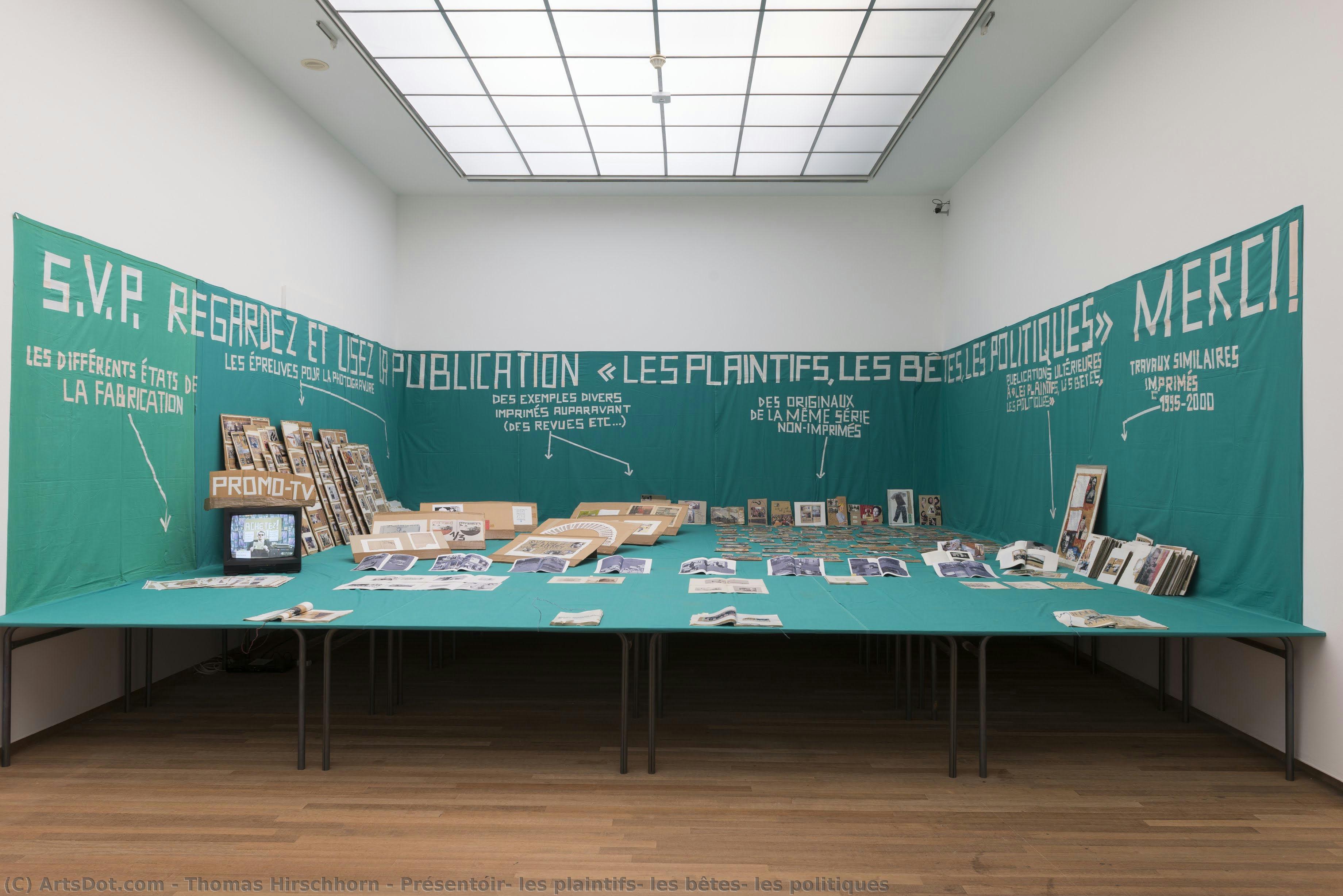
Présentoir: les plaintifs, les bêtes, les politiques
 Mixed Media
- WallArt
- Contemporary Art
 Contemporary
 250.0 x 569.0 cm
 Bonnefanten Museum
 Читать далее
Приобретите цифровое изображение высокого разрешения в улучшенном качестве, которое значительно превосходит онлайн-превью.
Каждый файл тщательно подготавливается нашими специалистами с использованием передовых инструментов и экспертной ручной ретуши. Мы гарантируем исключительную четкость, точную цветопередачу и детальную проработку каждого изображения.
Финальный файл доставляется по электронной почте в течение 72 часов и оптимизирован для немедленного использования в профессиональной среде, при верстке и печати. Это тот же уровень качества, которому доверяют ведущие дизайнерские студии, издательства и галереи.
Цифровое изображение
Скачайте файл высокого разрешения для личного использования, печати и творческих проектов. ( Перейти к печати Купить картину ручной работы)
Включено в каждый заказ цифровых изображений
Гарантия экспертной цифровой доставки
Выбирая ArtsDot.com, вы получаете не просто изображение — вы приобретаете профессионально обработанное цифровое произведение искусства, созданное с безупречной точностью и под защитой гарантии качества. Вот всё, что автоматически входит в ваш заказ:

Мгновенная доставка по e-mail
Ваш цифровой файл в высоком разрешении будет отправлен вам по электронной почте в течение 72 часов после оформления заказа — и сразу станет доступен для использования.

Цифровой файл с ИИ-улучшением
Ваше произведение искусства проходит профессиональную оптимизацию с использованием передовых инструментов ИИ и ручной обработки, что гарантирует максимальную детализацию, четкость и точность цветопередачи.

Бессрочная бесплатная повторная доставка
Случайно удалили или потеряли файл? Не беспокойтесь — мы отправим его вам повторно в любое время и совершенно бесплатно.

Без импортных пошлин — навсегда
Наслаждайтесь вашим произведением искусства мгновенно без таможенных пошлин, сборов или затрат на доставку — цифровые загрузки всегда не облагаются налогом.

Гарантия точности цветопередачи
Мы гарантируем, что ваше цифровое изображение максимально точно передает оригинальные цвета благодаря использованию профессиональных инструментов и систем управления цветом.

Гарантия удовлетворенности 100 дней
Если вы не будете удовлетворены своим цифровым изображением, мы внесем правки или вернем 100% стоимости в течение 100 дней — без лишних вопросов.

100% Гарантия возврата средств
Не удовлетворены покупкой? Получите полный возврат средств в течение 100 дней после получения цифрового файла — без лишних вопросов.

Скидки на оптовые заказы
Купите 3 изображения, сэкономьте 10% — Купите 5, сэкономьте 15% — Купите 10+, сэкономьте 20%. Отличное решение для творческих проектов, галерей и агентств.
A Symphony of Chaos and Connection
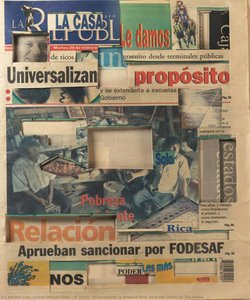
In the vast landscape of contemporary installation art, few works capture the frantic, beautiful, and often overwhelming pulse of modern existence quite like Thomas Hirschhorn’s Présentoir: les plaintifs, les bêtes, les politiques. This monumental piece serves as a historical synthesis of the artist's unique visual language, acting as a sprawling, three-dimensional collage that defies the boundaries between high art and everyday debris. At first glance, the viewer is met with an expansive scene—a large table laden with books, papers, and fragments of life—suggesting an informal gathering or a communal meeting place where ideas are tossed about as freely as the scraps of material that compose the work itself. The presence of chairs arranged around this central hub invites us to imagine a space of intense dialogue, a sanctuary for the thinkers, the dreamers, and the dissenters.
The composition is anchored by a sense of organized disorder. Hirschhorn, a master of utilizing "cheap" materials, employs cardboard, tape, plastic, and aluminum foil to construct a world that feels both fragile and incredibly potent. This technique of using disposable media creates a profound tension; while the materials themselves are ephemeral and mundane, the messages they carry are monumental. The painting captures this essence by depicting a scene where a television is mounted on a wall, perhaps broadcasting the very social critiques Hirschhorn seeks to provoke. It is a space that feels lived-in, cluttered with the intellectual residue of a society grappling with its own complexities, making it an extraordinary focal point for any collection that values depth and narrative complexity.
The Art of Social Engagement
To understand this work is to understand Hirschhorn’s profound commitment to public discourse. Emerging from a background in graphic design and influenced by the transformative legacies of Joseph Beuys and Andy Warhol, Hirschhorn uses his "assemblage" style to critique a world increasingly dominated by the cold mechanics of money and power. In Présentoir: les plaintifs, les bêtes, les politiques, the artist adopts the persona of an enthusiastic "Tele-Sales" presenter, attempting to market social engagement to a global audience. This layer of irony adds a captivating emotional dimension to the piece; there is a palpable sense of urgency and even a touch of desperation in his attempt to bring political reality into the light of public view.
For the discerning collector or interior designer, this artwork offers much more than mere decoration; it offers an intellectual atmosphere. The interplay between the domesticity of the dining setting and the radical nature of the materials creates a sophisticated aesthetic that challenges the traditional "white cube" gallery experience. It is a piece that demands conversation, making it an ideal centerpiece for modern, avant-garde interiors where art is intended to spark thought and reflection. Owning a high-quality reproduction of this work allows one to bring a fragment of this radical social experiment into a private space, surrounding oneself with the energy of a continuous, creative struggle for a more positive engagement with our shared reality.
Похожие произведения

Биография художника
Thomas Hirschhorn: Sculpting Public Discourse
Born in Bern, Switzerland, in 1957, Thomas Hirschhorn’s artistic journey is a compelling narrative of transformation – from graphic design to a profoundly engaged practice deeply rooted in public space. Initially trained in Zurich’s School of Applied Arts, his early work as a designer laid the groundwork for an approach that would later challenge conventional notions of art and its relationship with society. However, it was a pivotal shift in the 1990s, fueled by encounters with the works of Joseph Beuys and Andy Warhol, that propelled him toward a distinctly sculptural and politically-charged artistic vision.
Hirschhorn’s early career saw him experimenting with materials readily available – cardboard, foil, duct tape, magazines – transforming these everyday objects into complex, often monumental structures. This deliberate choice wasn't merely aesthetic; it was a conscious rejection of the elitism traditionally associated with art and a commitment to engaging with the “non-exclusive audience.” He sought to create works that were accessible, inclusive, and spoke directly to the experiences of ordinary people, reflecting a core philosophy of democratizing artistic expression. This approach is evident in his early installations, which frequently incorporated text and found imagery, layering social commentary alongside formal considerations.
The Language of Public Space
A defining characteristic of Hirschhorn’s work is its deployment within public spaces – sidewalks, vacant lots, urban landscapes – rather than confined to traditional gallery settings. This strategic placement isn't simply about visibility; it’s a deliberate attempt to disrupt the established order and initiate dialogue. His projects, often described as “monuments” or “assemblages,” are designed to provoke interaction, questioning notions of ownership, authority, and the very definition of art. The scale of these works is frequently imposing, demanding attention and inviting viewers to confront their surroundings in a new way.
Significant examples include *Musée Précaire Albinet* in Aubervilliers, France (2004), where he presented iconic artworks from major museums alongside original pieces, fostering a critical dialogue about access to culture. Similarly, the *Bijlmer Spinoza Festival* in Amsterdam (2009) utilized a vast, abandoned airport space to explore themes of social justice and philosophical inquiry. These projects aren’t merely installations; they are carefully orchestrated events designed to engage communities and stimulate critical reflection.
Influences and Theoretical Framework
Hirschhorn's artistic trajectory is deeply informed by the philosophies of Joseph Beuys, particularly his concept of “social sculpture,” which emphasizes art as a tool for social transformation. The influence of Andy Warhol’s embrace of popular culture and mass media also plays a crucial role, shaping Hirschhorn’s use of everyday materials and his engagement with contemporary issues. He draws heavily on critical theory, particularly the work of Walter Benjamin and Michel Foucault, using these frameworks to analyze power dynamics and social structures.
His theoretical writings, such as *Critical Laboratory*, articulate a complex system of “Presence and Production,” outlining his approach to working in public space. This methodology emphasizes the importance of being physically present during the creation process, fostering a direct connection with the environment and the people involved. He believes that true impact arises from this immediate engagement, rejecting the notion of art as a detached object.
Major Achievements and Legacy
Thomas Hirschhorn’s career has been marked by numerous prestigious exhibitions and awards, solidifying his position as one of the most significant contemporary artists working today. He has represented Switzerland at the Venice Biennale (1999, 2015), Documenta 11 (2002), and other major international events. His work has been exhibited in institutions worldwide, including the Art Institute of Chicago, the Museum Ludwig in Cologne, and the Fondation MaXXI in Rome.
Beyond individual exhibitions, Hirschhorn’s sustained commitment to public art – with over seventy works now installed across Europe, North America, and South America – represents a significant contribution to the field. His projects consistently challenge conventional boundaries between art and life, prompting critical reflection on social justice, political power, and the role of art in shaping our world. His ongoing exploration of “Presence and Production” continues to inform his practice, ensuring that his work remains both deeply personal and profoundly relevant.

Thomas Hirschhorn
1957 - , Switzerland
Основные сведения
- Artistic Movement Or Style: Conceptual/Installation
- Artists Or Movements Influenced By This Artist:
- Beuys
- Warhol
- Artists Who Influenced This Artist:
- Beuys
- Warhol
- Date Of Birth: 1957-05-16
- Full Name: Thomas Hirschhorn
- Nationality: Swiss
- Notable Artworks:
- Spinoza Monument
- Deleuze Monument
- Bataille Monument
- Place Of Birth: Bern, Switzerland