

 Предпросмотр
 Поделиться
 Поделиться
 Детали произведения

 Скачать
 Похожие работы
 Рентгенография
 Слайд-шоу
 Статистика
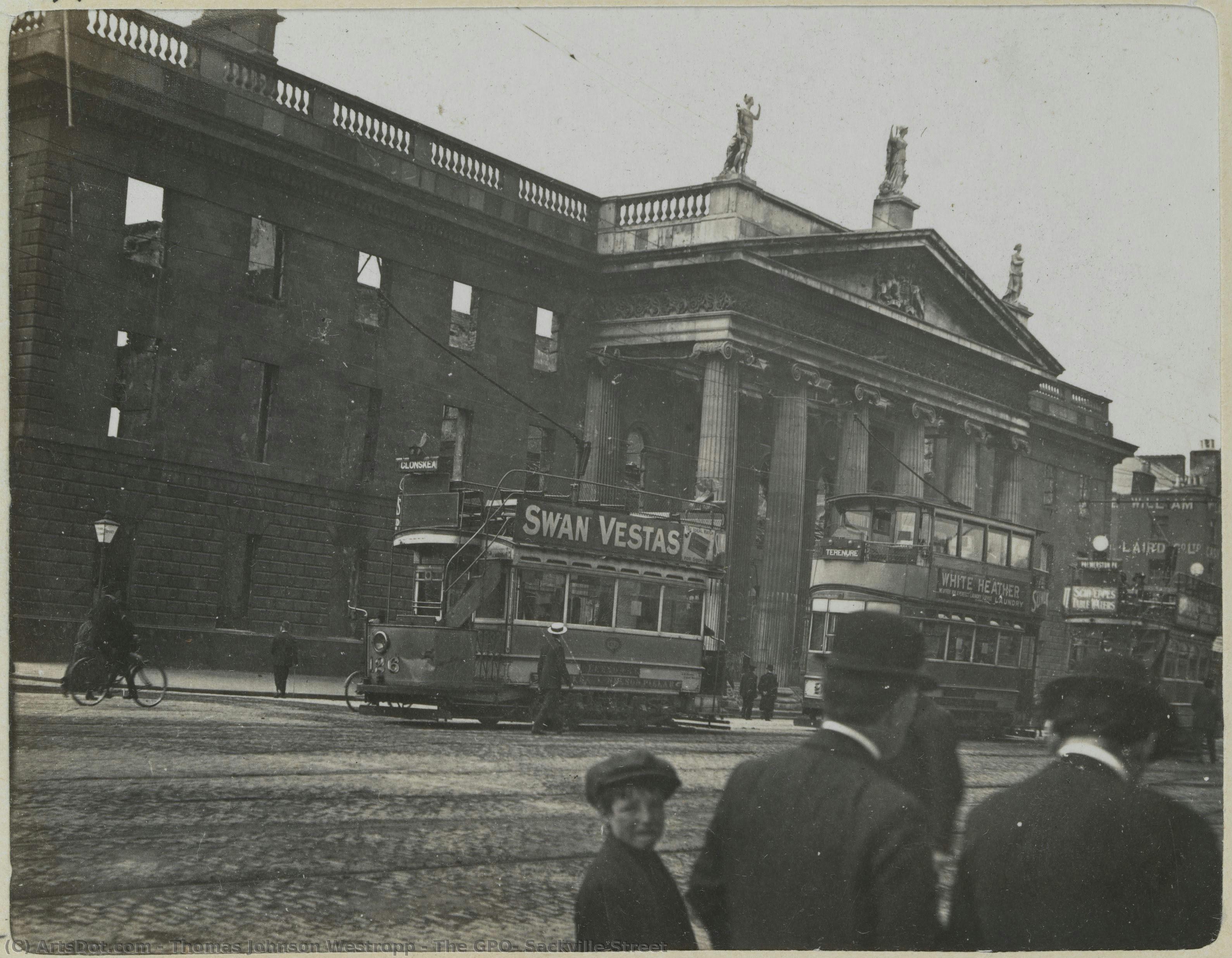
The GPO, Sackville Street


 Читать далее
Приобретите цифровое изображение высокого разрешения в улучшенном качестве, которое значительно превосходит онлайн-превью.
Каждый файл тщательно подготавливается нашими специалистами с использованием передовых инструментов и экспертной ручной ретуши. Мы гарантируем исключительную четкость, точную цветопередачу и детальную проработку каждого изображения.
Финальный файл доставляется по электронной почте в течение 72 часов и оптимизирован для немедленного использования в профессиональной среде, при верстке и печати. Это тот же уровень качества, которому доверяют ведущие дизайнерские студии, издательства и галереи.
Цифровое изображение
Скачайте файл высокого разрешения для личного использования, печати и творческих проектов. ( Перейти к печати Купить картину ручной работы)
Включено в каждый заказ цифровых изображений
Гарантия экспертной цифровой доставки
Выбирая ArtsDot.com, вы получаете не просто изображение — вы приобретаете профессионально обработанное цифровое произведение искусства, созданное с безупречной точностью и под защитой гарантии качества. Вот всё, что автоматически входит в ваш заказ:

Мгновенная доставка по e-mail
Ваш цифровой файл в высоком разрешении будет отправлен вам по электронной почте в течение 72 часов после оформления заказа — и сразу станет доступен для использования.

Цифровой файл с ИИ-улучшением
Ваше произведение искусства проходит профессиональную оптимизацию с использованием передовых инструментов ИИ и ручной обработки, что гарантирует максимальную детализацию, четкость и точность цветопередачи.

Бессрочная бесплатная повторная доставка
Случайно удалили или потеряли файл? Не беспокойтесь — мы отправим его вам повторно в любое время и совершенно бесплатно.

Без импортных пошлин — навсегда
Наслаждайтесь вашим произведением искусства мгновенно без таможенных пошлин, сборов или затрат на доставку — цифровые загрузки всегда не облагаются налогом.

Гарантия точности цветопередачи
Мы гарантируем, что ваше цифровое изображение максимально точно передает оригинальные цвета благодаря использованию профессиональных инструментов и систем управления цветом.

Гарантия удовлетворенности 100 дней
Если вы не будете удовлетворены своим цифровым изображением, мы внесем правки или вернем 100% стоимости в течение 100 дней — без лишних вопросов.

100% Гарантия возврата средств
Не удовлетворены покупкой? Получите полный возврат средств в течение 100 дней после получения цифрового файла — без лишних вопросов.

Скидки на оптовые заказы
Купите 3 изображения, сэкономьте 10% — Купите 5, сэкономьте 15% — Купите 10+, сэкономьте 20%. Отличное решение для творческих проектов, галерей и агентств.
A Snapshot of Dublin’s Resilience: Thomas Johnson Westropp's “The GPO, Sackville Street”
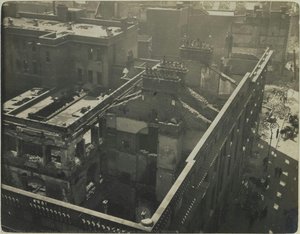
Thomas Johnson Westropp’s evocative black and white photograph, "The GPO, Sackville Street," isn’t merely a depiction of a street scene; it’s a poignant window into a pivotal moment in Irish history – the aftermath of the 1916 Easter Rising. Captured just weeks after the rebellion that shook the foundations of British rule, this image transcends its documentary origins to become a powerful testament to resilience and the enduring spirit of a city grappling with profound change. Westropp, an antiquarian, surveyor, and keen observer of Irish life, meticulously documented the destruction wrought upon Dublin’s heart, transforming what could have been a bleak record of devastation into a surprisingly hopeful portrait of recovery.
The photograph centers around the iconic General Post Office building on Sackville Street (now O'Connell Street), rendered in stark detail against a backdrop of rubble and shattered facades. A double-decker bus, a symbol of burgeoning modernity, navigates the debris-strewn street, its presence suggesting an attempt to restore normalcy amidst chaos. Scattered figures – civilians going about their daily routines – offer glimpses into the lives continuing despite the recent upheaval. The composition is deliberately straightforward, prioritizing clarity and immediacy, as if Westropp sought to capture a truthful representation of the scene before him. The careful framing draws the viewer’s eye directly to the GPO, emphasizing its damaged state while simultaneously highlighting the quiet determination of those who remained.
Technical Mastery and Photographic Process
Westropp's skill as a photographer is evident in the meticulous detail achieved within the monochrome palette. The tonal range, from deep blacks representing the shadows cast by the destruction to bright whites illuminating the remaining structures, creates a dramatic contrast that heightens the visual impact. The photograph’s grainy texture, characteristic of silver gelatin prints on photographic paper, lends it an authentic quality, reminiscent of a historical record. The use of a large-format camera – a technique favored by Westropp – allowed for exceptional sharpness and detail, crucial for capturing the intricate textures of the buildings and the faces of the people within the scene. The diffused lighting suggests an overcast day, contributing to the photograph’s somber yet resolute mood.
A Historical Echo: The 1916 Rising and its Legacy
“The GPO, Sackville Street” is inextricably linked to the events of Easter Week 1916. The building itself served as a key headquarters for the rebel forces, becoming the focal point of intense fighting with British troops. Westropp’s decision to document the aftermath speaks volumes about his commitment to preserving this crucial period in Irish history. The photograph offers a rare and intimate glimpse into the immediate consequences of the rebellion – the widespread destruction, the disruption of daily life, and the palpable sense of uncertainty that permeated Dublin. It's important to note that Westropp’s work was not simply a record of damage; it also captured the spirit of a city attempting to rebuild itself amidst profound loss.
Symbolism of Hope Amidst Ruin
Despite the overwhelming evidence of destruction, “The GPO, Sackville Street” subtly conveys a message of hope. The presence of the bus, representing progress and modernization, suggests an aspiration for a brighter future. The continued activity of the people – their attempts to navigate the ruined streets – symbolizes resilience and determination. Westropp’s choice to focus on these elements transforms what could have been a purely mournful depiction into one that celebrates the enduring spirit of Dubliners. The photograph serves as a reminder that even in the face of adversity, life continues, and the desire for progress persists.
Reproductions and Artistic Interpretation
Today, reproductions of “The GPO, Sackville Street” offer a powerful connection to this pivotal moment in Irish history. When viewed closely, the photograph’s subtle details – the expressions on the faces of the pedestrians, the textures of the damaged buildings – invite contemplation and reflection. The image's stark monochrome palette lends itself beautifully to interior design, providing a sophisticated and historically resonant element to any space. Whether displayed as a fine art print or incorporated into a larger collection, Westropp’s photograph remains a compelling testament to the resilience of Dublin and a poignant reminder of the enduring power of photography to capture history in all its complexity.
Похожие произведения
![Поле С Подсолнухами [1889] (pole S Podsolnukhami [1889]) — Vincent Willem Van Gogh, Post-impressionism](/media/artworks/images-thumb/77/71/7771a95906cf1b4b7935dd57ec0448e9.jpg)

Биография художника
Thomas Johnson Westropp: Life and Legacy
Early Life and Education
Thomas Johnson Westropp was born on August 16, 1860, at Attyflin Park, Patrickswell, County Limerick, Ireland. His ancestors were landowners of English origin who had resided in the area since the mid-16th century. From a young age, Westropp displayed a keen interest in antiquities, meticulously documenting topography, ancient buildings, and folk life during family trips throughout neighboring counties.
He pursued higher education at Trinity College Dublin, earning an MA in 1882. He furthered his studies with a degree in civil engineering in 1885, subsequently apprenticing under Bindon Blood Stoney, who was overseeing the expansion and dredging of the Dublin port entrance.
Career Shift and Archaeological Pursuits
Despite his initial training as an engineer, Westropp soon abandoned professional practice to dedicate himself fully to archaeological research. He became assistant surveyor for County Meath briefly but quickly prioritized his passion for uncovering Ireland’s past. For the remainder of his life, he focused on researching antiquities along the western seaboard of Ireland.
Artistic Work and Documentation
Westropp is renowned for his incredibly detailed sketches of buildings, grave slabs, and other archaeological remains found throughout Ireland. These drawings are not merely artistic representations; they serve as invaluable historical records. Many of these sketches are now preserved by the Royal Irish Academy.
His work extended beyond visual documentation to include the collection of folklore and local traditions, providing a rich tapestry of cultural insights into 19th and early 20th-century Ireland.
Influences and Artistic Development
Westropp’s initial engineering training likely influenced his meticulous approach to documentation and precise rendering of architectural details. His mentor, Bindon Blood Stoney, a prominent engineer involved in significant infrastructural projects, instilled a sense of technical precision. However, it was his innate curiosity and passion for Irish history that truly shaped his artistic development.
His work can be seen as part of a broader movement of antiquarianism prevalent during the Victorian era, where there was growing interest in preserving and understanding historical artifacts and traditions.
Major Achievements and Historical Significance
- Extensive Archaeological Documentation: Westropp created an unparalleled visual record of Irish archaeological sites.
- Folklore Collection: His gathering of folklore provided valuable insights into Irish cultural heritage.
- Influence on the Irish Folklore Commission: His work significantly informed and influenced the establishment and early activities of the Irish Folklore Commission.
Legacy
Thomas Johnson Westropp died in 1922, leaving behind a substantial body of work that continues to be studied by historians, archaeologists, and folklorists today. His detailed sketches and meticulous notes remain essential resources for understanding Ireland’s rich past. He is remembered as a dedicated scholar who played a crucial role in preserving Irish cultural heritage.
His publications are widely accessible in libraries throughout the west of Ireland, ensuring his contributions continue to inspire future generations.
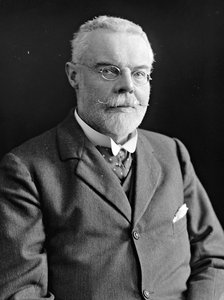
Thomas Johnson Westropp
1860 - 1922 , Ireland
Основные сведения
- Birth Date: 1860-08-16
- Birth Place: Attyflin Park, Patrickswell, County Limerick, Ireland
- Death Date: 1922
- Influenced: Irish Folklore Commission
- Influenced By: Bindon Blood Stoney
- Movement: Antiquarianism, Archaeology, Folklore Studies
- Name: Thomas Johnson Westropp
- Nationality: Irish
- Notable Works: The GPO from summit of Nelson, The GPO Sackville Street, Eden Quay (sketches and documentation of Irish monuments)