

 Поделиться
 Поделиться
 Детали произведения

 Скачать
 Похожие работы
 Слайд-шоу
 Статистика
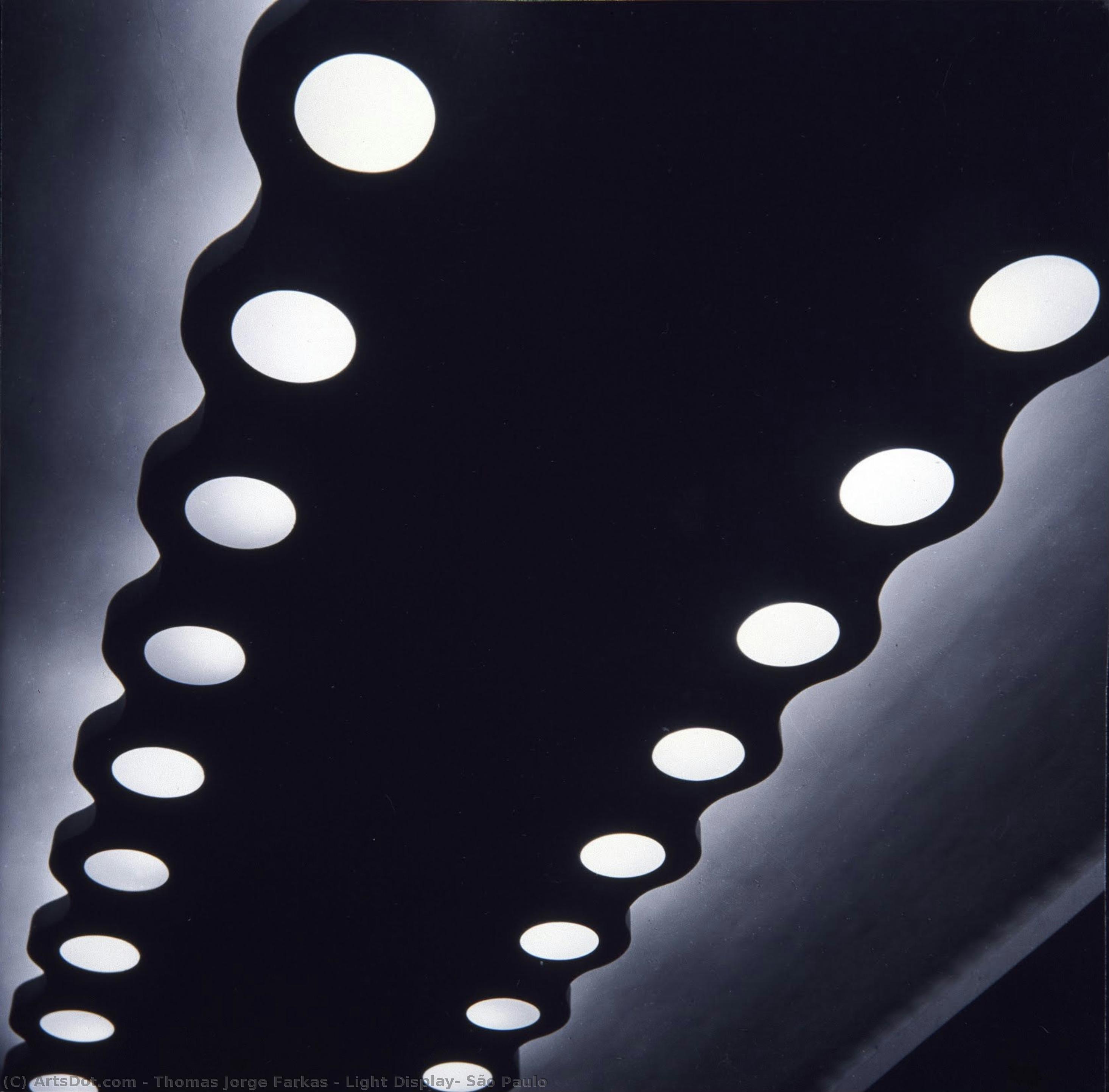
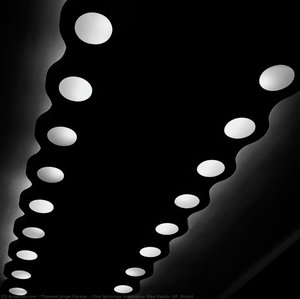
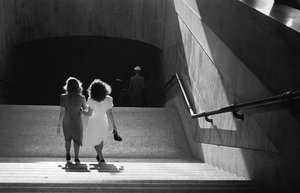
Light Display, São Paulo
 Black and White Photography
- Photo
- Documentary Photography
 1945
1945- Modern
 30.0 x 34.0 cm
 Центр Культуры Банка Бразилии Рио-де-Жанейро
 Читать далее
Приобретите цифровое изображение высокого разрешения в улучшенном качестве, которое значительно превосходит онлайн-превью.
Каждый файл тщательно подготавливается нашими специалистами с использованием передовых инструментов и экспертной ручной ретуши. Мы гарантируем исключительную четкость, точную цветопередачу и детальную проработку каждого изображения.
Финальный файл доставляется по электронной почте в течение 72 часов и оптимизирован для немедленного использования в профессиональной среде, при верстке и печати. Это тот же уровень качества, которому доверяют ведущие дизайнерские студии, издательства и галереи.
Цифровое изображение
Скачайте файл высокого разрешения для личного использования, печати и творческих проектов. ( Перейти к печати Купить картину ручной работы)
Включено в каждый заказ цифровых изображений
Гарантия экспертной цифровой доставки
Выбирая ArtsDot.com, вы получаете не просто изображение — вы приобретаете профессионально обработанное цифровое произведение искусства, созданное с безупречной точностью и под защитой гарантии качества. Вот всё, что автоматически входит в ваш заказ:

Мгновенная доставка по e-mail
Ваш цифровой файл в высоком разрешении будет отправлен вам по электронной почте в течение 72 часов после оформления заказа — и сразу станет доступен для использования.

Цифровой файл с ИИ-улучшением
Ваше произведение искусства проходит профессиональную оптимизацию с использованием передовых инструментов ИИ и ручной обработки, что гарантирует максимальную детализацию, четкость и точность цветопередачи.

Бессрочная бесплатная повторная доставка
Случайно удалили или потеряли файл? Не беспокойтесь — мы отправим его вам повторно в любое время и совершенно бесплатно.

Без импортных пошлин — навсегда
Наслаждайтесь вашим произведением искусства мгновенно без таможенных пошлин, сборов или затрат на доставку — цифровые загрузки всегда не облагаются налогом.

Гарантия точности цветопередачи
Мы гарантируем, что ваше цифровое изображение максимально точно передает оригинальные цвета благодаря использованию профессиональных инструментов и систем управления цветом.

Гарантия удовлетворенности 100 дней
Если вы не будете удовлетворены своим цифровым изображением, мы внесем правки или вернем 100% стоимости в течение 100 дней — без лишних вопросов.

100% Гарантия возврата средств
Не удовлетворены покупкой? Получите полный возврат средств в течение 100 дней после получения цифрового файла — без лишних вопросов.

Скидки на оптовые заказы
Купите 3 изображения, сэкономьте 10% — Купите 5, сэкономьте 15% — Купите 10+, сэкономьте 20%. Отличное решение для творческих проектов, галерей и агентств.
A Symphony of Light and Shadow in Postwar São Paulo
In the quiet, luminous depths of Thomas Jorge Farkas’s 1945 masterpiece, “Light Display, São Paulo,” we encounter more than a mere architectural study; we witness the rhythmic heartbeat of a city in transition. This evocative black and white photograph captures a mesmerizing arrangement of circular lights that seem to dance across a dark, infinite void. The composition is masterfully orchestrated, utilizing a dynamic diagonal sweep that draws the viewer’s eye from the lower left toward the upper right corner. As these rows of glowing orbs converge, they create an illusion of profound depth and movement, mirroring the burgeoning energy and structural expansion of São and Paulo’s urban landscape during the transformative postwar years.
The brilliance of Farkas’s technique lies in his ability to elevate documentary photography into the realm of high art. By utilizing the subtle gradations of a monochrome palette, he strips away the distractions of color to focus entirely on the sculptural interplay between light and shadow. The stark contrast—bright, ethereal white circles set against a deep, velvety black background—imbues the image with a dramatic, almost cinematic quality. This deliberate use of chiaroscuro highlights the geometric precision of the light fixtures, transforming functional architectural elements into a rhythmic pattern of celestial-like shapes that pulse with a life of their own.
Modernist Echoes and Emotional Resonance
Beyond its striking formal qualities, “Light Display” serves as a poignant visual testament to the spirit of Brazilian Modernism. The repetition of circular motifs is not merely an aesthetic choice; it reflects the era's fascination with geometric abstraction and the cyclical nature of progress. For the discerning collector or interior designer, this piece offers a sophisticated layer of meaning. It captures a moment in history where the precision of engineering—a field Farkas himself studied—met the fluid, expressive possibilities of the photographic lens. There is an inherent optimism found in these glowing patterns, a yearning for light and order that resonated deeply within the socio-political climate of mid-century Brazil.
For those seeking to integrate art into a contemporary living space, this reproduction offers an unparalleled sense of elegance and intellectual depth. The image possesses a unique versatility; its minimalist composition and powerful tonal range allow it to anchor a room with a sense of quiet strength. Whether placed in a modern gallery-style setting or a classic study, the photograph invites contemplation, prompting the viewer to reflect on the beauty found in structural repetition and the enduring allure of light. It is an exquisite piece that celebrates the intersection of human design and artistic vision, making it a timeless addition to any curated collection.
Похожие произведения



Биография художника
The Lens of a Nation: The Life and Legacy of Thomas Jorge Farkas
Born amidst the historical weight of Budapest, Hungary, in 1924, Thomas Jorge Farkas would eventually become one of the most vital visual chroniclers of the Brazilian soul. His journey from the landscapes of Europe to the vibrant, pulsating energy of São Paulo shaped a perspective that was both an outsider’s keen observation and an insider’s profound empathy. Though his academic beginnings were rooted in the structured world of engineering at the University of São Paulo, the call of the visual narrative proved irresistible. This transition from the precision of mathematics to the fluid storytelling of photography allowed him to develop a unique eye—one capable of capturing the structural grandeur of Brazil's burgeoning architecture alongside the delicate, fleeting nuances of its people.
Farkas’s artistic evolution was deeply intertwined with the socio-political currents of mid-century Brazil. As a prominent member of the Foto Cine Clube Bandeirante, he found himself at the heart of a movement that used the camera as a tool for both art and social commentary. During the challenging years of Brazil's authoritarian regime between 1964 and 1985, his work took on a layer of quiet resistance. Through his lens, the struggle for identity and the realities of daily life were documented with a journalistic integrity that refused to look away. His mastery of black and white photography became his primary language, utilizing light and shadow to create compositions that felt both timeless and urgently contemporary.
A Visionary Architect of Brazilian Photographic Culture
The significance of Farkas extends far beyond the borders of his individual frames; he was a foundational architect of the Brazilian photographic community. His 1968 expedition across the vast expanse of Brazil served as a transformative pilgrimage, providing him with the raw material for a lifetime of documentation. This journey culminated in the establishment of the São Paulo Foto Galeria in 1979, a sanctuary for visual expression that provided a much-needed platform for emerging talents and helped solidify photography as a respected fine art within the country. His commitment to the medium was matched by his dedication to education, as he spent years nurturing the next generation of artists at the University of São Paulo's School of Communications and Arts.
The technical brilliance of his work lies in its seamless blend of the monumental and the mundane. He possessed a rare ability to capture the sweeping, modernist lines of Brasília with the same reverence he applied to a candid street scene in the bustling heart of São Paulo. His style is defined by:
- Humanist Observation: A profound empathy that prioritized the dignity of his subjects, capturing the essence of the Brazilian spirit through unposed, authentic moments.
- Masterful Monochrome: An expert command over the grayscale spectrum, using contrast to evoke mood and texture in both urban landscapes and natural scenery.
- Architectural Precision: A keen eye for the geometric beauty of Brazil's mid-century modernism, documenting a period of rapid national transformation.
Ultimately, the work of Thomas Jorge Farkas remains an indispensable archive of a nation in flux. His images do not merely record history; they breathe life into it, offering a window into an era of profound change. Through his meticulous attention to detail and his unwavering commitment to truth, he ensured that the faces, the streets, and the very atmosphere of 20th-century Brazil would be preserved with an enduring, poetic grace.
thomas jorge farkas
1924 - 2011 , Hungary
Основные сведения
- Artistic Movement Or Style: Documentary Photography
- Date Of Birth: 1924
- Date Of Death: 2011
- Full Name: Thomas Jorge Farkas
- Nationality: Brazilian
- Notable Artworks:
- Copacabana beach.
- Tiles.
- Pampulha Casino marquise
- Place Of Birth: Budapest, Hungary