

 Предпросмотр
 Поделиться
 Поделиться
 Детали произведения

 Скачать
 Похожие работы
 Рентгенография
 Слайд-шоу
 Статистика
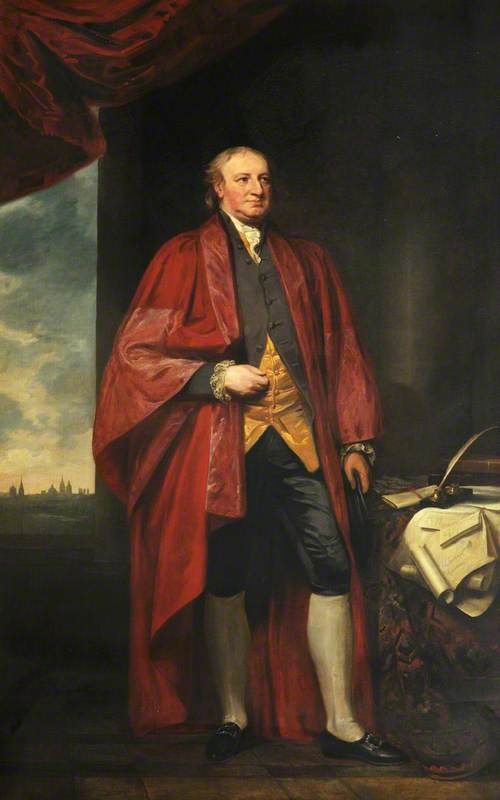
Sir Roger Newdigate (1719–1806), 5th Baronet (copy after George Romney)
 1792
1792 239.0 x 149.0 cm
 University College
 Читать далее
Приобретите цифровое изображение высокого разрешения в улучшенном качестве, которое значительно превосходит онлайн-превью.
Каждый файл тщательно подготавливается нашими специалистами с использованием передовых инструментов и экспертной ручной ретуши. Мы гарантируем исключительную четкость, точную цветопередачу и детальную проработку каждого изображения.
Финальный файл доставляется по электронной почте в течение 72 часов и оптимизирован для немедленного использования в профессиональной среде, при верстке и печати. Это тот же уровень качества, которому доверяют ведущие дизайнерские студии, издательства и галереи.
Цифровое изображение
Скачайте файл высокого разрешения для личного использования, печати и творческих проектов. ( Перейти к печати Купить картину ручной работы)
Включено в каждый заказ цифровых изображений
Гарантия экспертной цифровой доставки
Выбирая ArtsDot.com, вы получаете не просто изображение — вы приобретаете профессионально обработанное цифровое произведение искусства, созданное с безупречной точностью и под защитой гарантии качества. Вот всё, что автоматически входит в ваш заказ:

Мгновенная доставка по e-mail
Ваш цифровой файл в высоком разрешении будет отправлен вам по электронной почте в течение 72 часов после оформления заказа — и сразу станет доступен для использования.

Цифровой файл с ИИ-улучшением
Ваше произведение искусства проходит профессиональную оптимизацию с использованием передовых инструментов ИИ и ручной обработки, что гарантирует максимальную детализацию, четкость и точность цветопередачи.

Бессрочная бесплатная повторная доставка
Случайно удалили или потеряли файл? Не беспокойтесь — мы отправим его вам повторно в любое время и совершенно бесплатно.

Без импортных пошлин — навсегда
Наслаждайтесь вашим произведением искусства мгновенно без таможенных пошлин, сборов или затрат на доставку — цифровые загрузки всегда не облагаются налогом.

Гарантия точности цветопередачи
Мы гарантируем, что ваше цифровое изображение максимально точно передает оригинальные цвета благодаря использованию профессиональных инструментов и систем управления цветом.

Гарантия удовлетворенности 100 дней
Если вы не будете удовлетворены своим цифровым изображением, мы внесем правки или вернем 100% стоимости в течение 100 дней — без лишних вопросов.

100% Гарантия возврата средств
Не удовлетворены покупкой? Получите полный возврат средств в течение 100 дней после получения цифрового файла — без лишних вопросов.

Скидки на оптовые заказы
Купите 3 изображения, сэкономьте 10% — Купите 5, сэкономьте 15% — Купите 10+, сэкономьте 20%. Отличное решение для творческих проектов, галерей и агентств.
Похожие произведения








Биография художника
A Pioneer of the Iron Road: The Life and Legacy of Thomas Kirby
In the heart of the nineteenth century, as the rhythmic pulse of the Industrial Revolution began to reshape the very landscape of Europe, a new kind of vision was emerging. Thomas Kirby (1814–1886), born in the coastal serenity of Cherbourg, Normandy, stood at the forefront of this transformation. While many of his contemporaries sought solace in the pastoral stillness of the countryside, Kirby found a profound, moving beauty in the steel and steam of the burgeoning railway era. His artistic journey was deeply rooted in classical tradition, having undergone a formative apprenticeship under the legendary Jean-François Millet. From Millet, the master of French rural life, Kirby inherited an unparalleled eye for meticulous detail and a reverence for the truth found in observation. Yet, where his mentor captured the quiet dignity of the peasant, Kirby turned his gaze toward the locomotive, blending a rigorous realism with a romantic idealism that celebrated the dawn of modern engineering.
Kirby’s development as an artist was marked by a unique synthesis of technical precision and atmospheric storytelling. He did not merely paint machines; he documented the architectural soul of a changing world. To achieve the level of accuracy for which he became renowned, Kirby immersed himself in the study of engineering principles. He painstakingly recreated the complex geometry of bridges, the shadowed depths of tunnels, and the bustling vitality of railway stations. This dedication allowed him to capture the tangible reality of Victorian progress, ensuring that every bolt, rail, and steam plume felt authentic to the viewer. His work served as a bridge between the old world of romantic landscapes and the new world of industrial dynamism, making him a vital chronicler of the era's technological triumphs.
Mastery of Motion and the Industrial Landscape
The breadth of Kirby’s oeuvre is staggering, comprising over 300 paintings that serve as an invaluable visual archive of nineteenth-century transportation infrastructure. His commissions from major railway companies across England and France allowed him to traverse the most significant arteries of European commerce, capturing the essence of both British and French progress. In his celebrated works, one can witness a masterful command of light and movement:
- The Bridge Over the River Avon: A breathtaking display of architectural grandeur, where Kirby utilizes atmospheric perspective to lend a sense of immense scale and structural weight to the crossing.
- The Station at Rouen: A vibrant tableau that captures the frantic, organized chaos of a French railway terminus, rendered with such realism that the viewer can almost hear the hiss of escaping steam.
- The Locomotive Engine: A testament to his ability to convey kinetic energy, using fluid brushstrokes to suggest the raw power and unstoppable momentum of the iron horse.
Beyond the mere documentation of steel, Kirby’s paintings possess a poetic quality that elevates them above simple technical illustrations. He understood that the railway was not just a mode of transport, but a symbol of human ambition and the shrinking of distances. Through his use of light—often capturing the way sunbeams pierce through station canopies or reflect off polished metal—he imbued these industrial scenes with a sense of wonder and even divinity. His ability to balance the cold, hard reality of iron with the soft, ephemeral qualities of atmosphere ensured that his work resonated emotionally with an audience caught between tradition and progress.
Historical Significance and Artistic Endurance
The historical importance of Thomas Kirby lies in his role as a visual historian of the Industrial Revolution. At a time when the world was being fundamentally rewired by tracks and rails, Kirby provided the definitive imagery for this transition. His paintings offer modern scholars an intimate look at the engineering feats and social shifts of the Victorian age. He captured the precise moment when the landscape ceased to be merely organic and began to incorporate the permanent, rhythmic structures of man-made industry.
Though his name may not carry the same immediate recognition as the masters of Impressionism, Kirby’s contribution to the genre of railway art is foundational. He paved the way for a specialized form of landscape painting that found beauty in the mechanical and the monumental. Today, his legacy lives on through the collections that house his works, reminding us of a time when the arrival of a train was not just a scheduled event, but a profound symbol of a world moving ever forward into the unknown.
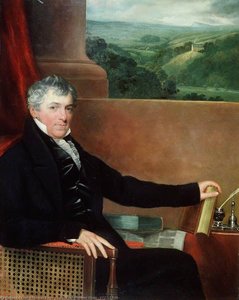
thomas kirby
1814 - 1886
Основные сведения
- Artistic Movement Or Style: Romanticism
- Artists Or Movements Influenced By This Artist: ['Jean-François Millet']
- Artists Who Influenced This Artist: ['George Romney']
- Date Of Birth: 1814
- Date Of Death: 1886
- Full Name: Thomas Kirby
- Nationality: British
- Notable Artworks: ['The Railway Station']
- Place Of Birth: Cherbourg