

 Предпросмотр
 Поделиться
 Поделиться
 Детали произведения

 Скачать
 Похожие работы
 Рентгенография
 Слайд-шоу
 Статистика
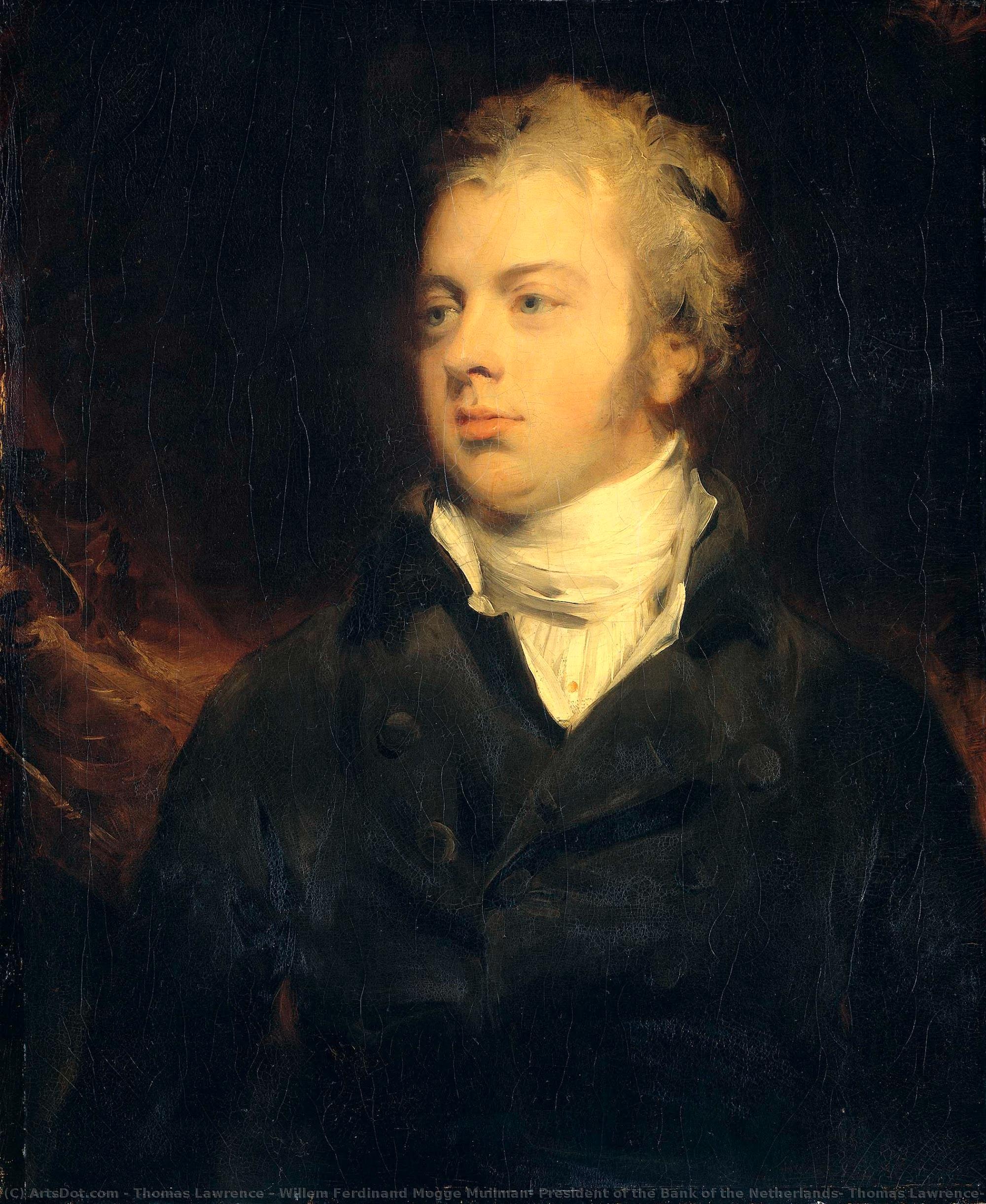
Willem Ferdinand Mogge Muilman, President of the Bank of the Netherlands, Thomas Lawrence, 1800
 Neoclassicism
 1800
1800 76.0 x 64.0 cm
 Читать далее
Масляная репродукция ручной работы
Картина маслом на холсте в выбранном вами размере и раме, написанная на заказ нашими художниками. ( Перейти к печати Перейти к цифровым изображениям)




































Выберите один из наших стандартных размеров, соответствующих оригинальным пропорциям произведения искусства.

Вы можете указать собственные размеры, чтобы картина идеально вписалась в выбранную раму или пространство. Если выбранный вами размер не соответствует пропорциям оригинала, мы либо обрежем полотно, либо расширим его за счет дополнительных элементов, написанных вручную. Цифровой макет будет отправлен вам на утверждение перед началом производства.
Обратите внимание, что предварительный просмотр на экране не отражает фактическую обрезку или расширение. Только макет точно покажет окончательную композицию.
Хотя доступны индивидуальные размеры, мы рекомендуем выбирать вариант из предопределенного списка, чтобы сохранить исходные пропорции.
После оформления заказа команда ArtsDot.com свяжется с клиентом по электронной почте для уточнения деталей и предоставит предварительный макет
Доставка по всему миру () за 3–4 недели вместо стандартных 5 недель. (13 Сентябрь). Без компромиссов в качестве.

Бесплатная экспресс-доставка по всему миру

Высококачественный льняной холст

Полное страхование доставки

Гарантия возмещения таможенных пошлин

Гарантия точного соответствия цветов

100-дневная политика возврата (только при обнаружении дефектов)

Гарантия возврата 100% средств

Предложение оптовых скидок
 Вариант со стеклом доступен только для размеров менее 110 см

Willem Ferdinand Mogge Muilman, President of the Bank of the Netherlands, Thomas Lawrence, 1800
Техника репродукции
Размер репродукции
-


Итоговая стоимость
$ 263
Похожие произведения
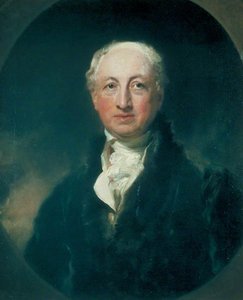
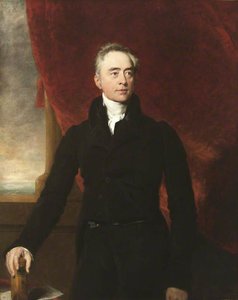
Биография художника
The Gilded World of Thomas Lawrence: Portraitist of Regency Society
Thomas Lawrence, born in Bristol in 1769, was a child prodigy who ascended to become the preeminent portrait painter of his age – the glittering world of late Georgian and early Victorian England. Unlike many artists who struggled for recognition, Lawrence’s talent was immediately apparent. By the age of ten, he was supporting his family with pastel portraits, demonstrating an astonishing skill in capturing likenesses and a natural flair for composition. His early training involved copying works by established masters like Reynolds and Gainsborough, but it wasn't long before he developed a distinctive style that set him apart. He moved to London in 1787, entering the Royal Academy Schools and quickly gaining patronage from influential figures. Lawrence’s career flourished not merely through artistic merit, but also through his astute understanding of social dynamics and his ability to cultivate relationships with the aristocracy. He wasn't simply painting portraits; he was crafting images that reinforced status, beauty, and power.A Rising Star: Early Successes and Italian Influences
Lawrence’s early work already possessed a remarkable elegance and refinement. His portraits of young women, in particular, were celebrated for their delicate coloring, graceful poses, and flattering representations. He quickly became the darling of fashionable society, securing commissions from prominent families and establishing himself as a sought-after artist. A pivotal moment in his development came with his first visit to Italy in 1793. This journey was not undertaken for formal study, but rather to immerse himself in the artistic atmosphere of Rome and Florence, and importantly, to meet potential patrons among the European nobility. He absorbed the influence of Italian Renaissance masters – particularly Titian and Correggio – which manifested in his increasingly sophisticated use of light, shadow, and color. The Italian sojourn also allowed him to refine his technique of *sfumato*, creating a soft, hazy effect that added depth and allure to his portraits. Upon his return to England, Lawrence’s style had matured significantly, characterized by a greater sense of grandeur and a more polished finish. He was elected a Royal Academician in 1794, solidifying his position at the heart of the British art world.The Pinnacle of Regency Portraiture: Style and Technique
Lawrence’s mature style is synonymous with the elegance and opulence of the Regency period. His portraits are not simply records of physical appearance; they are carefully constructed narratives that convey a sense of wealth, status, and personality. He excelled at capturing the *sprezzatura* – an effortless grace and nonchalance – of his sitters, often depicting them in relaxed poses with subtle expressions. His technique was meticulous, involving multiple layers of glazing to achieve luminous skin tones and rich textures. Lawrence’s backgrounds were typically understated, allowing the focus to remain on the sitter's face and figure. He also became renowned for his *full-length portraits*, which showcased not only the individual but also their clothing, jewelry, and surroundings – symbols of their social standing. His ability to flatter his sitters was legendary; he understood how to manipulate light and shadow to create a more idealized image, often softening features and enhancing their beauty. He wasn’t afraid to subtly alter reality in pursuit of aesthetic perfection, making him immensely popular with those who desired a glamorous representation of themselves.Beyond the Brush: Diplomatic Missions and Later Years
Lawrence's success extended beyond the realm of art. In 1815, he was appointed official portrait painter to the Prince Regent (later George IV), and in 1818, he received a knighthood. He undertook several diplomatic missions for the British government, traveling to Vienna and Paris to paint portraits of European royalty and heads of state. These assignments not only provided him with valuable commissions but also allowed him to further cultivate his international reputation. His later work, however, began to show signs of fatigue and a decline in energy. He struggled with illness and increasingly relied on assistants to complete portions of his paintings. Despite this, he continued to receive prestigious commissions until his death in 1830.A Lasting Legacy: Lawrence’s Historical Significance
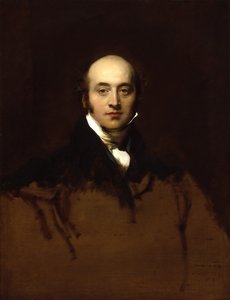
Thomas Lawrence left an indelible mark on the history of British portraiture. His work captures the spirit of the Regency era with unparalleled elegance and sophistication. He wasn't merely a painter; he was a social commentator, a diplomat, and a master of self-promotion.- His portraits provide invaluable insights into the lives and values of the aristocracy.
- He elevated portrait painting to new heights of technical skill and artistic refinement.
- His influence can be seen in the work of subsequent generations of portrait painters.
Похожие статьи
Illuminating Realism: Exploring the Dutch Golden Age of Painting (1600-1700)
Explore the Dutch Golden Age of painting (1600-1700) with ArtsDot. Discover Rembrandt, Vermeer & other masters. Learn about techniques, history & find museum-quality reproductions.

Золотой век Голландии: 10 шедевров, изменивших искусство | ArtsDot.com
Погрузитесь в эпоху Золотого века Нидерландов! 10 шедевров Рембрандта, Вермеера и других мастеров. Узнайте истории создания культовых картин и вдохновитесь для интерьера. Репродукции музейного качества на ArtsDot.com.

Illuminating Innovation: Exploring the Dutch Golden Age of Painting
Explore the Dutch Golden Age of painting with ArtsDot. Discover Rembrandt, Vermeer & other Masters. Learn about key characteristics, iconic artworks, and lasting influence. Expert insights for collectors & enthusiasts.
Sir Thomas Lawrence: Portraiture, Power & Regency Society's Aesthetics
Explore the captivating world of Sir Thomas Lawrence, Regency England's premier portraitist. Discover his artistic techniques, powerful representations of society, and enduring legacy. Expert insights for discerning art collectors.

Golden Age Reflections: Dutch Baroque Painting & Cultural Innovation
Explore the Dutch Golden Age of painting! Discover key artists like Vermeer & ter Borch, their innovative techniques, and the rich cultural context behind these Baroque masterpieces. Learn about collecting & appreciating this iconic art period.