

 Предпросмотр
 Поделиться
 Поделиться
 Детали произведения

 Скачать
 Похожие работы
 Рентгенография
 Слайд-шоу
 Статистика
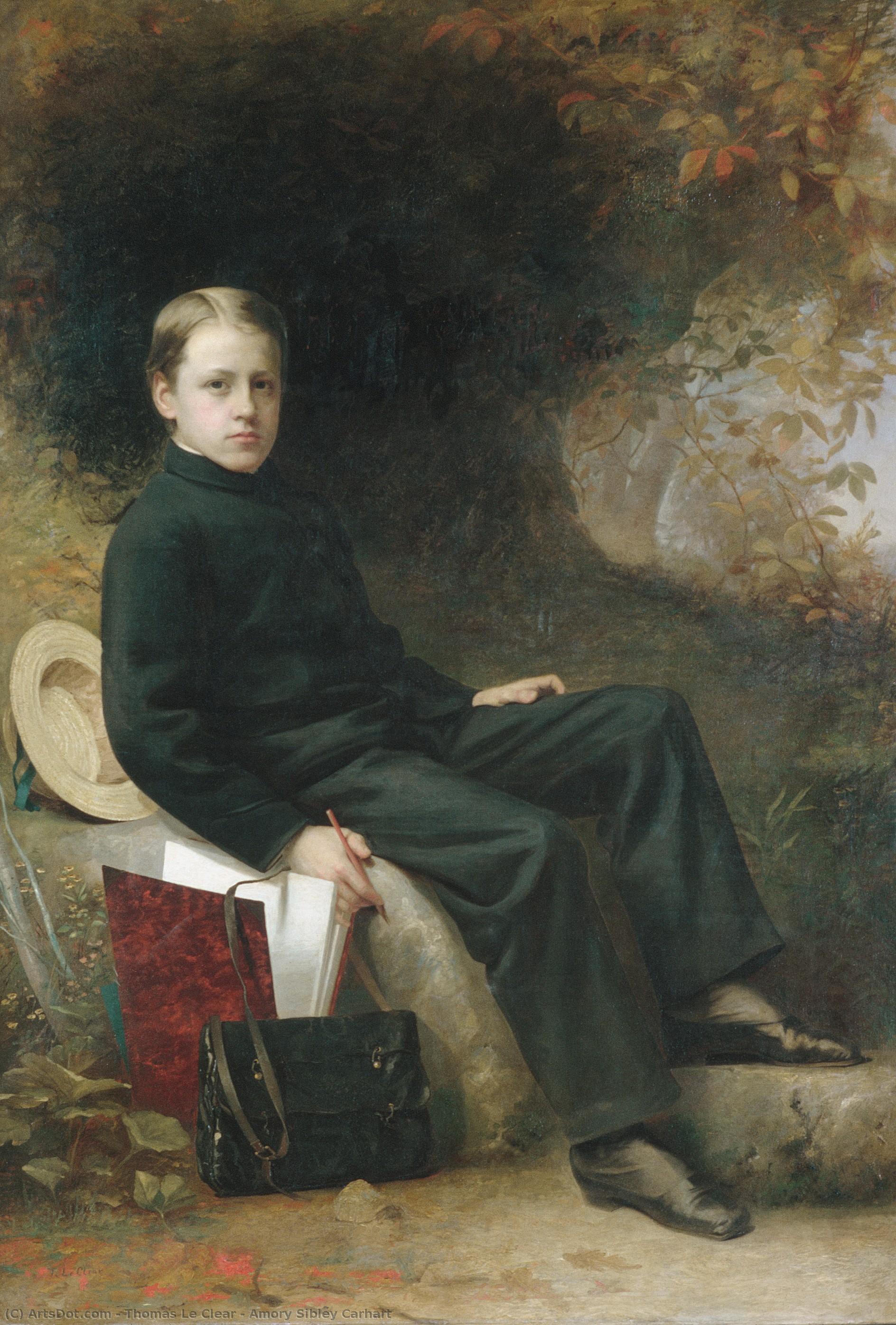
Amory Sibley Carhart
 Oil On Canvas
- WallArt
- Victorian Realism
 1860
1860- 19th Century
 162.0 x 111.0 cm
 Музей Метрополитен
 Читать далее
Жикле / Арт-принт
Печать (жикле) или холст музейного качества с быстрыми сроками изготовления и широким выбором вариантов отделки. ( Купить картину ручной работы Перейти к цифровым изображениям)




P118B $10

P118H $10

P118W $10

P438Z $10

P508JH $12

P508YH $12

P805H $10

P805Z $10

P919BZ $10

P919G $10

P919XJ $10

P959ZH $10

P968JZ $12

W106C $8

W218G $10

W218JH $8

W218Y $10

W307PJ $10

W316G $10

W316PJ $8

W316Y $10

W398PJ $8

W4111J $10

W500HY $15

W500JH $15

W692G $12

W849H $8

W940BG $15

W953PJ $8




Выберите один из наших стандартных размеров, соответствующих оригинальным пропорциям произведения искусства.

Вы можете указать свои собственные размеры, чтобы репродукция идеально подошла под конкретную раму или пространство. Если выбранный вами размер не будет соответствовать пропорциям оригинала, мы либо обрежем произведение, либо дополним изображение зеркальным отражением краев или однотонной заливкой. Перед началом производства вам будет отправлен цифровой макет для утверждения.
Пожалуйста, обратите внимание, что предварительный просмотр на экране не отображает фактическую обрезку или расширение изображения. Только макет точно покажет финальную композицию.
Несмотря на возможность заказа индивидуальных размеров, мы рекомендуем выбирать размер из предопределенного списка, чтобы сохранить оригинальные пропорции.
Доставка по всему миру () за 2 недели вместо стандартных 4/5 недель. (11 Сентябрь)

Бесплатная экспресс-доставка по всему миру

Высококачественный льняной холст

Полное страхование доставки

Гарантия возмещения таможенных пошлин

Гарантия точного соответствия цветов

100-дневная политика возврата (только при обнаружении дефектов)

Гарантия возврата 100% средств

Предложение оптовых скидок
 Вариант со стеклом доступен только для размеров менее 110 см

Amory Sibley Carhart
Жикле / Арт-принт
Размер репродукции
-


Итоговая стоимость
$ 62
A Moment Frozen in Autumnal Grace: Thomas Le Clear’s Portrait of Amory Sibley Carhart
The painting “Amory Sibley Carhart” by Thomas Le Clear, created around 1860-65 and currently residing within The Metropolitan Museum of Art's American Wing collection (Object Number: 64.220.3), transcends mere representation; it embodies a profound stillness—a snapshot of boyhood captured against the backdrop of New York’s vibrant autumn landscape. Le Clear, eschewing formal training in favor of relentless self-study and observation, established himself as a distinctive voice within the burgeoning American art scene of the Victorian era. His artistic philosophy prioritized capturing essence rather than meticulous detail, resulting in works imbued with an undeniable emotional resonance. The composition centers on a young boy—likely Amory Sibley Carhart—seated upon a weathered rock amidst a grove of trees ablaze with hues of russet and gold. Le Clear’s masterful use of oil paint on canvas lends itself to capturing the subtle nuances of light and texture, creating an atmosphere that feels both tangible and dreamlike. The artist skillfully employs chiaroscuro – dramatic contrasts between light and dark – to sculpt the boy's form and illuminate his face, drawing the viewer’s gaze directly into his contemplative expression. This deliberate technique underscores Le Clear’s intention to convey not just a likeness but also an inner state of quiet reflection. Beyond its technical prowess, “Amory Sibley Carhart” speaks volumes about the cultural anxieties and aspirations of its time. The Victorian preoccupation with childhood innocence—a concept championed by thinkers like Rousseau—is powerfully visualized here. The boy’s posture exudes confidence yet simultaneously conveys vulnerability; he is absorbed in reading, suggesting a yearning for knowledge and intellectual engagement amidst the beauty of nature. Furthermore, the inclusion of a small black bag – likely intended to hold books or perhaps a personal item – subtly hints at the complexities of identity formation during adolescence. The overarching symbolism within the painting extends beyond individual characterization. The dominant autumnal foliage serves as a poignant reminder of transience and mortality—a visual metaphor for the passage of time and the inevitable decline of youthful vigor. Yet, Le Clear’s careful rendering of the landscape imbues it with serenity and restorative power, suggesting that beauty can offer solace even in the face of hardship. It's a scene designed to inspire contemplation on themes of growth, experience, and the enduring value of inner peace. The painting’s signature “Thomas Le Clear” and date "1860" serve as anchors to its historical context—a testament to Le Clear’s dedication to preserving his artistic vision for posterity. The Met's ongoing commitment to Open Access ensures that this masterpiece remains accessible to scholars and enthusiasts alike, fostering a continued appreciation for Victorian art and the enduring legacy of Thomas Le Clear’s singular talent.Похожие произведения

Биография художника
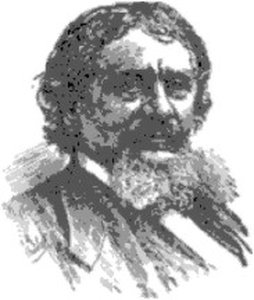
Thomas Le Clear: A Captivating Vision of Victorian America
Born in Oswego, New York, in 1818, Thomas Le Clear’s artistic journey was one forged through self-directed study and a keen observation of the world around him. Unlike many artists of his era who benefited from formal training, Le Clear began his career at just twelve years old, selling copies of religious paintings – notably Saint Matthew – demonstrating an early aptitude for capturing likeness and detail. This initial success fueled a passion that he pursued relentlessly, absorbing techniques and styles through diligent study of the works of established masters. His early life, marked by this independent approach to learning, would profoundly shape his distinctive artistic voice.
Le Clear’s formative years were spent in Canada, specifically London, Ontario, where he honed his portraiture skills during a period of significant growth for the settlement. This experience exposed him to diverse subjects and likely influenced his ability to portray individuals with nuanced characterization. Returning to America, he established himself as a respected artist in Elmira and Rochester, New York, steadily building a reputation for capturing both the outward appearance and inner essence of his sitters. These early commissions provided invaluable practical experience, allowing him to refine his technique and develop a confident style.
A pivotal moment in Le Clear’s career arrived with his relocation to New York City in 1839. Seeking further artistic development, he enrolled under the tutelage of Henry Inman, a prominent portraitist known for his refined academic approach. This period proved instrumental in solidifying his understanding of composition, lighting, and classical techniques. However, Le Clear’s true strength lay not merely in imitation but in imbuing his portraits with a palpable sense of life and emotion – a quality that distinguished him from many of his contemporaries.
The Buffalo Years: Academy and Artistic Flourishing
From 1844 to 1860, Le Clear found a fertile ground for artistic growth in Buffalo, New York. He played a crucial role in the establishment of the Buffalo Fine Arts Academy, becoming one of its founding members and contributing significantly to the development of art education in the region. This involvement reflects his commitment to fostering artistic talent and sharing his knowledge with future generations. During this period, Le Clear’s work flourished, characterized by a growing confidence and an increasingly sophisticated approach to portraiture and genre scenes.
His Buffalo years produced some of his most celebrated works, including evocative depictions of everyday life – scenes of itinerants, interiors filled with portraits, and glimpses into the domestic sphere. These paintings offer valuable insights into the social fabric of 19th-century America, capturing not just physical appearances but also the subtle nuances of human interaction and emotion. The influence of his time in Buffalo is evident in the richness of color and detail that permeates many of his later works.
A National Recognition: Portraits of Prominence
Le Clear’s artistic reputation reached a new level with his election to the National Academy of Design in 1863. This prestigious honor acknowledged his contributions to American art and solidified his standing within the established artistic community. Following this recognition, he continued to produce portraits of notable figures – including Millard Fillmore, William Cullen Bryant, Edwin Booth as Hamlet, and Bayard Taylor – each rendered with a remarkable degree of psychological insight and technical skill.
His ability to capture not just physical likeness but also the character and personality of his subjects was particularly admired. Le Clear’s portraits were often described as “alive,” imbued with a sense of immediacy and emotional resonance that set them apart from more formal or idealized representations. These works remain valuable historical documents, offering intimate glimpses into the lives and personalities of prominent figures of the era.
Legacy and Artistic Style
Thomas Le Clear’s career spanned several decades, during which he developed a distinctive artistic style characterized by meticulous detail, subtle tonal variations, and a remarkable ability to convey emotion. His portraits are not merely representations of individuals; they are carefully constructed narratives that reveal the subject's inner world. While influenced by academic traditions, Le Clear’s work possesses a unique warmth and humanity – a testament to his keen observation skills and his dedication to capturing the essence of his subjects.
He died in Rutherford Park, New Jersey, in 1882, at the age of 64. Despite his relatively short career, Le Clear left behind a significant body of work that continues to be appreciated for its technical skill, emotional depth, and historical significance. His contributions to the Buffalo Fine Arts Academy and his portraits of prominent figures ensure his place as a key figure in American art history.
Thomas Le Clear
1818 - 1882 , United States of America
Основные сведения
- Artistic Movement Or Style: Portraiture, Genre
- Artists Who Influenced This Artist: ['Henry Inman']
- Date Of Birth: March 11, 1818
- Date Of Death: November 26, 1882
- Full Name: Thomas Le Clear
- Nationality: American
- Notable Artworks:
- The Reprimand
- Marble Players
- Itinerants
- Place Of Birth: Owego, United States
Похожие статьи

Топ-10 шедевров XIX века: искусство, история и декор от ArtsDot.com
Погрузитесь в мир искусства XIX века! От реализма до импрессионизма – 10 величайших картин, истории художников и вдохновение для вашего интерьера. Репродукции высокого качества на ArtsDot.com. Откройте всю коллекцию онлайн!

The Enduring Legacy of Oil on Canvas: Technique, History & Aesthetic Impact
Explore the rich history & techniques of oil painting – from Renaissance masters to Impressionism. Discover pigments, layering methods, and why this timeless medium endures. Expert insights for artists & art enthusiasts.
10 Шедевров Американского Реализма: Искусство Правды и Жизни | ArtsDot
Погрузитесь в мир американского реализма! 10 шедевров от Эндрю Уайета, Эдварда Хоппера и других. История искусства, техники живописи и вдохновение для вашего интерьера. Купите репродукции картин на ArtsDot.com!
John George Brown: Capturing American Life & Sentiment in 19th-Century Genre Painting
Explore the captivating genre paintings of John George Brown, celebrated for his realistic depictions of 19th-century American life. Discover his legacy & find museum-quality reproductions at ArtsDot.

Grant Wood & American Regionalism: Identity, Myth & the Rural Landscape
Explore the world of Grant Wood & American Regionalism with ArtsDot. Discover the symbolism behind 'American Gothic', recurring themes, and the movement's lasting impact on art history. High-quality reproductions available.